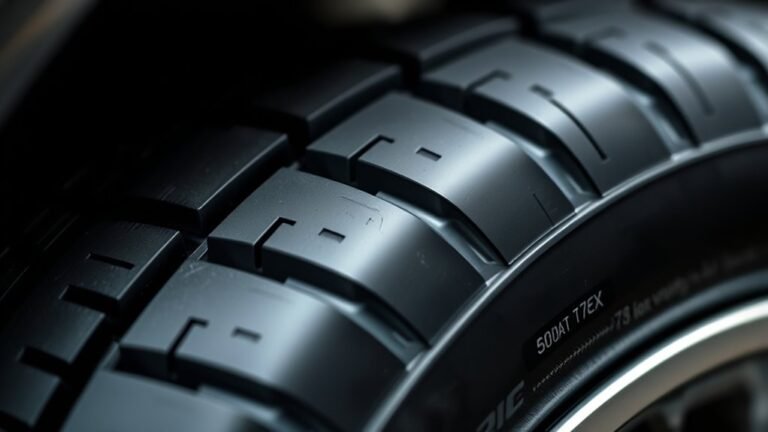
What Kind of Tires Does My Car Need? Size, Type, Ratings, Climate, and Driving Style
Choosing the right tires is essential for your vehicle’s safety and performance. Tires must match the manufacturer’s specifications, including size, load index, and speed rating. This ensures proper fit and reliable driving.
Different tire types suit various driving styles. Touring tires provide comfort and durability for everyday use. Performance tires improve handling and responsiveness for spirited driving.
Climate also plays a big role. Winter tires are designed for cold and snowy conditions. Summer tires perform best in warm weather. All-season tires offer a balance for moderate climates.
Picking the right tires helps maximize safety, traction, and tire life.
How to Find the Right Tire Size for Your Car
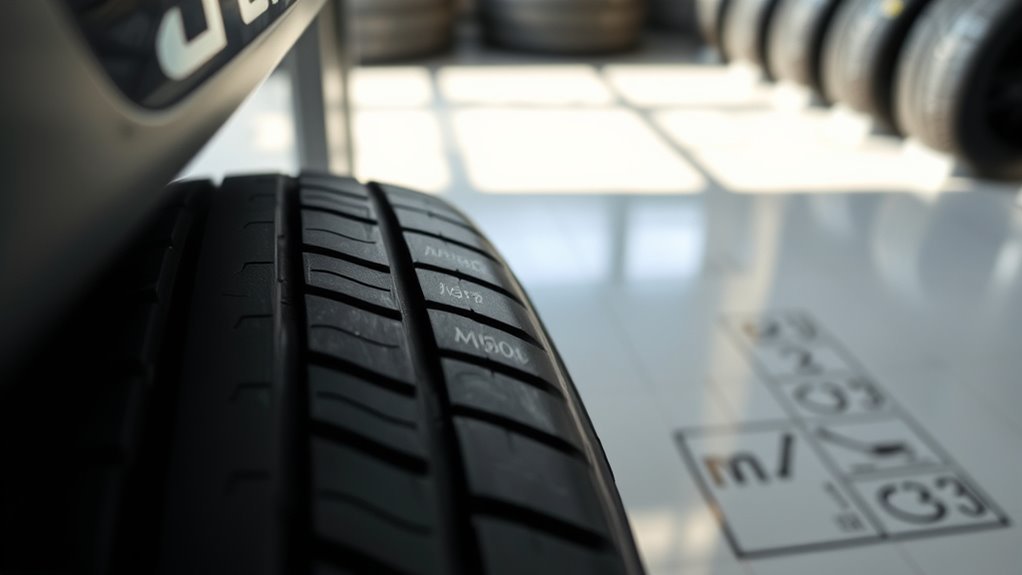
Finding the right tire size for your car means using the size specified by the vehicle manufacturer. This size ensures proper fit, performance, and safety.
Manufacturers list recommended tire sizes in the owner’s manual or on a sticker inside the driver’s side door frame. Tire sizes appear as a code like 225/50R17. This code shows the tire width (225 mm), aspect ratio (50%), and rim diameter (17 inches).
Matching the manufacturer’s tire size keeps handling, fuel efficiency, and speedometer accuracy within expected ranges. Tires that differ from the recommended size may cause poor handling and inaccurate speed readings.
In addition to size, check the load index and speed rating on the tire. These ratings must meet or exceed the original equipment to maintain safe operation and vehicle performance.
How to find your car’s tire size:
- Look in the owner’s manual under tires or specifications.
- Check the tire information sticker on the driver’s door jamb.
- Read the tire sidewall for size code (e.g., 225/50R17).
- Verify load index and speed rating match or exceed the original.
Using the correct tire size and ratings protects your car’s handling, safety, and efficiency.
Choosing Tire Types for Different Driving Styles
Different driving styles often require specific tire types to optimize performance and comfort. Performance tires are designed to enhance handling and grip for spirited driving. In contrast, touring tires focus on providing a smooth ride and long tread life, ideal for everyday commuting.
Performance Tires Overview
Driving style directly affects the choice of performance tires. Drivers who want sharp handling and stability at high speeds pick tires with tread patterns and rubber compounds that improve grip on dry and wet roads. Others balance daily use and performance by selecting tires that offer moderate grip and longer wear.
Performance tires fall into three main categories based on driving style:
- High-Performance Tires
- Designed for sharp handling and stability
- Use specialized tread patterns and rubber compounds
- Provide strong grip on dry and wet surfaces
- Ideal for spirited driving on highways and curvy roads
- Ultra-High-Performance Tires
- Offer superior cornering and braking
- Optimized for occasional track use and aggressive driving
- Typically have shorter tread life due to softer compounds
- Best for enthusiasts seeking maximum performance over durability
- All-Season Performance Tires
- Balance daily drivability with dynamic response
- Provide moderate grip in various weather conditions
- Feature longer tread life than ultra-high-performance tires
- Suitable for drivers needing versatility and durability
Factors influencing tire choice include typical road conditions, desired responsiveness, and tolerance for trade-offs between performance and tread longevity. Matching tire type to driving style helps maintain safety and function while achieving the expected driving experience.
Touring Tires Benefits
Touring tires prioritize comfort, durability, and reliable traction over aggressive handling. They provide a smooth, quiet ride and typically last longer than performance tires. Touring tires suit drivers who need consistent performance for daily driving and long trips across various weather conditions.
Touring tires use tread patterns designed to reduce road noise and enhance cushioning. This design results in a quieter and more comfortable ride, making them ideal for commuters and long-distance travelers. Their construction focuses on durability, which often extends tread life beyond what performance tires offer.
Traction on wet and dry roads remains balanced with touring tires. They maintain grip in multiple weather conditions without sacrificing ride quality. This versatility makes them reliable choices for drivers in regions with varying climates.
Fuel efficiency improves with touring tires due to their lower rolling resistance. Reduced resistance means the vehicle requires less energy to move, which can lead to better gas mileage compared to performance tires.
Benefits of touring tires at a glance:
- Enhanced ride comfort with quieter tread designs
- Longer tread life due to durable construction
- Balanced traction on wet and dry surfaces
- Improved fuel efficiency from reduced rolling resistance
- Suitable for daily driving and moderate performance needs
Touring tires suit drivers who value ride quality, reliability, and longevity over sharp handling or high-speed performance. They represent a practical option for everyday use and diverse driving conditions.
Why Tread Patterns Matter for Road Conditions
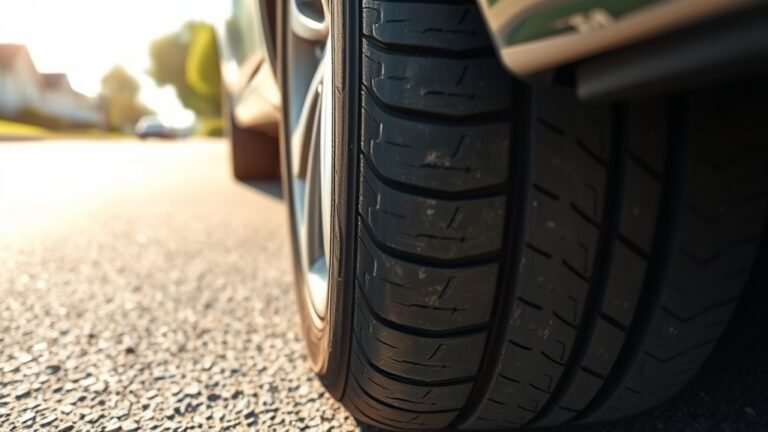
Tread patterns affect a tire’s grip and safety on different road surfaces. They direct water, mud, or snow away from the tire’s contact area to improve traction and reduce hydroplaning risks. Choosing the right tread pattern matches driving conditions and enhances vehicle control.
Grooves are channels in the tread that move water away from the tire. These channels reduce the chance of hydroplaning on wet roads by allowing water to escape from under the tire.
Sipes are small slits cut into tread blocks. They increase the tire’s grip on ice and snow by creating extra biting edges that improve traction on slippery surfaces.
Blocks are raised tread segments that maintain steady contact with dry roads. Blocks provide stability and improve handling by gripping the pavement firmly.
Directional patterns have a V-shaped design that pushes water outward, aiding water dispersion on wet roads. Asymmetric patterns combine different tread designs on the inner and outer parts of the tire to balance wet traction and dry road handling.
| Feature | Function | Benefit |
|---|---|---|
| Grooves | Channel water away | Prevent hydroplaning on wet roads |
| Sipes | Create biting edges | Improve grip on ice and snow |
| Blocks | Maintain road contact | Enhance stability on dry roads |
| Directional Pattern | Push water outwards | Better water dispersion |
| Asymmetric Pattern | Vary tread design across tire | Balance wet and dry performance |
Matching tread patterns to typical road conditions enhances vehicle safety and handling.
What Tire Ratings Mean for Your Safety and Performance
Tire ratings provide essential information about a tire’s capabilities and limitations. Speed ratings indicate the maximum safe driving speed, while treadwear grades reflect the expected durability of the tire. Understanding these ratings helps guarantee both safety and ideal performance on the road.
Understanding Tire Speed Ratings
Tire speed ratings indicate the maximum speed a tire can safely handle under optimal conditions. These ratings help drivers choose tires that match their vehicle’s performance and driving habits, ensuring safety and stability.
Speed ratings use letters to represent specific speed limits:
- S (112 mph) – Standard passenger cars.
- H (130 mph) – Mid-range sedans and coupes.
- V (149 mph) – Sports cars and performance vehicles.
- W (168 mph) – High-performance vehicles.
- Y (186 mph) – Luxury and ultra-performance vehicles.
Selecting tires with the correct speed rating matches tire capabilities to driving speeds. This prevents tire failure from excessive heat or stress, maintaining vehicle control and safety.
Interpreting Treadwear Grades
A tire’s treadwear grade indicates the expected durability of the tire compared to a standard reference tire. This numeric rating, found on the sidewall, helps estimate how long the tire will last under normal driving conditions.
Treadwear grades use a baseline number, often 100 or 200, as a reference. A tire with a treadwear grade of 400 should last twice as long as one rated 200. These ratings are relative and do not guarantee exact mileage.
Several factors affect treadwear grades:
- Driving style: Aggressive driving increases tire wear.
- Road conditions: Rough or uneven surfaces cause faster tread loss.
- Maintenance: Proper inflation and alignment extend tire life.
Higher treadwear grades usually mean longer tire life but may reduce traction or handling. Lower grades often provide better grip and performance but wear out faster.
Summary of treadwear grades:
| Treadwear Grade | Durability | Traction & Performance |
|---|---|---|
| 100-200 | Shorter lifespan | Better grip and handling |
| 300-400 | Moderate lifespan | Balanced traction and durability |
| 500+ | Longer lifespan | Reduced traction, longer wear |
Understanding treadwear grades helps buyers select tires that match their driving needs and road conditions. This balance improves safety, performance, and tire longevity.
Picking Tires for Your Local Climate and Season
Selecting tires based on local climate and season improves safety and tire performance. Different weather conditions affect traction and tire durability. Choosing tires that fit temperature, precipitation, seasonal shifts, and road surfaces ensures better handling and efficiency.
Temperature ranges
Tires must maintain flexibility and grip within the expected temperature range. Warm-climate tires use harder rubber compounds that resist heat softening. Cold-climate tires use softer compounds to stay flexible in low temperatures. This balance prevents premature wear and maintains traction.
Precipitation type
Tires need tread designs suited for rain, snow, or ice. Rain tires feature grooves to channel water and reduce hydroplaning. Snow tires have deeper treads and siping to grip snow and ice. Selecting the right tread pattern improves control and braking on wet or slippery roads.
Seasonal changes
Regions with clear seasonal shifts benefit from changing tires accordingly. Winter tires provide traction and safety on cold, icy roads. Summer tires optimize performance in warmer months. All-season tires offer moderate capability year-round but may compromise in extreme conditions.
Road surface conditions
Urban, rural, and mountainous roads require different tire qualities. Urban tires focus on comfort and wear resistance for paved streets. Rural tires may prioritize durability on rougher surfaces. Mountain tires often have reinforced sidewalls and aggressive treads for rocky or uneven terrain.
| Factor | Tire Feature | Benefit |
|---|---|---|
| Temperature Range | Rubber compound (soft/hard) | Maintains grip and wear |
| Precipitation Type | Tread pattern (grooves, siping) | Improves water/snow traction |
| Seasonal Changes | Tire type (summer, winter, all-season) | Matches road conditions |
| Road Surface | Tread design, sidewall strength | Enhances durability and control |
Matching tires to these climate and road factors increases safety, reduces tire wear, and can improve fuel economy.
When to Pick All-Season, Summer, or Winter Tires?
Choosing the right tire type depends on your local climate and road conditions throughout the year. All-season tires work well in mild weather. Summer tires perform best in warm, dry, or wet conditions. Winter tires provide safety and traction in snow, ice, and cold temperatures.
All-Season Tires
All-season tires suit regions with moderate weather. They balance performance on dry, wet, and light snow-covered roads. Their tread design and rubber compound provide a compromise between winter traction and summer handling. However, they do not perform optimally in extreme heat or heavy snow.
Summer Tires
Summer tires deliver strong grip and precise handling on dry and wet roads in warm temperatures. They use a rubber compound that hardens in cold, reducing traction on ice or snow. Summer tires are not safe for winter conditions and should be replaced when temperatures regularly drop below 45°F (7°C).
Winter Tires
Winter tires are designed for cold weather, snow, and ice. Their tread patterns include deep grooves and biting edges for better traction. The rubber compound stays flexible at low temperatures, improving grip on icy or snowy roads. Winter tires enhance safety and control in harsh winter conditions but wear quickly in warm weather.
| Tire Type | Best Conditions | Rubber Compound | Tread Design | Temperature Range |
|---|---|---|---|---|
| All-Season | Mild weather, light snow | Balanced for multiple uses | Moderate grooves and siping | Above freezing to mild cold |
| Summer | Warm, dry or wet roads | Harder in cold temperatures | Shallow grooves, fewer sipes | Above 45°F (7°C) |
| Winter | Snow, ice, cold temperatures | Flexible in cold | Deep grooves, aggressive siping | Below 45°F (7°C) |
Select tires based on your typical seasonal conditions. Using the right tire type improves safety, performance, and tire life by matching capabilities to weather demands. Avoid relying on one tire type for all seasons to maintain optimal driving control.
Tips to Maximize Your Tires’ Lifespan
Proper tire maintenance and careful driving extend tire life. Regular inspections and timely care prevent uneven wear and costly replacements. Follow these essential tips to increase the durability and safety of your tires.
1. Maintain Proper Tire Pressure
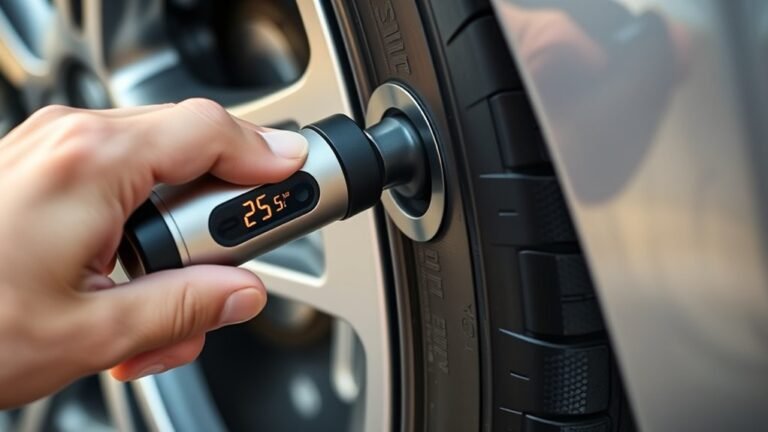
Tire pressure directly affects wear and performance. Check tire pressure monthly using a reliable gauge. Inflate tires to the vehicle manufacturer’s recommended levels found in the owner’s manual or door jamb label. Underinflated or overinflated tires cause uneven tread wear and reduce fuel efficiency.
2. Rotate Tires Regularly
Tire rotation balances tread wear among all tires. Rotate tires every 5,000 to 7,000 miles or as recommended by the vehicle manufacturer. This practice helps extend tire life and maintains consistent traction and handling.
3. Balance and Align Wheels
Wheel balancing eliminates vibrations caused by uneven tire weight distribution. Alignment adjusts the angles of the wheels to the manufacturer’s specifications. Both services prevent uneven tire wear and improve vehicle control. Schedule balancing and alignment checks annually or when you notice uneven tire wear or steering issues.
4. Adopt Smooth Driving Habits
Sudden acceleration, hard braking, and sharp turns increase tire stress and wear. Drive smoothly to reduce tire damage and extend tread life. Maintaining steady speeds and anticipating stops also improves fuel economy.
Following these steps promotes tire longevity, enhances safety, and optimizes vehicle performance. Regular maintenance reduces the risk of tire failure and lowers overall operating costs.
Frequently Asked Questions
How Do Tire Warranties Work and What Do They Cover?
How do tire warranties work?
Tire warranties cover defects in workmanship and materials for a set time or mileage.
What do tire warranties cover?
They often include tread life guarantees and limited protection against road hazards like potholes or nails.
What is not covered by tire warranties?
Normal wear, improper maintenance, and accident damage are typically excluded.
What is needed to make a warranty claim?
Proof of purchase and a tire inspection are usually required.
Do warranty terms vary?
Yes, terms differ by manufacturer, so review specific conditions and claim procedures before buying.
Can I Mix Different Tire Brands on My Car?
Is it advisable to mix different tire brands on a vehicle? While possible, it is best to use matching tires on all four wheels for consistent handling, traction, and wear. Mixing brands can cause uneven performance and compromise safety, especially in adverse conditions. If mixing is necessary, use tires with similar specifications and tread patterns on the same axle to maintain balanced driving.
How Often Should I Rotate My Tires for Best Performance?
Tire rotation is recommended every 5,000 to 7,500 miles to promote even wear and extend tire life. Always follow your vehicle manufacturer’s guidelines for specific intervals. Regular rotation improves handling, traction, and safety. Skipping rotation can cause uneven wear and premature tire replacement. Professional inspections during rotation help detect tire issues early.
What Are the Environmental Impacts of Different Tire Types?
What environmental impacts do different tire types have?
Tire types impact the environment through materials, rolling resistance, and durability.
How do all-season tires affect the environment?
All-season tires cause moderate wear and fuel consumption.
Do performance tires increase fuel use?
Yes, performance tires often increase fuel use due to softer rubber compounds.
What makes eco-friendly tires better for the environment?
Eco-friendly tires use sustainable materials and lower rolling resistance, reducing emissions.
How do off-road tires impact the environment?
Off-road tires cause more soil disruption and generate higher particulate pollution.
Why is tire disposal important?
Proper disposal and recycling reduce environmental harm from tire waste.
How Do Run-Flat Tires Differ From Regular Tires?
How do run-flat tires differ from regular tires?
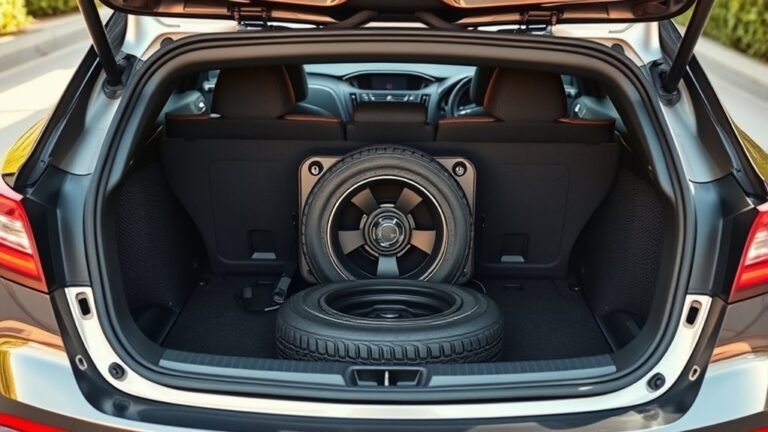
Run-flat tires have reinforced sidewalls that support the vehicle even when deflated, allowing you to drive temporarily after a puncture. Regular tires rely only on air pressure and require immediate repair or replacement. Run-flats improve safety and convenience but may offer a firmer ride and cost more to replace.