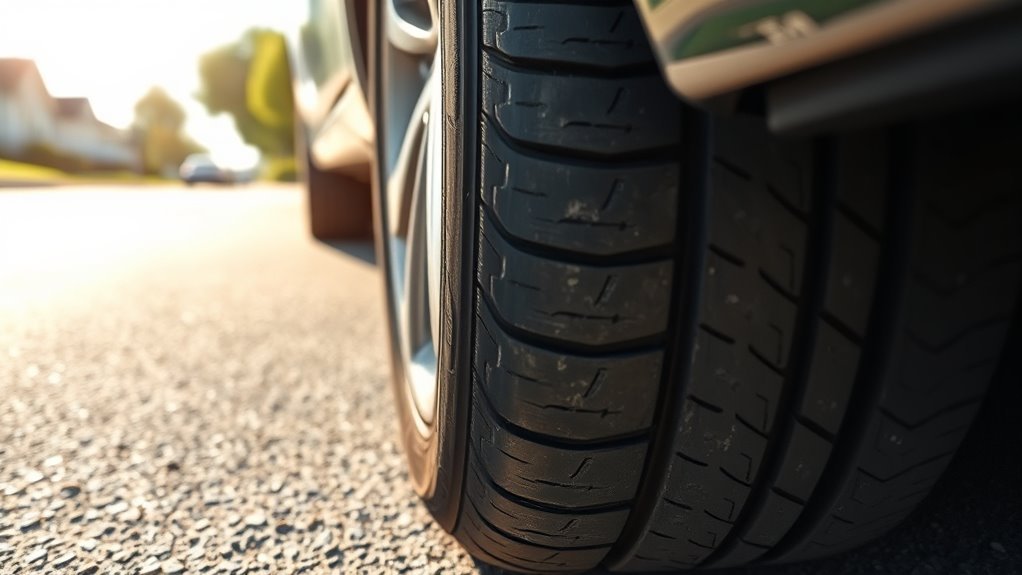
How Long Do Car Tires Last? Mileage, Age Limits, and 7 Replacement Signs
Car tires usually last between 25,000 and 50,000 miles. This depends on the tire type and how you drive. Aggressive driving or poor road conditions can reduce tire life.
Age also matters. Even if you don’t drive much, tires degrade over time. Rubber and internal materials break down, which can affect safety. Most experts recommend replacing tires every six years, regardless of mileage.
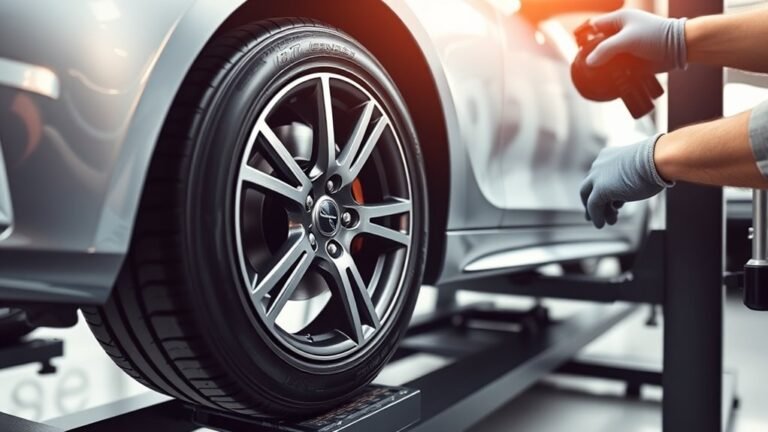
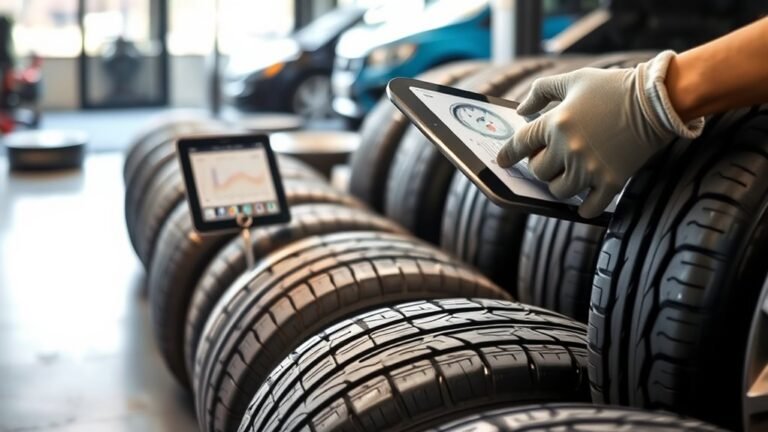
Look for signs that show it’s time to replace your tires. Check tread depth, cracks, bulges, punctures, and uneven wear.
Weather and storage conditions can also shorten tire lifespan. Knowing these factors helps you keep your tires safe and reliable.
How Long Do Car Tires Usually Last by Mileage
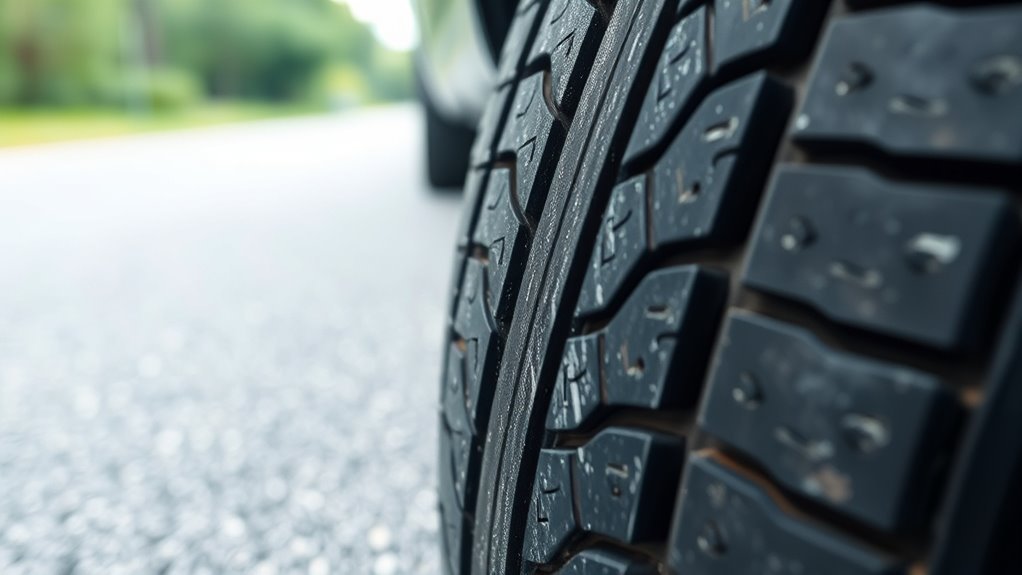
Car tires usually last between 25,000 and 50,000 miles. Tire lifespan depends on tire type, driving habits, road conditions, and maintenance. Performance tires wear out faster, while touring or all-season tires last longer. Monitoring tread depth and tire condition is essential for safety.
Car tires last 25,000 to 50,000 miles, depending on type, driving habits, road conditions, and maintenance.
Tire type strongly affects mileage. Performance tires often reach around 25,000 miles before needing replacement. Touring and all-season tires typically last up to 50,000 miles or more. Manufacturers provide mileage warranties that serve as guidelines, not guarantees.
Driving habits influence tire wear. Aggressive acceleration, hard braking, and sharp cornering accelerate tread wear. Calm, steady driving helps extend tire life. Road conditions also matter; rough or uneven surfaces cause faster wear compared to smooth roads.
Maintenance practices impact tire longevity. Regular tire rotations, maintaining proper inflation, and wheel alignment help maximize mileage. Neglecting these steps leads to uneven wear and early tire replacement.
Summary of factors affecting tire mileage:
- Tire type: Performance (≈25,000 miles), Touring/All-season (up to 50,000+ miles)
- Driving style: Aggressive vs. steady driving
- Road surface: Rough vs. smooth roads
- Maintenance: Rotations, inflation, alignment
Always inspect tires for tread depth and overall condition regardless of mileage to ensure safety and optimal performance. Mileage estimates provide a general idea but do not replace routine inspections.
Why Tire Age Affects Safety Even With Low Mileage
Tire age affects safety because rubber and internal materials degrade over time, regardless of mileage. Aging reduces tire strength and flexibility, increasing the risk of failure. Exposure to oxygen, ozone, and UV light causes chemical changes that weaken the tire’s structure even if it is rarely used.
Rubber compounds deteriorate through oxidation, leading to hardening and cracking. UV radiation breaks down rubber polymers, further reducing elasticity. Tires lose flexibility, which lowers their ability to absorb shocks from road impacts.
Internal components such as steel belts and fabric plies also degrade. Steel belts may corrode, and fabric layers can delaminate. These changes compromise the tire’s overall integrity and increase the chance of sudden blowouts.
Environmental conditions and storage influence the aging process. Heat, humidity, and direct sunlight accelerate material breakdown. Poor storage can speed up dry rot formation, causing brittleness and structural weakness.
Key factors in tire aging and safety risk:
- Oxidation hardens rubber and causes cracks
- UV radiation breaks down rubber molecules
- Loss of flexibility reduces shock absorption
- Corrosion weakens internal steel belts
- Dry rot causes brittleness and structural damage
How Tread Depth Influences Tire Safety and Lifespan
Tread depth measures the height of the grooves on a tire’s surface. It directly affects tire safety and lifespan by influencing traction, water evacuation, and wear rate. Maintaining adequate tread depth ensures better grip and safer driving conditions, especially on wet roads.
Deeper tread channels water away from the tire’s contact patch, reducing hydroplaning risk. Tires with worn tread lose this ability, increasing the chance of slipping on wet or slippery surfaces. Reduced tread depth also lengthens stopping distances, which can compromise vehicle control and safety.
Tread depth serves as a practical indicator of tire condition. Drivers can monitor tread wear using a tread depth gauge or by checking tread wear indicators embedded in the tire grooves. When tread depth falls below recommended limits (typically 2/32 inch), tires require replacement to maintain safe performance.
Worn tires experience faster wear and are more vulnerable to damage from road hazards like potholes and debris. Proper tread depth monitoring supports timely maintenance, extending tire life and preserving safety.
Key points on tread depth and tire safety:
- Deeper tread improves traction and water evacuation
- Reduced tread increases hydroplaning risk and stopping distances
- Tread wear indicates when to replace tires
- Insufficient tread leads to faster wear and higher damage risk
- Regular tread checks maintain safety and extend tire lifespan
7 Clear Signs Your Car Tires Need Replacing
Tires display specific indicators when they require replacement, such as tread wear indicators becoming flush with the tread surface. Visible damage, including cracks, bulges, or punctures, also signals the need for new tires. Recognizing these signs is essential for maintaining vehicle safety and performance.
Tread Wear Indicators
Tread wear indicators show when a tire’s tread depth is too low and the tire needs replacement. These small raised bars are molded into the tire grooves. When the tread wears down to the level of the indicators, the tire loses traction, especially on wet roads.
Tread wear indicators have these features:
- Positioned evenly across the tread to monitor wear uniformly
- Become level with the tread surface at the minimum safe depth
- Appear when tread depth reaches about 2/32 inch (1.6 mm)
- Visible without any tools or equipment
- Mark the legal limit for tire use in many areas
Checking tread wear indicators helps drivers replace tires on time and maintain vehicle safety.
Visible Tire Damage
Visible tire damage clearly indicates when a tire needs replacement. Cracks, bulges, cuts, punctures, and uneven wear affect tire safety and performance. Identifying these issues early helps prevent accidents and costly repairs.
Cracks and bulges on the tire sidewall weaken the tire structure. Sidewall deformities or splits require immediate tire replacement to avoid sudden failure.
Cuts and punctures occur when sharp objects penetrate the tire. The need for replacement depends on the damage location and size. Small punctures in the tread area may be repairable, but sidewall damage usually means replacement.
Uneven tread wear signals potential alignment or suspension problems. Tires with irregular wear patterns should be inspected and possibly replaced to ensure safe driving.
| Damage Type | Description | Replacement Necessity |
|---|---|---|
| Cracks/Bulges | Sidewall deformities or splits | Immediate replacement |
| Cuts/Punctures | Penetrations or sharp damage | Replace if severe or sidewall |
| Uneven Wear | Irregular tread wear patterns | Inspect and consider replacement |
Regular tire inspections for visible damage improve safety and extend tire life. Check tires frequently for signs of wear or damage.
How Your Driving Habits Affect Tire Wear
Driving habits directly affect tire wear and lifespan. Aggressive actions like rapid acceleration, hard braking, and sharp cornering increase tire degradation. High speeds cause heat buildup that weakens tire materials. Smooth, controlled driving reduces uneven wear and extends tire life.
Aggressive driving shortens tire durability by stressing tread and sidewalls. Frequent abrupt maneuvers create uneven tread wear. Hard braking causes flat spots and premature replacement. Improper cornering places extra load on tire edges, accelerating wear.
Common driving behaviors that increase tire wear:
- Rapid acceleration and sudden stops
- Excessive speeding over long distances
- Frequent sharp turns and aggressive cornering
- Overloading the vehicle beyond tire capacity
- Driving harshly on rough or uneven surfaces
Adjusting driving habits to avoid abrupt maneuvers and maintain steady speeds helps tires last longer. Proper load management and smooth cornering also reduce strain on tires. Regularly monitoring tire condition supports longer tire life.
How Weather and Storage Affect Tire Lifespan
Weather conditions and storage environments considerably influence tire longevity. Extreme temperatures can accelerate rubber degradation, while high humidity contributes to aging. Proper storage, including controlled temperature and moisture levels, helps preserve tire integrity over time.
Temperature Extremes Impact
Temperature extremes affect tire durability and safety by accelerating rubber aging, causing cracks, and altering pressure. High heat speeds up rubber breakdown and reduces elasticity. Cold temperatures make tires brittle and increase cracking risk. Fluctuations in temperature cause pressure changes that affect tire wear and traction.
High heat exposure accelerates rubber degradation. Heat breaks down the tire’s compounds, leading to cracks and loss of flexibility. This weakens the tire’s overall structure and shortens its lifespan.
Cold climates cause tires to become brittle. Cold temperatures increase the risk of sidewall cracking and make tires more vulnerable to damage from impacts or rough surfaces.
Temperature swings cause tire pressure to vary. Pressure changes lead to uneven tire wear and can reduce safety by affecting vehicle handling and braking performance.
Tire traction decreases in temperature extremes. Both hot and cold conditions can reduce grip, increasing stopping distances and lowering driving stability.
Repeated thermal cycling can weaken tire structure. Expanding and contracting rubber from temperature changes may cause internal damage over time.
Summary of temperature impacts on tires:
- Heat accelerates rubber aging and flexibility loss
- Cold increases brittleness and cracking risk
- Pressure variations cause uneven wear
- Traction performance drops in extreme temperatures
- Thermal cycling may weaken tire structure
Proper tire storage and usage reduce temperature-related damage and help maintain tire integrity.
Humidity and Tire Aging
Humidity affects tire aging by influencing the chemical stability and durability of rubber. High humidity speeds up oxidation and hydrolysis, breaking down tire compounds and weakening the rubber. Low humidity can cause rubber to dry out and crack. Fluctuating humidity stresses tires through expansion and contraction cycles.
High humidity accelerates tire aging by increasing oxidation and hydrolysis reactions in the rubber. These chemical processes degrade the rubber matrix, leading to cracks and reduced elasticity. Tires in humid environments often develop surface damage and lose flexibility faster than those kept in moderate humidity.
Dry conditions cause rubber to lose moisture, making it brittle. Brittle rubber is more likely to crack under stress, reducing tire lifespan. Tires stored or used in very dry climates can show signs of aging similar to those in humid settings, but through different mechanisms.
Changes in humidity cause repeated expansion and contraction of tire materials. This mechanical stress weakens tire structure over time, contributing to premature failure. Tires exposed to large humidity fluctuations experience more rapid aging than those in stable environments.
Summary of humidity effects on tire aging:
- High humidity: speeds oxidation and hydrolysis → cracks, loss of elasticity
- Low humidity: causes brittleness → cracking risk
- Humidity fluctuations: induce expansion/contraction cycles → structural stress
- Consistent moderate humidity: slows aging, extends tire life
Considering local climate humidity is crucial when assessing tire condition and replacement timing.
Proper Storage Conditions
Proper storage conditions extend tire life by reducing damage from heat, sunlight, moisture, and ozone. Controlled environments preserve tire structure and prevent cracking, dry rot, and hardening. Following specific storage guidelines helps maintain safety and usability.
Tires should be stored in cool, dry places away from direct sunlight and heat sources. Excessive heat and UV rays accelerate rubber breakdown and aging.
Store tires vertically or hang them to avoid deformation. Laying tires flat for long periods can cause flat spots and shape changes.
Avoid placing tires near ozone-producing equipment like electric motors. Ozone causes rubber to crack and weaken over time.
Use airtight plastic bags to limit oxygen exposure. Oxygen accelerates oxidation, which damages tire compounds.
Keep the storage area clean and free from chemicals that can harm rubber. Solvents, oils, and other substances can degrade tire material.
Key factors for proper tire storage:
- Cool, dry environment away from sunlight and heat
- Vertical or hanging storage to prevent deformation
- Distance from ozone-generating devices
- Airtight plastic bags to reduce oxygen contact
- Clean area without chemical contaminants
Following these steps preserves tire performance and safety during storage.
How to Choose Replacement Car Tires for Maximum Longevity
Choosing replacement tires for maximum longevity means matching the tires to your vehicle’s specifications and driving conditions. Proper size, load rating, and speed rating ensure the tires fit and perform correctly. Selecting tires suited for your typical driving environment also helps extend tire life.
Vehicle specifications dictate the correct tire size, load capacity, and speed rating. Always check the manufacturer’s recommendations found in the owner’s manual or on the tire placard inside the driver’s door. Using tires outside these specs can cause uneven wear and reduce durability.
Check your vehicle’s manual or door placard for tire size, load, and speed ratings to ensure proper fit and wear.
Driving conditions influence tire choice. All-season tires suit moderate climates and varied conditions. Summer tires perform best in warm, dry weather but wear faster in cold conditions. Winter tires improve safety and wear resistance on snow and ice but degrade quickly in warm weather.
Tire materials and tread design affect longevity. Tires with harder rubber compounds typically last longer but may reduce grip. Tread patterns designed for even wear help extend tire life. Look for tires with mileage warranties, which indicate tested durability.
Regular maintenance impacts tire lifespan. Proper wheel alignment and balancing prevent uneven tread wear. Rotating tires at recommended intervals ensures even wear across all tires. Monitoring tire pressure avoids premature wear caused by over- or under-inflation.
Consult professional tire dealers or mechanics for advice tailored to your vehicle and driving habits. Review manufacturer information and tire test results to compare options. Choosing tires matched to your vehicle and usage patterns maximizes service life and reduces the chance of premature wear.
Summary of key points for tire longevity:
- Match tire size, load, and speed ratings to vehicle specs
- Choose tires designed for your climate and driving conditions
- Select tires with durable rubber compounds and tread patterns
- Consider mileage warranties as durability indicators
- Maintain proper alignment, balancing, rotation, and inflation
- Seek expert advice and review manufacturer data before buying
Frequently Asked Questions
Can Tire Pressure Impact How Long Tires Last?
Tire pressure directly affects how long tires last. Underinflated tires create more friction and heat, causing faster tread wear and potential failure. Overinflated tires wear unevenly and may reduce traction. Keeping tires at the recommended pressure ensures even wear, better fuel efficiency, and improved safety, which extends tire life. Regularly checking and adjusting tire pressure is key to maximizing tire durability and performance.
Do Tire Brands Differ in Durability?
Do tire brands differ in durability?
Yes, premium tire brands often use advanced materials and research to create longer-lasting tires, while budget brands may wear out faster. However, durability also depends on driving habits and maintenance, so brand reputation is not the only factor affecting tire lifespan.
How Often Should Tires Be Rotated?
Tires should be rotated every 5,000 to 7,500 miles to ensure even wear and prolong their lifespan. This schedule often aligns with oil changes for convenience. Rotation frequency may vary based on vehicle type, tire design, and driving conditions. Always follow manufacturer guidelines and perform regular tire inspections for optimal performance and safety.
Are Run-Flat Tires Less Durable?
Are run-flat tires less durable?
Yes, run-flat tires are generally less durable than conventional tires. Their reinforced sidewalls reduce flexibility, causing increased wear and a stiffer ride. While they provide safety benefits by allowing continued driving after a puncture, their longevity is often shorter, especially under harsh driving conditions.
Can Alignment Issues Shorten Tire Lifespan?
Can alignment issues shorten tire lifespan?
Yes, alignment issues cause uneven tire wear, leading to faster deterioration and reduced tire life.
How does misalignment affect tires?
Misalignment creates uneven tread wear, decreasing traction and safety while requiring earlier tire replacement.
Why is proper alignment important?
Proper alignment ensures even road contact, maximizing tire durability, performance, and handling.
How often should alignment be checked?
Regular alignment checks prevent costly tire damage and help extend tire lifespan.