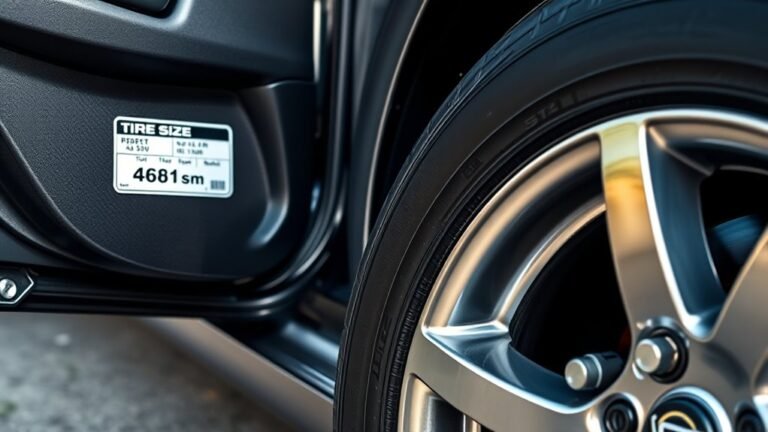
What Do the Numbers on Car Tires Mean? Complete Sidewall Code Guide
The numbers on car tires provide important information about the tire’s size and fit. They show the tire width, aspect ratio, and rim diameter. These details help ensure the tire matches your vehicle’s specifications.
Tire sidewalls also display codes about construction type, load capacity, and maximum speed. This information is crucial for safety and performance.
You can also find date codes that indicate when the tire was made. This helps track the tire’s age.
Other ratings include traction, temperature, and treadwear. These guide you in choosing the right tire for your driving needs.
Understanding these numbers helps prevent unsafe conditions and premature tire wear. It also supports better tire care and selection.
How to Read the Tire Size Code
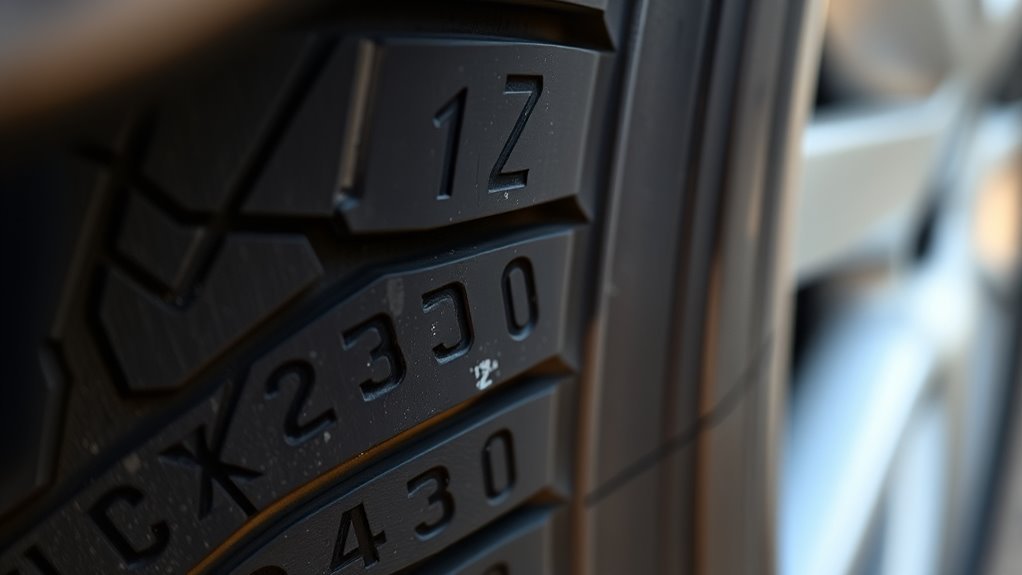
Tire size codes provide specific information about a tire’s dimensions and construction. Each part of the code corresponds to a key measurement or feature. Understanding the code helps identify the correct tire for a vehicle.
The first part of the tire size code is a letter indicating the tire type. Common letters include:
- P: Passenger vehicle tire
- LT: Light truck tire
After the letter, a three-digit number shows the tire width in millimeters. This number measures the tire’s cross-section from sidewall to sidewall.
A slash (/) follows the width and separates it from the aspect ratio. The aspect ratio is a two-digit number representing the sidewall height as a percentage of the tire’s width. For example, an aspect ratio of 70 means the sidewall height is 70% of the width.
The next letter usually is R, which stands for radial construction. Radial tires have layers running perpendicular to the direction of travel.
The last number in the code indicates the wheel diameter in inches. This number tells you the size of the rim that fits the tire.
Example:
P215/70R15 means:
- P: Passenger tire
- 215: Width of 215 mm
- 70: Sidewall height is 70% of 215 mm
- R: Radial tire
- 15: Fits a 15-inch wheel
Reading tire size codes lets you match tires to your vehicle’s specifications accurately.
Why Load Index and Speed Ratings Matter for Safety
Load index and speed ratings define a tire’s maximum weight capacity and safe speed limit. These ratings are critical for vehicle safety, performance, and tire durability. Using tires that meet or exceed the vehicle’s specifications prevents failures and ensures stable handling.
Load index and speed ratings ensure tire safety, durability, and optimal vehicle performance by defining weight and speed limits.
The load index specifies the maximum weight each tire can carry. Exceeding this limit risks tire damage and failure. The speed rating indicates the highest speed a tire can maintain without losing performance or structural integrity. Driving above this speed can cause overheating and tire wear.
Key reasons to follow load index and speed ratings include:
- Matching tires to vehicle requirements for optimal function
- Avoiding tire overheating and premature wear caused by excess load or speed
- Preserving vehicle control and stability across driving conditions
Adhering to these ratings protects passengers by reducing accident risks and extends tire life by preventing stress-related damage. Check tire markings and vehicle manuals to ensure proper selection.
Decoding Tire Sidewall Construction and Material Codes
Tire sidewall codes reveal key information about tire construction and materials. These codes show the tire’s ply type, reinforcement style, and materials used, which influence tire strength, flexibility, and performance.
The most common construction code is “R,” indicating radial construction. Radial tires have layers running perpendicular to the tread and are standard for passenger vehicles. The code “B” denotes bias-ply construction, which has layers at an angle and is less common today. The letter “P” identifies passenger tires.
Material codes specify the types of fabric or metal used in the tire’s layers. Typical materials include polyester, steel, and nylon. Each material affects durability and handling differently.
| Code | Meaning |
|---|---|
| R | Radial construction |
| B | Bias-ply construction |
| P | Passenger tire |
Understanding these codes helps buyers and technicians select tires that match vehicle needs and driving conditions. Accurate knowledge of sidewall markings ensures safety and optimal tire performance.
Understanding Tire Sidewall Age and Manufacturing Dates
Tire sidewalls display a date code indicating the week and year of manufacture, essential for evaluating tire age. Understanding these codes helps determine if a tire is still safe for use, as rubber degrades over time. Recognizing the importance of tire age can prevent potential safety hazards on the road.
Decoding Tire Date Codes
Tire date codes show the week and year a tire was made. These codes help confirm tire age for safety and maintenance. You find the date code as a four-digit number within the tire’s DOT code on the sidewall.
The four digits break down as follows:
- First two digits: week of manufacture (01 to 52).
- Last two digits: year of manufacture (e.g., 23 means 2023).
Tires made before 2000 may use three-digit codes or different formats. Knowing how to read these numbers helps verify tire freshness and authenticity.
Importance Of Tire Age
Tire age directly affects safety and performance. Tires degrade over time due to chemical breakdown and environmental exposure, even without use. Knowing a tire’s manufacturing date helps assess its condition and reduce accident risk from tire failure.
Tire manufacturers generally recommend replacing tires between six and ten years from the manufacturing date. Checking the date code on the tire sidewall identifies its age. Older tires are more prone to tread separation, cracking, and blowouts.
Tire age and risk levels:
| Tire Age (Years) | Risk Level | Recommended Action |
|---|---|---|
| 0-3 | Low | Regular inspection |
| 4-6 | Moderate | Increased monitoring |
| 7-10 | High | Consider replacement |
| Over 10 | Critical | Replace immediately |
Regularly inspecting tire age prevents accidents caused by tire failure. Use the sidewall code to determine manufacturing date and follow replacement guidelines to maintain safety on the road.
Tire Sidewall Traction, Temperature, and Treadwear Ratings
Traction, temperature, and treadwear ratings on a tire’s sidewall measure key aspects of tire safety and durability. These ratings, part of the Uniform Tire Quality Grading (UTQG) system, help drivers compare tire performance under different conditions.
Traction rating shows how well a tire stops on wet pavement. The grades are AA, A, B, and C, with AA offering the best wet traction. This rating tests the tire’s grip during emergency stops on wet surfaces.
Temperature rating measures a tire’s ability to resist heat buildup at high speeds. The ratings are A, B, or C, with A indicating the highest heat resistance. Proper temperature resistance helps prevent tire failure from overheating.
Treadwear rating estimates a tire’s wear rate compared to a standard reference tire. Higher numbers mean longer expected tread life. For example, a treadwear rating of 400 suggests the tire lasts twice as long as a tire rated 200.
| Rating Type | Grading Scale | What It Measures | Importance |
|---|---|---|---|
| Traction | AA, A, B, C | Wet pavement stopping ability | Safety during wet conditions |
| Temperature | A, B, C | Heat resistance at high speed | Durability and tire integrity |
| Treadwear | Numerical | Relative tread life | Longevity and cost-effectiveness |
Understanding UTQG ratings helps drivers select tires suitable for their driving environment and safety needs. Always match tire ratings to your typical road and weather conditions.
Using Sidewall Codes to Choose the Right Replacement Tires
Sidewall codes on tires provide essential information for selecting the right replacement tires. These codes include tire size, load index, speed rating, and construction type. Matching these codes ensures new tires fit the vehicle properly and maintain safety and performance.
Tire size codes, such as 225/50R17, describe three key dimensions:
- Width (225): The tire’s width in millimeters.
- Aspect ratio (50): The height of the sidewall as a percentage of the width.
- Rim diameter (17): The wheel diameter in inches that the tire fits.
The load index number indicates the maximum weight a tire can support. The speed rating letter shows the highest speed the tire can safely sustain. Both must match or exceed the vehicle manufacturer’s specifications.
Tire construction type, such as “R” for radial, appears in the sidewall code. This affects ride quality and compatibility with the vehicle.
Ignoring sidewall codes risks improper tire fit, unsafe driving conditions, and reduced tire life. Always verify these codes before purchasing replacement tires to ensure proper fitment and performance.
Tire Maintenance Tips Based on Sidewall Information
Proper tire maintenance depends on understanding the information printed on the tire sidewall. This data helps ensure safety and extends tire life by guiding correct care. Key sidewall details include tire size, load index, speed rating, and manufacturing date.
Tire pressure should match the recommended PSI shown on the sidewall. Maintaining correct pressure improves performance and fuel efficiency. Check pressure regularly with a reliable gauge, especially before long trips or when the vehicle is cold.
Tread depth indicates tire grip and safety. Sidewall wear indicators show when tires need replacement. Measure tread depth with a gauge or use built-in indicators to prevent loss of traction and avoid accidents.
The DOT code on the sidewall reveals the manufacturing week and year. Tracking this date helps replace tires before rubber ages, which can cause cracking and failure. Replace tires typically after six years regardless of tread condition.
Summary of key tire maintenance based on sidewall information:
- Tire Pressure: Use PSI from sidewall; check regularly
- Tread Depth: Monitor wear indicators; replace as needed
- DOT Code: Note manufacture date; replace tires after six years
Using sidewall codes enables vehicle owners to maintain tires properly, improving safety and tire longevity.
Frequently Asked Questions
How Do Tire Sidewall Codes Differ Between Winter and Summer Tires?
How do tire sidewall codes differ between winter and summer tires?
Winter tires display the “Three-Peak Mountain Snowflake” (3PMSF) symbol, indicating they meet severe snow service standards. They often have codes for softer rubber compounds and deeper tread patterns. Summer tires lack the 3PMSF symbol and use compound codes optimized for warm weather performance.
Can Sidewall Codes Indicate if a Tire Is Eco-Friendly?
Sidewall codes do not explicitly indicate if a tire is eco-friendly. Some tires may show symbols or letters for low rolling resistance, but these are not standardized or common. Eco-friendliness is usually communicated through marketing or separate certifications, not sidewall markings. Relying only on sidewall codes can be misleading when identifying eco-friendly tires.
Are Tire Sidewall Markings Standardized Worldwide?
Tire sidewall markings are mostly standardized internationally by organizations like the UNECE and North America’s TRA. Some regional variations exist in symbols and units to meet local regulations. Key information such as tire size, load index, and speed rating is consistently displayed worldwide for safety and compatibility.
How Do Sidewall Codes Affect Tire Noise Levels?
How do sidewall codes affect tire noise levels?
Sidewall codes reveal tread pattern, rubber composition, and tire width, all of which impact tire noise. Aggressive tread patterns usually generate louder noise, while specialized rubber compounds and optimized designs help reduce it. Understanding these codes aids in choosing tires that offer a quieter and more comfortable ride.
Do Sidewall Codes Provide Information About Tire Warranty?
Sidewall codes do not provide direct information about a tire’s warranty. They mainly show technical details like tire size, load index, speed rating, and manufacturing data. Warranty information is available in the tire’s documentation or from the manufacturer, not on the sidewall markings.