What PSI Should Car Tires Be? Find the Correct Cold-Tire Pressure
Car tires should be inflated to the correct PSI for safety and performance. The ideal pressure is set by the vehicle manufacturer. You can find this information on a sticker inside the driver’s door or in the owner’s manual.
Always check tire pressure when the tires are cold. This means the car has been parked for at least three hours. Cold tires give a more accurate reading because heat causes air to expand and increase pressure.
Maintaining the right cold tire pressure improves safety, fuel efficiency, and tire life. It also helps your car handle better.
Knowing how temperature and inflation affect your tires helps you keep them in top condition.
Why Is Cold Tire Pressure the Most Accurate Reading?
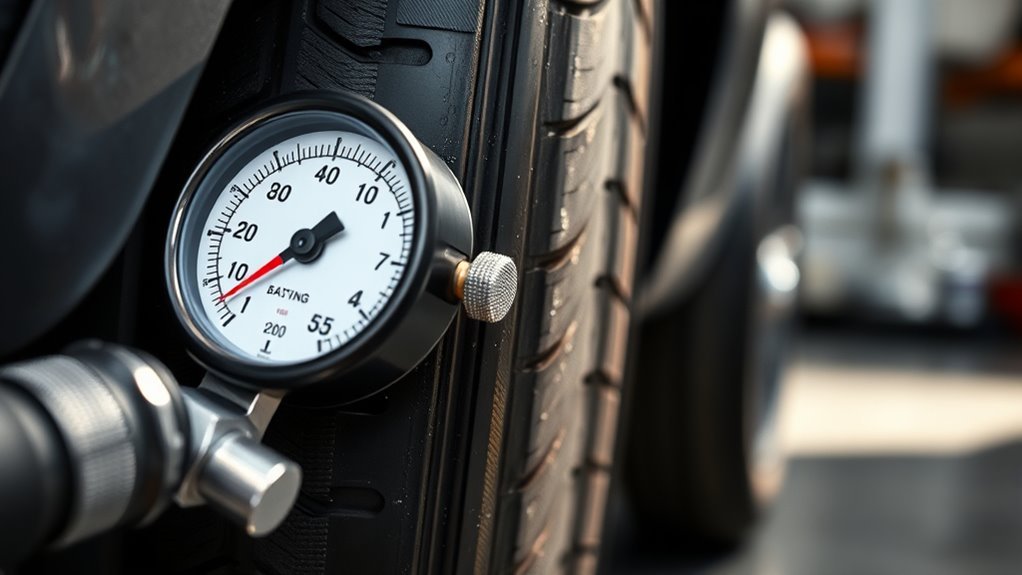
Cold tire pressure gives the most accurate measurement because it reflects the true air pressure inside the tire without the influence of heat. Tires heat up during driving, causing the air inside to expand and increase pressure. Measuring pressure when tires are cold avoids this distortion.
Cold tire pressure provides the true air pressure, unaffected by heat-induced expansion during driving.
When a vehicle has been parked for at least three hours, the air inside the tires cools to ambient temperature. This stabilizes the pressure and prevents heat expansion from affecting the reading. Cold tire pressure shows the actual inflation level, helping drivers maintain the correct PSI.
Measuring pressure on warm tires can cause inflated readings. If air is released to match the recommended PSI based on warm measurements, the tires may end up underinflated when they cool. Underinflation reduces safety, fuel efficiency, and tire lifespan.
Key points about cold tire pressure:
- Tires must be checked after sitting for three hours or more without driving.
- Air temperature inside the tire matches the environment.
- Readings exclude pressure increases caused by heat.
- Adjustments based on cold pressure maintain proper inflation.
- Accurate pressure improves safety, fuel economy, and tire wear.
Following the cold tire pressure standard ensures consistent, reliable measurements for tire maintenance and performance.
How Do You Find the Correct PSI for Your Tires?
The correct tire pressure (PSI) is specified by the vehicle manufacturer and ensures safe driving, fuel efficiency, and tire durability. You can find this recommended PSI in several key locations on your vehicle and in its documentation.
Vehicle manufacturers list the recommended PSI on a sticker inside the driver’s side door jamb. This sticker shows separate values for front and rear tires based on the vehicle’s design and load capacity.
The owner’s manual contains detailed tire pressure specifications tailored to your vehicle model. It explains the ideal PSI range for different driving conditions and loads.
Some vehicles display tire pressure information inside the fuel filler flap or glove compartment. Checking these locations helps confirm the correct PSI for your tires.
Do not use the maximum PSI printed on the tire sidewall as the recommended pressure. That number indicates the tire’s maximum pressure limit, not the optimal operating pressure.
Where to Find Recommended Tire Pressure:
- Driver’s side door jamb sticker
- Vehicle owner’s manual
- Inside fuel filler flap or glove compartment (in some models)
Regularly checking tire pressure against these manufacturer sources maintains proper vehicle handling, safety, and tire lifespan.
How Does Temperature Affect Tire Pressure Throughout the Day?
Tire pressure changes throughout the day due to temperature fluctuations. As temperature rises, air inside tires expands, increasing pressure. When temperatures drop, the air contracts, lowering pressure. On average, tire pressure shifts about 1 psi for every 10°F change in temperature.
Air inside tires follows basic gas laws. Warm air expands, pushing against tire walls and raising pressure. Cooler air contracts, reducing pressure inside the tire. This natural cycle causes lower pressure readings in the morning after cooler overnight temperatures and higher readings in the afternoon after exposure to heat.
Pressure changes impact tire performance and safety. Underinflated tires can reduce fuel efficiency and increase wear. Overinflated tires may cause uneven tread wear and reduce traction. Checking tire pressure when the tires are cold—usually in the morning—gives the most accurate reading.
To maintain proper tire pressure:
- Check tire pressure daily or before long trips.
- Measure pressure in the morning or after the vehicle has been parked for several hours.
- Adjust tire pressure based on the manufacturer’s recommended PSI.
- Remember that temperature swings can cause pressure to vary by about 1 psi per 10°F.
Understanding how temperature affects tire pressure helps drivers keep tires within safe limits, improving safety and tire life, especially in areas with large temperature changes during the day.
What Happens If Your Tire Pressure Is Too High or Too Low?
Improper tire pressure reduces vehicle performance and increases safety risks. Both overinflated and underinflated tires affect traction, fuel efficiency, and handling. Maintaining the recommended tire pressure ensures optimal driving control and tire lifespan.
- Overinflation decreases the tire’s contact area with the road. This lowers traction and causes a harsher ride. Overinflated tires wear unevenly, mainly in the center of the tread.
- Underinflation raises rolling resistance, which lowers fuel efficiency. It also causes the tire sidewalls to flex excessively, generating heat that can damage the tire structure and increase the risk of blowouts.
- Both overinflation and underinflation extend braking distances and reduce vehicle stability. These effects increase the chance of accidents.
Checking and adjusting tire pressure regularly keeps the vehicle safe and efficient.
How Can You Keep Your Tires Properly Inflated for Safety and Efficiency?
Proper tire inflation maintains safety and fuel efficiency. Check pressure monthly and before long trips. Use a reliable gauge on cold tires. Follow the vehicle manufacturer’s recommended PSI, found on the driver’s door or in the owner’s manual. Adjust pressure for seasonal temperature changes and inspect tires regularly for damage or uneven wear.
Steps to keep tires properly inflated:
- Check tire pressure at least once a month and before long trips.
- Use a reliable pressure gauge for accurate readings.
- Measure tire pressure when tires are cold (before driving or after at least three hours of rest).
- Follow the recommended PSI listed on the sticker inside the driver’s door or the owner’s manual.
- Adjust tire pressure during seasonal temperature shifts, as cold air reduces pressure and warm air increases it.
- Inspect tires for cuts, punctures, cracks, or uneven tread wear.
- Rotate tires regularly to promote even wear and extend tire life.
Proper tire maintenance improves vehicle handling, optimizes fuel economy, and increases tire lifespan. Keeping tires inflated to the correct pressure reduces the risk of blowouts and ensures safe driving conditions.
Frequently Asked Questions
Can Tire Pressure Affect Fuel Efficiency?
Can Tire Pressure Affect Fuel Efficiency?
Yes, tire pressure significantly impacts fuel efficiency. Underinflated tires increase rolling resistance, making the engine work harder and use more fuel. Overinflated tires can reduce traction and cause uneven wear. Maintaining the recommended cold-tire pressure optimizes fuel economy by ensuring proper road contact and reducing energy loss.
How Often Should I Check My Tire Pressure?
How often should you check tire pressure?
Experts recommend checking tire pressure at least once a month and before long trips to ensure safety and efficiency. Regular checks maintain optimal performance, prevent uneven wear, and improve fuel economy. Since tire pressure fluctuates with temperature changes, frequent monitoring during seasonal shifts is essential for consistent handling and safety.
Does Tire Pressure Vary Between Tire Brands?
Tire pressure does not significantly vary between brands because the recommended PSI is set by the vehicle manufacturer. Some brands may have unique performance traits that slightly affect ideal pressure. Always check the vehicle’s owner manual or driver’s side door jamb for the correct cold-tire pressure to ensure safety and tire longevity.
Can Overinflated Tires Cause Uneven Wear?
Do overinflated tires cause uneven wear?
Yes, overinflated tires cause uneven wear by concentrating contact on the center tread, leading to faster wear in the middle.
How does overinflation affect tire lifespan and safety?
Uneven wear from overinflation reduces tire lifespan and can negatively impact vehicle handling and safety.
How can I prevent uneven tire wear?
Maintain the recommended tire pressure to ensure even tread wear and optimal performance.
Is It Safe to Drive With a Slow Leak?
Is it safe to drive with a slow tire leak?
No, driving with a slow tire leak is unsafe. It causes gradual air loss, leading to underinflation, poor handling, reduced fuel efficiency, and increased risk of a blowout. Immediate inspection and repair are recommended to ensure safety.