What Maintenance Does a Car Need? Complete Schedule by Time and Mileage
Car maintenance is essential to keep your vehicle running smoothly and safely. Regular service helps prevent breakdowns and costly repairs. It also extends the life of your car.
Key maintenance tasks depend on both time and mileage. For example, oil changes are needed every 3,000 to 7,500 miles or every 3 to 6 months. Tire rotations should happen every 5,000 to 7,500 miles. Air filters typically need replacement between 15,000 and 30,000 miles.
Other important checks include brake inspections once a year or as needed. Transmission fluid and spark plugs require service between 30,000 and 100,000 miles.
Following a clear maintenance schedule ensures your car performs at its best over time.
What Car Maintenance You Need and When
Routine car maintenance ensures your vehicle runs safely and efficiently. Perform maintenance based on time or mileage, following manufacturer guidelines. Key tasks include oil changes, tire rotations, brake checks, air filter replacements, and fluid services at recommended intervals.
Oil Changes
Change engine oil every 3,000 to 7,500 miles or every 3 to 6 months. The exact interval depends on your vehicle’s model and the type of oil used. Regular oil changes prevent engine wear and maintain performance.
Tire Rotations
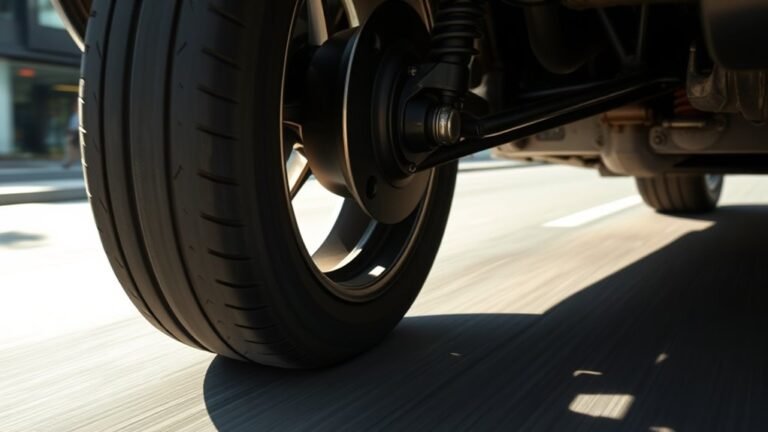
Rotate tires every 5,000 to 7,500 miles. This promotes even tire wear and extends tire lifespan. Regular inspections during rotations help detect damage or uneven wear early.
Brake System Checks
Inspect brakes at least once a year or when you notice symptoms like squeaking or reduced stopping power. Brake evaluations can include pad thickness, rotor condition, and fluid levels.
Air Filter Replacement
Replace air filters every 15,000 to 30,000 miles. Clean air filters improve engine efficiency and fuel economy by ensuring proper airflow.
Transmission Fluid, Coolant, and Spark Plugs
Service transmission fluid, coolant, and spark plugs between 30,000 and 100,000 miles. These components affect engine temperature regulation, power delivery, and ignition. Follow your vehicle’s schedule for exact intervals.
Summary Table of Routine Maintenance Intervals
| Maintenance Task | Mileage Interval | Time Interval |
|---|---|---|
| Oil Change | 3,000 – 7,500 miles | Every 3 – 6 months |
| Tire Rotation | 5,000 – 7,500 miles | As recommended |
| Brake System Check | N/A | At least once a year |
| Air Filter Replacement | 15,000 – 30,000 miles | As recommended |
| Transmission Fluid | 30,000 – 100,000 miles | As recommended |
| Coolant Replacement | 30,000 – 100,000 miles | As recommended |
| Spark Plug Replacement | 30,000 – 100,000 miles | As recommended |
Following these intervals supports vehicle reliability and reduces unexpected repairs. Check your owner’s manual for model-specific guidance.
How to Track Your Car Maintenance Schedule
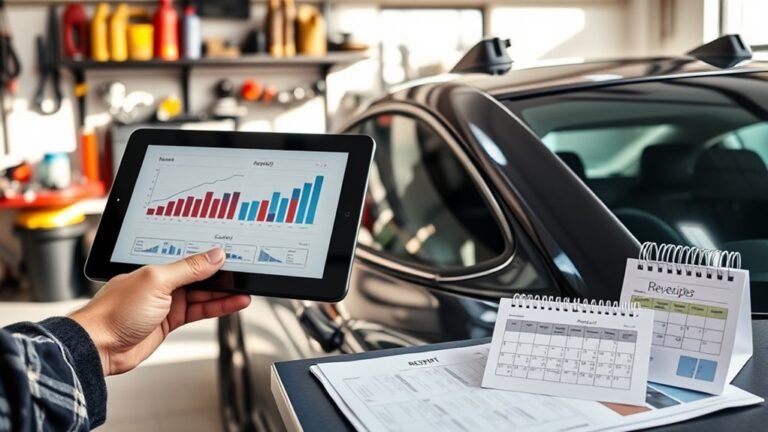
Vehicle owners can track their car maintenance schedules by using organized methods that ensure timely service and prevent missed maintenance. A clear tracking system helps extend the life of the vehicle and maintain its performance.
Digital maintenance apps send reminders based on mileage and time intervals. These apps allow users to log services, set alerts, and receive notifications for upcoming maintenance tasks.
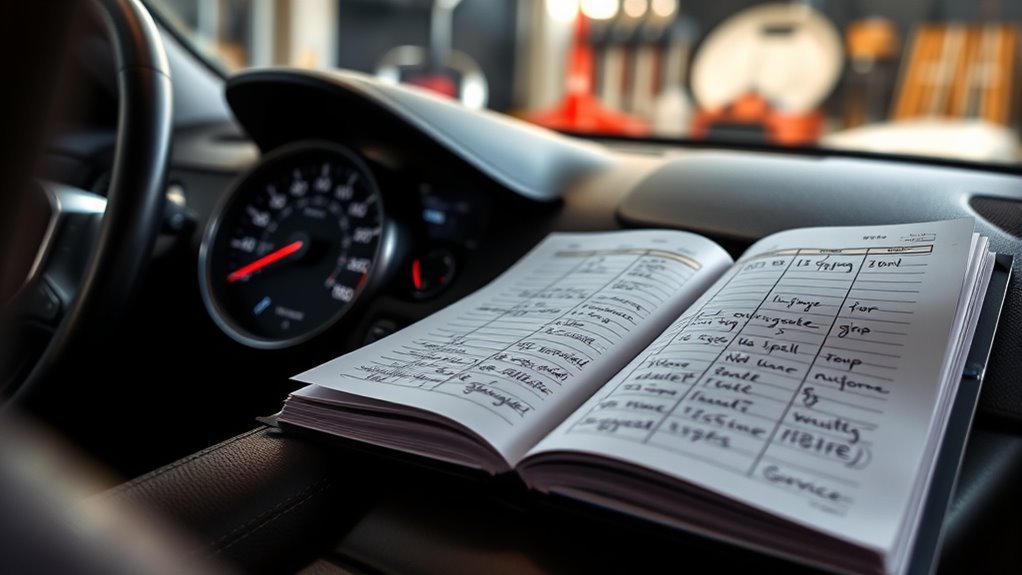
Physical maintenance logbooks provide a written record of service dates, mileage, and details. Keeping a dedicated notebook helps owners review past maintenance and plan future services.
Service stickers placed on the windshield or door frame indicate the next service due date or mileage. These visible reminders help drivers remember when to visit a mechanic.
Manufacturer manuals include recommended maintenance schedules. Following the manual’s guidelines ensures that owners meet manufacturer-recommended service intervals.
Summary of methods to track car maintenance:
| Method | Description | Benefits |
|---|---|---|
| Digital Maintenance Apps | Set reminders based on mileage/time | Automated alerts, easy updates |
| Physical Logbook | Manual recording of service details | Complete history, offline access |
| Service Stickers | Visual indicator of next service | Quick reminders, visible cue |
| Manufacturer’s Manual | Factory-recommended maintenance schedule | Accurate, based on vehicle specs |
Using one or more of these methods helps vehicle owners keep maintenance on schedule, improving safety and vehicle reliability.
Recognizing Urgent Maintenance Warning Signs
Urgent maintenance warning signs indicate immediate vehicle issues that require prompt attention to avoid severe damage and safety risks. Recognizing these signs helps drivers act quickly to prevent costly repairs and maintain vehicle reliability.
Warning lights on the dashboard are key indicators of urgent problems. The check engine light, brake warning light, and oil pressure warning light signal issues that need fast diagnosis and repair. Ignoring these lights can worsen mechanical faults.
Dashboard warning lights like check engine, brake, and oil pressure indicate urgent issues needing prompt diagnosis and repair.
Unusual noises from the engine or brakes often point to failing components. Grinding brakes suggest worn brake pads, while knocking or rattling sounds may indicate engine troubles. Addressing noises early prevents breakdowns and expensive repairs.
Sudden changes in vehicle performance also demand immediate response. Symptoms such as overheating, excessive exhaust smoke, or loss of power indicate serious mechanical failures. These signs require professional inspection to ensure safety and reliability.
Common urgent warning signs include:
- Dashboard warning lights (check engine, brake, oil pressure)
- Grinding or squealing brake noises
- Engine knocking or rattling sounds
- Excessive smoke from exhaust
- Overheating engine or temperature gauge spikes
- Loss of power or sudden performance drop
Ignoring urgent warning signs can lead to major damage and unsafe driving conditions. Vehicle owners should seek professional diagnostics as soon as these symptoms appear to maintain safe operation and avoid costly repairs.
Tips for Long-Term Car Maintenance and Care
Long-term car maintenance means regularly caring for essential parts and scheduling timely services to keep the vehicle reliable and safe. Consistent attention prevents major repairs and supports steady performance and resale value.
Key maintenance tasks include:
- Changing engine oil and filters at recommended intervals to avoid engine wear.
- Checking tire tread and pressure to enhance safety and fuel economy.
- Flushing and maintaining the cooling system to prevent engine overheating.
- Inspecting brake pads, rotors, and fluid to maintain stopping power.
Regular oil changes remove contaminants that damage engine components. Follow the manufacturer’s schedule or service manual for oil type and frequency.
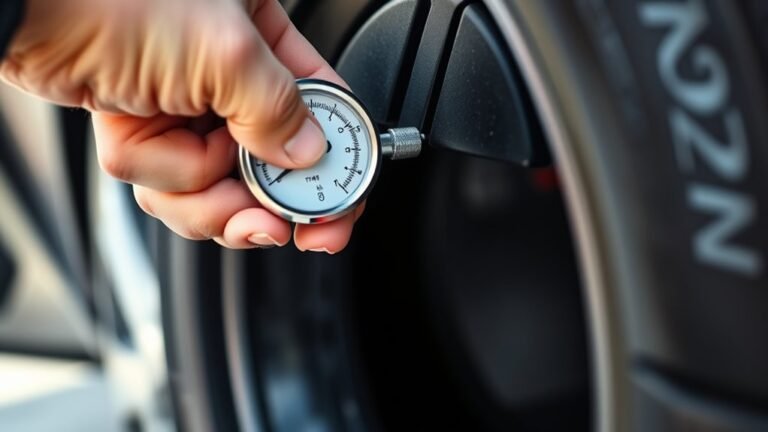
Tire condition affects handling and fuel use. Use a tire pressure gauge monthly and inspect for uneven wear or damage. Rotate tires every 6,000 to 8,000 miles.
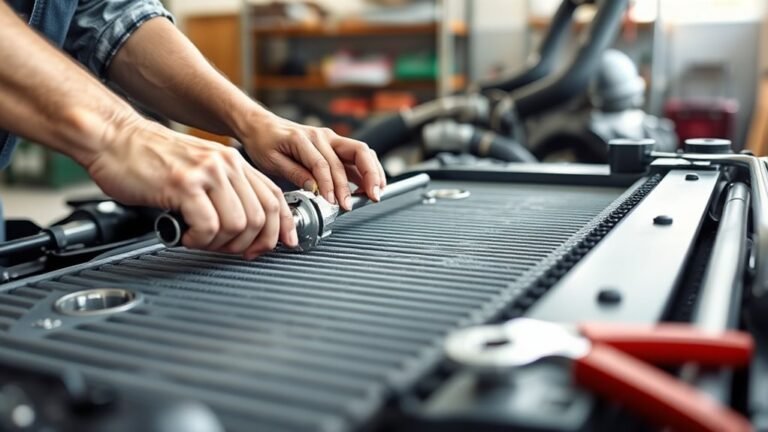
The cooling system circulates coolant to regulate engine temperature. Flush the coolant and check hoses and radiator for leaks or blockages every 2 years or as advised.
Brake components wear with use. Check pads and rotors for thickness and replace brake fluid every 2 years to ensure effective braking response.
Adhering to these maintenance steps reduces breakdown risk and preserves vehicle function over many years. Regular inspections and timely service keep the car safe and efficient.
Combining Time and Mileage: Your Complete Maintenance Guide
Combining time and mileage creates a reliable schedule for vehicle maintenance. Manufacturers set service intervals based on both factors to maintain performance and extend vehicle life. Time-based limits prevent aging-related damage, while mileage-based limits address wear from use.
Manufacturers recommend maintenance intervals using time or mileage, whichever occurs first. For example, engine oil may require changing every 5,000 miles or every six months. Oil degrades chemically over time, even if the vehicle is driven less. Components like brakes wear mainly based on distance traveled.
Using both time and mileage guidelines balances maintenance needs. This approach avoids neglecting service when a vehicle has low mileage but sits unused for months. It also prevents premature wear from heavy use within a short time.
Key benefits of combining time and mileage schedules include:
- Preventing costly repairs by addressing wear and aging
- Maintaining safety through timely inspections and replacements
- Preserving vehicle value by ensuring proper upkeep
Follow the manufacturer’s combined schedule to meet service needs efficiently and protect your vehicle’s condition.
Frequently Asked Questions
Can I Perform Car Maintenance Myself or Should I Hire a Professional?
Car maintenance can be done by individuals with the right skills, tools, and knowledge. Simple tasks like oil changes, tire rotations, and air filter replacements are usually manageable. Complex repairs and diagnostics should be handled by professionals to ensure safety and proper functioning. Choose based on your confidence, experience, time availability, and the risks of incorrect maintenance.
What Are the Costs Associated With Regular Car Maintenance?
What are the typical costs of regular car maintenance?
Regular car maintenance usually costs between $100 and $500 annually for basic services like oil changes, tire rotations, and brake inspections.
How much do major car maintenance procedures cost?
Major services such as timing belt replacement or transmission servicing can range from several hundred dollars to over $1,000.
What factors influence car maintenance costs?
Labor charges and the quality of parts significantly affect maintenance expenses.
Why is budgeting for regular car maintenance important?
Budgeting helps prevent costly repairs and extends the vehicle’s lifespan by ensuring consistent upkeep.
How Does Climate Affect My Car’s Maintenance Needs?
How does climate affect my car’s maintenance needs?
Climate impacts car maintenance by influencing specific care requirements. In cold climates, frequent oil changes and battery checks are necessary to ensure reliable starts. Hot climates require regular coolant flushes and tire inspections due to increased heat stress. Humid or salty environments speed up rust formation, making undercarriage cleaning and protective coatings essential. Tailoring maintenance to the climate helps extend your car’s lifespan and performance.
Are There Specific Maintenance Tips for Electric or Hybrid Vehicles?
Electric and hybrid vehicles need regular battery health checks and coolant replacement for battery cooling. Their brake systems last longer due to regenerative braking but still require inspection. Cabin air filters and tire rotations are essential. Hybrid engines need occasional oil changes, less often than conventional cars. Software updates are important to maintain performance and efficiency. Maintenance focuses on their unique powertrain components.
How Do I Dispose of Used Car Fluids and Parts Responsibly?
Used car fluids and parts should be taken to designated recycling centers or automotive shops that accept hazardous waste. Never pour oil, coolant, or brake fluid down drains or on the ground, as they are toxic. Many communities offer collection events or facilities for safe disposal. Batteries and tires can often be recycled or refurbished to reduce environmental impact and comply with local regulations.