Do Electric Cars Have Spare Tires? EV Alternatives, Limits, and Roadside Options
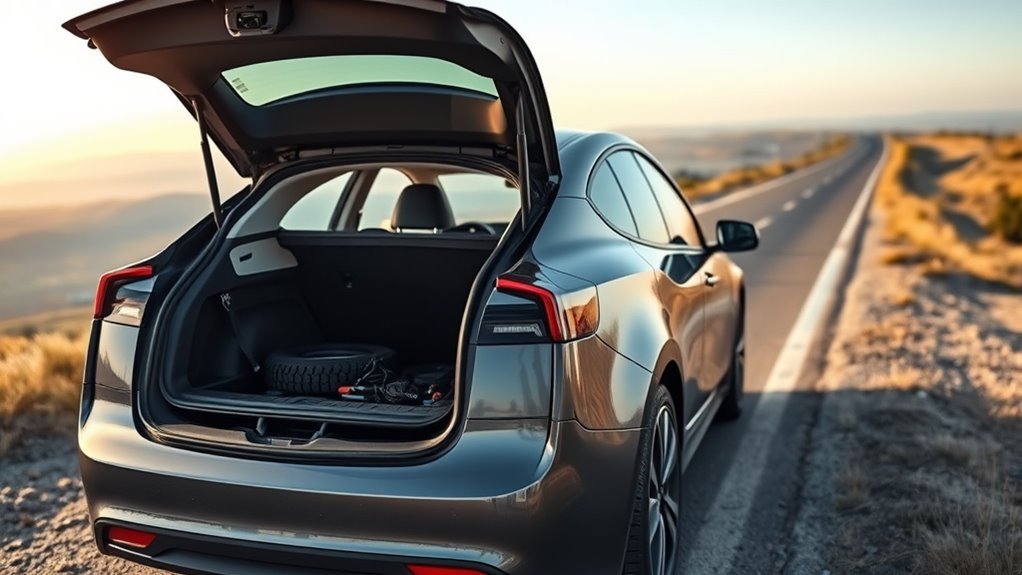
Electric cars usually do not come with traditional spare tires. Their large underfloor battery packs take up much of the space where a spare tire would normally fit. Manufacturers also focus on reducing weight and improving aerodynamics, which leaves little room for extra equipment.
Instead of spare tires, electric vehicles use alternatives. Many have tire repair kits or sealants that can temporarily fix punctures. Some models come with run-flat tires that allow drivers to continue driving for a limited distance after a puncture.
Roadside assistance services play a key role in helping EV drivers. Mobile repair teams can often fix tires on-site without the need for a spare. Knowing these options helps drivers prepare for tire emergencies and maintain optimal vehicle performance.
Why Don’t Electric Cars Have Spare Tires?
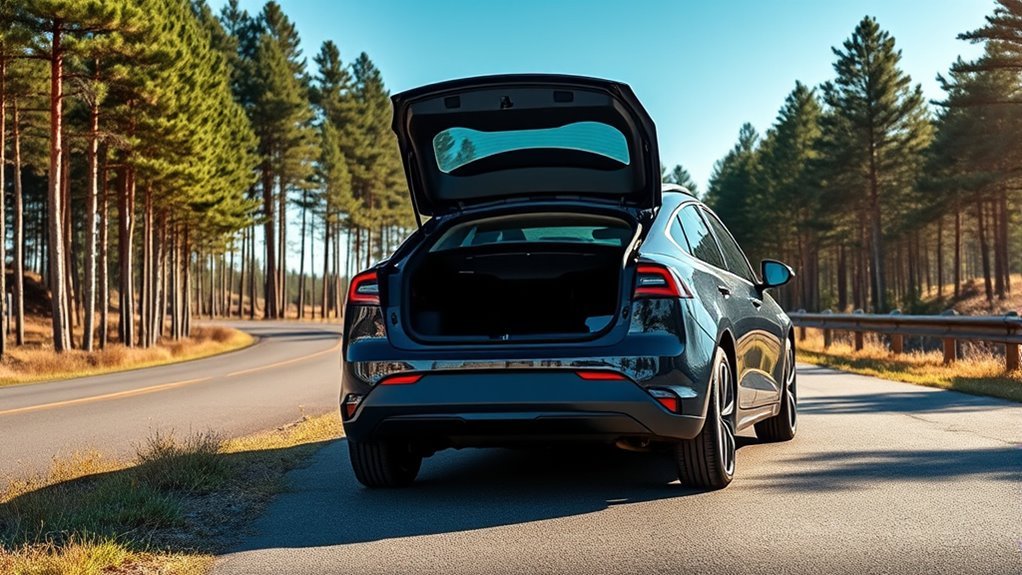
Electric vehicles (EVs) often do not include spare tires to save weight and space. Removing the spare tire reduces overall vehicle weight, which improves driving range and energy efficiency. Large battery packs in EVs occupy much of the undercarriage and trunk space, leaving limited room for a spare tire.
Manufacturers replace spare tires with alternatives such as tire repair kits or run-flat tires. These solutions provide temporary mobility after a puncture without adding bulk or weight. Tire repair kits allow drivers to seal small punctures quickly. Run-flat tires can operate for limited distances after a loss of pressure.
Key reasons why EVs skip spare tires:
- Weight reduction improves battery range
- Battery placement limits storage space
- Repair kits and run-flat tires offer practical puncture solutions
- Reducing unnecessary weight improves energy efficiency and performance
How EV Design Limits Space for Spare Tires
Electric vehicle (EV) designs limit space for spare tires because large battery packs occupy areas normally used for storage. The battery placement under the floor reduces trunk and undercarriage space. Aerodynamic shapes and lightweight materials also restrict room for traditional spare tire compartments, pushing manufacturers to find alternative options.
Battery packs in EVs often sit under the vehicle floor. This positioning takes up the space where spare tires usually fit. For example, the Tesla Model 3 stores its battery pack beneath the cabin floor, eliminating the spare tire well.
Aerodynamic designs reduce trunk depth and volume to improve efficiency. The Nissan Leaf’s smooth shape decreases available storage space, limiting room for a spare tire.
Lightweight materials help lower vehicle weight but limit the allowance for extra components like spare tires. The Chevrolet Bolt EV uses lightweight parts that reduce the vehicle’s capacity to carry additional weight.
Compact drivetrains in EVs free up engine bay space but do not compensate for lost underfloor storage. The Hyundai Kona Electric’s smaller drivetrain still cannot accommodate a traditional spare tire under the hood.
| Design Aspect | Impact on Spare Tire Space | Example |
|---|---|---|
| Battery Pack Location | Occupies underfloor storage area | Tesla Model 3 |
| Aerodynamic Design | Reduces trunk depth and volume | Nissan Leaf |
| Lightweight Materials | Limits weight allowance for extras | Chevrolet Bolt EV |
| Compact Drivetrain | Reduces engine bay storage | Hyundai Kona Electric |
What Are Your Alternatives to Spare Tires in EVs?
Electric vehicle owners handle tire issues without traditional spares by using alternative solutions that save space and reduce weight. These options allow drivers to manage punctures or flats while maintaining vehicle efficiency and safety.
Key alternatives include:
1. Run-Flat Tires
Run-flat tires continue to function after a puncture, letting drivers travel a limited distance to a service center. They have reinforced sidewalls that support the vehicle even with low or no air pressure.
2. Tire Sealants
Tire sealants are liquids that plug small punctures inside the tire without removal. Some sealants come pre-applied in tires, while others are portable kits for emergency use.
3. Roadside Assistance Services
Many electric vehicle manufacturers provide roadside assistance tailored for EVs. These services cover mobile tire repairs or towing to nearby repair shops if the tire cannot be fixed on-site.
| Alternative | Description | Benefit | Limitation |
|---|---|---|---|
| Run-Flat Tires | Reinforced tires that support limited driving post-puncture | Immediate mobility | Limited distance and speed |
| Tire Sealants | Liquids that seal small punctures inside tire | Quick temporary fix | Not suitable for large damage |
| Roadside Assistance | Manufacturer-provided support for tire issues | Professional help available | May involve wait time |
These alternatives help electric vehicle owners manage tire problems effectively while respecting space and weight constraints inherent in EV design.
How Effective Are Tire Repair Kits for Electric Cars?
Tire repair kits provide electric vehicle (EV) owners a quick way to fix small punctures without professional help. These kits include sealant and an air compressor for temporary repairs. They save space and weight, important for EVs, but are not permanent fixes and have limits based on puncture size and location.
Electric vehicle tire repair kits work well for small punctures. The sealant plugs holes, and the compressor reinflates the tire. This combination restores enough air pressure to drive to a repair shop safely. Kits cannot fix large holes or damage to the tire’s sidewall.
Kits are ineffective for large punctures. Holes beyond a few millimeters allow sealant to escape or fail to seal properly. Large punctures require tire replacement or professional patching.
Sidewall damage cannot be repaired with repair kits. The sidewall structure supports the tire and absorbs impact. Sealant and compressors do not restore structural integrity or safety in these cases.
| Aspect | Effectiveness |
|---|---|
| Small Punctures | Effective for sealing and reinflation |
| Large Punctures | Ineffective; cannot seal large holes |
| Sidewall Damage | Not suitable; no structural repair possible |
Should You Use Run-Flat Tires on Your EV?
Run-flat tires allow electric vehicles (EVs) to keep moving temporarily after a puncture, avoiding an immediate stop or roadside assistance. They support the vehicle’s weight even when air pressure is lost, offering safety and convenience for EV drivers.
Run-flat tires weigh more than standard tires. This extra weight can reduce an EV’s driving range by increasing rolling resistance. EV owners should consider this trade-off when choosing run-flats.
Run-flat tires have stiffer sidewalls, which can cause a firmer ride. This firmness may reduce the smooth, quiet driving experience typical of many EVs.
Run-flat tires often cannot be repaired after a puncture. Most manufacturers recommend replacing them, which can increase maintenance costs compared to regular tires.
Summary of run-flat tire considerations for EVs:
| Aspect | Run-Flat Tires | Regular Tires |
|---|---|---|
| Post-Puncture Use | Can drive limited distance without air | Must stop immediately |
| Weight | Heavier, may reduce range | Lighter, better efficiency |
| Ride Comfort | Firmer, stiffer sidewalls | Softer, smoother ride |
| Repair | Usually replaced after puncture | Often repairable |
How to Get Help With Flat Tires on Your Electric Car
Run-flat tires provide limited travel after a puncture, but many electric vehicle (EV) drivers avoid them due to added weight and reduced ride comfort. Most EVs do not carry a spare tire, so roadside assistance is the primary solution for flat tires.
Roadside assistance services offer tire repair, replacement, or towing to repair shops. Many EV manufacturers include roadside assistance in their warranty, ensuring quick response. Mobile tire repair companies can also come to the vehicle’s location for convenience.
Roadside assistance offers quick tire repair, replacement, or towing, with mobile services providing convenient on-site support.
Electric vehicle owners should keep emergency contact numbers accessible. Understanding the limits of tire repair kits provided with EVs helps avoid ineffective attempts at fixing flats alone. Preparing ahead ensures faster and safer resolution of tire problems on the road.
Key points for EV flat tire help:
- Run-flat tires allow short-distance driving after punctures but add weight and reduce comfort.
- Most EVs lack spare tires; roadside assistance is the main support.
- Roadside assistance can repair, replace, or tow the vehicle.
- Many EV warranties include roadside assistance with fast response.
- Mobile tire repair services offer on-site help.
- Carry emergency contact info and know how to use tire repair kits.
- Preparation improves safety and response time during flat tire incidents.
Preparing Your EV for Tire Emergencies: Essential Tips
Electric vehicle (EV) owners can prepare for tire emergencies by taking specific steps that address the unique needs of EV tires. Regular inspections, carrying suitable repair tools, and knowing tire specifications help manage roadside tire problems safely and efficiently.
Regular tire inspections detect wear, damage, and pressure issues early. EV tires often have reinforced sidewalls and unique tread patterns to handle heavier battery weight. Checking for uneven wear or punctures can prevent sudden tire failure.
Carrying a portable air compressor and an EV-compatible tire repair kit enables temporary fixes. Many EVs have limited space, so compact tools designed for EV tires are essential. These tools help maintain tire pressure or patch small holes until professional help arrives.
Understanding the EV’s tire size, load rating, and speed rating is critical. EV tires differ from conventional tires in construction and specifications. Knowing exact tire details ensures correct repair materials and replacement tires are used.
Key preparation steps:
- Conduct routine tire condition checks and monitor pressure with an accurate gauge
- Carry compact tire repair tools suitable for EV tires, including a portable air compressor
- Know your EV’s specific tire size, load index, and speed rating for proper repairs and replacements
Proper preparation reduces reliance on roadside assistance and improves safety during tire emergencies on the road.
How to Choose the Best Tire Solution for Your Electric Vehicle
Selecting the ideal tire solution for an electric vehicle requires evaluating different tire types and their impact on weight and efficiency. Consideration of emergency repair options is also essential for minimizing downtime. Balancing these factors helps determine the most practical and effective approach for EV tire management.
Tire Types Comparison
The best tire type for an electric vehicle (EV) depends on performance, durability, and safety needs. EV tires must handle instant torque and extra battery weight. Common tire types for EVs include all-season, performance, and low rolling resistance tires, each with specific benefits and trade-offs.
All-Season Tires balance handling and comfort across different conditions. They provide moderate grip for acceleration and regenerative braking but may not deliver optimal traction for EV-specific demands.
Performance Tires enhance traction and responsiveness, improving EV handling and acceleration. However, they tend to wear faster due to softer rubber compounds and aggressive tread designs.
Low Rolling Resistance Tires reduce energy loss by minimizing friction with the road. This improves EV driving range but can reduce grip and tire life compared to other types.
| Tire Type | Strengths | Trade-offs |
|---|---|---|
| All-Season | Balanced performance in varied conditions | Moderate grip, less ideal for EV torque |
| Performance | Superior traction and handling | Faster tread wear |
| Low Rolling Resistance | Extended driving range | Lower grip and durability |
Choose EV tires based on your driving style, climate, and priorities between efficiency, performance, and longevity. Proper selection supports safety and maximizes the EV’s capabilities.
Weight and Efficiency
Tire weight affects electric vehicle (EV) efficiency and driving range by increasing unsprung mass, which raises rolling resistance. Heavier tires reduce battery performance and limit overall range. Choosing tires with optimal weight supports better energy use without compromising safety or durability.
Unsprung mass refers to the parts of a vehicle not supported by the suspension, including tires. Higher unsprung mass increases the energy needed to rotate tires and maintain speed. EVs benefit from lighter tires because they reduce this energy loss, extending battery life and driving distance.
| Tire Type | Weight Impact | Efficiency Effect |
|---|---|---|
| Full-Size Spare | High | Reduces range |
| Space-Saver | Moderate | Moderate reduction |
| Run-Flat Tires | Low to Moderate | Minimal reduction |
Run-flat tires offer lower weight and less efficiency loss but may wear faster. Space-saver tires weigh less than full-size spares but limit speed and distance. Full-size spares provide reliability but add weight that decreases EV efficiency.
When selecting tires for an EV, consider the trade-offs between weight, durability, and energy use. Lightweight tires improve efficiency but may compromise longevity. Heavier tires increase safety margins but reduce battery range.
Emergency Repair Options
Emergency tire repair options for electric vehicles focus on balancing weight, convenience, and safety. Carrying a full-size spare tire is often impractical due to space and weight constraints. Drivers can choose from tire sealant kits, run-flat tires, or mobile tire services depending on their needs and travel conditions.
1. Tire Sealant Kits
Tire sealant kits provide a quick, temporary fix for small punctures. These kits inject a liquid sealant into the tire that plugs holes and reinflates the tire enough to drive to a repair shop. They are compact and lightweight but only suitable for minor damage.
2. Run-Flat Tires
Run-flat tires allow a vehicle to continue driving for a limited distance after a puncture without changing the tire immediately. These tires have reinforced sidewalls that support the vehicle’s weight even when the tire loses air pressure. They reduce the need for roadside tire changes but can have a firmer ride and higher cost.
3. Mobile Tire Services
Mobile tire services send professionals to the vehicle’s location to repair or replace tires. This option removes the need for drivers to carry spares or tools. It relies on network coverage and availability but offers convenience and safety, especially in remote areas.
| Option | Advantages | Limitations |
|---|---|---|
| Tire Sealant Kits | Lightweight, quick fix | Only for small punctures |
| Run-Flat Tires | Drive after puncture, no spare | Harsher ride, higher price |
| Mobile Tire Services | No equipment needed, professional | Dependent on service availability |
Electric vehicle owners should evaluate their typical routes, availability of repair services, and vehicle design to select the most practical emergency tire repair method.
Frequently Asked Questions
How Do Tire Types Affect Electric Car Performance and Range?
How do tire types affect electric car performance and range?
Tire types impact electric car efficiency and driving range. Low rolling resistance tires minimize energy loss, boosting range. All-season and performance tires increase rolling resistance, reducing range slightly. Tire weight and tread design also affect handling, noise, and battery use.
Why choose low rolling resistance tires for electric cars?
They reduce energy loss, improve efficiency, and extend driving range.
Do all-season or performance tires reduce electric car range?
Yes, they typically increase rolling resistance, which can slightly decrease range.
How do tire characteristics influence electric vehicle performance?
Tire weight and tread design affect handling, noise levels, and battery consumption.
What factors should be balanced when selecting tires for electric cars?
Grip, comfort, and energy efficiency should be balanced to optimize performance and maximize battery life.
Can Electric Car Tires Wear Out Faster Than Traditional Car Tires?
Electric car tires can wear out up to 20% faster than traditional tires due to heavier battery weight and instant torque. This causes more strain during acceleration and regenerative braking. However, specialized tire technology is improving durability and lifespan for electric vehicles.
Are There Specific Tire Brands Recommended for Electric Vehicles?
Yes, brands like Michelin, Continental, and Bridgestone offer tires specifically designed for electric vehicles. These tires feature low rolling resistance, enhanced durability, and noise reduction to handle EVs’ heavier weight and instant torque. Using EV-specific tires improves efficiency, safety, battery range, and driving comfort compared to standard tires.
How Does Tire Pressure Impact an Ev’s Battery Efficiency?
How does tire pressure affect an electric vehicle’s battery efficiency?
Tire pressure impacts battery efficiency by changing rolling resistance. Properly inflated tires reduce rolling resistance, helping the EV travel farther on a single charge. Underinflated tires increase friction, causing the motor to use more energy and drain the battery faster. Maintaining the recommended tire pressure optimizes energy use and extends driving range.
What Maintenance Tips Extend the Life of EV Tires?
What maintenance tips extend the life of EV tires?
Regularly check tire pressure to ensure even tread wear. Rotate tires periodically to balance wear and extend lifespan. Maintain proper wheel alignment to prevent uneven wear. Avoid harsh braking and sharp turns to reduce tire damage. These practices help preserve tire integrity and improve EV performance.