How Often Should Car Tires Be Rotated? Mileage Intervals and Early-Wear Signs
Car tires should be rotated regularly to ensure even wear and extend their lifespan. Proper rotation helps maintain traction and improves safety on the road.
Knowing when to rotate your tires depends on your vehicle type and driving habits.
Typically, tires on front-wheel drive vehicles need rotation every 5,000 to 7,500 miles. Rear-wheel drive vehicles usually require rotation every 6,000 to 8,000 miles.
Sticking to these intervals helps prevent uneven tire wear and maintains balanced handling.
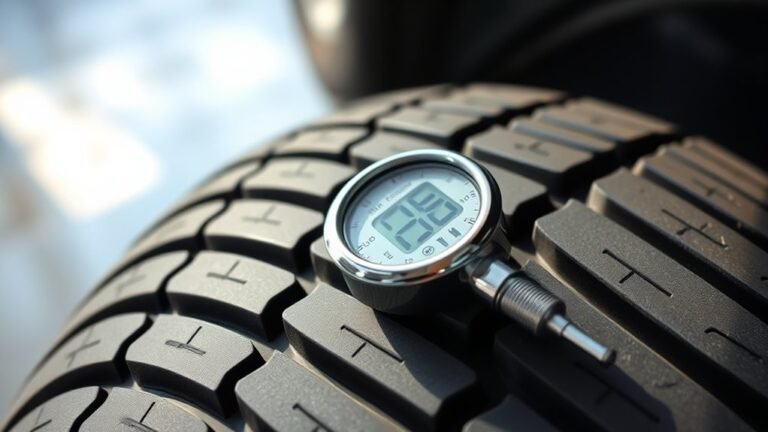
Watch for early signs that indicate a tire rotation is needed. These signs include deeper tread on one side, cupping, or worn edges.
Regularly inspecting your tires can catch these issues early, keeping your vehicle safe and prolonging tire life.
How Often Should You Rotate Car Tires?
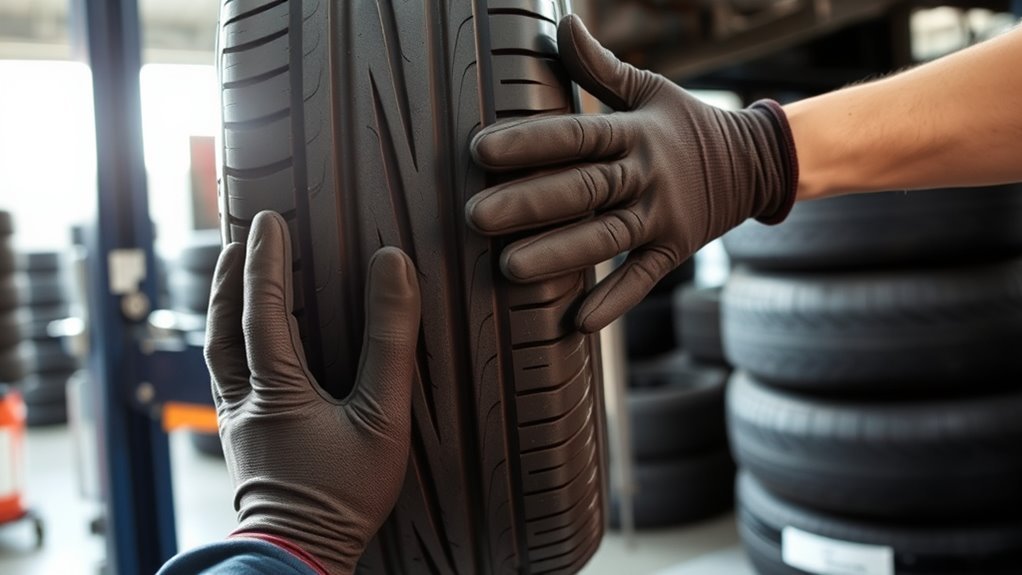
Car tires should be rotated every 5,000 to 8,000 miles to ensure even tread wear and extend tire life. The exact frequency depends on the vehicle type, driving habits, and tire design.
Tire rotation prevents uneven wear by moving tires to different positions on the vehicle. Front-wheel-drive cars usually need more frequent rotation because front tires wear faster. Rear-wheel and all-wheel-drive vehicles can follow the general 5,000 to 8,000-mile guideline.
Driving style affects tire wear. Aggressive acceleration, frequent braking, and heavy loads can cause uneven wear, requiring earlier rotation. Checking tire tread regularly helps identify when rotation is needed to maintain safety and performance.
Rotation patterns vary by vehicle and tire type. Common patterns include front-to-rear, cross, or side-to-side rotations. Always follow the vehicle owner’s manual for recommended rotation intervals and patterns to ensure proper tire maintenance.
Why Rotating Your Car Tires Keeps You Safe
Tire rotation is the process of moving tires from one position on a vehicle to another. This practice ensures that tires wear evenly, which helps maintain consistent traction and vehicle control. Even tread wear reduces the risk of tire failure and extends the lifespan of the tires.
Uneven tire wear decreases traction, leading to poorer handling and higher chances of blowouts. Rotating tires regularly balances wear across all four tires. Balanced wear improves grip on the road and stability during turns or sudden maneuvers. It also helps maintain effective braking performance, lowering accident risk.
The table below summarizes how tire rotation benefits safety and how often it should be done:
| Benefit | Safety Impact | Recommended Frequency |
|---|---|---|
| Even Tread Wear | Maintains consistent traction | Every 5,000 to 8,000 miles |
| Improved Handling | Enhances vehicle control | During each rotation |
| Reduced Blowout Risk | Lowers tire failure chances | Regular tire inspections |
| Extended Tire Life | Keeps tires functional longer | With routine rotations |
Following a tire rotation schedule improves driving safety by ensuring tires perform reliably and last longer.
How Vehicle Type Changes When You Should Rotate Tires
Tire rotation patterns vary depending on the vehicle’s drivetrain. Front-wheel drive vehicles typically require a different rotation method than rear-wheel drive models. All-wheel drive systems have unique considerations to maintain balanced tire wear.
Front-Wheel Drive Patterns
Front-wheel drive (FWD) vehicles place more stress on front tires because they handle both steering and power delivery. This causes front tires to wear faster, requiring specific rotation patterns to maintain even tread wear and extend tire life.
The most common rotation pattern for FWD cars is the forward cross. In this pattern:
- Front tires move straight back to the rear axle.
- Rear tires cross to the opposite front corners.
This pattern balances wear by redistributing load and traction demands between front and rear tires. Regular tire rotations prevent uneven wear, improve safety, and maintain vehicle performance.
Recommended rotation intervals for FWD vehicles range from 5,000 to 7,500 miles. Following this schedule helps ensure consistent traction and prolongs tire lifespan.
Rear-Wheel Drive Needs
Drivetrain configuration affects tire rotation schedules by determining which tires wear faster. Rear-wheel drive (RWD) vehicles put more stress on rear tires because they handle propulsion. This causes uneven wear compared to front tires, requiring a specific rotation pattern to balance tire life.
In RWD vehicles, tire rotation occurs front-to-back on the same side, unlike the diagonal rotation common in front-wheel drive (FWD) cars. This method balances wear between the driving rear tires and the steering front tires. Most manufacturers recommend rotating tires every 6,000 to 8,000 miles.
| Tire Position | Wear Pattern | Rotation Interval | Rotation Pattern | Notes |
|---|---|---|---|---|
| Rear Tires | Higher wear | 6,000-8,000 miles | Move to front, same side | Rear tires handle drive torque |
| Front Tires | Lower wear | 6,000-8,000 miles | Move to rear, same side | Front tires handle steering |
Following this schedule helps maintain even tread wear and extends tire service life on RWD vehicles.
All-Wheel Drive Considerations
All-wheel drive (AWD) vehicles require more frequent tire rotations than front- or rear-wheel drive cars to maintain balanced traction and prevent drivetrain damage. Rotating tires regularly helps ensure even tread wear, which is essential for AWD system performance and longevity.
AWD systems distribute power to all four wheels, creating unique tire wear patterns. Uneven wear can strain the drivetrain and cause mechanical issues. Tire rotation intervals for AWD vehicles typically range from 5,000 to 7,500 miles.
Proper tire rotation patterns for AWD usually involve moving rear tires to the front and crossing the front tires to the rear. This pattern helps maintain even tread wear across all tires.
Following manufacturer tire rotation guidelines is vital. It improves tire life, maintains vehicle handling, and prevents costly repairs related to uneven tire wear or drivetrain stress.
Signs of Uneven Wear That Mean You Need Tire Rotation
Uneven tire wear signals the need for tire rotation. Key signs include deeper tread on one side, cupping or scalloping on the tire surface, bald spots, and excessive edge wear. Recognizing these signs early helps maintain tire performance and safety.
Uneven tire wear, like deeper tread on one side or bald spots, signals it’s time for tire rotation.
Tread wear that is deeper on one side than the other indicates uneven weight distribution or alignment problems. This imbalance causes certain tire areas to wear faster, reducing tire life.
Cupping or scalloping appears as alternating high and low points on the tire surface. This pattern results from suspension issues or lack of tire rotation, leading to vibrations and discomfort while driving.
Bald spots or worn edges instead of center tread suggest improper tire pressure or failure to rotate tires regularly. These wear types compromise traction and can increase the risk of tire failure.
Ignoring uneven wear can shorten tire lifespan, worsen vehicle handling, and increase safety risks. Regular tire rotation redistributes wear evenly, correcting imbalances and extending tire durability.
Summary of uneven wear signs needing tire rotation:
- One-sided tread wear
- Cupping or scalloping patterns
- Bald spots on tread
- Excessive edge wear versus center
Timely tire rotation addresses these issues, preserving tire condition and vehicle safety.
How to Check for Uneven Tire Wear at Home
Uneven tire wear means that some parts of the tire tread are more worn than others. Checking for uneven wear at home helps identify alignment or suspension problems early, improving safety and tire life.
To check for uneven tire wear, follow these steps:
1. Examine Tread Depth
Use a tread depth gauge or a coin to measure tread depth at several points across the tire. Compare the depth on the inner, middle, and outer edges. Uneven depth indicates uneven wear.
2. Look for Bald Spots
Inspect the tire surface for smooth areas where the tread is worn down. Bald spots show irregular wear patterns caused by misalignment or lack of rotation.
3. Inspect Sidewalls
Check the tire sidewalls for cracks, bulges, or cuts. Damage here can weaken the tire and cause uneven wear or failure.
4. Check for Feathering
Run your hand along the tread edges. A rough or sharp texture, called feathering, may indicate tire misalignment or uneven wear.
Regularly inspecting tires helps detect problems early. Early detection allows timely rotation or alignment adjustments, extending tire life and maintaining safe driving conditions.
What Happens If You Don’t Rotate Your Tires?
Failing to rotate tires regularly causes uneven wear, reducing tire life and harming vehicle performance. Tires wear differently depending on their position due to weight distribution and drivetrain factors. Without rotation, some tires wear faster on edges or unevenly, leading to traction loss and handling issues.
Neglecting regular tire rotation leads to uneven wear, shortening tire lifespan and impairing vehicle handling.
Tire wear patterns vary by position. Front tires often wear more on the edges because of steering and braking forces. Rear tires may wear unevenly due to load differences. Uneven wear creates imbalanced traction, increasing the risk of slipping on wet or slippery roads.
Uneven tire wear affects driving comfort and safety. It can cause vibrations, pulling to one side, and unstable handling. These symptoms increase driver fatigue and reduce control during critical maneuvers.
Fuel efficiency declines when tires wear unevenly. Irregular tread contact increases rolling resistance, forcing the engine to use more fuel. Over time, this adds to operating costs.
Ignoring tire rotation speeds up tire replacement. Premature wear means tires need changing sooner, increasing maintenance expenses. Regular rotation distributes wear evenly and prolongs tire life.
Summary:
- Tires wear unevenly due to position and vehicle dynamics.
- Uneven wear reduces traction and handling stability.
- Driving comfort and safety decline with worn tires.
- Fuel consumption rises as tire wear worsens.
- Tire rotation extends tire life and lowers costs.
Regular tire rotation ensures balanced tire wear, maintains vehicle performance, and improves safety on the road.
Frequently Asked Questions
Can Tire Rotation Improve Fuel Efficiency?
Can tire rotation improve fuel efficiency?
Yes, tire rotation promotes even tire wear, reducing rolling resistance and engine strain, which helps improve fuel efficiency.
Why does uneven tire wear affect fuel economy?
Uneven tire wear increases friction, making the engine work harder and consume more fuel.
How often should tires be rotated for optimal fuel efficiency?
Regular tire rotation, typically every 5,000 to 8,000 miles, ensures balanced traction and maintains fuel economy.
What are the additional benefits of tire rotation?
Tire rotation extends tire life, enhances vehicle performance, and lowers maintenance costs.
Are All Tire Rotations the Same for Winter Tires?
Are all tire rotations the same for winter tires?
No, winter tire rotations vary by tire type. Directional tires require front-to-back rotation on the same side, while non-directional tires can be rotated using a cross pattern. Proper rotation ensures even wear and maintains optimal winter traction.
How Long Does a Tire Rotation Typically Take?
A tire rotation typically takes 30 to 45 minutes. The duration depends on the vehicle, number of tires, and technician experience. Additional services like wheel balancing may increase the time. It is a quick maintenance task that helps promote even tire wear and extend tire lifespan.
Can I Rotate Tires Myself or Need a Professional?
Tire rotation requires precision and proper tools. If you have the knowledge and equipment, you can rotate tires yourself. However, professionals ensure safety and correct procedure, reducing the risk of uneven wear or damage. Choose DIY only if confident in your skills; otherwise, seek professional service.
Does Tire Rotation Affect My Vehicle’s Warranty?
Tire rotation does not void a vehicle’s warranty. Regular rotation is recommended to ensure even tire wear and extend tire life. Manufacturers may require proof of routine tire rotation to support warranty claims on tires or suspension parts. Ignoring rotation schedules could affect warranty coverage if uneven wear causes mechanical issues. Always check your vehicle’s warranty for specific guidelines.