Why Is Car Repair So Expensive? Parts, Labor, Diagnostics, and Shop Costs Explained
Car repair can be expensive for several reasons. One major factor is the cost of parts. Prices vary greatly depending on whether you choose original equipment manufacturer (OEM) parts or aftermarket alternatives.
Labor is another significant expense. Skilled technicians spend time diagnosing issues and performing complex repairs. Advanced diagnostic tools and testing add to the overall cost.
Finally, repair shops face overhead costs like rent, utilities, and insurance. These expenses are included in repair prices.
Knowing these factors helps explain why car repairs often cost so much and how you might reduce your expenses.
Why Car Repair Costs Add Up: Parts, Labor, and More
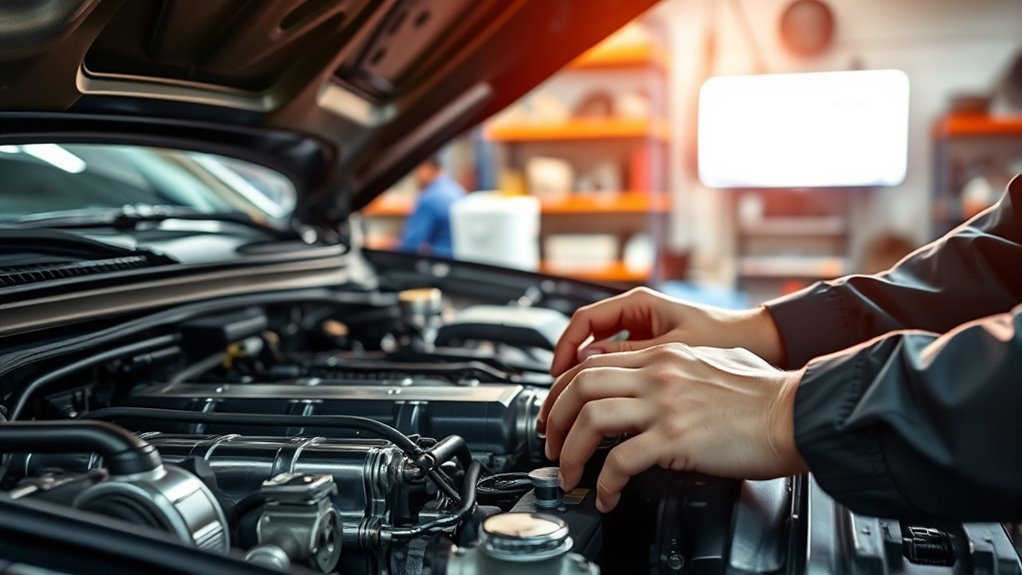
Car repair costs mainly come from parts, labor, and additional fees. Parts differ in price based on their source, while labor depends on the repair complexity. Diagnostic and shop fees also add to the final bill.
Car repair expenses stem from parts, labor complexity, and extra diagnostic and shop fees.
Parts fall into two main categories: Original Equipment Manufacturer (OEM) and aftermarket. OEM parts match the vehicle’s original components but cost more. Aftermarket parts are cheaper but vary in quality. Some cars need rare or specialized parts, which increase expenses.
Labor costs depend on the time and skill needed. Complex repairs take longer and require experienced technicians. Shops charge hourly rates that vary by location and expertise.
Diagnostic fees cover the use of computerized tools to find vehicle problems. Modern cars rely on electronic systems, making diagnostics necessary before repairs.
Shop fees include environmental disposal costs and administrative charges. These fees contribute to the overall price but are often less visible than parts and labor.
Summary of factors affecting car repair costs:
- Parts: OEM vs. aftermarket, specialty components
- Labor: Time required, technician skill, hourly rates
- Diagnostics: Computerized system scans and troubleshooting
- Shop fees: Environmental and administrative charges
Together, these factors explain why car repairs can add up quickly.
Why Skilled Labor Raises Car Repair Costs
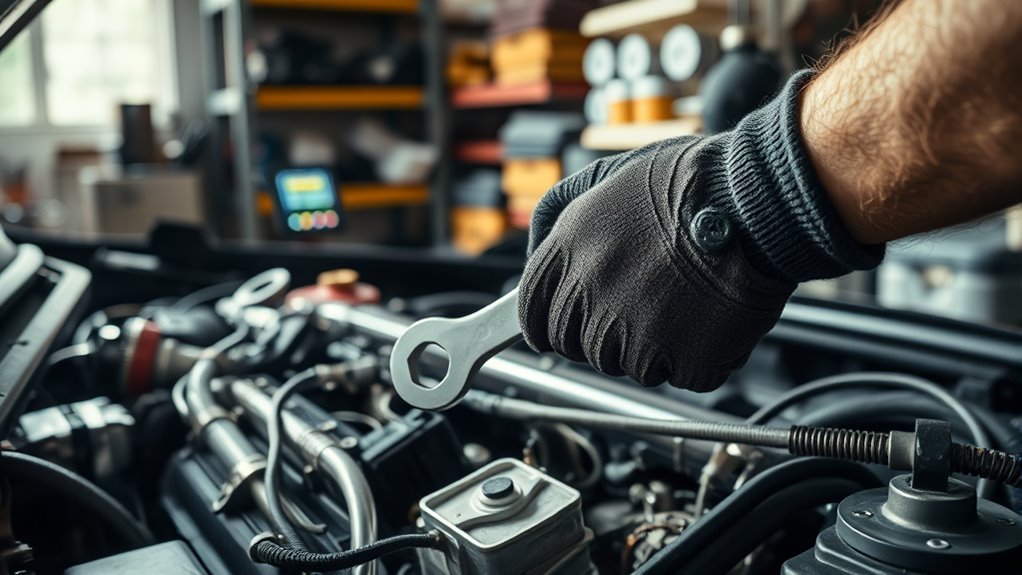
Skilled labor raises car repair costs because experienced technicians earn higher wages. Their expertise in diagnosing problems, using advanced tools, and applying precise repair methods ensures accurate and efficient service. This reduces errors and repeat repairs but increases labor expenses.
Experienced technicians require ongoing training and certifications to keep up with evolving vehicle technologies. Repair shops invest in this education and pass the costs to customers. Skilled mechanics handle complex systems found in modern cars, which demands specialized knowledge and tools.
Key reasons skilled labor affects repair costs:
- Higher wages for trained technicians
- Investment in advanced diagnostic tools
- Continuous education and certification expenses
- Reduced risk of repair mistakes and returns
- Ability to service sophisticated vehicle systems
The higher labor cost reflects the value of professional skills necessary to maintain vehicle safety and performance over time. Customers pay more to ensure durable, reliable repairs by qualified experts.
How Diagnostic Time Increases Your Repair Bill
Diagnostic time increases your repair bill because technicians spend hours finding the root cause of vehicle issues. Diagnosing involves detailed inspections and specialized tools, which require skill and extend labor time. Complex vehicles with hidden or multiple faults add to the diagnostic duration and cost.
Technicians use advanced diagnostic tools and software to scan vehicle systems. They test electrical and mechanical parts thoroughly to identify malfunctioning components. Interpreting error codes and verifying reported symptoms take additional time. Sometimes, technicians conduct test drives and system recalibrations to confirm issues.
Key factors that raise diagnostic time and cost include:
- Use of computerized diagnostic equipment
- In-depth testing of sensors, wiring, and mechanical systems
- Analysis of error codes and symptom verification
- Test drives to replicate problems
- Recalibrating systems after diagnosis
These steps increase the labor hours billed before repairs begin. Customers pay more because diagnosing complex issues requires careful examination and technical expertise.
How Shop Overhead Costs Boost Your Repair Bill
Shop overhead costs are ongoing expenses that auto repair shops incur to stay operational. These costs include facility rent or mortgage, utilities, insurance, equipment upkeep, employee wages beyond direct labor, tools, diagnostic software, training, taxes, and regulatory fees. Overhead is allocated across all repairs, increasing the total bill.
Auto shops pay rent or mortgage for their premises. Utilities like electricity and water also add to monthly expenses. Insurance protects the facility, equipment, and staff from risks. Regular maintenance keeps tools and machines in working order.
Rent, utilities, insurance, and maintenance are essential ongoing costs to keep auto shops running smoothly.
Employee wages cover more than the technicians fixing vehicles. Administrative staff and managers receive salaries that support shop operations. Shops invest in tools and diagnostic software to ensure accurate vehicle assessments. Training programs keep technicians’ skills current with evolving technology.
Shops must comply with tax obligations and regulatory fees. These costs vary by location but are essential for legal operation. Overhead expenses are spread over all repair jobs. As a result, repair bills include a share of these fixed and variable costs, not just labor and parts.
Summary of shop overhead costs:
- Rent or mortgage payments
- Utilities (electricity, water)
- Insurance (property, liability)
- Equipment maintenance
- Employee wages beyond direct labor
- Tools and diagnostic software
- Technician training
- Taxes and regulatory fees
Including overhead ensures the shop can maintain facilities, pay staff, and deliver reliable service. This allocation is part of the final repair price customers pay.
Practical Tips to Lower Your Car Repair Costs
Car repair costs can be lowered by using practical strategies that maintain quality while reducing expenses. Vehicle owners who stay informed and proactive can avoid unnecessary repairs and extend their car’s life.
Regular maintenance prevents major repairs by fixing small problems early. Scheduled oil changes, tire rotations, and brake inspections keep the vehicle running smoothly. Ignoring routine service often leads to costly breakdowns.
Comparing quotes from multiple repair shops helps find competitive prices. Different shops may charge varied rates for the same service. Asking for detailed estimates clarifies labor and parts costs, enabling better decisions.
Aftermarket parts offer affordable alternatives to original equipment manufacturer (OEM) components. Many aftermarket parts meet safety and performance standards. Choosing these parts can reduce expenses without sacrificing reliability.
Learning basic repairs like changing air filters, replacing spark plugs, or swapping windshield wipers saves labor fees. Online tutorials and manuals provide step-by-step instructions. Simple fixes done at home cut down visits to mechanics.
Summary of cost-saving tips:
- Perform regular maintenance on schedule.
- Get multiple repair quotes before deciding.
- Use quality aftermarket parts when possible.
- Handle minor repairs independently.
Using these practical methods can lower car repair bills and keep vehicles in good condition longer.
Frequently Asked Questions
How Often Should I Service My Car to Avoid Expensive Repairs?
How often should I service my car to avoid expensive repairs?
You should service your car every 5,000 to 7,500 miles. Regular maintenance like oil changes, fluid checks, and brake inspections keeps your engine running smoothly and prevents costly breakdowns. Following the manufacturer’s maintenance schedule helps extend your vehicle’s life and save money over time.
Are Extended Warranties Worth the Cost for Car Repairs?
Are extended warranties worth the cost for car repairs?
Extended warranties can be worth it if your car is prone to expensive repairs or you prefer financial protection.
When are extended warranties beneficial?
They are beneficial for vehicles with frequent, costly repairs and for owners seeking peace of mind.
When might extended warranties not be worth it?
For reliable cars with low repair needs, the warranty cost may exceed repair expenses.
What should I consider before buying an extended warranty?
Review coverage details, exclusions, and compare repair cost estimates to determine if the warranty offers good value.
What Are the Most Common Signs My Car Needs Repair?
Common signs your car needs repair include unusual noises, dashboard warning lights, sluggish performance, and strange smells. These symptoms indicate potential issues that should be checked by a mechanic promptly to avoid costly damage. Ignoring such signs can lead to more serious problems.
Can DIY Repairs Save Significant Money on Car Maintenance?
Can DIY repairs save money on car maintenance?
Yes, DIY repairs can save significant money on simple tasks like oil changes, air filter replacements, and brake pad swaps.
Are DIY savings significant for complex car repairs?
No, savings decrease for complex repairs that need specialized tools, knowledge, or diagnostics.
Can DIY repairs cause costly damage?
Yes, mistakes during DIY repairs may lead to expensive damage, offsetting any initial savings.
When should I choose professional car service over DIY?
Professional service is recommended for intricate or safety-critical repairs to ensure proper and safe maintenance.
How Do Electric Vehicle Repair Costs Compare to Gasoline Cars?
Are electric vehicle repair costs higher than gasoline cars?
Electric vehicles typically have lower routine maintenance costs due to fewer moving parts, but repairs on specialized components like battery packs and electric drivetrains can be expensive. Limited technician availability and repair infrastructure may also increase labor costs, making some repairs pricier than those for gasoline cars.