Can You Put EV Tires on a Regular Car? Compatibility, Tradeoffs, and Fitment Checks
You can put EV tires on a regular car if the size, load rating, and fitment match the vehicle’s specifications exactly. Tires must fit properly to ensure safe driving. Size and load capacity are critical factors to check before making any changes.
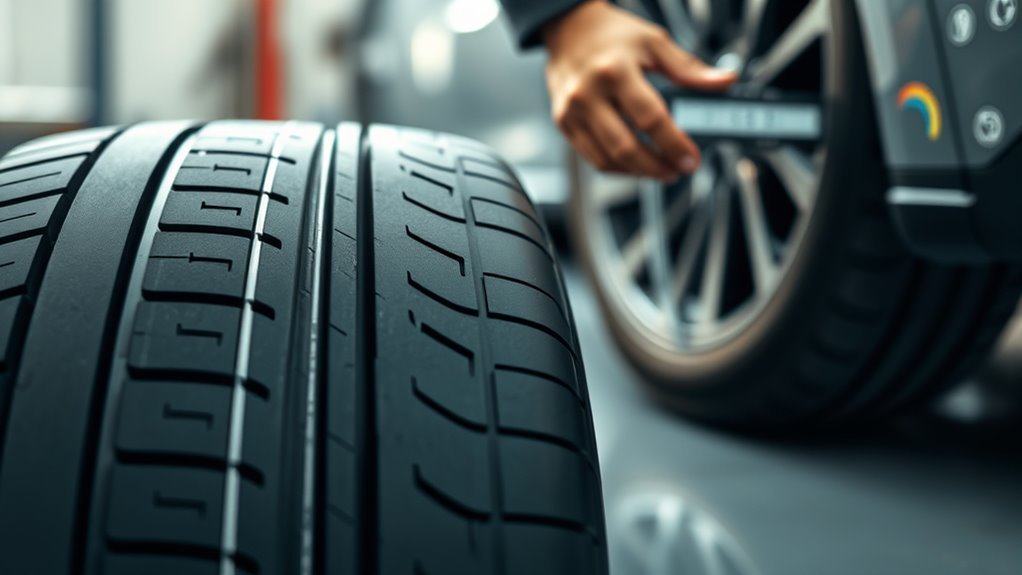
EV tires are designed differently from conventional tires. They have reinforced sidewalls to support heavier EV weight. They also feature lower rolling resistance to improve efficiency.
These design differences can change how the tires handle, wear, and brake on a gas-powered car.
It is important to do physical fit checks and consult with tire experts. This helps avoid safety risks.
Understanding these factors lets you decide if EV tires meet the performance needs of your regular car.
What Makes EV Tires Different From Regular Tires?
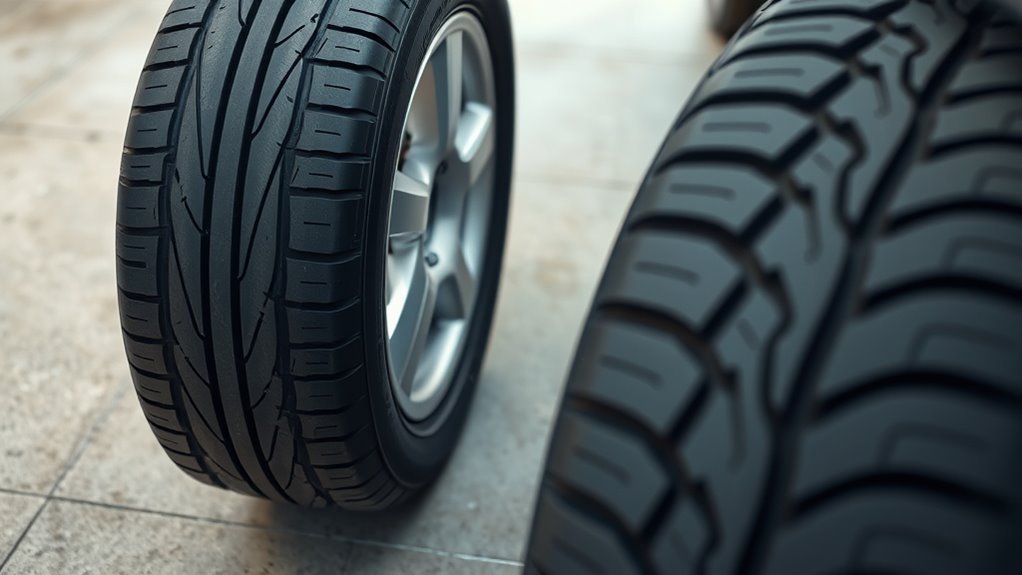
Electric vehicle (EV) tires differ from regular tires because they are designed to meet the specific needs of electric cars. They manage higher torque, reduce rolling resistance to save battery power, and minimize road noise to match the quiet electric motor. EV tires also support heavier vehicle weight due to large battery packs.
EV tires are specially designed to handle higher torque, reduce rolling resistance, cut noise, and support heavier battery weight.
EV tires handle the instant acceleration and higher torque generated by electric motors. Their structure is reinforced to prevent premature wear and maintain durability under these forces.
Rolling resistance is lower in EV tires compared to regular tires. Reducing rolling resistance helps improve battery efficiency and extends the driving range of electric vehicles.
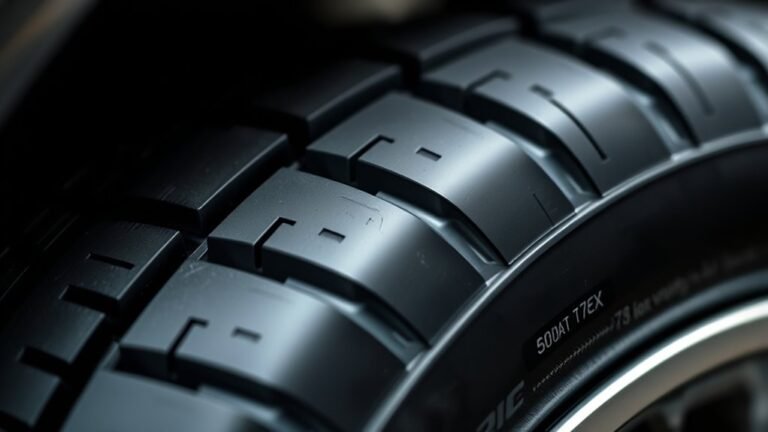
Noise reduction is a key feature of EV tires. Special tread patterns and rubber compounds reduce road noise, complementing the quieter operation of electric motors.
Weight support is critical for EV tires. They are reinforced to carry the additional weight of heavy battery packs without sacrificing handling or safety.
Summary of EV tire features compared to regular tires:
- Enhanced structural strength for high torque
- Lower rolling resistance for better battery range
- Tread designs and compounds to reduce noise
- Reinforced construction to support heavier weight
These engineering priorities make EV tires distinct from tires used on gas-powered cars.
Can You Use EV Tires on Gas-Powered Cars?
EV tires can be used on gas-powered cars if the tire size and load ratings match the vehicle’s requirements. However, differences in tire design and rubber compound may impact wear patterns and noise levels. EV tires focus on low rolling resistance and quiet performance, which may not suit all gas car driving conditions.
EV tires feature lower rolling resistance to improve electric vehicle efficiency. This can reduce fuel consumption slightly when used on gas cars. Noise levels from EV tires tend to be lower due to specialized tread designs aimed at reducing road noise.
Wear characteristics of EV tires may differ because they are engineered for the torque and weight distribution of electric vehicles. Gas-powered cars may experience uneven or faster tread wear depending on driving style and road conditions.
Key factors for using EV tires on gas-powered vehicles:
| Factor | Requirement or Effect |
|---|---|
| Size | Must exactly match vehicle tire specifications |
| Load Rating | Should support or exceed vehicle weight |
| Rolling Resistance | Generally lower, may improve fuel efficiency |
| Noise Levels | Usually quieter than standard tires |
| Wear Characteristics | Could differ, affecting tire lifespan |
Always verify tire compatibility with vehicle manufacturer guidelines. Proper installation and regular inspection ensure safety and performance.
How EV Tires Affect Regular Car Performance
The use of EV tires on regular cars can influence rolling resistance, potentially affecting fuel efficiency. Additionally, differences in noise levels and ride comfort may become noticeable. These factors are important when evaluating the overall performance impact.
Rolling Resistance Impact
Rolling resistance affects tire performance and vehicle efficiency by influencing how much energy a tire consumes while rolling. EV tires focus on reducing rolling resistance to extend driving range. Using EV tires on regular cars impacts fuel efficiency, acceleration, handling, and tire wear differently.
1. Fuel Efficiency:
Lower rolling resistance in EV tires reduces the energy needed to move the vehicle. On regular cars, this can translate into improved fuel economy and lower fuel consumption during daily driving.
2. Acceleration and Handling:
EV tires often use stiffer rubber compounds and unique tread designs to minimize resistance. These features can slightly change acceleration response and cornering grip when fitted to conventional cars, potentially making handling feel different.
3. Wear Rate:
Materials in EV tires prioritize low rolling resistance, which may alter wear patterns on regular cars. This can affect tire lifespan and durability compared to tires designed specifically for conventional vehicles.
Noise and Comfort Differences
EV tires reduce noise and improve ride comfort on electric vehicles by using specialized tread designs and softer rubber compounds. When used on regular cars, these tires often lower noise levels and enhance comfort but can change handling feel and suspension response.
EV tires focus on minimizing road noise and vibration to create a smoother, quieter ride for electric vehicles. Their tread patterns reduce tire-road interaction sounds, and the rubber compounds absorb shocks better than standard tires.
Using EV tires on regular cars can result in quieter cabins and improved comfort. However, the tires may not match the handling dynamics designed for non-EV suspension and power delivery, which can lead to reduced steering precision or feedback.
| Feature | EV Tires on EVs | EV Tires on Regular Cars |
|---|---|---|
| Noise Level | Reduced road and tire noise | Generally lower, but varies by model |
| Ride Comfort | Improved smoothness | Often enhanced |
| Handling Feedback | Tuned for EV torque delivery | May feel less sharp or precise |
Drivers should weigh quieter, more comfortable rides against possible changes in handling when fitting EV tires on conventional vehicles.
Pros and Cons of Using EV Tires on Regular Cars
Using EV tires on regular cars can improve fuel efficiency and reduce road noise but may affect tire wear and performance. EV tires focus on low rolling resistance and quiet rides, which benefit fuel economy and comfort. However, differences in weight and torque in conventional cars can cause uneven wear or shorter tire life.
Key considerations include:
- Fuel Efficiency: EV tires lower rolling resistance, which can increase gas mileage on gasoline-powered vehicles.
- Noise Reduction: These tires reduce road noise, leading to quieter rides during daily driving.
- Durability and Wear: EV tires may wear unevenly or faster on traditional cars due to different weight distribution and torque patterns.
Evaluate these factors before fitting EV tires on non-electric vehicles to ensure compatibility and performance.
How to Check Tire Fitment Before Installation
To ensure EV tires fit a regular car before installation, compare tire size specs with manufacturer recommendations. Check load index and speed rating for safety. Confirm wheel compatibility, including rim size and offset. Measure overall tire diameter and perform a physical test fit to prevent interference with vehicle parts.
Start by matching tire size specifications: width, aspect ratio, and diameter must align with the vehicle’s recommended sizes. Incorrect sizes can affect handling and safety.
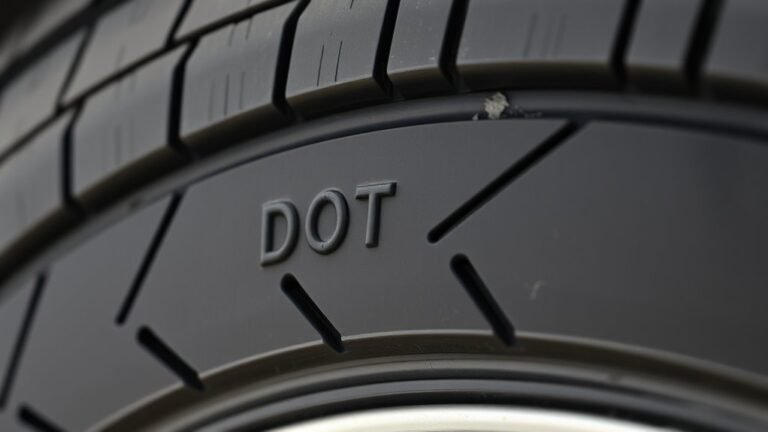
Check the load index and speed rating printed on the tire sidewall. These ratings indicate the maximum weight the tire supports and its performance capability. Using tires with lower ratings than required risks failure.
Verify wheel compatibility by examining rim diameter, width, and offset. The tire must fit the wheel properly to avoid mounting problems or clearance issues with brakes and suspension.
Measure the overall tire diameter to maintain accurate speedometer readings and proper suspension geometry. A significant diameter difference can cause speedometer errors and affect ride quality.
Consult the vehicle manual or a tire expert for manufacturer fitment standards. They provide specific requirements and restrictions.
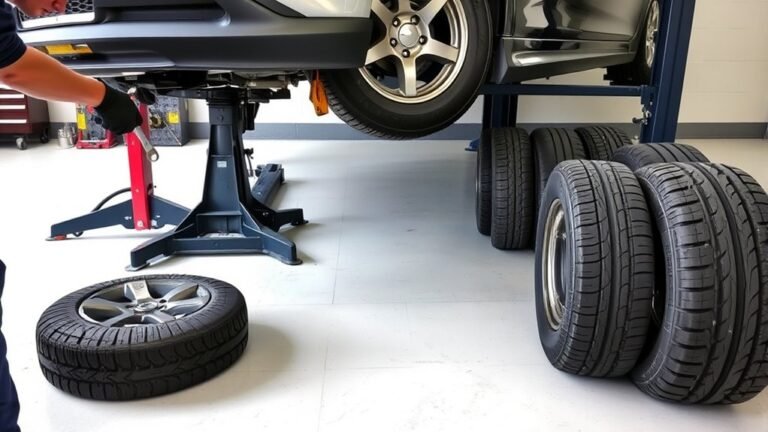
Perform a physical test fit before full installation. Mount the tire and wheel on the car to confirm there is no contact with brake components, suspension parts, or bodywork. This step ensures safe integration and proper functioning.
Safety Tips for Using EV Tires on Conventional Cars
When using EV tires on conventional cars, monitoring tire pressure is essential to guarantee peak performance and safety. Attention must also be given to the load capacity to prevent overloading and potential tire damage. Additionally, understanding tread wear patterns helps maintain traction and extend tire lifespan.
Tire Pressure Monitoring
Maintaining proper tire pressure is essential when using EV tires on conventional vehicles. Correct pressure improves safety, fuel efficiency, and tire life. EV tires may need different pressure levels due to their design and load distribution compared to standard tires.
Check tire pressure regularly with a reliable gauge, preferably when tires are cold. Follow the pressure recommendations specific to the EV tire model rather than the vehicle’s original tire settings.
Use the vehicle’s Tire Pressure Monitoring System (TPMS) or install aftermarket sensors that support EV tire requirements. Consistent monitoring helps prevent uneven wear and reduces the risk of blowouts, ensuring safer driving conditions.
Key steps for monitoring EV tires on conventional vehicles:
- Measure pressure regularly with an accurate gauge.
- Apply EV tire manufacturer’s recommended pressure.
- Use TPMS or compatible aftermarket sensors.
- Inspect tires for uneven wear or damage routinely.
Proper pressure management maintains the performance and safety of EV tires when fitted on non-EV vehicles.
Load Capacity Considerations
Load capacity defines the maximum weight a tire can safely support. EV tires have higher load capacities to handle heavier electric vehicles with battery packs. Using EV tires on conventional cars without matching load capacity risks safety and performance issues.
Electric vehicles often weigh more than conventional cars due to large battery packs. EV tires are engineered with higher load ratings to support this extra weight. Conventional tires have lower load ratings suited for lighter vehicles.
Using EV tires on a conventional car can cause:
- Incorrect load distribution
- Premature tire wear
- Reduced handling and stability
Matching tire load capacity with vehicle weight ensures safety and optimal tire performance.
| Tire Type | Load Capacity (lbs) | Suitable Vehicle Weight (lbs, Dual Axle) |
|---|---|---|
| EV Tire | 1,850 | 3,700 |
| Conventional Tire | 1,500 | 3,000 |
| Mismatched Use | Varies | Risk of overloading |
Always select tires with load ratings that meet or exceed your vehicle’s weight to prevent tire failure and maintain control.
Tread Wear Patterns
Tread wear patterns differ when EV tires are installed on conventional cars because EV tires are designed for the torque and weight distribution of electric vehicles. Using them on combustion engine vehicles can cause uneven wear, reduced lifespan, and traction changes due to different driving dynamics.
EV tires experience uneven tread wear on conventional cars. The tires are optimized for the instant torque of electric motors. Combustion engines deliver torque differently, which can lead to faster wear on specific tread areas not designed for these forces.
The lifespan of EV tires may shorten on conventional vehicles. EV tire compounds focus on low rolling resistance and efficiency under EV conditions. Different load, speed, and weight distribution on non-EV cars can cause the tire material to degrade faster.
Traction and braking can vary when EV tires are on conventional cars. The tread patterns are engineered to match EV driving styles. Using them on combustion cars may affect grip, especially under braking or cornering.
Key differences in tread wear patterns when using EV tires on conventional cars:
- Uneven wear on tread areas due to different torque application.
- Faster degradation of tire compounds designed for EV load and speed.
- Altered traction and braking performance from mismatched tread design.
Regular tire inspections help monitor tread condition and maintain safety when EV tires are installed on non-EV vehicles.
Where to Buy EV Tires for Your Regular Vehicle
Drivers can buy EV tires for regular vehicles from specialized retailers, major automotive stores, online platforms, and some manufacturers. Checking tire specifications ensures proper fit and performance. Availability depends on location, so consulting experts or using online tools helps find the right tires.
Specialized tire retailers and large automotive stores stock EV-specific tires as electric vehicle use grows. These outlets offer tires designed for electric and regular vehicles, focusing on durability and efficiency.
Online platforms like Tire Rack, Discount Tire, and Amazon provide wide selections of EV tires. Users can filter by size, type, and compatibility to match their vehicle’s needs.
Manufacturers such as Michelin and Continental produce EV tire lines. Buyers can purchase these tires directly from the manufacturer or authorized dealers.
Local tire shops may have EV tires in stock or order them on request. Checking with nearby shops can save time and support local business.
When purchasing EV tires for regular vehicles, always verify the tire specifications against the vehicle’s requirements. Proper fitment affects safety and tire performance.
Availability of EV tires varies by region. Consulting tire professionals or using online compatibility tools can simplify the selection process for drivers.
Frequently Asked Questions
How Do EV Tires Impact Fuel Efficiency in Gas-Powered Cars?
How do EV tires affect fuel efficiency in gas-powered cars?
EV tires have low rolling resistance, which can improve fuel efficiency when used on gas-powered cars.
Are EV tires optimized for gas-powered cars?
No, EV tires may not be optimized for the weight distribution and power delivery of traditional vehicles.
Do EV tires impact performance and wear on gas-powered cars?
Yes, they can potentially affect vehicle performance and tire wear.
Are there safety concerns with using EV tires on gas-powered cars?
Yes, compatibility and safety should be carefully evaluated before fitting EV tires on gasoline-powered cars.
Are fuel savings significant with EV tires on gas-powered cars?
Fuel savings are typically modest.
Are EV Tires More Expensive to Maintain Than Regular Tires?
Are EV tires more expensive to maintain than regular tires?
No, EV tire maintenance costs are generally similar to regular tires. While EV tires may cost more initially due to specialized materials and reinforced sidewalls, their durability often leads to longer tread life and fewer replacements. Overall maintenance depends more on driving habits and road conditions than tire type.
Can EV Tires Be Recycled Like Conventional Tires?
Yes, EV tires can be recycled like conventional tires since both contain rubber, steel, and fabric. While EV tires may have specialized compounds for higher torque and weight, they generally do not require different recycling methods and pose no significant extra challenges.
Do EV Tires Wear Out Faster on Non-Electric Vehicles?
Do EV tires wear out faster on non-electric vehicles?
Yes, EV tires are designed for the weight, torque, and braking style of electric vehicles. Using them on non-electric cars can cause uneven or faster tread wear due to different load distribution and driving conditions. Additionally, the softer compounds in EV tires may wear quicker under conventional driving.
What Brands Specialize in EV Tire Technology?
Which brands specialize in EV tire technology?
Michelin, Bridgestone, Continental, and Goodyear specialize in EV tire technology.
What features do EV tires have?
EV tires focus on low rolling resistance, enhanced durability, and noise reduction.
Why are specialized tires needed for EVs?
They accommodate EVs’ unique weight and torque, improving efficiency and driving comfort.