What Cars Are Cheapest to Repair? Parts Availability, Reliability, and Ownership Costs
Cars that are cheapest to repair have a few key features. They are reliable, simple in design, and have parts that are easy to find. These factors help keep repair costs low and make maintenance straightforward.
Brands like Toyota, Honda, Ford, and Hyundai often top the list. Their models are known for durability and affordable replacement parts. This means fewer breakdowns and less money spent on fixing issues.
In addition, these cars benefit from widespread parts availability. This reduces repair time and expenses.
Overall, such vehicles offer strong long-term value and cost-effective ownership.
Key Factors That Make a Car Cheap to Repair
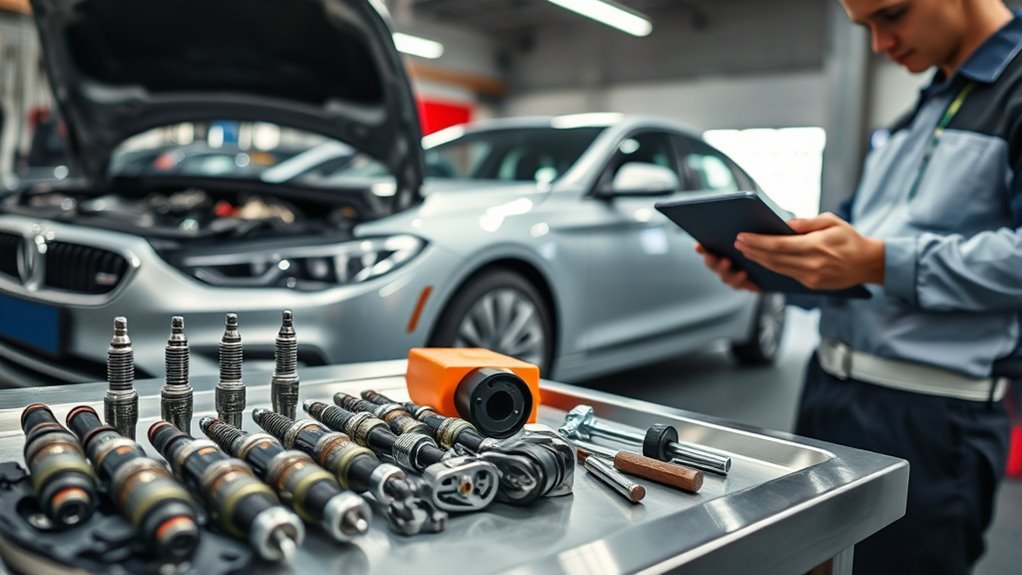
Key factors determine whether a car is cheap to repair. These include the vehicle’s reliability, the simplicity of its design, technician availability, insurance costs, and maintenance frequency. Each factor affects repair expenses and overall ownership costs.
Reliability reduces repair costs. Cars with fewer mechanical problems require fewer repairs. Brands known for durable engines and components tend to be cheaper to maintain.
Car design complexity influences labor and parts costs. Vehicles with simple mechanical and electrical systems take less time to fix. Fewer specialized tools and skills are needed, lowering repair bills.
Technician availability matters. Cars with a large base of trained mechanics usually have lower labor costs. Familiarity with the brand reduces diagnostic errors and speeds up repairs.
Insurance premiums affect ownership costs indirectly. Cars with high safety ratings and low theft risk often have lower insurance. This decreases total expenses related to repairs and replacements.
Maintenance intervals impact long-term costs. Vehicles needing less frequent servicing save money on routine checks and part replacements. Longer intervals reduce trips to the shop and service expenses.
Summary of key factors:
- Reliability: Fewer breakdowns lower repair frequency.
- Design simplicity: Easier repairs reduce labor and parts cost.
- Technician availability: Skilled mechanics lower service time and errors.
- Insurance premiums: Safer cars cost less to insure.
- Maintenance frequency: Less frequent servicing saves money.
These factors help identify cars that are less expensive to repair and maintain.
How Parts Availability Cuts Repair Costs
Parts availability directly lowers repair costs by enabling quick and affordable access to replacement components. When parts are easy to find, repair shops spend less time and money sourcing them. This reduces labor hours and overall expenses for vehicle owners.
Widespread availability of common parts cuts delays and keeps prices low. Manufacturers produce these parts in large volumes, benefiting from economies of scale that reduce costs. Repair shops can stock or quickly order these components, speeding up repairs.
Rare and specialty parts increase repair costs due to limited supply. These parts often require ordering from distant suppliers or custom manufacturing, which raises prices and lengthens wait times. This leads to longer vehicle downtime and higher labor fees.
Aftermarket parts offer affordable alternatives to original equipment manufacturer (OEM) components. These parts are widely available, often at lower prices, and meet quality standards set by independent suppliers. They help reduce repair expenses without compromising function.
Used parts markets provide cost-saving options for repairs. Salvaged or recycled parts come at lower prices and are often available locally. Buyers should verify condition and compatibility to ensure safe and effective repairs.
| Factor | Impact on Repair Costs |
|---|---|
| Common Parts | Lower cost, easy and quick sourcing |
| Rare Parts | Higher cost, longer wait times |
| Aftermarket Options | Affordable, widely available |
| Used Parts Market | Cost-saving, readily found |
Which Car Brands Are Known for Low Repair and Maintenance Costs?
Car brands known for low repair and maintenance costs help owners save money over time. Toyota, Honda, Subaru, Ford, Chevrolet, Hyundai, and Kia consistently rank low in expenses due to reliable designs and accessible parts.
Toyota and Honda lead in reliability studies. Their cars have simple engineering and widespread parts availability. This reduces both labor time and part costs during repairs.
Subaru benefits from durable components and a large dealer network. This combination keeps maintenance affordable and repair wait times short.
Ford and Chevrolet offer low-cost replacement parts among American brands. Their vehicles have common designs that make routine service less expensive.
Hyundai and Kia have improved reliability and provide strong warranty coverage. These warranties cut long-term repair expenses significantly.
Summary of key brands and features:
- Toyota: Reliable, widely available parts, easy repairs
- Honda: Durable engineering, extensive service network
- Subaru: Long-lasting components, dealer accessibility
- Ford: Affordable parts, common domestic designs
- Chevrolet: Cost-effective maintenance, replacement parts
- Hyundai: Improved reliability, competitive warranties
- Kia: Enhanced durability, warranty programs
Choosing vehicles from these brands can minimize unexpected repairs and keep maintenance costs predictable.
Ownership Costs: More Than Just the Sticker Price
Total ownership costs include more than repair and maintenance expenses. Depreciation, fuel efficiency, insurance premiums, financing terms, registration fees, and taxes all affect the overall cost of owning a vehicle.
Owning a vehicle involves costs beyond repairs, including depreciation, fuel, insurance, financing, and local fees.
Depreciation reduces a car’s resale value over time. Cars that retain value better lower long-term ownership costs. Buyers should consider how quickly a model loses value when evaluating affordability.
Fuel efficiency impacts ongoing expenses. Vehicles with higher miles per gallon or better electric range cost less to operate, especially when fuel prices rise. Comparing fuel economy helps estimate annual fuel spending.
Insurance premiums vary by vehicle safety ratings, repair costs, and theft risk. Safer cars with cheaper repairs typically lower insurance rates. Consumers should check insurance quotes for specific models before purchasing.
Financing affects monthly payments and total interest paid. Loan interest rates and term length influence affordability. Shorter loans often cost less in interest but increase monthly payments.
Registration fees and taxes depend on location and vehicle type. Some states charge higher fees for certain vehicles or impose additional taxes on fuel-inefficient cars. Understanding local costs is essential for accurate budgeting.
Summary of key ownership cost factors:
- Depreciation: Affects resale value
- Fuel efficiency: Determines fuel expenses
- Insurance premiums: Based on safety and repair costs
- Financing terms: Influence payments and interest
- Registration fees and taxes: Vary by region and vehicle
Evaluating these factors alongside repair and maintenance costs provides a complete picture of a car’s total cost of ownership. This approach helps buyers choose vehicles that are affordable over the long term.
Top Affordable Cars That Save You Money on Repairs
Reliable and affordable cars reduce repair costs through easy part availability and proven durability. Models like the Toyota Corolla, Honda Civic, and Ford Focus rank among the cheapest to maintain. Compact cars with simple engineering, such as the Hyundai Elantra and Mazda3, also lower repair expenses.
The Toyota Corolla, Honda Civic, and Ford Focus have extensive dealer networks and aftermarket parts. This availability cuts maintenance time and cost. These models share common mechanical components, easing repairs and lowering parts prices.
Hyundai Elantra and Mazda3 use straightforward designs. Their parts are accessible and affordable. Fewer complex systems mean less expensive repairs. Owners benefit from predictable maintenance costs and fewer unexpected bills.
Choosing cars with strong reliability ratings and widely used parts helps avoid costly repairs. These vehicles offer better long-term value by minimizing ownership expenses.
Summary of Top Affordable Cars for Low Repair Costs:
| Car Model | Key Advantage | Repair Cost Factor |
|---|---|---|
| Toyota Corolla | Large parts network | Low parts cost, easy fixes |
| Honda Civic | Proven mechanical reliability | Frequent aftermarket support |
| Ford Focus | Common components | Reliable, inexpensive parts |
| Hyundai Elantra | Simple engineering | Affordable replacement parts |
| Mazda3 | Compact design | Fewer costly repairs |
Selecting these models helps save money on repairs and maintenance over time.
Frequently Asked Questions
How Does Driving Style Affect Long-Term Repair Costs?
How does driving style affect long-term repair costs?
Driving style impacts repair costs by influencing wear and tear on vehicle components. Aggressive driving with rapid acceleration and hard braking increases damage to brakes, tires, and suspension, raising maintenance expenses. Smooth, cautious driving reduces strain, extends part lifespan, and lowers repair frequency. Consistent high speeds and stop-and-go traffic also speed up deterioration. Adopting a moderate driving style helps minimize long-term repair costs.
Are Electric Cars Cheaper to Repair Than Gas Cars?
Are electric cars cheaper to repair than gas cars?
Electric cars generally have lower repair costs due to fewer moving parts, no oil changes, and less brake wear from regenerative braking. However, battery replacements can be very expensive. Routine repairs are often simpler and less frequent, but unexpected battery or electrical issues may increase costs. Overall, electric car repairs tend to be cheaper, though exceptions depend on specific situations.
How Do Warranty Programs Impact Repair Expenses?
How do warranty programs impact repair expenses?
Warranty programs reduce repair expenses by covering parts and labor costs during the warranty period, minimizing out-of-pocket payments. Extended or manufacturer-backed warranties can further lower long-term repair costs. After expiration, repair expenses usually return to standard rates.
Can Aftermarket Parts Reduce Repair Costs Effectively?
Can aftermarket parts reduce repair costs effectively?
Yes, aftermarket parts can lower repair costs by providing affordable alternatives to original equipment.
Are aftermarket parts reliable?
Their reliability varies; some meet quality standards while others may increase the risk of future repairs.
Should I use aftermarket parts for vehicle maintenance?
Use aftermarket parts cautiously by balancing initial savings with potential long-term impacts to ensure a wise investment.
What Role Does Regular Maintenance Play in Repair Frequency?
Regular maintenance reduces repair frequency by preventing minor issues from becoming major problems. Tasks like oil changes, fluid checks, and timely part replacements keep vehicles reliable and extend part lifespan. This proactive care leads to fewer breakdowns, lower repair costs, and improved long-term dependability.