What Maintenance Does an Electric Car Need? Battery, Tires, Brakes, Fluids, and Service Intervals
Electric cars need regular maintenance to perform well and last long. Key parts like the battery, tires, brakes, and fluids require attention. Proper care helps avoid problems and extends the vehicle’s life.
Battery maintenance is vital. Monitor its capacity and keep the charge between 20% and 80%. Avoid extreme temperatures to protect battery health. This care ensures efficient energy use and longer battery life.
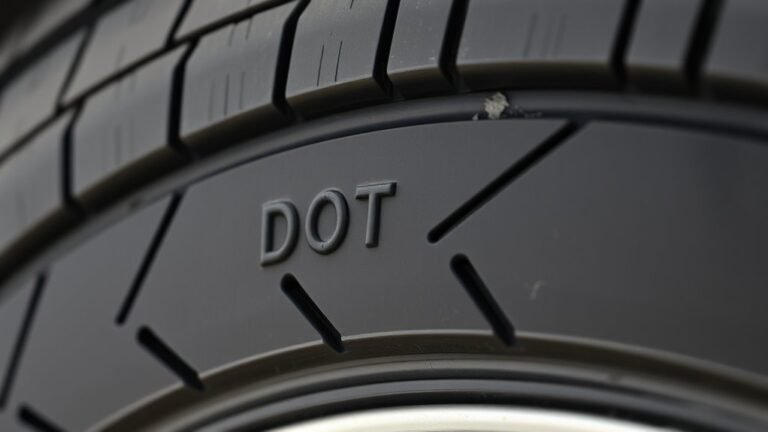
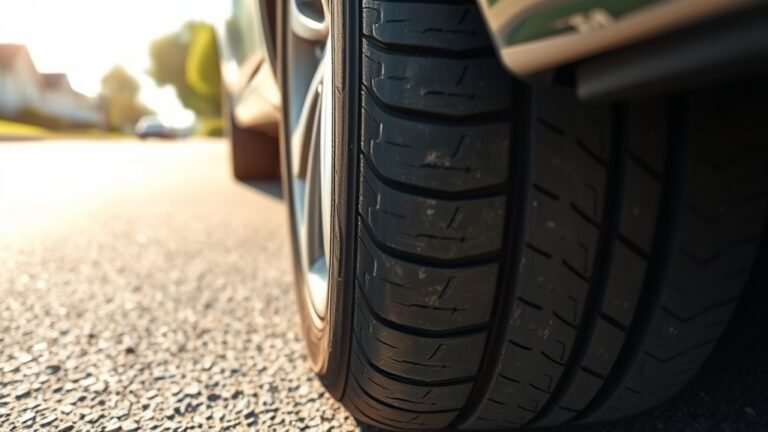
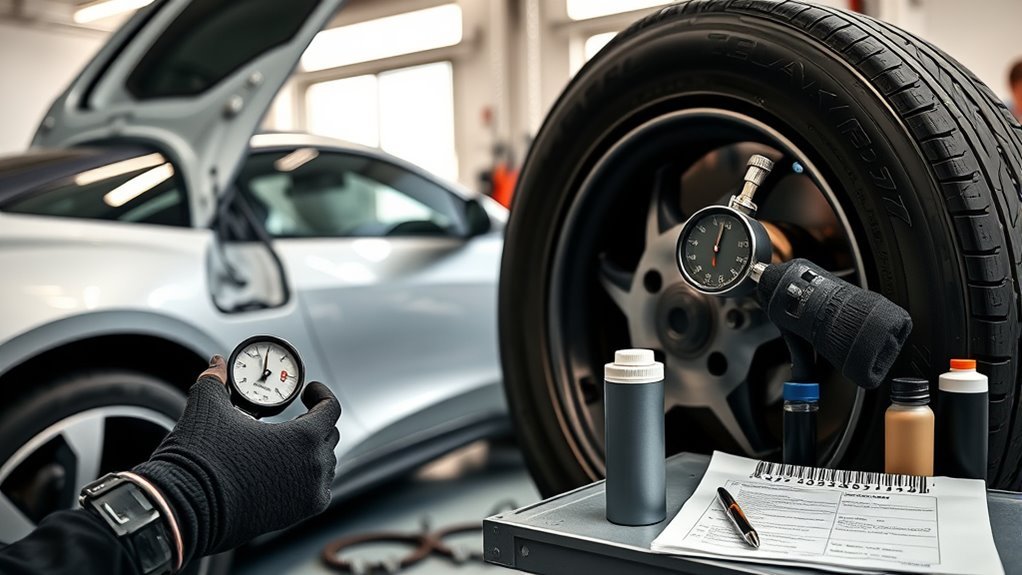
Tires need frequent checks for pressure, wear, and alignment. Brakes wear less due to regenerative braking but still need pad and fluid inspections. Fluids like coolant must be topped up regularly.
Following service intervals keeps the car running smoothly and reliably.
Essential Electric Car Maintenance Tasks
Electric car maintenance focuses on unique components like the battery, tires, brakes, fluids, and software. These tasks differ from traditional vehicle upkeep because electric cars do not require engine oil or transmission fluid changes. Proper care ensures safety, efficiency, and longevity.
Battery health monitoring is essential. The battery pack is the most costly and vital part of an electric vehicle. Regular checks help prevent capacity loss and extend battery life.
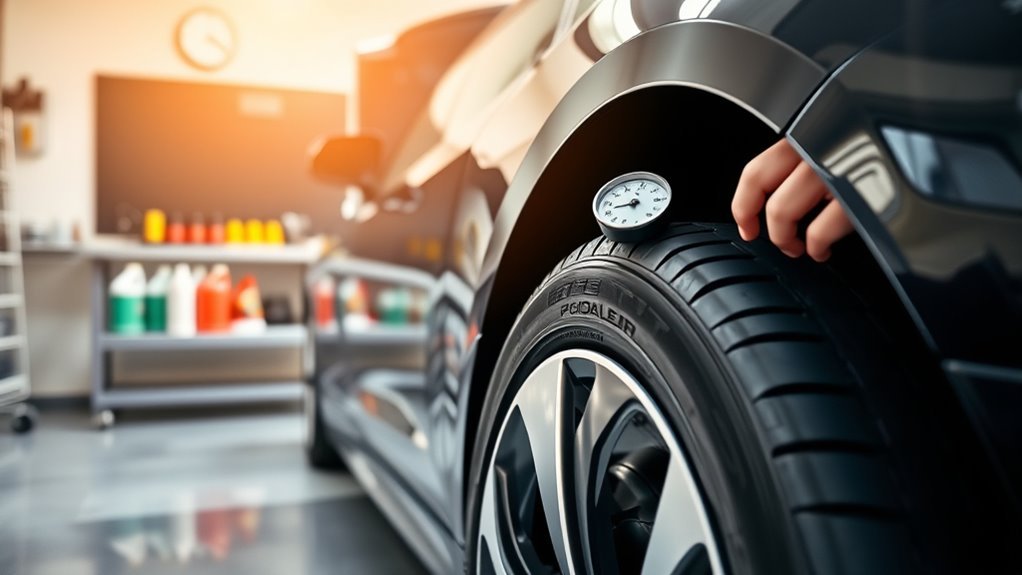
Tires need frequent inspection and rotation. Electric cars often weigh more due to the battery, causing uneven tire wear. Maintaining tire condition supports safety and driving performance.
Brake systems use regenerative braking, which reduces physical brake wear. Despite this, brake pads, rotors, and fluid still require periodic inspection and servicing to maintain optimal function.
Fluid maintenance involves checking coolant for the battery’s thermal management system and windshield washer fluid. Electric cars do not need engine oil or transmission fluid changes, simplifying fluid upkeep.
Software updates and electrical diagnostics are crucial. Manufacturers provide updates to improve efficiency, fix bugs, and enhance safety features. Regular diagnostics detect electrical issues before they worsen.
Summary of Key Maintenance Tasks for Electric Cars
| Maintenance Task | Reason/Focus | Frequency Recommendation |
|---|---|---|
| Battery Health | Monitor capacity and performance | As recommended by manufacturer |
| Tire Inspection & Rotation | Address uneven wear due to battery weight | Every 5,000-7,500 miles |
| Brake System Check | Assess wear despite regenerative braking | At least annually |
| Fluid Level Maintenance | Check coolant and washer fluid | Regular intervals (check manual) |
| Software Updates | Enhance safety and efficiency | When updates are available |
| Electrical Diagnostics | Detect and resolve electrical faults | During scheduled service |
How EV Maintenance Differs From Gas Cars
Electric vehicles feature fundamentally different powertrains compared to gas cars, which impacts maintenance needs. They require fewer fluid changes due to the absence of conventional engine oils and transmission fluids. Additionally, their regenerative braking systems alter brake maintenance schedules and components.
Powertrain Differences
Electric vehicles (EVs) and gasoline cars differ mainly in their powertrains, affecting maintenance needs. EVs use electric motors and battery packs, while gas cars rely on internal combustion engines with transmissions and exhaust systems. This fundamental difference leads to fewer mechanical parts and lower routine maintenance for EVs.
EVs have no internal combustion engine, transmission, or exhaust system. They use electric motors powered by large battery packs. As a result, EVs do not need oil changes, spark plug replacements, or timing belt services.
Gasoline vehicles have complex powertrains including engines, transmissions, fuel systems, and exhaust components. These parts require regular maintenance like oil changes, filter replacements, and emission controls.
Regenerative braking in EVs reduces brake wear by converting kinetic energy back into battery power. This extends brake pad life compared to traditional braking systems in gas cars.
EV powertrain components such as electric motors and battery management systems require periodic inspection. Battery health monitoring and cooling system checks help maintain performance and longevity.
Summary of maintenance differences:
| Component | Electric Vehicle (EV) | Gasoline Vehicle |
|---|---|---|
| Engine | Electric motor, fewer moving parts | Internal combustion engine, complex |
| Oil changes | Not required | Required regularly |
| Spark plugs | Not present | Require periodic replacement |
| Timing belts | Not present | Require inspection and replacement |
| Brakes | Regenerative braking reduces wear | Conventional braking causes more wear |
| Battery system | Requires monitoring and cooling | Not applicable |
Understanding these powertrain differences helps explain why EVs often have lower routine maintenance costs compared to gasoline vehicles.
Reduced Fluid Requirements
Electric vehicles (EVs) require fewer fluids than gasoline cars, reducing maintenance needs. They do not need engine oil changes, use less cooling fluid, and have minimal transmission fluid demands. This simplification lowers routine service costs and complexity compared to conventional vehicles.
EVs lack internal combustion engines, so they do not require engine oil or oil filter replacements. This eliminates the need for oil changes that gasoline vehicles regularly undergo.
Cooling fluids in EVs are limited to battery and motor temperature management systems. These cooling fluids need less frequent inspection and replacement than engine coolant in gasoline cars.
Many EVs use single-speed gearboxes with sealed components, reducing or eliminating the need for transmission fluid changes. This contrasts with multi-speed transmissions in gasoline vehicles that require regular fluid maintenance.
Windshield washer fluid remains necessary for EVs, just like in gasoline cars, to maintain clear visibility.
Summary of fluid requirements in EVs versus gasoline vehicles:
| Fluid Type | Gasoline Vehicles | Electric Vehicles |
|---|---|---|
| Engine oil | Required, frequent changes | Not required |
| Oil filter | Required | Not required |
| Engine coolant | Regular maintenance | Limited to battery/motor cooling |
| Transmission fluid | Regular changes | Minimal or sealed, less frequent |
| Windshield washer | Required | Required |
The reduced variety and volume of fluids in EVs simplify maintenance and lower ownership costs.
Brake System Variations
Electric vehicle (EV) braking systems differ from traditional gasoline cars by using regenerative braking to recover energy and reduce wear on mechanical parts. EVs still have hydraulic brakes for strong or emergency stops. Maintenance requires attention to both systems and their sensors for optimal performance.
Regenerative braking in EVs converts kinetic energy into electrical energy, recharging the battery during deceleration. This process reduces the use of brake pads and rotors, extending their lifespan compared to conventional vehicles.
Hydraulic brakes in EVs provide additional stopping power when regenerative braking is insufficient, such as in sudden stops. These brakes function similarly to those in gasoline cars, using brake fluid and mechanical components.
Maintenance of EV brake systems involves:
- Checking brake fluid quality and levels regularly
- Calibrating the integration between regenerative and hydraulic brakes
- Diagnosing brake sensors and control modules to detect faults
- Monitoring brake pad and rotor wear, which occurs less frequently
The combination of regenerative and hydraulic brakes requires specialized knowledge for proper service. While EV brake maintenance is less frequent, it demands specific diagnostic tools and procedures different from traditional brake systems.
Battery Maintenance for Longevity and Performance
Battery maintenance plays a vital role in extending the lifespan and optimizing the performance of electric vehicles. Proper charging habits and managing exposure to extreme temperatures are key factors influencing battery health. Understanding these elements helps guarantee reliable operation and longevity.
Battery Charging Best Practices
Proper battery charging protects electric vehicle (EV) batteries from damage and extends their functional life. Correct charging boosts driving range and avoids early battery wear. Maintaining good charging habits supports long-term vehicle reliability.
Electric vehicle batteries last longer when charging stays within moderate levels. Avoid charging the battery to 100% regularly. Keeping the charge between 20% and 80% reduces battery strain and slows degradation. This range balances usable capacity and battery longevity.
Daily charging works best with Level 2 chargers. Level 2 chargers provide steady charging speed that is gentle on the battery. Use fast DC chargers only occasionally. Frequent fast charging can increase battery wear due to higher heat and stress.
Disconnect the charger as soon as charging ends. Overcharging wastes energy and may harm the battery over time. Unplugging promptly prevents unnecessary power drain and preserves battery condition.
Summary of best practices:
- Charge between 20% and 80% for daily use.
- Use Level 2 charging stations for routine charging.
- Limit fast DC charging to infrequent sessions.
- Unplug the charger immediately after charging finishes.
Following these steps keeps EV batteries healthy, improves driving range, and helps maintain consistent vehicle performance.
Temperature Effects on Battery
Temperature significantly affects electric vehicle battery performance and lifespan. High heat speeds up chemical reactions, causing faster degradation and capacity loss. Cold temperatures slow these reactions, reducing driving range and charging efficiency. Managing temperature is crucial to maintain battery health and consistent vehicle performance.
Extreme heat accelerates battery chemical reactions. This speeds up aging and reduces capacity over time. Prolonged exposure to high temperatures can cause permanent battery damage. Heat also increases the risk of thermal runaway, a dangerous condition involving uncontrollable temperature rise.
Cold temperatures slow down battery chemistry. This reduces the battery’s ability to deliver power, lowering driving range. Charging efficiency drops in cold weather, leading to longer charge times and potential incomplete charging. Repeated cold exposure causes temporary performance declines but usually no permanent damage.
Thermal management systems in many electric vehicles control battery temperature during driving and charging. These systems use cooling or heating elements to keep the battery within an optimal range. Maintaining stable battery temperature improves efficiency, extends battery life, and enhances safety.
Parking choices influence battery temperature. Parking in shaded or climate-controlled areas helps avoid extreme heat or cold. Avoiding direct sunlight or freezing conditions preserves battery health and performance.
Summary of temperature effects on EV batteries:
| Temperature Condition | Effect on Battery | Consequence |
|---|---|---|
| High heat | Accelerated chemical reactions | Faster degradation, capacity loss |
| Prolonged heat exposure | Potential permanent damage | Reduced battery lifespan |
| Cold temperatures | Slower chemical reactions | Reduced range, lower charging speed |
| Repeated cold exposure | Temporary performance drop | Usually no permanent damage |
Regularly monitoring battery temperature and using thermal management can maximize battery longevity and ensure reliable performance in different climates.
EV Tire Maintenance for Safety and Efficiency
Tires affect electric vehicle (EV) safety and efficiency by ensuring traction, handling, and managing energy use. Proper tire care maximizes performance and reduces wear caused by the extra weight of EV batteries.
Tires play a crucial role in EV safety, handling, and energy efficiency, especially given the added battery weight.
Tread depth and condition determine tire grip and water displacement. Adequate tread prevents hydroplaning and maintains control in wet or slippery conditions. Worn treads increase the risk of accidents by reducing traction.
Correct tire pressure lowers rolling resistance, which improves EV range and energy efficiency. Underinflated tires cause uneven wear and reduce handling precision. Checking pressure regularly helps maintain optimal performance.
Regular tire rotation and alignment balance wear across all tires. Balanced wear supports stable handling and extends tire life. Misalignment leads to uneven tread wear and can compromise vehicle stability.
Key points for EV tire maintenance:
- Tread Depth: Maintain sufficient tread to avoid hydroplaning and ensure grip.
- Tire Pressure: Follow manufacturer’s recommended pressure for efficiency and uniform wear.
- Rotation and Alignment: Rotate tires every 5,000 to 8,000 miles and align as needed to promote even wear.
Consistent tire maintenance enhances safety, increases driving range, and protects EV investment over time.
How to Maintain EV Brakes for Reliability
Proper maintenance of electric vehicle (EV) brakes ensures safety and consistent stopping power. EVs use regenerative braking to reduce wear on pads and rotors, but these parts still need regular inspection and care.
Brake pads and rotors require frequent checks. Measure brake pad thickness to detect wear before it reaches unsafe levels. Inspect rotors for grooves, cracks, or warping, which can impair braking performance and cause vibration.
Brake fluid maintains hydraulic pressure in the brake system. Monitor fluid levels and replace the fluid according to the manufacturer’s schedule. Contaminated or old brake fluid can absorb moisture, leading to corrosion and reduced brake efficiency.
Electronic components in the braking system, such as sensors and actuators, affect brake responsiveness. Test these parts regularly to ensure they communicate correctly with the vehicle’s control unit. Faulty electronics can trigger warning lights or reduce braking effectiveness.
Cleaning brake components removes dust, dirt, and debris that accumulate during driving. Use appropriate cleaning agents to avoid damaging sensors or brake parts. Clean brakes improve response time and prevent uneven wear.
Summary of EV brake maintenance steps:
- Inspect brake pad thickness regularly
- Check rotors for damage or warping
- Monitor and replace brake fluid as needed
- Test electronic sensors and actuators frequently
- Clean brake assemblies to remove debris
Consistent brake maintenance tailored to electric vehicles enhances safety and ensures reliable braking under different driving conditions.
EV Maintenance Service Intervals You Should Follow
Electric vehicles (EVs) require less frequent maintenance than gasoline cars but still need regular service to maintain performance and battery health. Following recommended intervals helps prevent costly repairs and extends the vehicle’s lifespan.
Electric vehicles need less maintenance than gasoline cars but still require regular service for optimal performance and longevity.
Key EV maintenance milestones include:
1. Every 12,000 miles or annually
Inspect tires for wear and damage. Check brake pads and rotors. Monitor fluid levels such as brake and windshield washer fluids. Rotate tires to promote even wear and extend tire life.
2. Every 24,000 miles
Examine the battery coolant system for leaks or blockages. Replace cabin air filters to keep air quality high and protect HVAC components.
3. Every 48,000 miles
Perform a detailed inspection of the drivetrain and electrical systems. Verify that motors, controllers, wiring, and connectors function correctly.
Following these intervals preserves your EV’s efficiency and reliability while protecting your investment over time.
Frequently Asked Questions
How Does Extreme Weather Affect Electric Car Maintenance?
How does extreme weather affect electric car maintenance?
Extreme weather impacts electric car maintenance by reducing battery efficiency in cold temperatures and accelerating battery degradation in heat. Cold weather requires more frequent charging and battery checks, while hot weather demands greater cooling system care. Temperature fluctuations also increase tire and brake wear, necessitating vigilant monitoring and timely maintenance to ensure optimal performance and longevity.
Can I Perform EV Maintenance Myself Safely?
Is it safe to perform EV maintenance yourself?
Yes, basic tasks like tire rotation and fluid checks can be safely done with proper knowledge and tools.
Can I handle high-voltage battery or electrical repairs on my own?
No, high-voltage battery work and complex electrical repairs should be done by professionals due to safety risks.
Should I consult the vehicle manual before performing maintenance?
Yes, always refer to the vehicle’s manual and seek professional help for battery or electrical component issues to ensure safety and maintain warranty coverage.
What Are the Signs of an EV Software Update Need?
Signs that your EV needs a software update include slow response times, unexpected error messages, and reduced functionality in features like navigation or autopilot. The infotainment system may also display update notifications. Regularly checking the manufacturer’s app or website ensures your EV stays efficient and secure, preventing performance issues.
How Do Charging Habits Impact EV Battery Health?
How do charging habits affect EV battery health?
Charging habits significantly impact EV battery longevity. Frequent fast charging can speed up battery wear due to heat and stress, while regular slow charging helps preserve battery life.
Is it bad to charge an EV battery to 100%?
Consistently charging to 100% can reduce battery capacity over time. It’s better to keep the charge level moderate to extend battery health.
Should I let my EV battery drain completely?
Avoid fully draining the battery as it can harm battery performance and lifespan.
What are balanced charging practices for EV batteries?
Balanced charging involves maintaining moderate state-of-charge levels and considering temperature to optimize battery performance and longevity.
Are There Special Maintenance Needs for Electric Car Accessories?
Electric car accessories need minimal special maintenance beyond standard care. Regularly inspect charging cables for wear or damage to ensure safe charging. Keep accessory software updated for optimal functionality and security. Store portable chargers and adapters properly to prevent damage and extend lifespan. Routine checks help maintain accessory performance.