
How Long Does Car Maintenance Take? Service Times for Common Maintenance Jobs
Car maintenance times vary depending on the task and the type of vehicle. Knowing how long each service takes helps you plan your visit to the shop better. It also sets clear expectations for your car’s downtime.
Routine maintenance usually takes between 30 and 60 minutes. Simple jobs like oil changes with filter replacements often last 30 to 45 minutes. Tire rotations generally require about 20 to 45 minutes, while brake inspections and services can take 30 to 60 minutes.
Some tasks are quicker, like battery testing, which typically takes 10 to 15 minutes. Battery replacements and more complex services, such as coolant flushes or transmission fluid changes, usually take longer—up to an hour.
Factors like your vehicle model and the service complexity affect how long each job will take.
Typical Time for Common Car Maintenance Services
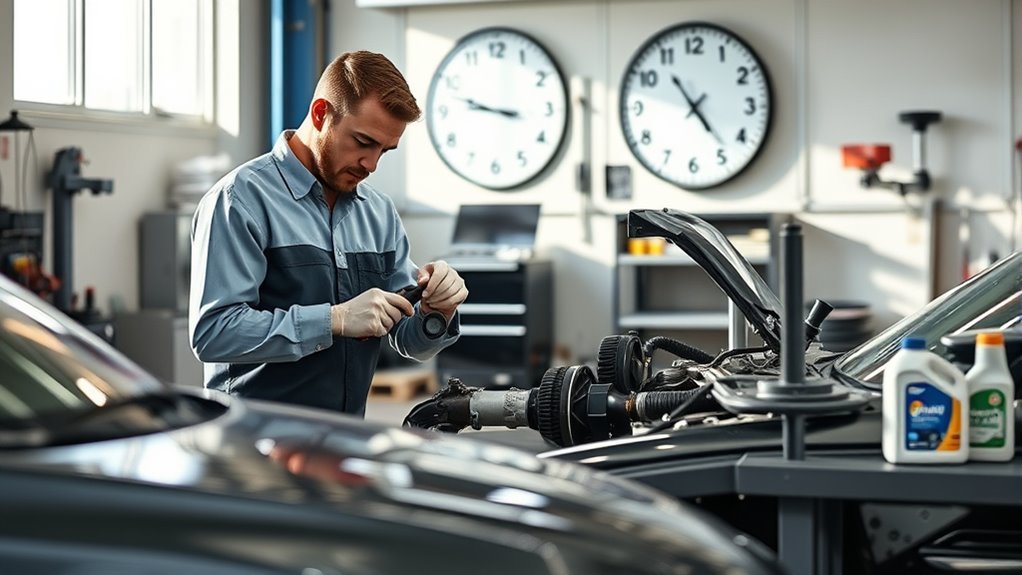
Routine car maintenance usually takes between 30 minutes and one hour, depending on the service type. Common tasks include tire rotations, brake inspections, and fluid top-offs, which are designed to be efficient and minimize vehicle downtime.
Tire rotations typically require 30 to 45 minutes. The exact time depends on the vehicle model and the technician’s speed. This service involves moving tires to different positions to promote even wear.
Brake inspections take about 20 to 40 minutes. Technicians perform visual checks and may make minor adjustments to ensure brake components function properly.
Fluid top-offs, such as adding coolant, brake fluid, or windshield washer fluid, usually add up to 15 minutes. These refills are quick and help maintain vehicle performance.
Replacing air filters or spark plugs can extend maintenance time to around one hour. These tasks involve removing and installing new parts to support engine efficiency.
Maintenance duration varies with vehicle type, condition, and service center workload. Service centers aim to complete routine jobs quickly to reduce inconvenience for vehicle owners.
| Service Type | Typical Time | Description |
|---|---|---|
| Tire Rotation | 30–45 minutes | Moving tires to different positions |
| Brake Inspection | 20–40 minutes | Visual checks and minor brake adjustments |
| Fluid Top-Off | Up to 15 minutes | Refilling coolant, brake, washer fluids |
| Air Filter/Spark Plug | Around 1 hour | Replacing engine components |
How Long Does an Oil Change and Filter Replacement Take?
An oil change and filter replacement generally takes 30 to 45 minutes. The process includes draining old oil, replacing the oil filter, and adding new oil. The time varies by vehicle type, oil type, and technician experience. Some vehicles require extra steps like resetting oil change indicators.
The main steps and average times are:
| Step | Average Time (minutes) | Notes |
|---|---|---|
| Draining old oil | 10 | Depends on oil temperature |
| Removing old filter | 5 | Filter location affects duration |
| Installing new filter | 5 | Requires correct filter matching |
| Refilling new oil | 10 | Amount varies with engine size |
| Final checks | 5 | Includes leak checks and system resets |
Following this outline helps technicians complete the oil change efficiently while ensuring proper maintenance.
How Long Does a Tire Rotation Usually Take?
Tire rotations typically take between 20 to 30 minutes to complete. The exact time can vary depending on the vehicle type and the equipment used. Additional factors such as the technician’s experience and any necessary adjustments may also influence the duration.
Average Tire Rotation Duration
Tire rotation typically takes 30 to 45 minutes. This includes removing tires, inspecting them, and repositioning according to recommended patterns. The process ensures even tire wear and helps extend tire life.
Technicians follow manufacturer guidelines for tire rotation patterns. The work involves loosening and retightening lug nuts to proper torque values. This step is essential for vehicle safety.
The rotation process also includes checking tire pressure and tread depth. Most passenger vehicles with standard tires require similar timeframes. Complications or larger tires can increase the duration.
Summary of tire rotation steps and time:
- Remove tires from each wheel hub
- Inspect tires for damage or uneven wear
- Reposition tires based on rotation pattern
- Loosen and retighten lug nuts to torque specs
- Check tire pressure and tread depth
Factors Affecting Rotation Time
Tire rotation time varies due to several factors. The vehicle design, tire and wheel condition, and technician skill affect how long the process takes. Typically, tire rotation lasts 30 to 45 minutes, but difficulties can extend this period.
Vehicle type influences rotation time. SUVs and trucks often take longer because their wheel wells and suspension parts can be harder to access. Smaller cars with simpler designs allow quicker tire removal and installation.
Tire and wheel condition impacts the process. Rusted or stuck lug nuts increase removal time. Damaged wheels may require extra care, slowing down the rotation.
Technician experience and tools matter. Skilled technicians with proper equipment complete rotations faster. Lack of tools or inexperience can delay the job.
Key factors affecting tire rotation time:
- Vehicle type and wheel accessibility
- Condition of lug nuts and wheels
- Technician skill level and tool availability
Brake Inspection and Service: Typical Duration
Brake inspections and services typically take 30 to 60 minutes depending on the vehicle and brake system complexity. Routine inspections usually last about 30 minutes. More extensive services, such as pad replacement or rotor resurfacing, can extend the time closer to an hour.
A standard brake inspection checks brake pads, rotors, calipers, and fluid levels. If any components show wear or damage, additional work is required, increasing the service duration. Brake fluid flushing or replacing worn pads adds to the time.
Advanced braking systems like ABS or electronic parking brakes require extra diagnostic steps. These systems increase inspection time due to their complexity and specialized components.
Typical brake service durations:
| Service Type | Duration |
|---|---|
| Routine brake inspection | ~30 minutes |
| Brake pad replacement | 45 to 60 minutes |
| Rotor resurfacing or replacement | 45 to 60 minutes |
| Brake fluid flushing | 30 to 45 minutes |
| Advanced system diagnostics | Additional 10-20 minutes |
The exact time depends on the vehicle’s make, model, and brake system condition. Most brake services fit within this timeframe, balancing thorough maintenance with minimal downtime.
Car Battery Testing and Replacement Time
Car battery testing takes about 10 to 15 minutes, while replacement usually requires 15 to 45 minutes. The total time depends on the vehicle model, battery type, and any additional system calibrations needed after installation.
Battery testing measures voltage and overall condition using diagnostic tools. This process helps identify if the battery holds charge and performs correctly.
Replacing a battery involves removing the old unit and installing a new one. Accessibility affects the time needed. Batteries in tight engine compartments or under seats take longer to replace.
Modern vehicles with advanced electronics may require system resets or calibrations after battery installation. These steps can extend the total service time.
Key factors affecting battery service time include:
- Battery location and ease of access
- Battery type: standard lead-acid or AGM (Absorbent Glass Mat)
- Need for electronic system resets or calibrations after replacement
How Long Does a Coolant Flush and Refill Take?
A coolant flush and refill typically takes 30 to 60 minutes. The exact time depends on the vehicle’s design and the steps required, such as flushing additional components like the radiator or heater core.
Technicians start by draining the old coolant. They remove a drain plug or disconnect hoses to empty the system. Next, they flush the cooling system to remove contaminants. This step may involve running a cleaning solution through the radiator and heater core.
After flushing, the technician refills the system with the correct coolant mixture. They then bleed the system to remove trapped air. Removing air pockets helps prevent engine overheating.
The total time varies with the equipment used and the technician’s experience. Additional inspections or minor repairs during the service can also affect duration. Most standard coolant flushes fit within the 30- to 60-minute timeframe.
How Long Does a Transmission Fluid Change Take?
A transmission fluid change typically takes between 30 minutes to an hour. The exact duration depends on factors such as vehicle type, fluid accessibility, and whether additional maintenance is required. Choosing between a DIY approach and professional service also impacts the time involved.
Typical Time Frame
A transmission fluid change typically takes between 30 minutes and one hour. The exact time depends on the vehicle’s transmission type and the equipment available at the service shop.
Key steps in the process include:
- Draining the old fluid and refilling with new fluid (15 to 30 minutes).
- Removing and replacing the transmission pan and filter, if required, which may add extra time.
- Performing a system check or test drive after the service to confirm proper operation.
Most routine fluid changes finish within an hour under normal conditions. This duration allows for careful fluid replacement and inspection, helping maintain the transmission’s performance and longevity.
Factors Affecting Duration
The duration of a transmission fluid change varies because several factors influence the time needed to complete the service. These factors include the vehicle type, transmission type, service method, transmission condition, and technician experience.
Vehicle make and model affect access to the transmission. Some vehicles have transmissions that are easier to reach and service, reducing time. Others require removing components or working in tight spaces, which increases duration.
Transmission type changes the complexity of the service. Automatic, manual, and continuously variable transmissions (CVTs) have different fluid systems and service requirements. Automatic transmissions often take longer due to fluid complexity and additional steps.
The method used impacts service time. A simple drain and refill usually takes less time than a full fluid exchange with a flushing machine. Flushing removes more old fluid but involves extra equipment and steps.
Transmission condition affects how long the service lasts. Contaminated fluid, sludge buildup, or leaks require more attention. Technicians may need to clean parts or fix leaks before refilling fluid, extending the process.
Technician experience and available tools also play a role. Experienced technicians with proper equipment complete the service faster and more efficiently than less experienced ones.
Summary of factors affecting transmission fluid change duration:
- Vehicle make and model: ease of access varies
- Transmission type: automatic, manual, or CVT differences
- Service method: drain and refill vs. full flush
- Transmission condition: contamination and leaks
- Technician skill and equipment quality
The combination of these factors determines whether the service takes about 30 minutes or more than an hour.
DIY vs Professional
A transmission fluid change can be done by vehicle owners or professionals, but the time and effort differ significantly. DIY changes often take longer due to limited tools and experience. Professionals complete the job faster using specialized equipment and expertise.
DIY transmission fluid changes typically take 1 to 2 hours or more. Vehicle owners must consult manuals, gather tools, and carefully access components. Limited equipment such as basic wrenches and fluid pumps can slow the process. Mistakes in fluid level or disposal are common risks.
Professional mechanics usually finish a transmission fluid change within 30 to 60 minutes. Shops use lifts, fluid extractors, torque wrenches, and diagnostic tools. This equipment allows precise fluid removal, replacement, and disposal. Professionals also ensure accurate fluid levels, reducing damage or leaks.
Key differences between DIY and professional transmission fluid changes:
| Aspect | DIY Owner | Professional Service |
|---|---|---|
| Time | 1-2 hours or more | 30-60 minutes |
| Tools | Basic hand tools | Lifts, extractors, torque wrenches |
| Accuracy | Risk of incorrect levels | Ensures proper fluid level |
| Safety | Potential spills/damage | Controlled fluid handling |
| Convenience | Requires own effort | Quick, no user effort |
Choosing DIY or professional service depends on your automotive skill, available tools, and convenience preference. DIY suits experienced owners with tools and time. Professional service offers speed, safety, and precision.
When to Schedule Timing Belt and Other Long Services
Timing belts and other major components require replacement at specific mileage intervals to prevent engine damage and maintain vehicle reliability. Typical timing belt replacement intervals range from 60,000 to 100,000 miles, depending on the vehicle’s make and model. Follow manufacturer guidelines closely.
Vehicle manufacturers specify timing belt replacement intervals to avoid engine failure. Neglecting these intervals can cause severe mechanical damage, including broken belts that may harm valves and pistons. Scheduling replacements during routine major services or before long trips reduces inconvenience.
Consult the owner’s manual or service guide for exact timing belt replacement mileage and related tasks. Water pump and belt tensioner replacements often coincide with timing belt service to optimize maintenance and reduce labor costs.
Key points for timing belt and long-service scheduling:
- Check manufacturer’s recommended interval (usually 60,000–100,000 miles)
- Replace timing belt before reaching this mileage limit
- Inspect or replace related components: water pump, tensioner, pulleys
- Plan service during major maintenance or pre-trip inspections
- Follow maintenance schedules to avoid costly engine repairs
Maintaining proactive service schedules for timing belts and related components ensures vehicle safety, reliability, and longevity.
Tips to Speed Up Your Car Maintenance Appointment
Preparing for a car maintenance appointment reduces wait times and speeds up the service process. Vehicle owners can take practical steps to ensure the appointment runs smoothly and efficiently, minimizing time spent at the service center.
Scheduling appointments in advance helps the service center plan resources and time. Booking early prevents delays and ensures a convenient slot.
Organizing all relevant documents before the appointment helps technicians understand your car’s history. Maintenance records and warranty papers allow quicker assessment and avoid unnecessary checks.
Clear communication about the car’s issues or symptoms before arrival guides technicians. Describing problems precisely helps them focus diagnostics and complete repairs faster.
Summary of key tips:
- Schedule your appointment days or weeks ahead.
- Gather maintenance records and warranty information.
- Describe symptoms or concerns clearly when booking or upon arrival.
Frequently Asked Questions
How Often Should I Schedule Regular Car Maintenance?
Regular car maintenance should be done every 3,000 to 7,500 miles or every 3 to 6 months, following the vehicle’s owner manual. This includes inspections, oil changes, fluid checks, tire rotations, brake assessments, and filter replacements. Consistent maintenance ensures safety, improves performance, extends vehicle life, and prevents costly repairs.
What Are Signs My Car Needs Urgent Maintenance?
Signs your car needs urgent maintenance include unusual noises like grinding or squealing, warning lights on the dashboard, excessive exhaust smoke, and visible fluid leaks. Difficulty starting the engine, reduced braking performance, driving vibrations, and overheating are also critical warning signs. Address these issues promptly to avoid severe damage and ensure safety.
Can I Perform Basic Maintenance Tasks Myself?
About 45% of car owners perform basic maintenance themselves. Simple tasks like changing windshield wipers, replacing air filters, and checking tire pressure can be done safely with minimal tools and knowledge. More complex jobs, such as brake replacement or engine repairs, typically require professional expertise. Always research thoroughly using manuals or tutorials to ensure safety and avoid mistakes when doing DIY maintenance.
Does Car Maintenance Affect My Vehicle’s Warranty?
Car maintenance does not void your vehicle’s warranty if done according to the manufacturer’s guidelines. Using authorized service centers or certified mechanics ensures warranty compliance. Improper maintenance or non-approved parts can result in warranty denial. Keep detailed service records and follow the recommended schedule to maintain warranty validity. Regular maintenance helps extend vehicle life without affecting warranty coverage.
How Much Does Typical Car Maintenance Cost?
How much does typical car maintenance cost?
Typical car maintenance costs range from $20 to $300 per service. Oil changes usually cost $30 to $70, brake pad replacements range from $150 to $300, and tire rotations are about $20 to $50. Annual maintenance expenses vary by vehicle and location but generally amount to a few hundred dollars to keep the car running smoothly.