How to Check Tire Size on a Car: Sidewall, Door-Jamb, Manual, and VIN Methods
Checking your car’s tire size is essential for safety and performance. The tire sidewall displays an alphanumeric code. This code shows the tire’s width, aspect ratio, and rim diameter. Reading it helps you find the exact size.
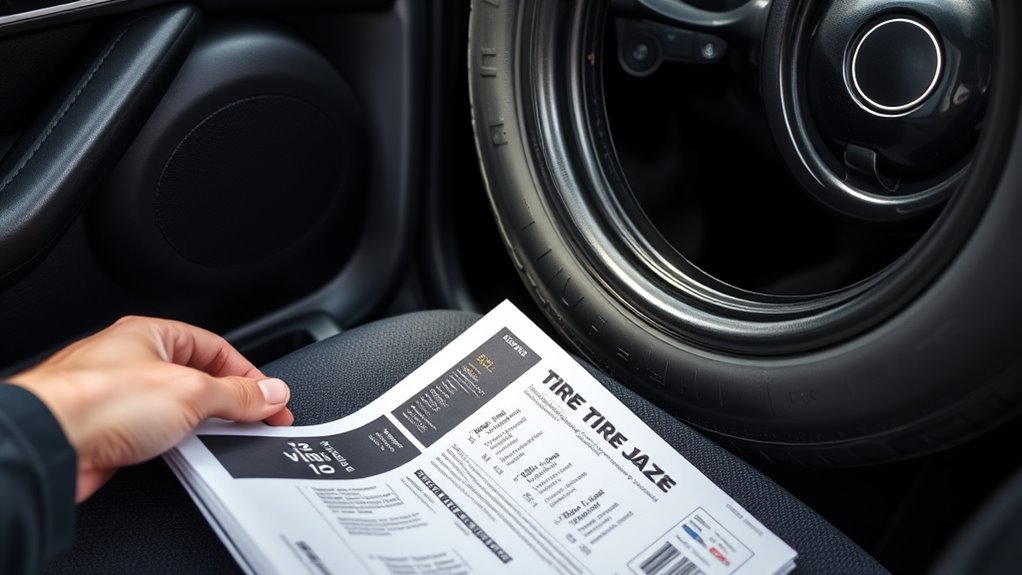
You can also check the driver’s side door-jamb sticker. This label lists manufacturer-approved tire sizes and recommended pressure. It is a reliable source for the correct specifications.
If the sticker is missing, consult the owner’s manual. It provides the recommended tire sizes and pressures.
Another option is decoding your car’s VIN using online tools. This reveals the factory-installed tire details.
These methods ensure you use the right tires for your vehicle.
How to Read Your Tire Size on the Sidewall
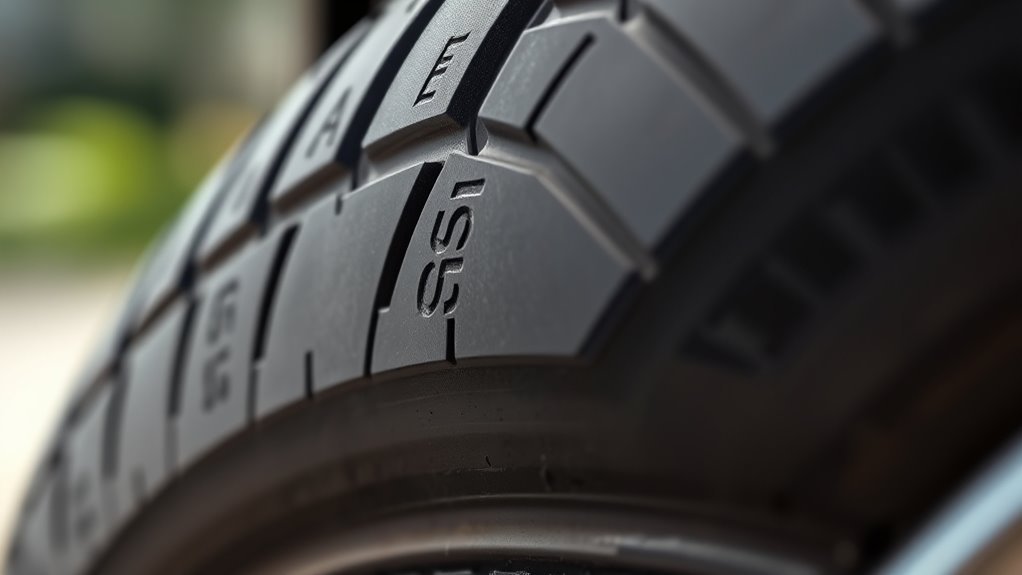
The tire size appears on the tire’s sidewall as an alphanumeric code. It shows key measurements like width, aspect ratio, and wheel diameter. This sequence helps identify the correct tire fit without needing extra references.
The tire size code looks like this: 205/55R16. Each part has a specific meaning:
- 205: The tire width in millimeters, measured from sidewall to sidewall.
- 55: The aspect ratio, which is the sidewall height as a percentage of the tire width.
- R: Radial construction type of the tire.
- 16: The diameter of the wheel rim in inches that the tire fits.
Additional markings near the size often include the load index and speed rating. These provide information on the tire’s weight capacity and maximum speed capability.
Reading the sidewall is the most direct way to find tire specifications. The molded information is permanent and reliable for identifying tire size and important performance ratings.
Find Tire Size on Your Car’s Door-Jamb Sticker
The car’s door-jamb sticker shows the manufacturer-approved tire size and specifications. Found on the driver’s side door frame, it provides accurate tire details for the original vehicle setup. This sticker helps confirm correct tire size during replacements or upgrades.
The door-jamb sticker reveals the manufacturer’s approved tire size and specs for accurate replacements.
The door-jamb sticker includes key information such as:
- Recommended tire size for front and rear wheels
- Proper tire pressure for safe operation
- Vehicle load capacity limits
- Rim size compatibility
Using the door-jamb sticker ensures tires meet manufacturer standards. It supports safe driving and maintains vehicle performance. This sticker is easy to find and read, requiring no special tools or expertise. It complements the tire sidewall data with verified specifications.
Check Your Owner’s Manual for Tire Size
The owner’s manual lists the recommended tire size for your vehicle. It includes information on the original tire width, aspect ratio, diameter, and acceptable alternatives. The manual also shows the correct tire pressure to maintain safety and performance.
The owner’s manual provides detailed tire specifications linked to the vehicle’s design. It helps confirm tire sizes when the door-jamb sticker is missing or damaged. Using the manual ensures tire replacements follow manufacturer guidelines and preserve vehicle handling and warranty.
Information in the manual typically includes:
- Original tire dimensions (width, aspect ratio, diameter)
- Approved alternative tire sizes
- Recommended tire pressure for optimal performance and safety
You can find the owner’s manual in the glove compartment or download it from the vehicle manufacturer’s website. Checking the manual is a reliable way to verify tire sizes before purchasing replacements.
Decode Your VIN to Find Your Tire Size
Vehicle owners can find their tire size by decoding the Vehicle Identification Number (VIN). The VIN contains specific details about the vehicle, including the original tire dimensions. Decoding the VIN reveals accurate tire size information tied to the car’s make, model, and specifications.
Decoding your vehicle’s VIN reveals precise tire size details linked to its make and model.
To decode a VIN for tire size:
- Locate the VIN on the vehicle, usually on the dashboard near the windshield or on the driver’s side door frame.
- Use an online VIN decoder tool or contact the vehicle manufacturer to get detailed specifications.
- Identify tire size codes or specifications within the decoded data, often listed under wheel or tire information.
- Verify the decoded tire size by comparing it with the vehicle’s owner manual or official tire size guides.
Following this process helps ensure the tires match the vehicle’s factory settings, supporting safe handling and proper maintenance.
Why Tire Size Matters for Safety and Performance
Tire size affects vehicle handling, braking, stability, and safety. Using the correct tire size ensures proper traction, steering response, and accurate speedometer readings. Incorrect sizes can cause uneven tire wear, strain suspension parts, and reduce fuel efficiency.
Tire size influences how a vehicle contacts the road. Larger or smaller tires change grip levels and steering behavior. This impacts braking distances and control, making correct sizing essential for safe driving.
Using wrong tire sizes may lead to inaccurate speedometer and odometer readings. This can affect driving judgment and compliance with speed limits. Tire wear patterns also become uneven, shortening tire life and increasing replacement costs.
Suspension components experience extra strain when tire size deviates from manufacturer recommendations. This can cause premature wear or damage to shocks, struts, and wheel bearings. Fuel consumption also rises due to altered rolling resistance and weight.
Maintaining the recommended tire size guarantees the vehicle performs as designed. Proper tire dimensions provide consistent grip, stability, and control, ensuring predictable handling and safe braking distances.
Key reasons to verify tire size before replacement or upgrades:
- Preserve handling and braking performance
- Maintain accurate speedometer readings
- Avoid uneven tire wear and early replacement
- Prevent suspension damage
- Optimize fuel efficiency
Following manufacturer tire size specifications supports vehicle safety and driving performance.
What to Do If Tire Size Isn’t Marked
When tire size markings are missing or unreadable, identifying the correct tire dimensions requires alternative methods. Accurate tire size ensures safe vehicle operation and proper performance. Use measurements, vehicle documents, or manufacturer resources to find the right size.
Measure tire width, aspect ratio, and diameter manually with a tape measure. Measure the tire’s widest point for width. Calculate the sidewall height using the aspect ratio percentage of the width. Measure the diameter from bead to bead across the tire’s center.
Check the vehicle’s owner manual for recommended tire sizes. The manual lists specifications approved by the manufacturer for your model.
Inspect the door jamb sticker, usually located on the driver’s side door frame. This label includes the original tire size, load rating, and recommended pressures.
Use the Vehicle Identification Number (VIN) to obtain tire size details from the manufacturer or authorized dealers. The VIN links to your vehicle’s build data and factory specifications, including tire information.
Summary table:
| Method | Description | Where to Find |
|---|---|---|
| Manual Measurement | Measure width, aspect ratio, diameter | Tire sidewall (if visible) |
| Owner Manual | Recommended tire sizes for your vehicle | Vehicle glove box or online |
| Door Jamb Sticker | Original tire size and pressure info | Driver’s side door frame |
| VIN Lookup | Factory tire specifications based on VIN | Manufacturer or dealer services |
Use these methods when sidewall markings are absent. Accurate tire sizing prevents handling issues and uneven wear.
How to Choose Replacement Tires by Tire Size
Choosing replacement tires by size requires matching the new tires to your vehicle’s original specifications. Correct tire size ensures safe handling, accurate speedometer readings, and proper braking performance.
Find the tire size on the sidewall of your current tires, the door-jamb label, the owner’s manual, or by decoding the vehicle identification number (VIN). The key size elements include:
- Width (measured in millimeters)
- Aspect ratio (height-to-width percentage)
- Wheel diameter (in inches)
Replacement tires must have the same width, aspect ratio, and diameter as the original tires to fit properly and maintain handling characteristics. Using different sizes can affect suspension and braking systems.
Check the load index and speed rating on your current tires. Replacement tires should meet or exceed these ratings as specified by the vehicle manufacturer to ensure safety and performance.
Consult tire professionals or reference the manufacturer’s guidelines to confirm that your chosen tires are compatible with your vehicle.
Summary of steps to choose replacement tires by size:
- Locate original tire size from sidewall, door-jamb, manual, or VIN.
- Match width, aspect ratio, and diameter exactly.
- Verify load index and speed rating meet or exceed original specs.
- Consult experts or manufacturer resources for confirmation.
Correct tire size matching promotes safe driving, accurate vehicle systems, and tire durability.
Frequently Asked Questions
How Often Should I Check My Tire Size for Maintenance?
How often should tire size be checked?
Check tire size whenever tires are replaced, rotated, or during routine maintenance like oil changes and seasonal tire swaps.
Why is it important to verify tire size regularly?
Regular checks prevent incorrect tire installations that can impact vehicle handling and fuel efficiency.
Is frequent tire size measurement necessary?
No, but confirming tire size at key maintenance intervals ensures safety and optimal performance.
Can Tire Size Affect My Car’s Fuel Efficiency?
Tire size affects a car’s fuel efficiency by influencing rolling resistance and weight. Larger, heavier tires increase fuel consumption because the engine works harder, while smaller, narrower tires reduce drag and improve mileage. Choosing the right tire size is important, as even small changes can impact fuel economy and overall vehicle performance.
Are Tire Sizes Standardized Across Different Car Brands?
Are tire sizes standardized across different car brands?
No, tire sizes are not standardized across car brands. Manufacturers specify tire dimensions based on vehicle design, performance, and safety needs, resulting in variations in width, aspect ratio, and diameter. Always use the recommended tire size for your vehicle to ensure proper fit and performance.
How Do Tire Sizes Impact My Car’s Speedometer Accuracy?
Tire sizes impact speedometer accuracy because the speedometer measures speed based on wheel rotations. Larger tires increase circumference, causing the speedometer to underestimate speed, while smaller tires decrease circumference, causing overestimation. Using tires that differ from manufacturer recommendations can lead to inaccurate speed readings, affecting safety and legal compliance. Always use the recommended tire size for accurate speedometer performance.
Can I Use Different Tire Sizes on the Front and Rear Wheels?
Yes, you can use different tire sizes on the front and rear wheels, but it depends on your vehicle and manufacturer guidelines. Performance and all-wheel-drive cars often use staggered sizes for better handling and traction. However, mismatched tires may cause stability, traction, and wear issues, and could affect drivetrain safety. Always consult your vehicle’s specifications or a professional before mixing tire sizes to ensure compatibility and safety.