What Does “Maintenance Required” Mean on a Car? Reminder Light vs. Warning Light
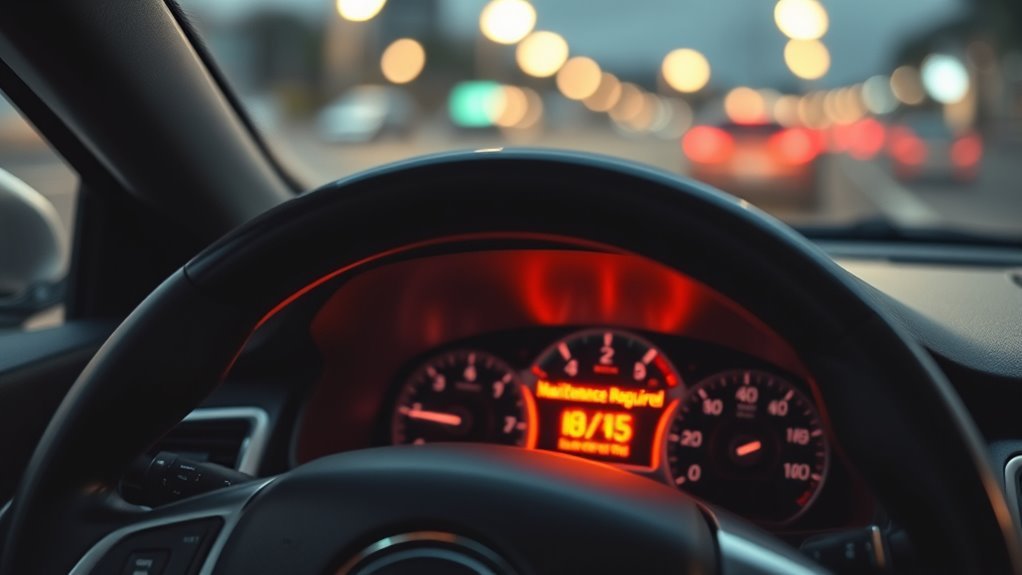
The “Maintenance Required” light on your car is a helpful reminder. It signals that routine service is due based on mileage or time. This light helps keep your vehicle running smoothly.
This indicator is not an urgent warning. It usually appears as a yellow or amber light. It reminds you to perform tasks like oil changes and fluid checks before problems develop.
Unlike red warning lights that indicate critical issues, the “Maintenance Required” light encourages timely upkeep. Following its advice can prevent costly repairs and maintain your car’s safety and performance.
Knowing when and how to respond keeps your vehicle in good condition.
What the “Maintenance Required” Light Means
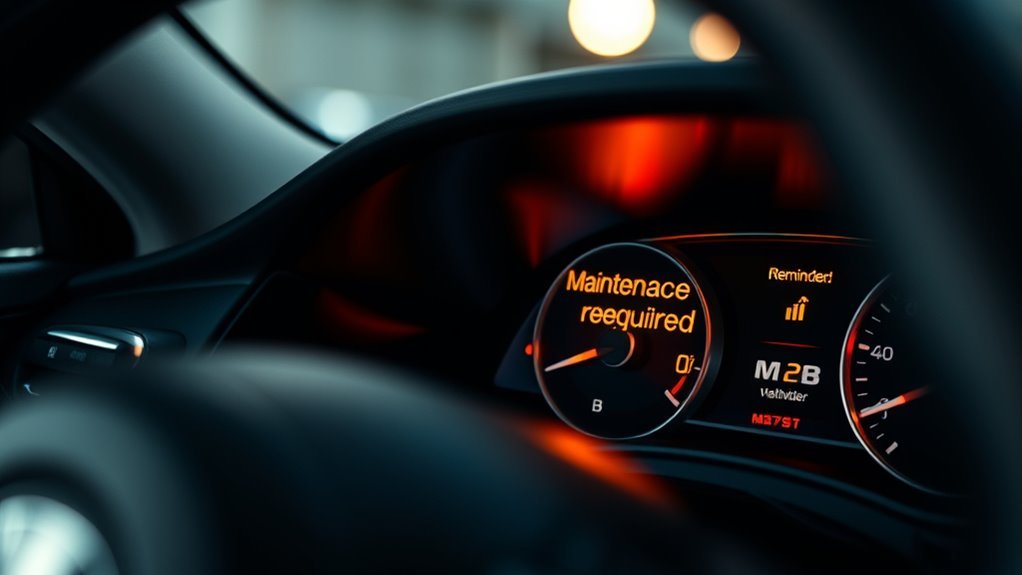
The “Maintenance Required” light signals that routine vehicle service is due. It does not indicate an urgent problem but reminds drivers to follow the manufacturer’s recommended maintenance schedule.
Vehicle manufacturers program the “Maintenance Required” light to activate after specific mileage intervals. This alert prompts actions such as oil changes, filter replacements, and tire rotations. The goal is to encourage timely upkeep to maintain vehicle performance and prevent future issues.
The “Maintenance Required” light signals scheduled upkeep like oil changes and tire rotations to ensure vehicle longevity.
This indicator differs from warning lights that signal malfunctions or safety concerns. It serves as a preventive reminder rather than an emergency alert. Drivers can continue using the vehicle safely but should schedule maintenance soon.
Ignoring the “Maintenance Required” light does not cause immediate damage. However, delaying service may reduce fuel efficiency and accelerate wear on components. Following the reminder helps extend vehicle lifespan and maintain optimal operation.
Summary:
- Activates based on preset mileage intervals
- Reminds drivers of scheduled maintenance tasks
- Not a malfunction or urgent warning
- Encourages timely service for vehicle health
- Ignoring may reduce efficiency and increase wear
Reminder Lights vs. Warning Lights: What’s the Difference?
Reminder lights serve to notify drivers of scheduled maintenance needs, while warning lights indicate immediate issues requiring urgent attention. These two types of lights differ not only in purpose but also in their visual presentation on the dashboard. Understanding these distinctions helps drivers respond appropriately to each signal.
Purpose Of Reminder Lights
Reminder lights notify drivers about scheduled vehicle maintenance rather than urgent problems. They indicate upcoming service needs to help keep the vehicle in good condition and prevent costly repairs. Reminder lights differ from warning lights by signaling routine care instead of immediate safety issues.
Reminder lights inform drivers about routine maintenance tasks. Examples include oil changes, tire rotations, and filter replacements. These lights activate based on mileage, time, or sensor data to prompt timely service.
Reminder lights alert drivers to upcoming service intervals. They often turn on before the maintenance deadline to give drivers time to arrange repairs or inspections. This helps avoid neglecting important vehicle upkeep.
Reminder lights encourage preventive maintenance. Following these reminders reduces the risk of breakdowns and extends vehicle life. They promote fixing minor issues before they escalate into major repairs.
Reminder lights provide non-urgent notifications. Drivers can continue driving safely when a reminder light appears. Unlike warning lights, reminder lights do not indicate immediate threats to vehicle function or safety.
Summary of reminder light purposes:
- Indicate routine maintenance schedules
- Alert drivers to upcoming service needs
- Encourage preventive vehicle care
- Provide non-critical notifications without urgent action
Reminder lights support regular vehicle maintenance while reducing driver anxiety about system failures.
Purpose Of Warning Lights
Warning lights alert drivers to urgent vehicle problems that require immediate attention. They indicate issues that can affect safety, performance, or emissions. Ignoring these warnings can cause serious damage or unsafe driving conditions.
Warning lights differ from reminder lights, which signal routine maintenance. Examples of warning light alerts include:
- Engine overheating
- Low oil pressure
- Brake system failure
- Airbag malfunctions
Drivers must respond quickly to warning lights by diagnosing and repairing the problem. Timely action prevents breakdowns and protects vehicle occupants. Recognizing warning lights is essential for maintaining vehicle reliability and road safety.
Key Visual Differences
Reminder lights and warning lights differ mainly in their purpose, design, and color coding. Reminder lights signal routine maintenance needs using softer colors and simple icons. Warning lights alert drivers to urgent, potentially dangerous issues with brighter colors and more urgent symbols.
Key visual differences include:
- Color: Reminder lights use yellow or amber. Warning lights use red.
- Iconography: Reminder lights show maintenance-related icons like oil or service symbols. Warning lights display symbols for critical problems such as engine failure or brake issues.
- Illumination: Warning lights often flash or stay solid to highlight urgency. Reminder lights usually remain steady.
- Message: Reminder lights indicate scheduled upkeep. Warning lights warn about safety or mechanical failures requiring immediate attention.
These distinctions help drivers recognize the severity of vehicle alerts and respond accordingly.
Common Causes of the Maintenance Required Light
The maintenance required light signals routine vehicle service needs. It usually indicates scheduled tasks like oil changes, fluid checks, filter replacements, and tire rotations. This light helps drivers maintain vehicle health and prevent major repairs.
Common causes of the maintenance required light include:
- Oil Change Due: Alerts drivers to replace engine oil to maintain engine performance and prevent damage.
- Air Filter Replacement: Signals the need to change the air filter, ensuring proper airflow and engine efficiency.
- Fluid Level Check: Reminds drivers to inspect brake, transmission, and coolant fluids for safe operation.
- Tire Rotation: Indicates rotation is needed to promote even tire wear and improve handling.
| Cause | Emotional Impact |
|---|---|
| Oil Change Due | Relief from planning vehicle care |
| Air Filter Replacement | Confidence in engine health |
| Fluid Level Check | Assurance of smooth operation |
| Tire Rotation | Security in vehicle handling |
Responding promptly to these signals helps avoid costly repairs and keeps the vehicle safe on the road. Understanding each cause allows owners to act without confusion or unnecessary concern.
When to Take Action on the Maintenance Required Light
The maintenance required light indicates when scheduled vehicle service is needed to keep the vehicle operating safely and efficiently. Drivers should act when the light appears to prevent issues and ensure reliability.
The maintenance required light signals when routine service is needed to maintain safe, reliable vehicle operation.
The maintenance required light usually turns on after a set mileage interval. This interval corresponds to routine tasks like oil changes and filter replacements. Following the vehicle’s service schedule helps maintain engine health.
Vehicle performance changes, such as reduced power or unusual handling, alongside the light turning on, suggest immediate attention is necessary. These symptoms may indicate developing mechanical problems.
If the maintenance required light stays on beyond the recommended service mileage, it signals overdue maintenance. Delaying service can lead to increased wear or damage.
Diagnostic tools may show no urgent faults when the light is on but can recommend preventive maintenance. Acting on these suggestions avoids future repairs and expenses.
Summary of when to take action on the maintenance required light:
- Light illuminates after scheduled mileage interval
- Performance or handling changes occur with the light
- Light remains on past the service due mileage
- Diagnostic scan advises preventive measures
Responding promptly to the maintenance required light extends vehicle lifespan and reduces repair costs.
When to Visit a Mechanic for Maintenance Required Issues
A maintenance required light signals when your vehicle needs service. Visit a mechanic if the light stays on beyond scheduled intervals, appears unexpectedly, or comes with performance problems. Mechanics diagnose issues, reset the system, and ensure your vehicle runs safely and reliably.
When the maintenance required light activates alongside engine performance issues, a mechanic should inspect the vehicle. Common needs include oil changes, filter replacements, or system checks. A professional diagnosis prevents minor faults from becoming serious problems.
If the maintenance light turns on after routine service, a mechanic can reset the warning system. This prevents confusion and ensures accurate tracking of future maintenance.
Intermittent or unexpected illumination of the maintenance light requires professional evaluation. Mechanics can identify hidden faults that may not be obvious but affect vehicle health.
Vehicles under warranty or lease agreements require timely mechanic visits when the maintenance light appears. Proper servicing maintains agreement compliance and protects coverage.
Summary checklist for visiting a mechanic when the maintenance light is on:
- Light persists beyond scheduled service intervals
- Light appears with engine or performance issues
- Light cycles on and off intermittently
- Light remains on after routine maintenance
- Vehicle is under warranty or lease requiring compliance
Prompt mechanic visits help maintain vehicle safety, reliability, and warranty coverage without unnecessary delays or guesswork.
Consequences of Ignoring the Maintenance Required Light
Ignoring the maintenance required light can cause serious vehicle issues that affect safety and increase repair costs. This light signals when routine service is needed to keep the vehicle running properly. Ignoring it can lead to engine problems, breakdowns, reduced fuel efficiency, and safety risks.
Engine damage often occurs from skipped oil changes or filter replacements. Dirty oil and clogged filters reduce engine lubrication, causing wear and performance loss. Worn engine parts can eventually fail, leading to costly repairs.
Breakdowns happen when critical components or fluids degrade. For example, old brake fluid or worn belts can cause sudden failures. Ignoring maintenance increases the chance of being stranded or needing emergency repairs.
Fuel efficiency drops when vehicle systems are not maintained. Dirty filters, low-quality fluids, or worn spark plugs reduce engine efficiency, raising fuel consumption and emissions.
Safety risks grow when brakes, tires, or suspension parts deteriorate. Compromised brakes increase stopping distances. Worn tires reduce grip and control. Neglecting these parts endangers drivers and others on the road.
Summary of risks from ignoring the maintenance required light:
- Engine wear and reduced performance
- Unexpected breakdowns from worn parts
- Lower fuel economy and higher emissions
- Increased safety hazards from critical system failures
Regular maintenance preserves vehicle life and prevents expensive repairs. Responding promptly to the maintenance required light helps keep your vehicle safe and reliable.
Resetting the Maintenance Required Light
Resetting the maintenance required light should only be done after completing the recommended service. The process typically involves a series of steps that can vary by vehicle model. Necessary tools may include the owner’s manual and occasionally a diagnostic device.
When To Reset
The maintenance required light should be reset only after completing the recommended service or maintenance tasks. Resetting the light too early can cause missed maintenance, leading to vehicle damage or expensive repairs. Proper timing ensures the light accurately signals upcoming service needs.
Reset the maintenance required light after:
- An oil change or fluid replacement.
- Scheduled inspections or tune-ups.
- Replacement of essential parts like air filters or spark plugs.
- Completing the full service interval as per the manufacturer’s schedule.
Following these guidelines keeps the maintenance required light reliable. It helps maintain vehicle safety and extends its lifespan.
Step-By-Step Process
The maintenance required light must be reset manually after completing service tasks to reflect the vehicle’s current status accurately. Resetting involves using the ignition and odometer controls to clear the light, ensuring the vehicle’s system registers the maintenance as done.
Follow these steps to reset the maintenance required light:
- Turn the ignition to the “ON” position without starting the engine.
- Set the odometer display to show the total mileage (not the trip meter).
- Press and hold the trip reset button.
- Wait until the maintenance light flashes or turns off.
- In some models, cycle the ignition off and on while holding the button.
- Release the button once the light resets.
- Start the engine to verify the light remains off.
The exact procedure may differ by vehicle make and model. Consult the owner’s manual for specific instructions tailored to your car.
Tools Needed
Resetting the maintenance required light on a vehicle usually requires minimal tools. The process is designed for quick completion by vehicle owners or technicians after routine service.
Essential tools include:
- Owner’s manual: Provides the exact reset procedure for the vehicle model.
- Vehicle key or push-button start: Powers the ignition system to initiate the reset.
- Instrument panel controls or buttons: Used to access and navigate the dashboard menu.
- Optional OBD-II scanner: Helps perform advanced resets or diagnose issues if the light does not reset manually.
Using these tools ensures an accurate and efficient reset of the maintenance required indicator.
How Regular Maintenance Prevents Maintenance Required Alerts
Regular maintenance prevents maintenance required alerts by keeping a vehicle’s critical systems in good working order. Scheduled services ensure parts like the engine, brakes, and fluids function properly, reducing the chance of issues that trigger dashboard warnings.
Routine inspections detect early signs of wear or malfunction. Mechanics can fix problems before they cause sensor alerts or system failures. This proactive approach avoids unexpected warning lights and costly repairs.
Consistent upkeep also maintains sensor accuracy. Proper sensor function limits false or premature alerts generated by onboard diagnostics. Clean sensors and timely software updates help the vehicle monitor its condition correctly.
Key benefits of regular maintenance include:
- Maintaining engine and brake health
- Ensuring fluid levels and quality
- Detecting mechanical issues early
- Preserving sensor and diagnostic accuracy
- Extending vehicle lifespan
- Keeping manufacturer warranties valid
Maintenance Tasks That Trigger the Reminder Light
The maintenance required light often activates based on specific service intervals programmed into the vehicle’s system. Common triggers include oil change intervals, tire rotation reminders, and fluid level checks. These tasks are essential to ensuring the vehicle remains in ideal operating condition.
Oil Change Intervals
Oil change intervals depend on the vehicle’s make, model, type of oil, driving habits, and environmental conditions. Most vehicles trigger a maintenance required light to signal the need for an oil change, helping protect the engine and maintain performance.
Manufacturer recommendations typically suggest oil changes every 3,000 to 7,500 miles. Newer vehicles and synthetic oils often extend this range.
Type of oil affects the interval. Conventional oil usually requires more frequent changes. Synthetic oil lasts longer and can handle higher temperatures and stress.
Driving habits influence oil life. Frequent short trips, stop-and-go traffic, or heavy loads increase oil breakdown and require earlier changes.
Environmental conditions such as extreme heat, cold, or dusty areas accelerate oil degradation and necessitate more frequent oil changes.
Summary of factors affecting oil change intervals:
- Manufacturer’s mileage guidelines (3,000 to 7,500 miles)
- Oil type (conventional vs. synthetic)
- Driving habits (short trips, traffic, heavy use)
- Environmental conditions (temperature, dust)
The maintenance required light activates based on these factors, providing a timely reminder for oil changes to maintain engine health.
Tire Rotation Alerts
Tire rotation alerts activate the maintenance required light to remind drivers to rotate tires at recommended intervals. These alerts help ensure even tire wear, which improves handling and extends tire life. The vehicle’s onboard computer triggers the light based on mileage or time since the last rotation.
Uneven tire wear affects vehicle safety and performance. Rotating tires regularly distributes wear evenly across all tires, maintaining traction and stability. The maintenance required light acts as a prompt to perform this routine service on schedule.
Common factors that trigger tire rotation alerts include:
| Trigger Condition | Typical Interval |
|---|---|
| Mileage Since Last Rotation | 5,000 to 7,500 miles |
| Time Since Last Rotation | 6 to 12 months |
| Driving Conditions | Rough roads, off-road |
| Manufacturer Recommendations | Varies by brand |
Following tire rotation alerts helps maintain tire condition and vehicle safety by preventing excessive or uneven wear. Always consult the vehicle’s owner manual for specific rotation intervals and guidelines.
Fluid Level Checks
Fluid levels are essential for vehicle operation and safety. The “Maintenance Required” light often signals that one or more key fluids need checking or replacement. Regular fluid inspections help maintain engine performance and prevent damage.
Important fluids to monitor include:
- Engine oil: Lubricates engine parts and reduces wear. Low oil levels or dirty oil can cause engine damage.
- Transmission fluid: Ensures smooth gear shifting and protects transmission components. Worn or low fluid leads to shifting problems.
- Brake fluid: Transfers force in the braking system. Low brake fluid affects stopping power and safety.
- Coolant/antifreeze: Controls engine temperature and prevents overheating. Insufficient coolant risks engine damage.
Checking fluid levels regularly prevents costly repairs and maintains vehicle reliability. Ignoring these checks can reduce performance and cause mechanical failures. Follow manufacturer guidelines for inspection intervals and fluid replacement.
Checking Your Car’s Maintenance Schedule
A vehicle’s maintenance schedule lists specific service tasks needed at set mileage or time intervals. Following this schedule ensures proper care and helps avoid costly repairs. The maintenance reminder light signals when service may be due, but the manufacturer’s guide provides exact timing and required procedures.
Car manufacturers publish detailed maintenance schedules in the owner’s manual or online. These schedules include tasks such as:
- Oil and filter changes
- Tire rotations
- Brake inspections
- Fluid level checks
- Air filter replacements
Maintenance intervals depend on factors like mileage, time, and driving conditions. For example, oil changes may be recommended every 5,000 miles or 6 months, whichever comes first.
Ignoring scheduled maintenance can reduce vehicle performance and safety. Regularly reviewing and recording completed services helps owners stay on track beyond the reminder light alerts.
Summary of key points:
| Task | Typical Interval | Purpose |
|---|---|---|
| Oil Change | Every 5,000–7,500 miles | Engine lubrication and wear |
| Tire Rotation | Every 6,000–8,000 miles | Even tire wear |
| Brake Inspection | Every 12,000 miles or yearly | Safety and brake function |
| Air Filter Replacement | Every 15,000–30,000 miles | Engine air flow and efficiency |
Consult the vehicle’s specific maintenance schedule for accurate service intervals and procedures. Following the manufacturer’s recommendations preserves vehicle reliability and maximizes lifespan.
Frequently Asked Questions
Can a “Maintenance Required” Light Affect My Car’s Resale Value?
A “maintenance required” light usually does not directly lower a car’s resale value. However, it signals that scheduled maintenance might be overdue, which can concern buyers. Completing and documenting the maintenance minimizes any impact on resale value. Ignoring the light may cause mechanical problems, reducing the car’s market appeal and price.
Does the Maintenance Required Light Differ by Car Brand or Model?
The maintenance required light varies by car brand and model in appearance, timing, and triggers. Some activate it after a set mileage, while others use sensors to detect wear. Symbols and messages differ based on brand design. Overall, it serves as a reminder for routine maintenance to ensure vehicle reliability.
Are There DIY Fixes for Maintenance Required Alerts?
When a car’s maintenance required light comes on, it usually indicates simple tasks like changing oil, replacing air filters, or topping off fluids. Many of these alerts can be fixed at home with basic tools. However, if the issue seems complex or persistent, it’s best to consult a professional to ensure the vehicle stays in good condition.
How Accurate Are Maintenance Reminder Systems in Newer Cars?
Maintenance reminder systems in newer cars are generally accurate, using mileage, engine hours, or sensor data to predict service intervals. Accuracy can vary based on driving conditions and sensor calibration. These systems offer useful guidance but may not cover all factors affecting vehicle wear. Owners should also follow manual inspections and manufacturer recommendations for comprehensive maintenance.
Can a Low Battery Cause the Maintenance Required Light to Come On?
Can a Low Battery Cause the Maintenance Required Light to Come On?
Yes, a low battery can indirectly cause the maintenance required light to come on. Insufficient voltage may disrupt the vehicle’s computer system, triggering false alerts or resetting maintenance timers. However, this light mainly signals scheduled maintenance and is not a direct indicator of battery health.