Do Electric Cars Need Special Tires? EV Load, Torque, Range, and Replacement Guide
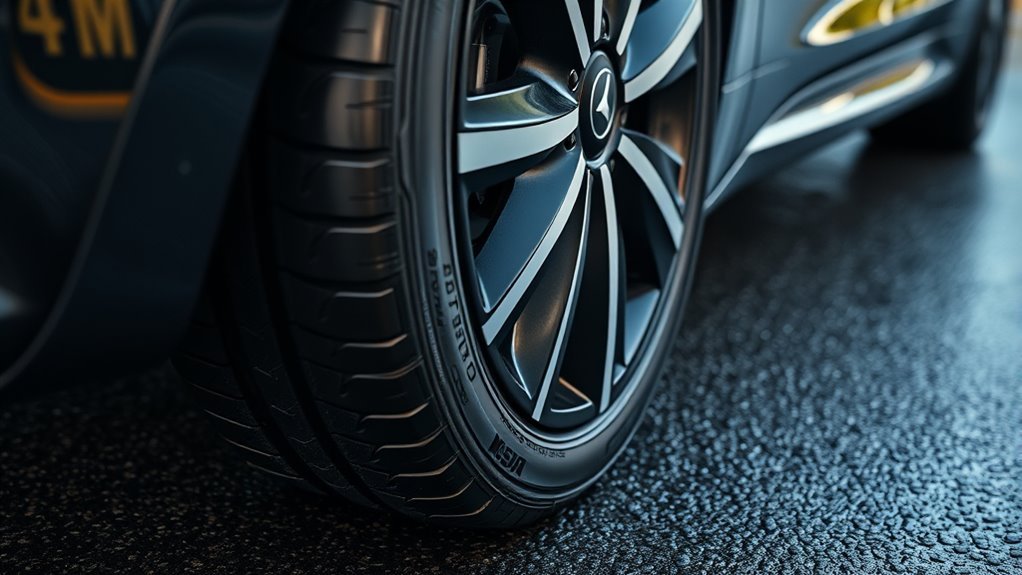
Electric vehicles need special tires made to handle their unique demands. They weigh more than traditional cars and deliver instant torque. This requires tires with stronger sidewalls and materials that reduce rolling resistance.
These tires also improve safety and driving range. Noise-reducing tread designs make rides quieter and more comfortable. Proper load ratings ensure the tires can handle the extra stress from the vehicle’s weight and power.
To get the best performance, EV owners should maintain their tires regularly. Replacing worn tires on time helps keep the vehicle efficient and safe.
Knowing these key points helps you choose and care for the right tires for your electric car.
Do EVs Need Special Tires?
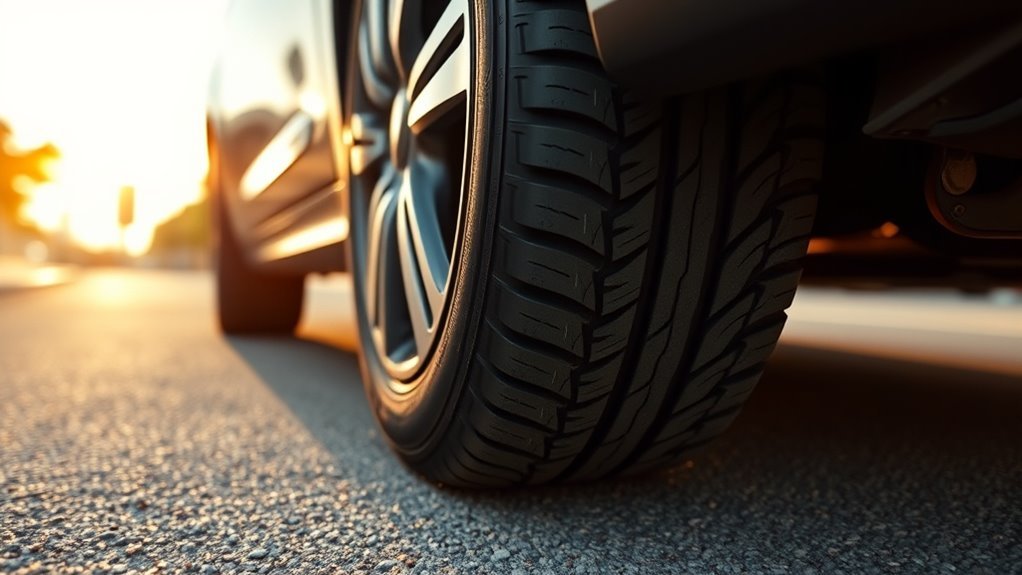
Electric vehicles (EVs) require specialized tires to improve efficiency, safety, and comfort. These tires reduce rolling resistance, manage unique weight distribution, and address quieter driving conditions. Specialized tires help maximize EV range and maintain handling under different stress patterns.
Electric vehicles need specialized tires for efficiency, safety, and comfort, optimizing range and handling under unique conditions.
EV tires lower rolling resistance to extend driving range. Less rolling resistance means the motor uses less energy to move the vehicle. Tire manufacturers use specific rubber compounds and tread designs to achieve this.
Noise reduction is important because EVs operate more quietly than combustion engines. Tires with unique tread patterns and rubber mixes help reduce road noise, enhancing cabin comfort.
Durability is critical for EV tires. Regenerative braking applies frequent and strong forces to the tires. Reinforced sidewalls and stronger materials help tires resist wear and maintain handling.
Weight distribution in EVs differs from conventional cars due to heavy battery packs. Tires must handle higher loads without compromising safety or performance. Manufacturers reinforce tires to accommodate these stresses.
Summary of EV tire features:
- Low rolling resistance compounds
- Noise-reducing tread patterns
- Reinforced construction for durability
- Strengthened sidewalls for heavier loads
Specialized tires contribute to the overall driving experience by improving range, safety, and comfort for electric vehicles.
Why Your EV’s Weight and Torque Matter for Tires
Electric vehicle (EV) weight and torque significantly affect tire performance and durability. Heavier EVs put more stress on tires, requiring stronger load ratings. Instant torque from electric motors causes rapid acceleration, increasing tire wear during launch and cornering. Choosing tires designed for these factors ensures safety and longevity.
EVs weigh more due to large battery packs. This extra weight increases the load on each tire, accelerating tread wear and risking tire damage. Tires must have higher load ratings to handle this mass safely.
Electric motors deliver torque immediately, unlike combustion engines. This sudden force causes rapid acceleration and higher lateral forces in turns. Tires experience greater stress, which can lead to faster tread degradation and reduced lifespan.
Traditional tires made for lighter, gasoline vehicles often lack the durability for EV demands. Using tires specifically engineered for heavier weight and high torque helps maintain traction, control, and tire life.
Key considerations for EV tires:
- Load rating suited for increased vehicle mass
- Tread compounds that resist accelerated wear
- Sidewall strength to support heavy battery weight
- Design optimized for instant torque and quick acceleration
Selecting tires that meet these criteria supports safety, handling, and durability under EV operational conditions.
EV Tire Features That Maximize Range and Performance
EV tires are designed to improve electric vehicle range and performance by reducing energy loss and supporting heavier vehicle weight. They use specialized materials and structures to balance efficiency, safety, and durability, making them different from tires for gasoline-powered cars.
Low rolling resistance compounds in EV tires lower the energy needed to turn the wheels. This reduction in friction helps conserve battery power and extends driving range.
Tread patterns on EV tires reduce friction with the road while maintaining grip. These patterns ensure efficient rolling without sacrificing traction needed for safe handling.
Reinforced sidewalls handle the additional weight of electric vehicles. This reinforcement prevents faster tire wear and maintains stability during acceleration and cornering.
Noise reduction features in EV tires minimize road noise. These features contribute to a quieter cabin, complementing the silent electric drivetrain.
Summary of EV tire features:
- Low rolling resistance compounds reduce energy loss
- Tread patterns balance traction and efficiency
- Reinforced sidewalls support heavier EV weight
- Noise reduction technology enhances cabin quietness
These features collectively improve energy efficiency, handling, and tire life compared to conventional tires designed for combustion engines.
How to Choose the Best EV Tires for Your Model
Selecting the best tires for an electric vehicle involves evaluating tire load ratings to guarantee they support the car’s weight. Additionally, the tires must handle the high torque characteristic of EVs without compromising durability. Rolling resistance is another critical factor, as it directly affects energy efficiency and driving range.
Tire Load Ratings
Determining the correct tire load rating for an electric vehicle (EV) involves matching the tire’s capacity to the vehicle’s weight, which is higher due to battery packs. The load rating ensures the tire can safely support the EV under typical and maximum load conditions.
Tire manufacturers specify load ratings as a numeric code that corresponds to the maximum weight a tire can carry at a specific pressure. EV owners should:
- Check the vehicle manufacturer’s recommended load rating in the owner’s manual or on the tire information label.
- Consider additional weight from passengers and cargo when selecting tires.
- Avoid tires with load ratings below the manufacturer’s specifications, as under-rated tires risk overheating and premature wear.
- Use tires with load ratings that maintain handling stability and braking performance, especially during emergency driving situations.
Proper tire load ratings help maintain safety, tire durability, and energy efficiency for electric vehicles. Choosing tires that meet or exceed the recommended load rating accommodates the EV’s unique weight and driving demands.
Torque Handling Capability
Torque handling capability is critical when choosing tires for electric vehicles (EVs) because EVs deliver instant, high torque during acceleration. Tires must manage this force without rapid wear or traction loss to maintain safety and performance.
Electric vehicles produce torque instantly, often higher than conventional cars. This sudden force puts extra stress on tires, especially during quick starts. Tires designed for EVs have reinforced sidewalls and special rubber compounds to handle these loads. Proper tread patterns also help maintain grip and stability.
Tire construction and tread design affect torque management by:
- Enhancing traction during acceleration
- Preventing premature tire wear
- Maintaining vehicle stability and control
Choosing tires that match an EV’s torque output improves durability and driving dynamics. Ignoring torque handling can cause early tire damage, reduce performance, and compromise safety. Proper tire selection supports efficient power transfer and reliable handling under high torque conditions.
Rolling Resistance Impact
Rolling resistance is the force that opposes a tire’s motion as it rolls on the road. Lower rolling resistance reduces energy loss during driving, which improves electric vehicle (EV) range and efficiency. EV tires designed to minimize rolling resistance help extend battery life and reduce environmental impact.
Rolling resistance affects tire performance by influencing how much energy the vehicle uses to maintain motion. Tires with specialized rubber compounds and tread patterns reduce friction with the road surface. These designs balance low rolling resistance with sufficient grip and tread durability, supporting safe handling and tire longevity.
Choosing tires with optimized rolling resistance can increase an EV’s driving range by several percentage points. This improvement lowers the frequency of battery charging and reduces overall energy consumption. The direct benefits include cost savings on electricity and less environmental impact from energy production.
Key advantages of low rolling resistance tires include:
- Extended driving range without frequent charging stops
- Reduced energy consumption and improved battery efficiency
- Quieter and smoother rides due to optimized tread designs
- Contribution to lower carbon emissions from reduced electricity use
Understanding rolling resistance helps drivers select tires that match their EV model and driving needs. It is a measurable factor that directly impacts efficiency, cost, and environmental footprint, making it essential in tire choice for electric vehicles.
When to Replace Your EV Tires
Electric vehicle (EV) tires wear differently than conventional tires due to higher torque and weight. Replacing EV tires on time keeps driving safe and efficient. Check tread depth and tire condition often.
EV tires usually wear unevenly. Higher torque from electric motors and extra vehicle weight cause faster tread wear in some areas. Monitor tread depth regularly. Replace tires when tread depth is below 2/32 of an inch. Also, inspect tires for visible damage like cracks or bulges.
Tire age affects performance. Replace tires older than six years, even if tread looks fine. Driving conditions such as rough roads or extreme temperatures can reduce tire lifespan.
| Indicator | Replacement Recommendation |
|---|---|
| Tread Depth < 2/32" | Replace immediately |
| Visible Damage | Inspect carefully; replace if unsafe |
| Tire Age > 6 years | Replace regardless of tread depth |
Regular tire inspections improve EV handling, safety, and efficiency. Check tires monthly or before long trips.
How to Replace Your EV Tires
Replacing EV tires means choosing tires that handle the vehicle’s heavier weight and instant torque. Proper tire selection keeps the EV safe and maintains its performance.
Electric vehicles weigh more due to battery packs, and their torque affects tire wear. Use tires with higher load and torque ratings than regular cars. Match the original tire size, speed rating, and tread type to avoid changes in driving range and handling.
Professional installation ensures tires are balanced and aligned correctly. Proper alignment prevents uneven wear and maintains handling. Always follow manufacturer tire specifications and recommendations.
Dispose of old tires through recycling programs or authorized centers to reduce environmental harm. Responsible disposal supports sustainability in EV maintenance.
Summary:
- Select tires with higher load and torque ratings
- Match original tire specifications
- Use professional installation for balance and alignment
- Recycle old tires responsibly
Following these steps preserves EV efficiency, safety, and driving experience.
How to Maintain EV Tires for Longer Life
Maintaining EV tires involves consistent attention to proper tire inflation, which guarantees peak performance and safety. Regular tire rotation helps distribute wear evenly, extending tire lifespan. Monitoring tread wear is essential to identify when replacement is necessary and maintain traction.
Proper Tire Inflation
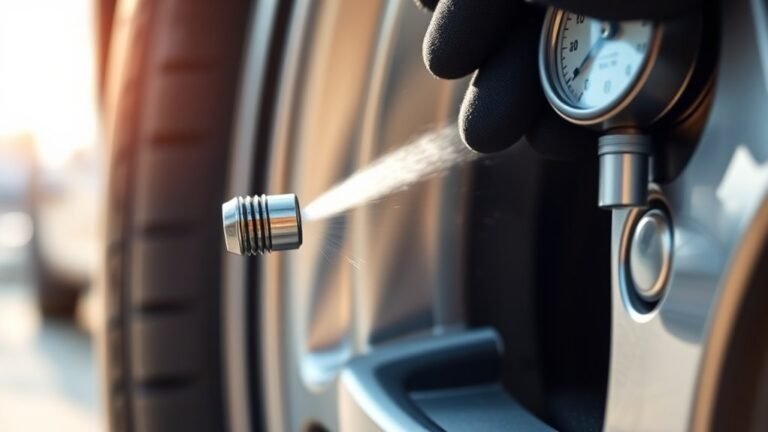
Proper tire inflation ensures electric vehicles (EVs) perform safely, efficiently, and with longer tire life. Maintaining the correct pressure meets the specific needs of EVs, which carry heavy batteries and provide instant torque. Incorrect inflation lowers range, causes uneven wear, and reduces grip.
Electric vehicles require proper tire pressure to maximize driving range. Underinflated tires increase rolling resistance, which decreases efficiency and reduces battery range. Overinflated tires cause uneven tread wear and reduce traction, affecting stability and safety.
Key benefits of correct tire inflation for EVs:
- Maximizes driving range and reduces range anxiety
- Improves handling and braking performance
- Extends tire lifespan, lowering replacement costs
- Enhances ride comfort through balanced tire pressure
Regularly checking tire pressure against manufacturer recommendations maintains optimal EV performance. Use a reliable pressure gauge and adjust tires when cold for accurate readings. Proper inflation protects battery efficiency and vehicle safety over time.
Regular Tire Rotation
Tires on electric vehicles (EVs) should be rotated every 5,000 to 7,500 miles to extend their lifespan. Regular rotation balances tire wear caused by EVs’ unique weight and torque characteristics, helping maintain handling and safety.
Electric vehicles have higher torque and uneven weight distribution compared to traditional cars. This can cause faster wear on certain tires. Rotating tires regularly evens out the tread wear.
Rotation patterns depend on the drivetrain type:
- Front-wheel drive: forward cross pattern
- Rear-wheel drive: rearward cross pattern
- All-wheel drive: X-pattern or as recommended by the manufacturer
Consistent tire rotation preserves traction and prevents uneven wear that can reduce tire life. Ignoring rotation leads to early tire replacement and increased costs.
Follow the manufacturer’s recommended rotation interval to maximize tire durability and maintain vehicle performance.
Monitor Tread Wear
Tread wear indicates how much a tire’s surface has worn down and affects safety and driving efficiency. Monitoring tread depth on electric vehicles (EVs) is crucial because EVs often experience faster tire wear due to heavier batteries and higher torque.
Electric vehicles face increased tire wear from extra weight and strong torque output. Regular tire rotation helps distribute wear evenly but does not replace tread depth checks. Drivers should inspect tires for uneven tread, which may indicate alignment or suspension problems.
Maintaining proper tread depth improves traction, braking, and energy efficiency. It also reduces the risk of hydroplaning on wet roads. Worn tread can shorten tire life and increase replacement costs.
Key reasons to monitor tread wear:
- Enhance traction and braking performance
- Prevent hydroplaning on wet surfaces
- Extend tire lifespan and reduce costs
- Improve driving comfort and safety
Consistent tread depth monitoring supports longer tire life and better EV performance. It protects both the vehicle and passengers by ensuring tires function safely under EV-specific conditions.
Frequently Asked Questions
Can I Use Winter Tires on My Electric Vehicle?
Yes, winter tires can be used on electric vehicles and are recommended for better traction and safety in cold, snowy conditions. They help handle the heavier weight and instant torque of EVs, improving durability and performance. Choose tires with appropriate load ratings and low rolling resistance to maintain range. Proper winter tires enhance stability and safety during winter months.
Do EV Tires Wear Out Faster Than Regular Tires?
Do EV tires wear out faster than regular tires?
Yes, EV tires tend to wear out faster due to higher torque and increased vehicle weight. Instant torque accelerates tread wear, especially during rapid acceleration, and the heavier batteries add extra stress. Using tires designed specifically for EVs can help reduce wear and improve longevity.
Are Run-Flat Tires Compatible With Electric Cars?
Are run-flat tires compatible with electric cars?
Yes, run-flat tires are compatible with electric cars and allow driving after a puncture. However, their heavier construction can reduce driving range and affect handling. The added weight may also increase tire wear and decrease efficiency compared to tires specifically designed for electric vehicles.
How Does Tire Pressure Affect EV Battery Efficiency?
How does tire pressure affect EV battery efficiency?
Proper tire pressure reduces rolling resistance, helping the EV consume less energy and extend battery range.
What happens if EV tires are underinflated?
Underinflated tires increase friction, leading to higher energy consumption and lower battery efficiency.
Can overinflated tires improve EV efficiency?
Overinflated tires may slightly improve efficiency but can reduce traction and ride comfort.
What is the best tire pressure for maximizing EV battery performance?
Maintaining the manufacturer-recommended tire pressure optimizes battery efficiency and ensures safe driving.
Can Tire Choice Impact EV Charging Times?
Can tire choice impact EV charging times?
No, tire choice does not directly affect how fast an electric vehicle charges. However, tires with lower rolling resistance improve energy efficiency and extend driving range, which can reduce how often you need to charge.