How Do Car Tire Pressure Sensors Work? Direct vs. Indirect TPMS Explained
Car tire pressure sensors help keep your tires properly inflated. They use two main types of systems: direct and indirect TPMS. These systems alert drivers when tire pressure drops below safe levels.
Direct TPMS uses sensors inside each tire. These sensors measure the air pressure directly. They send real-time data wirelessly to the vehicle’s display, allowing accurate monitoring.
Indirect TPMS works differently. It uses the vehicle’s ABS sensors to track wheel speed. Changes in rotation rates indicate if a tire is underinflated. This method does not require sensors inside the tires but may be less precise.
Understanding these systems helps improve vehicle safety and maintenance.
What Is a Tire Pressure Monitoring System (TPMS)?

A Tire Pressure Monitoring System (TPMS) monitors the air pressure inside vehicle tires and alerts the driver when pressure is too low or too high. It provides real-time tire pressure data via a dashboard display or indicator light to help maintain safe and efficient tire inflation.
TPMS uses sensors to measure tire pressure. These sensors are installed inside each tire or use indirect methods like wheel speed data. The sensors send pressure readings to the vehicle’s onboard computer. The computer processes this information and triggers alerts if pressure falls outside recommended levels.
Maintaining correct tire pressure improves vehicle safety, fuel efficiency, and tire lifespan. Most modern cars come equipped with TPMS as a standard feature to support ongoing tire maintenance. The system helps drivers avoid problems caused by under-inflated or over-inflated tires.
Why TPMS Matters for Vehicle Safety
Maintaining proper tire pressure is essential for vehicle safety. It ensures stable handling, reduces the risk of tire blowouts, and supports effective braking. The Tire Pressure Monitoring System (TPMS) alerts drivers when tire pressure is too low, helping prevent accidents caused by underinflated tires.
Proper tire pressure improves vehicle handling and stability. Tires with correct pressure provide better grip on the road, which reduces the likelihood of skidding or losing control, especially during sharp turns or sudden maneuvers.
Underinflated tires generate more heat due to increased friction. This heat buildup raises the risk of tire blowouts, which can lead to dangerous accidents. TPMS helps avoid this by warning drivers before tire pressure drops to unsafe levels.
Tire pressure affects braking performance. Tires inflated to the recommended pressure maintain optimal contact with the road surface, enabling shorter stopping distances. This is critical for avoiding collisions in emergency braking situations.
The Tire Pressure Monitoring System (TPMS) acts as a safety tool by continuously monitoring tire pressure. It alerts drivers to pressure drops that may not be visible, helping maintain tire integrity and overall vehicle control.
How Direct TPMS Measures Tire Pressure Inside the Tire
Direct TPMS measures tire pressure using sensors installed inside each tire. These sensors detect the air pressure directly and send the data wirelessly to the vehicle’s computer for real-time monitoring.
Direct Tire Pressure Monitoring Systems use pressure sensors mounted on the valve stem or wheel rim inside the tire. Each sensor contains a pressure transducer that measures the internal air pressure. The sensor converts this pressure into an electronic signal.
The electronic signal transmits wirelessly to the vehicle’s onboard computer. The system continuously monitors each tire’s inflation status and provides alerts if pressure drops below recommended levels.
A battery powers each sensor, usually lasting several years before replacement is needed. Direct TPMS operates independently of external factors like wheel speed and relies only on the air pressure inside the tire.
Summary of direct TPMS functions:
- Pressure sensors inside each tire measure air pressure directly.
- Sensors convert pressure to electronic signals.
- Wireless transmission sends data to the vehicle computer.
- Continuous real-time monitoring tracks inflation status.
- Battery-powered sensors typically last multiple years.
- Alerts warn when tire pressure falls below safe levels.
- System works independently of external influences.
How Indirect TPMS Uses Wheel Speed Sensors to Detect Pressure
Indirect TPMS estimates tire pressure by using wheel speed sensors instead of measuring pressure inside the tire. It detects underinflated tires by identifying differences in wheel rotation speeds caused by changes in tire size due to low pressure.
Indirect TPMS relies on the vehicle’s existing wheel speed sensors, typically part of the anti-lock braking system (ABS). Underinflated tires have a smaller rolling radius, so they rotate faster than properly inflated tires at the same vehicle speed. The system monitors and compares wheel speeds to spot faster-spinning wheels.
The detection process includes:
- Measuring each wheel’s rotational speed during driving.
- Comparing the speeds of all wheels to find any wheel rotating faster.
- Applying algorithms to assess if the speed difference indicates low tire pressure.
This method does not require sensors inside the tires. Instead, it uses data from ABS sensors to provide indirect tire pressure monitoring.
Pros and Cons of Direct vs. Indirect TPMS Systems
Direct TPMS and indirect TPMS differ in how they detect tire pressure. Direct TPMS measures pressure inside each tire using sensors. Indirect TPMS estimates pressure by analyzing wheel speed data. Each system offers distinct benefits and limitations in accuracy, cost, and maintenance.
Direct TPMS uses pressure sensors mounted inside each tire. These sensors send real-time pressure readings to the vehicle’s computer. This method provides accurate, actual pressure values for each tire. Direct TPMS alerts drivers immediately when pressure drops below safe levels.
Indirect TPMS works by monitoring wheel speed sensors. It compares the rotation speed of each tire to detect changes caused by low pressure. Lower tire pressure reduces tire circumference, causing that wheel to spin faster. Indirect TPMS estimates pressure without direct measurement, relying on algorithms.
| Feature | Direct TPMS | Indirect TPMS |
|---|---|---|
| Accuracy | Measures actual tire pressure | Estimates pressure via wheel speed differences |
| Cost | Higher due to sensor hardware | Lower, uses existing wheel speed sensors |
| Maintenance | Requires sensor battery replacement | Minimal maintenance, no batteries |
Direct TPMS delivers precise pressure data but increases vehicle cost and requires occasional sensor battery changes. Indirect TPMS lowers cost and maintenance efforts but offers less accuracy and no direct pressure readings.
Choosing between direct and indirect TPMS depends on priorities such as accuracy, budget, and maintenance preferences. Direct TPMS suits drivers needing exact pressure data, while indirect TPMS fits those seeking a low-cost, low-maintenance option.
How Your Car’s TPMS Alerts You About Low Tire Pressure
When tire pressure drops below the recommended level, the car’s TPMS triggers a warning light on the dashboard. This visual alert is often accompanied by an audible signal to capture the driver’s attention. Together, these notifications prompt timely maintenance to guarantee safety and performance.
Warning Light Activation
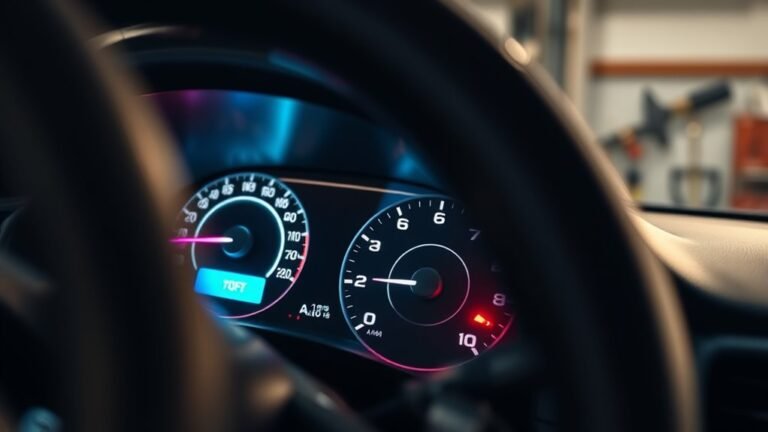
A car’s Tire Pressure Monitoring System (TPMS) notifies drivers of low tire pressure by activating a specific warning light on the dashboard. This light signals the driver to check tire pressure promptly to maintain safety and vehicle performance.
TPMS uses sensors inside each tire to measure air pressure continuously. When pressure drops below a preset threshold, the sensors send data to the vehicle’s onboard computer. The computer then triggers a warning light shaped like a horseshoe with an exclamation point or labeled “TPMS.”
The warning light activation process includes:
- Sensors detecting tire pressure below a preset limit.
- Data transmission from sensors to the vehicle’s computer.
- The onboard computer illuminating the dashboard warning light.
This system alerts the driver visually, encouraging timely inspection and tire maintenance. Proper tire pressure prevents poor handling, uneven tire wear, and potential tire damage or failure.
Audible Alert Signals
Audible alert signals in vehicles warn drivers of low tire pressure through distinct sounds. These alerts use beeps, chimes, or voice messages triggered when tire pressure falls below a set limit. Audible signals grab driver attention even if the dashboard is not in view, enhancing safety.
Most vehicles use different sound patterns to indicate the severity of low tire pressure. The sound’s intensity, frequency, and repetition vary by make and model. Some systems combine audible alerts with visual warnings for clearer notification.
Common audible alert types include:
| Alert Type | Sound Pattern | Purpose |
|---|---|---|
| Single beep | One short beep | Initial low-pressure warning |
| Repeated beeps | Multiple rapid beeps | Critical low-pressure warning |
| Continuous tone | Steady sound | Immediate attention required |
| Voice alert | Spoken message | Identifies specific tire issue |
Vehicle manufacturers design these signals to ensure drivers respond promptly to tire pressure problems, helping prevent accidents and maintaining tire performance.
Troubleshooting and Maintaining Your TPMS Sensors
TPMS sensors monitor tire pressure to ensure safe driving and fuel efficiency. Troubleshooting and maintenance keep the system accurate and functional. Regular checks prevent sensor failure and false alerts.
Common troubleshooting and maintenance steps include:
- Inspect for physical damage: Examine sensors for corrosion, broken parts, or valve stem leaks. Damage can disrupt signal transmission and cause incorrect pressure readings.
- Monitor battery life: TPMS sensors use batteries that last 5-10 years. Low battery power causes sensor failures or intermittent alerts. Replace batteries promptly when needed.
- Check sensor compatibility and installation: Use the correct sensor type for your vehicle. Improper installation during tire service can cause false readings or sensor malfunction.
Routine inspection and care of these factors maintain reliable tire pressure monitoring and extend sensor lifespan.
Resetting Your TPMS After Tire Changes
After changing tires, it is important to reset the Tire Pressure Monitoring System (TPMS) to guarantee accurate readings. The reset process varies by vehicle but generally involves specific procedures and may require specialized tools. Understanding when and how to perform this reset is essential for maintaining proper tire pressure monitoring.
When To Reset TPMS
Resetting the tire pressure monitoring system (TPMS) ensures accurate tire pressure readings after changes to tires or wheels. The system needs recalibration to recognize new tire positions, pressures, and sensor conditions. Proper TPMS reset maintains vehicle safety and reliable pressure monitoring.
Key times to reset the TPMS include:
- Installing new tires or wheels. Sensor IDs or positions may change, requiring the system to relearn them.
- After rotating tires. The sensor data must match the tires’ new locations.
- Repairing tires that involve removing or replacing sensors. The system must recalibrate to the updated sensor status.
Failing to reset TPMS after these events can cause false warnings or errors. Such issues may affect vehicle safety and tire performance by providing incorrect pressure information.
Reset Procedures Overview
Resetting the tire pressure monitoring system (TPMS) after tire changes ensures accurate pressure readings and vehicle safety. The reset method depends on whether the vehicle uses a direct or indirect TPMS. Proper resetting prevents false alerts and system errors.
Direct TPMS uses sensors inside each tire to measure pressure. After tire mounting or rotation, the system requires sensor initialization to sync data with the vehicle’s computer. This reset often involves:
- Turning the ignition on without starting the engine.
- Pressing the TPMS reset button until the indicator light blinks.
- Driving the vehicle for several minutes to complete sensor registration.
Indirect TPMS estimates tire pressure by monitoring wheel speed sensors. Resetting usually requires recalibration through:
- A manual reset in the vehicle’s settings menu.
- Driving the vehicle at a steady speed (often above 30 mph) for a set distance or time.
Failing to reset TPMS can cause incorrect pressure warnings or system malfunctions. Always follow the vehicle manufacturer’s reset instructions found in the owner’s manual. Proper resets maintain accurate tire pressure monitoring, supporting safety and tire longevity.
Tools Needed For Reset
Resetting a vehicle’s TPMS requires specific tools to ensure accurate calibration and proper system function. These tools verify tire pressure and sensor status after adjustments, enabling a reliable reset for safe tire monitoring.
Essential tools for TPMS reset include:
1. TPMS Reset Tool/Scanner
This handheld device communicates with the tire sensors. It initiates the reset process and confirms sensor operation by reading sensor signals.
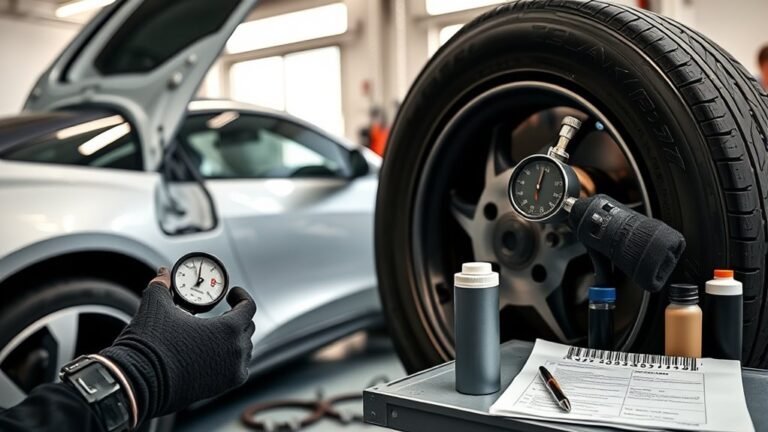
2. Tire Pressure Gauge
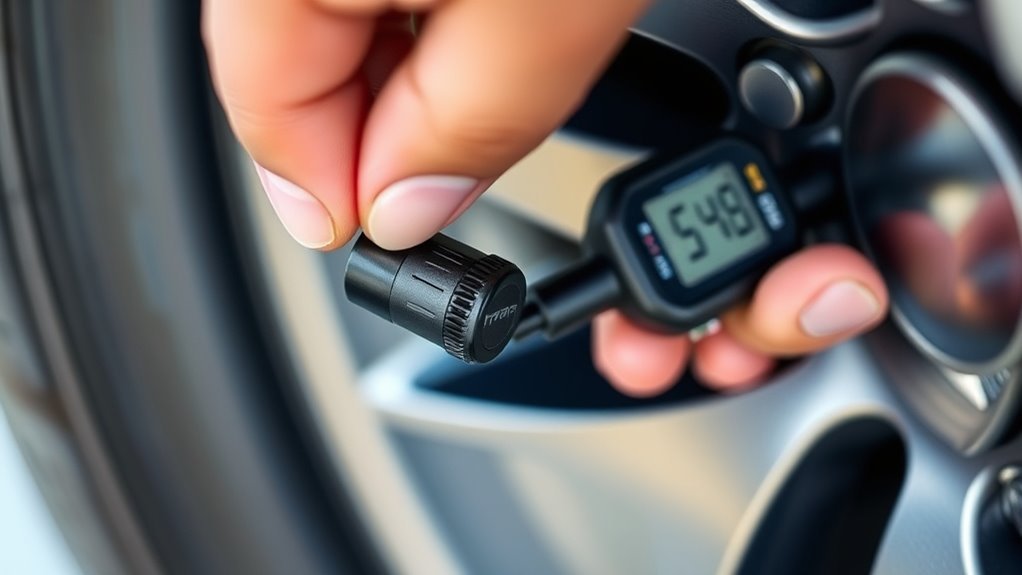
A pressure gauge measures tire inflation manually. Correct tire pressure must match the manufacturer’s specifications before resetting the TPMS.
3. Vehicle Owner’s Manual or TPMS Guide
The manual provides reset steps and identifies compatible tools for each vehicle make and model.
Having the proper tools reduces errors and ensures the TPMS accurately reports tire conditions, supporting vehicle safety and efficiency.
What to Look for in a Car’s TPMS When Buying
A tire pressure monitoring system (TPMS) helps drivers maintain correct tire pressure by providing alerts when pressure drops. There are two main types: direct and indirect. Direct TPMS uses sensors inside tires to show real-time pressure. Indirect TPMS estimates pressure by monitoring wheel speed through the ABS system.
Vehicle compatibility is essential for TPMS installation and operation. TPMS sensors and systems must match the vehicle’s make, model, and year to ensure accurate readings and proper fit. Checking manufacturer guidelines or consulting a professional helps avoid compatibility issues.
Battery life affects how long a TPMS sensor remains functional without replacement. Most direct TPMS sensors use batteries that last 5 to 10 years. Sensor durability also matters, as sensors must withstand harsh road conditions and temperature changes.
Installation ease varies among TPMS models. Some systems require professional installation, while others offer plug-and-play options. A user-friendly reset tool simplifies system maintenance after tire rotations or replacements.
Accuracy and alert reliability are critical for safety. A good TPMS delivers precise pressure readings and minimizes false alarms. Reliable alerts help drivers respond promptly to low tire pressure, reducing risks on the road.
Summary of Key TPMS Factors
| Factor | Details |
|---|---|
| Type | Direct (sensor-based) or indirect (wheel speed-based) |
| Vehicle Compatibility | Matches make, model, and year |
| Battery Life | Typically 5-10 years for direct sensors |
| Sensor Durability | Withstands temperature and road conditions |
| Installation | Professional or user-friendly plug-and-play options |
| Alert Accuracy | Precise pressure readings with minimal false warnings |
Choosing a TPMS with these factors in mind ensures reliable monitoring and enhances vehicle safety.
Future Trends in TPMS Technology and Smart Tire Monitoring
Future advancements in tire pressure monitoring systems (TPMS) focus on seamless integration with broader vehicle systems to enhance safety and efficiency. Emerging sensor technologies promise greater accuracy and real-time data collection beyond just pressure measurement. These developments aim to provide drivers with more thorough and actionable tire health insights.
Integration With Vehicle Systems
Tire pressure monitoring systems (TPMS) integrate with vehicle systems to improve safety, efficiency, and maintenance. This connection allows TPMS data to interact with other vehicle controls, supporting real-time adjustments and better driver information.
Centralized data sharing combines TPMS readings with other sensor inputs. Onboard computers receive a full picture of vehicle status, enabling coordinated responses.
Driver assistance systems use TPMS alerts to enhance features like adaptive cruise control and stability control. These systems adjust based on tire condition to maintain control.
Telematics platforms transmit tire data to mobile devices or fleet managers. This remote monitoring supports timely maintenance and reduces downtime.
Summary of TPMS integration benefits:
- Centralized sensor data enhances vehicle system coordination.
- Driver aids respond to tire alerts for improved safety.
- Remote monitoring enables proactive tire maintenance.
Integrating TPMS with vehicle systems sharpens vehicle response, lowers maintenance costs, and improves driver awareness without adding extra displays.
Advanced Sensor Technologies
Advancements in sensor technology can expand tire pressure monitoring systems (TPMS) to track multiple tire conditions beyond pressure. New sensors can measure temperature, tread wear, and tire deformation in real time, enabling comprehensive tire health management.
Multi-parameter sensors collect data on pressure, temperature, tread depth, and tire shape changes. These sensors connect via the Internet of Things (IoT) to vehicle systems and cloud platforms. Continuous data transmission supports predictive maintenance and timely safety alerts.
Machine learning algorithms analyze the sensor data to identify early signs of tire issues. These algorithms detect subtle changes that occur before pressure loss or tire damage becomes critical. This predictive capability reduces tire failure risks.
Energy-harvesting technologies power sensors using vibrations or heat from the tire. Autonomous power reduces the need for battery replacement or external charging, lowering maintenance costs and increasing sensor reliability.
Smart tire monitoring integrates with autonomous driving systems. Real-time tire condition data helps optimize vehicle performance on different road surfaces and driving conditions. This integration improves safety and efficiency.
Summary of advancements in TPMS:
- Multi-parameter sensing: pressure, temperature, tread wear, deformation
- IoT connectivity for real-time data transfer
- Machine learning for early anomaly detection
- Energy harvesting for autonomous sensor power
- Integration with autonomous vehicle systems
These improvements shift TPMS from reactive alerts to proactive tire management, enhancing vehicle safety, efficiency, and driver experience.
Frequently Asked Questions
How Long Do TPMS Sensors Typically Last Before Needing Replacement?
TPMS sensors usually last 5 to 10 years before needing replacement. Their lifespan is limited by a non-rechargeable internal battery. Factors like environment, driving conditions, and sensor quality also affect durability. Replacement is necessary when the battery dies or the sensor malfunctions to ensure accurate tire pressure monitoring and safety.
Can TPMS Sensors Be Repaired if They Malfunction?
Can TPMS sensors be repaired if they malfunction?
No, TPMS sensors usually cannot be repaired because of their sealed design. When they fail, replacement is necessary to ensure accurate tire pressure monitoring. Some parts like valve stems can be serviced separately, but the sensor unit itself is typically replaced to maintain system reliability and safety.
Are TPMS Sensors Affected by Extreme Weather Conditions?
TPMS sensors can be affected by extreme weather. Low temperatures may reduce battery performance, while excessive heat can damage components or cause battery failure. Moisture and corrosion also impact sensor accuracy and lifespan. However, most sensors are built to endure typical environmental conditions and function reliably within normal temperature ranges.
Do Aftermarket Tires Always Work With Existing TPMS Systems?
Aftermarket tires do not always work seamlessly with existing TPMS systems. Compatibility depends on tire size, type, and whether TPMS sensors are retained or replaced. Some aftermarket tires can interfere with sensor signals or need sensor recalibration. Always confirm tire compatibility with your vehicle’s TPMS to ensure accurate pressure monitoring and avoid sensor issues.
How Much Does It Cost to Replace a TPMS Sensor?
The cost to replace a TPMS sensor ranges from $50 to $150 per sensor, including parts and labor. Prices vary by vehicle make, model, and sensor type. Labor costs depend on the service provider, with dealerships typically charging more than independent shops. Some vehicles may require additional fees for sensor reprogramming or relearning. Replacing all four sensors can cost between $100 and $300.