How Much Does a Car Starter Repair Cost? Parts, Labor, and Diagnosis
Car starter repair costs vary depending on several factors. Diagnostic fees usually range from $50 to $100. These initial checks help identify the exact issue with the starter system.
The main parts involved include the starter motor, solenoid, and drive gear. Each component affects the overall repair cost.
Labor charges also add to expenses, typically between $70 and $130 per hour. Rates depend on the mechanic’s location and experience.
Vehicle type plays a role too. Luxury and high-end models often have higher repair costs.
Understanding these factors can help you decide whether to repair or replace your starter. This knowledge ensures you make an informed choice.
What a Car Starter Does and Why It Fails
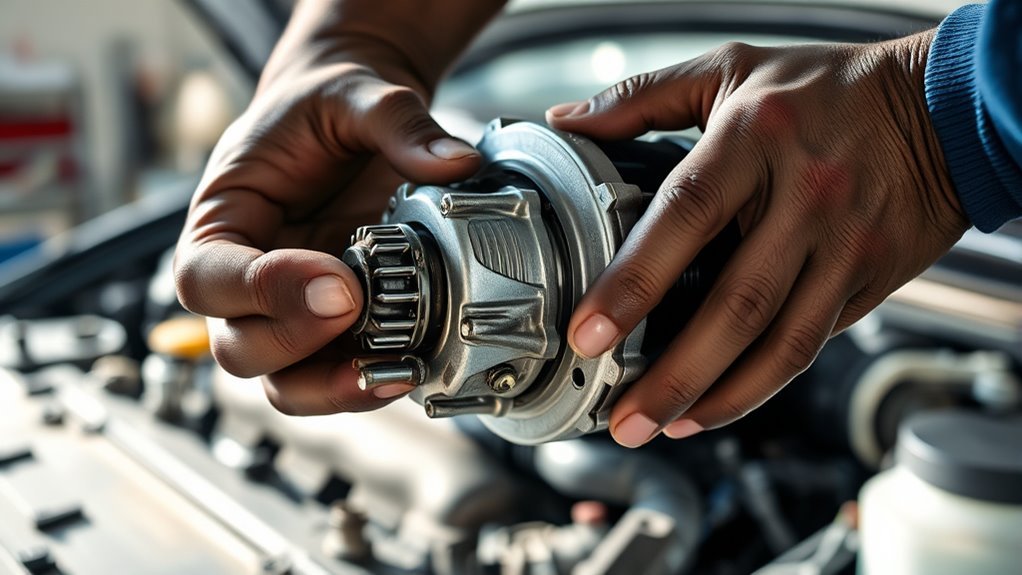
A car starter is an electric motor that initiates the engine’s operation by turning the engine’s flywheel. It transforms electrical energy from the battery into mechanical motion to start the combustion process.
The starter’s main components include the solenoid, armature, and starter motor. The solenoid acts as a switch that engages the starter motor. The armature rotates inside the motor to generate torque, which turns the engine’s flywheel.
Starter failure happens due to electrical and mechanical problems. Common electrical issues include worn brushes and faulty solenoids that prevent proper current flow. Mechanical wear results from prolonged use, causing parts to degrade or seize.
Heat and corrosion can damage starter components, reducing their effectiveness. Wiring problems such as loose or corroded connections also impair starter performance and prevent the engine from starting.
Summary of common starter failure causes:
- Worn brushes or faulty solenoid
- Mechanical wear and seized parts
- Heat damage and corrosion
- Poor wiring or loose connections
Understanding these causes helps diagnose starter problems quickly and supports timely repairs for reliable vehicle operation.
How to Diagnose a Bad Starter: Signs and Tests
A failing starter shows specific symptoms that help diagnose the problem early. Common signs are a clicking noise when turning the key, a slow engine crank, or no engine response. Identifying these symptoms allows for timely repair and prevents further vehicle issues.
Diagnostic tests confirm starter problems by checking electrical components involved in starting the engine. These tests include measuring battery voltage, testing the starter relay, and performing a voltage drop test on the starter circuit.
| Symptom | Diagnostic Test |
|---|---|
| Clicking sound | Relay continuity check |
| Slow engine crank | Battery voltage measurement |
| No engine response | Voltage drop test on starter circuit |
Checking battery voltage verifies power availability. Testing relay continuity ensures the relay operates correctly. A voltage drop test detects excessive resistance or wiring issues in the starter circuit. These tests differentiate starter faults from battery or alternator problems, guiding accurate repairs.
Which Starter Parts Drive Up Repair Costs
Starter repair costs are influenced by the specific components that require replacement, such as the solenoid, armature, or brushes. Certain parts tend to be more expensive due to their complexity and availability. Additionally, common wear factors like heat and electrical strain can accelerate damage, increasing the likelihood of costly repairs.
Key Starter Components
Several key components work together to start a car engine. Repair costs vary depending on which parts need fixing. The starter motor assembly, solenoid, drive gear, brushes, commutator, and electrical wiring all influence repair complexity and expense. Damage to any of these parts can cause starting failure.
The main components and their functions include:
| Component | Function |
|---|---|
| Starter Motor | Converts electrical energy into mechanical motion to crank the engine |
| Solenoid | Engages the starter motor with the engine’s flywheel |
| Drive Gear | Connects the starter motor to the engine’s flywheel |
| Brushes & Commutator | Conduct electricity inside the starter motor |
| Electrical Wiring | Transfers power from the battery to the starter motor |
Understanding each part helps explain why repair costs vary based on the condition and accessibility of components. Diagnosing which component has failed guides targeted repairs and reduces unnecessary expenses.
Costly Replacement Parts
Critical starting system parts impact repair costs due to their complexity and price. The starter motor is typically the most costly part because it combines electrical and mechanical components that require precise manufacturing.
The solenoid engages the starter gear with the engine’s flywheel. When integrated with the motor, the solenoid increases replacement expenses. The starter drive gear, also known as the Bendix drive, must be replaced with compatible precision parts if damaged, adding to costs.
The starter relay and wiring harnesses also affect overall repair costs. Their role in maintaining electrical system integrity makes their replacement essential. Limited availability and the specialized nature of these components often raise repair bills.
Summary of costly starting system parts:
- Starter motor: Complex electrical and mechanical assembly, highest cost
- Solenoid: Engages starter gear, integrated units cost more
- Starter drive gear (Bendix drive): Requires precise replacement parts
- Starter relay and wiring harnesses: Essential for electrical integrity, affect repair price
Common Wear Factors
Wear and tear significantly affect the cost of repairing a car’s starting system. Key starter parts degrade over time, requiring replacement or repair. Understanding which components wear out most often helps estimate repair expenses accurately.
Several starter components experience common wear:
- Solenoid: Electrical burnout is common. Repair costs range from moderate to high due to the solenoid’s role in engaging the starter motor.
- Brushes: Brushes wear down from friction. Repair costs are generally low to moderate because brushes are relatively inexpensive and easier to replace.
- Armature: Overheating and mechanical wear damage the armature. Repairs tend to be costly since the armature is a critical and complex part.
- Drive Gear: Mechanical stress causes wear or breakage. Repair costs vary from moderate to high depending on the extent of damage.
- Bearings: Bearings fail mainly from lack of lubrication. Repair expenses usually remain low to moderate.
Corrosion and electrical issues can worsen wear on these parts, increasing repair complexity and cost. Regular maintenance can reduce damage caused by wear factors.
| Starter Part | Typical Wear Cause | Effect on Repair Cost |
|---|---|---|
| Solenoid | Electrical burnout | Moderate to high |
| Brushes | Friction wear | Low to moderate |
| Armature | Overheating, wear | High |
| Drive Gear | Mechanical stress | Moderate to high |
| Bearings | Lack of lubrication | Low to moderate |
Knowing these wear patterns helps car owners anticipate repair costs and prioritize maintenance for the starting system.
Starter Repair Labor Costs Explained
Labor costs for starter repair typically vary based on average hourly rates charged by mechanics. Several factors influence these rates, including the vehicle’s make and model, location, and the complexity of the repair. Understanding these elements helps clarify why labor expenses can differ markedly.
Average Hourly Rates
The average hourly rate for starter repair services in the U.S. ranges from $70 to $130. Rates depend on location, shop type, and technician skill. Dealerships charge more than independent shops. Urban repair shops typically have higher labor costs than rural ones.
Factors affecting starter repair hourly rates include:
- Location: Urban areas have higher rates due to overhead costs.
- Shop type: Dealerships charge more for specialized knowledge and OEM parts; independent shops offer lower rates.
- Technician expertise: Certified technicians may command higher fees because of their training.
Hourly rates cover diagnosis, starter removal, repair or replacement, and reinstallation. Knowing these rates helps vehicle owners estimate labor costs before getting detailed quotes.
Factors Affecting Labor
Labor costs for starter motor repair depend on several key factors. The vehicle’s design, starter accessibility, and mechanic skill all influence the time and effort required. Location and shop overhead also affect rates. Knowing these elements helps customers estimate repair expenses accurately.
Vehicle Make and Model
Different vehicles have varying starter designs. Some models require more steps or special tools to remove and replace the starter, increasing labor time. Luxury or older cars often have complex setups that add to the cost.
Accessibility
The ease of reaching the starter motor affects labor hours. Starters located under the engine or behind other parts take longer to access and remove. Clear access allows quicker repairs and lower labor charges.
Technician Expertise
Mechanics with specialized training or certifications may charge higher rates. Experienced technicians often complete the job faster and with fewer errors, balancing higher hourly costs.
Location
Labor rates vary by geographic area. Urban repair shops usually have higher expenses and charge more than rural or suburban shops. Regional demand and cost of living influence pricing.
Shop Overhead
Operating costs like rent, utilities, and insurance impact labor prices. Shops with higher overhead pass those costs to customers through increased labor rates.
| Factor | Impact on Labor Cost |
|---|---|
| Vehicle Make & Model | Complex designs increase labor time and cost |
| Accessibility | Difficult access raises labor hours |
| Technician Expertise | Skilled mechanics charge higher rates but work efficiently |
| Location | Urban areas typically have higher labor rates |
| Shop Overhead | Higher operating costs lead to increased labor prices |
Starter Repair Diagnostic Fees: What to Expect
Starter diagnostic fees cover the cost of identifying the cause of a starter problem. These fees pay for the technician’s time and tools used to test the vehicle’s starting system. Diagnostic charges usually range from $50 to $100 and are separate from repair costs.
Automotive shops use specialized tools to diagnose starter issues. Technicians inspect battery voltage, starter relay operation, and electrical connections. This process helps find the exact problem without replacing parts unnecessarily.
Diagnostic fees vary based on the shop’s location and pricing policies. Many repair centers waive the diagnostic fee if you have the starter repaired or replaced at their facility. Always ask about this when scheduling service.
Summary of starter diagnostic fees:
- Purpose: Identify the starter problem
- Typical cost: $50 to $100
- Includes: Battery and relay tests, electrical inspections
- Separate from repair costs
- Possible waiver if repair done onsite
Understanding diagnostic fees helps avoid unexpected charges and ensures accurate repair recommendations.
How Car Make and Model Affect Starter Repair Prices
The make and model of a vehicle significantly affect starter repair costs. Different cars need specific starter designs, parts, and labor, which influence pricing. Luxury and imported vehicles usually have higher repair expenses due to specialized parts and limited availability. Domestic models often cost less to repair.
Starter repair prices vary based on:
Starter repair costs depend on parts availability, system complexity, labor time, and vehicle-specific requirements.
- Cost and availability of original equipment manufacturer (OEM) parts
- Complexity of the starter system design
- Labor time needed for access and replacement
- Vehicle age and model-specific technical needs
Luxury brands often use unique starter components that are harder to source. This increases parts costs and labor time. Imported vehicles may require specialized tools or procedures, adding to labor expenses. Common domestic models benefit from widely available parts and simpler designs, reducing overall repair costs.
Repair vs. Replacement: Which Saves More?
Repairing a car starter can save money if the damage is minor, such as worn brushes or solenoids. Replacing the starter is often better when internal damage is extensive or many parts fail. Replacement offers a new or remanufactured unit with a warranty, reducing future risks.
Cost is a key factor in the decision. Repairing minor faults usually costs less than buying a new starter. However, complex repairs may require more labor time, increasing expenses. Replacement includes parts and installation, with the benefit of a warranty.
Part availability affects repair feasibility. Common starter components like brushes and solenoids are easier to replace. If parts are scarce or obsolete, replacement is more practical.
Damage severity guides the choice. Starters with severe internal wear, broken gears, or multiple failing parts usually need replacement. Repairing in such cases may be unreliable and costly.
Labor time varies by job complexity. Repairing a starter with multiple faults often takes longer than installing a new unit. Longer labor raises total costs, favoring replacement.
Summary table of factors influencing repair vs. replacement:
| Factor | Repair | Replacement |
|---|---|---|
| Cost | Lower if damage is minor | Higher initial cost |
| Part availability | Dependent on part supply | New or remanufactured unit |
| Damage severity | Suitable for minor issues | Best for severe or multiple faults |
| Labor time | Longer for complex repairs | Usually shorter installation |
| Warranty | Rarely included | Typically included |
Evaluate total costs of parts and labor against expected lifespan and reliability. Repair if the starter can function well longer at lower cost. Replace if repair risks recurring problems or higher expenses over time.
Tips to Lower Your Starter Repair Costs Without Risk
Starter repair costs can be lowered without risking the quality or reliability of your vehicle. Vehicle owners should compare repair options, choose suitable parts, and perform regular maintenance to avoid expensive damage. Careful decisions reduce expenses while ensuring the starter functions properly.
Lower starter repair costs by comparing options, selecting quality parts, and maintaining your vehicle regularly.
Obtain multiple quotes from trusted repair shops. Comparing prices and services helps identify affordable options and avoids overpaying.
Consider high-quality remanufactured starters. These parts often cost less than new ones and maintain similar durability and performance.
Regular vehicle inspections detect starter problems early. Early detection prevents damage that leads to higher repair costs.
Avoid DIY starter repairs without proper mechanical skills. Incorrect repairs can cause further damage and increase expenses.
Frequently Asked Questions
Can a Faulty Starter Affect My Car’s Fuel Efficiency?
A faulty starter can reduce fuel efficiency indirectly by causing multiple engine start attempts, which use extra fuel and drain the battery. It doesn’t increase fuel consumption during normal driving but can lead to higher fuel use over time if not repaired promptly.
How Long Does a Starter Repair Typically Take?
A starter repair usually takes 1 to 3 hours, depending on the vehicle make and model. The process includes diagnosing the problem, removing the faulty starter, and installing a new or rebuilt unit. Time may increase if related parts need inspection or replacement. Experienced mechanics typically complete the repair within half to a full workday.
Are Starter Repairs Covered Under Car Warranties?
Are starter repairs covered under car warranties? Starter repairs are typically covered if the issue occurs within the warranty period and results from manufacturing defects, not wear and tear. Coverage varies by manufacturer and warranty type, with some excluding electrical components like starters. Always review warranty details and consult your dealership or provider to confirm coverage and avoid unexpected costs.
Can Extreme Weather Cause Starter Failure?
Can extreme weather cause starter failure?
Yes, extreme weather can cause starter failure. Cold thickens engine oil, making the starter work harder. Moisture from rain or snow can corrode electrical parts, and heat can degrade starter components over time. Proper maintenance helps prevent these issues.
Is It Safe to Drive With a Failing Starter?
Is it safe to drive with a failing starter?
No, driving with a failing starter is unsafe because it can cause sudden engine failure and leave you stranded. Although the vehicle may start intermittently, the risk of breakdown and further damage increases. It is best to have the starter inspected and repaired promptly for reliable and safe operation.