How to Put Air in Car Tires: Correct PSI, Gas-Station Steps, and Common Mistakes
Properly inflating your car tires is essential for safety, fuel efficiency, and tire longevity. Using the correct tire pressure helps your vehicle handle better and reduces the risk of blowouts. It also saves money by improving gas mileage and preventing uneven tire wear.
You can find the recommended PSI in your owner’s manual or on a sticker inside the driver’s door jamb. Do not rely on the number printed on the tire sidewall, as that shows the maximum pressure, not the ideal pressure for your car.
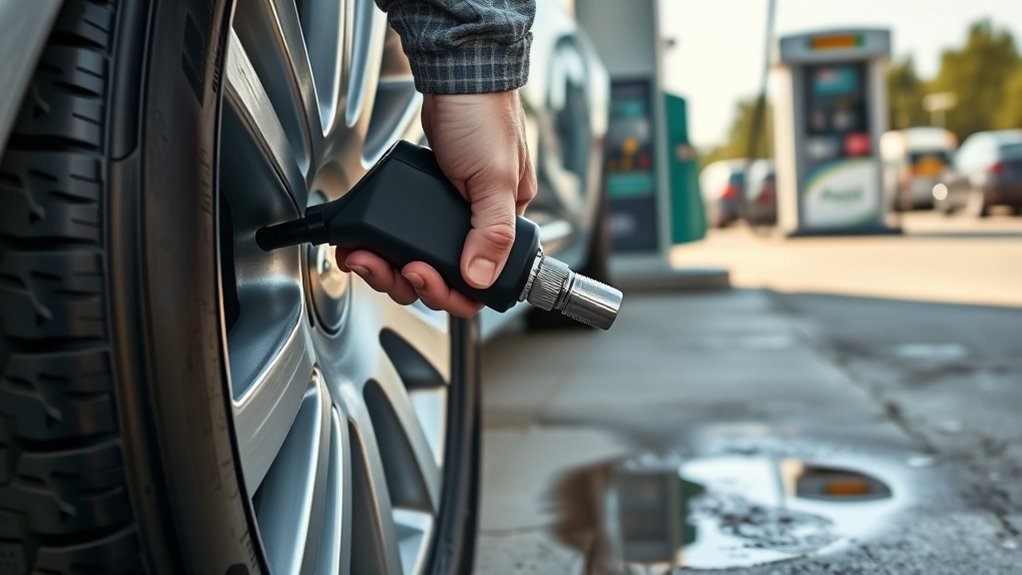
At the gas station, start by removing the valve cap. Attach the air hose firmly, then add air while checking the pressure. Once done, replace the valve cap securely.
Avoid over- or under-inflating your tires, and always double-check the pressure for accuracy. These simple steps ensure your tires stay in good condition.
Essential Tools for Checking and Inflating Car Tires
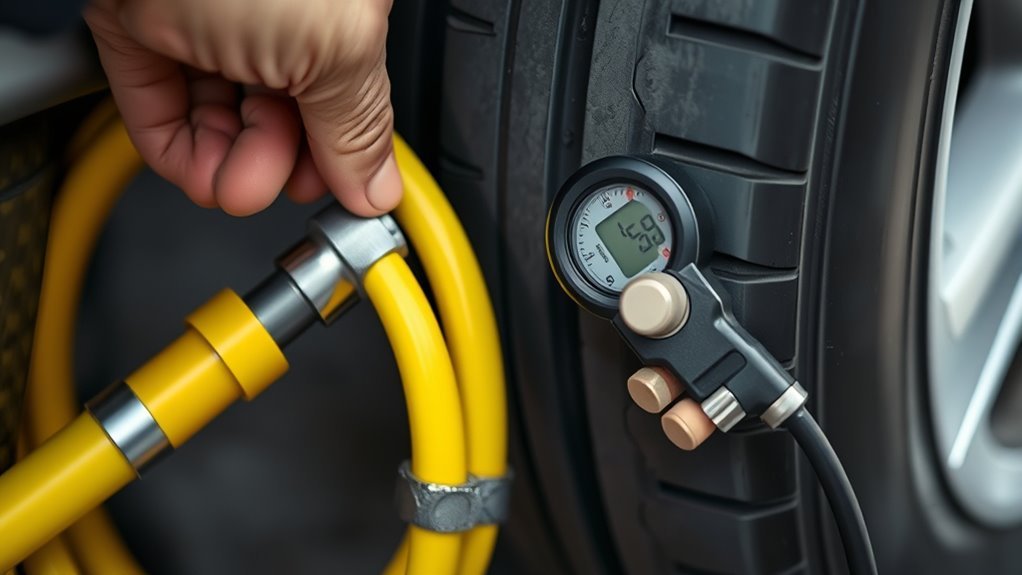
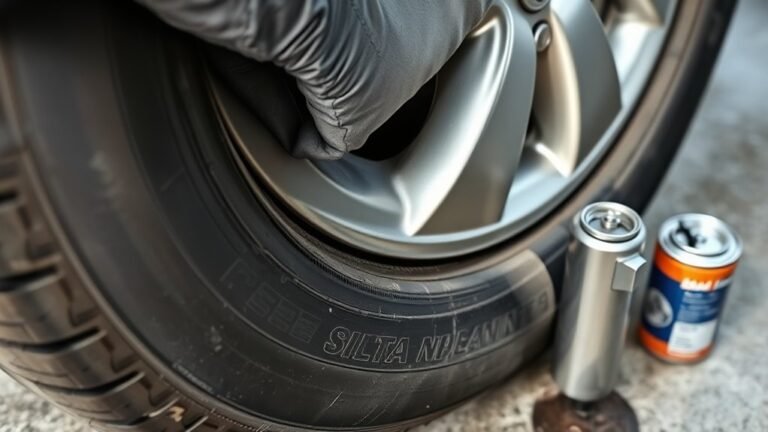
Proper tools ensure accurate tire pressure measurement and safe inflation. Key tools include a tire pressure gauge, an air compressor or pump, a valve stem tool, and a flashlight for inspections. Each tool supports effective tire maintenance and improves vehicle safety.
Essential tools guarantee precise tire pressure checks and safe inflation, promoting effective maintenance and vehicle safety.
A tire pressure gauge measures air pressure inside tires. Models include digital, dial, and pen types. Gauges show pressure in PSI (pounds per square inch), helping maintain correct tire inflation.
An air compressor or air pump adds air to tires. Portable compressors often have built-in pressure gauges, making inflation easier and more precise. Access to an air pump at gas stations is a common alternative.
A valve stem tool removes or replaces valve caps and helps detect leaks. It is useful for maintaining valve integrity and ensuring no air escapes during inflation.
A flashlight aids in inspecting tire tread and valve stems, especially in low-light conditions. Proper inspection helps identify wear or damage that could affect tire performance.
Summary of essential tools for tire inflation:
- Tire pressure gauge (digital, dial, pen)
- Portable air compressor or air pump
- Valve stem tool
- Flashlight
Using these tools regularly ensures tires stay properly inflated, enhancing safety and vehicle performance.
How to Add Air to Car Tires at the Gas Station
Properly inflating car tires improves safety and fuel efficiency. To add air at a gas station, locate the air pump near the fuel area, remove the tire valve cap, attach the hose nozzle firmly to the valve stem, and operate the pump after paying. Check pressure frequently to avoid overinflation.
Follow these steps to add air to car tires at a gas station:
1. Locate the Air Pump
Find the air compressor near the fuel pumps. Some stations require coins, tokens, or card payment to activate the machine.
2. Remove the Valve Cap
Unscrew the valve cap from the tire’s valve stem. Keep it in a safe place to avoid loss.
3. Attach the Air Hose Nozzle
Press the air hose nozzle firmly onto the valve stem until it fits tightly. A secure connection prevents air leaks.
4. Activate the Pump
Insert payment if required and start the air compressor. Air will flow into the tire.
5. Monitor Tire Pressure
Use a pressure gauge to check the tire pressure every few seconds. Stop pumping when the recommended pressure is reached (check your vehicle’s manual or tire placard).
6. Remove the Nozzle and Replace Valve Cap
Quickly remove the nozzle and screw the valve cap back onto the valve stem to prevent air loss.
7. Repeat for All Tires
Inflate all tires to the recommended pressure for balanced handling and tire wear.
Maintaining correct tire pressure supports vehicle control, extends tire life, and improves gas mileage. Always use a reliable pressure gauge and follow the recommended PSI for your vehicle.
How to Find the Correct PSI for Your Tires
Drivers can find the correct PSI for their tires in specific, reliable locations on their vehicle and documentation. Knowing the recommended tire pressure is crucial for safety, performance, and extending tire life.
Finding the correct tire pressure is essential for safety, performance, and prolonging tire life.
Common trusted sources for correct tire pressure include:
1. Owner’s Manual
The vehicle’s owner manual lists manufacturer-recommended PSI for your car and tire model. This guide provides precise pressure values to ensure optimal performance and safety.
2. Driver’s Side Door Jamb
A label on the inside edge of the driver’s door contains the recommended tire pressure for front and rear tires. This sticker is easy to locate and shows correct PSI in cold conditions.
3. Fuel Filler Cap or Glove Box
Some manufacturers place tire pressure information near the fuel filler cap or inside the glove compartment. This placement offers quick access when filling tires or checking pressure.
Avoid using the maximum PSI printed on the tire sidewall. That number shows the tire’s maximum pressure limit, not the recommended pressure for everyday driving. Always follow the vehicle’s recommended PSI for safe and efficient tire operation.
Common Tire Inflation Mistakes to Avoid
Common tire inflation mistakes reduce safety and tire life. Checking tire pressure when tires are warm gives inaccurate readings. Using the tire sidewall pressure instead of the vehicle’s recommended PSI causes incorrect inflation. Poor pressure gauges produce unreliable results. Missing valve caps allow dirt and moisture into valve stems. Uneven inflation and ignoring the spare tire’s pressure impair handling and emergency readiness.
Neglecting to check tire pressure on cold tires is a frequent error. Tire pressure rises during driving as the air heats and expands. Measuring pressure after driving shows inflated values, leading to underinflation if adjusted downward based on warm readings.
Relying on pressure data from the tire sidewall causes overinflation or underinflation. The tire sidewall pressure indicates the maximum pressure, not the recommended operating pressure. Always follow the vehicle manufacturer’s recommended PSI found on the driver’s door jamb or owner’s manual.
Using low-quality or uncalibrated pressure gauges results in inconsistent and inaccurate pressure readings. Accurate gauges maintain proper inflation, so invest in a reliable tire pressure gauge and check it regularly.
Failing to replace valve caps after inflation exposes valve stems to dirt, moisture, and debris. Contaminants can damage the valve, cause air leaks, and reduce tire pressure over time. Always screw valve caps tightly after checking or inflating tires.
Uneven tire inflation creates handling problems, uneven tire wear, and reduced fuel efficiency. Ignoring the spare tire’s pressure leaves it unusable in emergencies. Check all tires, including the spare, monthly to ensure proper inflation and safety.
Why Proper Tire Inflation Boosts Safety and Fuel Efficiency
Proper tire inflation improves vehicle safety and fuel efficiency by maintaining optimal tire pressure. Correct pressure enhances traction, reduces blowout risk, and lowers rolling resistance, which saves fuel and cuts emissions. Keeping tires at the recommended PSI supports safer driving and cost-effective vehicle operation.
Tire pressure affects traction and vehicle stability. Properly inflated tires provide better road grip and reduce the chance of skidding or losing control. Underinflated or overinflated tires compromise braking performance and increase accident risk.
Maintaining recommended tire pressure prevents blowouts. Tires with improper pressure are more prone to sudden failure due to uneven heat buildup or structural stress. Correct inflation ensures safer driving conditions and reduces emergency roadside incidents.
Fuel efficiency depends on tire rolling resistance. Tires with the right pressure roll more smoothly, requiring less engine effort. Lower rolling resistance decreases fuel consumption and reduces greenhouse gas emissions, saving money and benefiting the environment.
Even tire pressure extends tire life by promoting uniform tread wear. Uneven pressure causes irregular wear patterns, leading to premature tire replacement. Proper inflation maximizes tire longevity and reduces replacement costs.
Summary of key benefits of proper tire inflation:
- Improved handling and vehicle control
- Reduced risk of tire blowouts
- Better braking performance
- Enhanced fuel economy and lower emissions
- Longer tire lifespan with even wear
Regularly checking and maintaining tire pressure is essential for safe driving and efficient vehicle operation. Follow manufacturer guidelines to keep tires inflated at the recommended PSI.
Frequently Asked Questions
Can I Use a Bicycle Pump to Inflate Car Tires?
Yes, a bicycle pump can inflate car tires but is impractical for full inflation due to the larger volume and higher pressure needed. It’s suitable only for small top-ups or emergencies and takes more time and effort than an air compressor or gas station pump. Using proper tools designed for car tires is recommended for efficient and accurate inflation.
How Often Should I Check My Tire Pressure?
Check your tire pressure at least once a month and before long trips or heavy loads. Temperature changes can affect pressure, so monitor it during seasonal shifts. Regular checks prevent uneven wear, improve fuel efficiency, and enhance safety.
What Happens if I Overinflate My Tires?
What happens if I overinflate my tires?
Overinflating tires by 10% can reduce the contact patch with the road by up to 20%, leading to decreased traction and uneven wear. It also raises the risk of blowouts and causes a harsher, less comfortable ride. Always maintain the manufacturer’s recommended PSI for safety, performance, and tire longevity.
Are Nitrogen-Filled Tires Better Than Regular Air?
Nitrogen-filled tires maintain pressure longer than regular air because nitrogen molecules are larger and contain less moisture. This can slightly improve fuel efficiency and tire lifespan. However, for everyday driving, the difference is minimal since regular air is already about 78% nitrogen. The added cost and limited availability of nitrogen usually outweigh its benefits for most drivers.
Can Tire Pressure Affect My Car’s Warranty?
Tire pressure generally does not affect your car’s warranty unless neglecting it causes damage. If consistently ignoring recommended PSI leads to tire or suspension issues, manufacturers may deny related warranty claims. Maintaining proper tire pressure is important but won’t void your warranty on its own.