Do AWD Cars Need Tire Rotation? Intervals, Patterns, and Tread-Depth Limits
All-wheel drive (AWD) vehicles need regular tire rotation. Rotating tires every 5,000 to 7,500 miles helps ensure even tread wear. This keeps traction balanced and improves vehicle handling.
There are several common rotation patterns. These include cross-pattern, rearward cross, and front-to-rear swaps. Using these patterns helps prevent strain on the drivetrain caused by uneven tire diameters.
Monitoring tread depth is also important. For AWD cars, replace tires before tread depth drops below 4/32 inch.
Following these guidelines helps maintain safety, efficiency, and the longevity of your AWD system.
Why Tire Rotation Is Crucial for AWD Cars

Tire rotation is essential for all-wheel-drive (AWD) vehicles because it ensures even tire wear, which maintains traction and protects the drivetrain. AWD systems distribute power to all four wheels, causing tires to wear unevenly without rotation. Regular rotation balances tread wear and extends tire life.
AWD cars experience uneven tire wear due to power distribution across all wheels. Tires at different positions on the vehicle face varying loads and friction. Uneven wear reduces traction and can impair handling and braking performance. It also affects the AWD system’s ability to function properly.
Uneven tread depths can increase stress on drivetrain components such as the differential and transfer case. This additional strain may cause premature mechanical failures and lead to expensive repairs. Keeping tires at similar wear levels protects these parts and avoids costly damage.
Tire rotation involves moving tires between different positions on the vehicle. Common rotation patterns for AWD vehicles include:
- Front-to-rear swap
- Cross pattern with front tires moving to opposite rear positions
- Manufacturer-specific sequences recommended in the owner’s manual
Regular rotation, usually every 5,000 to 7,000 miles, promotes uniform tire wear. This practice helps maintain consistent traction on all wheels, ensuring the AWD system works efficiently and safely.
Summary:
| Benefit of Tire Rotation for AWD Cars | Explanation |
|---|---|
| Even tire wear | Balances tread depth across all tires |
| Maintained traction | Prevents loss of grip and handling issues |
| Drivetrain protection | Reduces stress on AWD components |
| Extended tire life | Delays need for tire replacement |
Routine tire rotation is a key maintenance step for AWD vehicles that supports performance, safety, and drivetrain longevity.
How Often to Rotate Tires on AWD Vehicles
Tire rotation on AWD vehicles should occur every 5,000 to 7,000 miles. This interval helps maintain even tire wear, which is essential for balanced traction and optimal AWD system performance.
AWD systems rely on uniform tire tread to distribute power evenly. Rotating tires within the recommended mileage prevents uneven wear that can cause handling issues and drivetrain stress. Tire manufacturers and vehicle experts typically suggest this range to extend tire life and maintain safety.
Delaying rotation beyond 7,000 miles increases the risk of uneven tread depth. This imbalance can reduce traction, impair fuel efficiency, and potentially damage drivetrain components. Regular tire rotation also promotes consistent road contact, supporting better fuel economy.
Specific rotation intervals may vary by vehicle model or tire type. Always consult the owner’s manual for manufacturer recommendations. Following the 5,000 to 7,000-mile guideline offers a practical standard for most AWD vehicles to ensure safe, efficient operation.
Best Tire Rotation Patterns for AWD Systems
The cross-pattern rotation is commonly recommended for AWD vehicles to promote even tire wear across all four wheels. Another effective method is the rearward cross technique, which specifically addresses tire wear differences between front and rear axles. Understanding these patterns helps maintain ideal traction and extends tire life on AWD systems.
Cross-Pattern Rotation Benefits
Cross-pattern tire rotation improves tire wear balance on AWD vehicles by moving tires diagonally. This rotation method compensates for uneven torque distribution, extending tire life and maintaining consistent traction. It supports vehicle stability and handling by preventing uneven tread wear common in AWD systems.
All-wheel-drive (AWD) systems send power to all four wheels, causing different wear patterns compared to two-wheel drive vehicles. Cross-pattern rotation shifts tires diagonally—left front to right rear and right front to left rear. This balances tread wear caused by torque differences between front and rear axles.
Benefits of cross-pattern rotation for AWD include:
- Even tread wear across all tires
- Extended tire lifespan
- Consistent traction on all wheels
- Improved vehicle handling and safety
- Prevention of uneven wear patterns that reduce stability
Types of tire rotation and their use in AWD:
| Rotation Type | Benefits | Ideal AWD Use Case |
|---|---|---|
| Front-to-Rear | Balances front and rear wear | Light AWD vehicles with equal torque distribution |
| Cross-Pattern | Equalizes diagonal tread wear | Most AWD systems |
| Side-to-Side | Maintains tire uniformity | Rarely recommended for AWD |
| Forward Cross | Moves front tires to rear | Common cross-pattern variant |
| Reverse Cross | Moves rear tires to front | Alternate cross-pattern variant |
Regular cross-pattern rotation maintains tire health and ensures AWD systems perform safely and efficiently under varied driving conditions.
Rearward Cross Technique
The rearward cross technique is a tire rotation pattern for AWD vehicles that moves the rear tires straight to the front on the same side and swaps the front tires diagonally to the rear. This pattern helps even out tire wear by varying tire positions and load conditions.
AWD vehicles often wear rear tires faster due to drivetrain forces. The rearward cross method balances tread wear by exposing each tire to different traction and stress points. This reduces uneven wear and extends tire lifespan.
Tire rotation using the rearward cross pattern should occur every 5,000 to 7,500 miles. Following this schedule aligns with most manufacturer guidelines and supports consistent vehicle performance and safety.
Summary of rearward cross rotation:
- Rear tires move straight forward on the same side
- Front tires move diagonally to the rear opposite corners
- Balances tire wear on AWD vehicles
- Helps maintain traction and stability
- Recommended every 5,000 to 7,500 miles
Proper tire rotation, including the rearward cross technique, protects AWD system function and maintains overall vehicle control.
What Happens If You Skip Tire Rotation on AWD Cars?
Failing to rotate tires on AWD vehicles often leads to uneven tire wear. This imbalance can compromise the system’s ability to distribute power effectively. Over time, skipping rotations may reduce overall AWD performance and increase maintenance costs.
Uneven Tire Wear
Uneven tire wear occurs on AWD cars when tire rotation is neglected. AWD systems send power to all four wheels, but tires wear at different rates due to load and traction differences. Without rotation, some tires degrade faster, causing imbalance and safety issues.
AWD systems distribute torque to each wheel, but front and rear tires often wear unevenly because of varying weight and grip. Tires in certain positions experience more stress and friction. This leads to uneven tread depth, reducing traction and control.
Uneven tire wear on AWD vehicles can cause:
- Shorter tire lifespan
- Higher risk of tire failure or blowouts
- Poor handling and inconsistent steering response
- Increased strain on drivetrain parts
- More frequent tire replacements and added cost
Regular tire rotation balances tread wear across all tires. Rotating tires every 5,000 to 8,000 miles helps maintain even wear patterns. This preserves tire performance, extends tire life, and supports safer driving on AWD cars.
Reduced AWD Performance
Neglecting tire rotation on all-wheel drive (AWD) vehicles causes uneven tire wear, which reduces the system’s performance. AWD systems need tires with similar circumference and tread depth to distribute power evenly. Uneven wear forces the drivetrain to work harder, leading to strain and potential damage.
AWD systems depend on uniform tire size to maintain traction and handling. When tire diameters differ, the drivetrain compensates for the imbalance. This can trigger warning lights, reduce grip on slippery surfaces, and impair vehicle control. Uneven tire wear also increases mechanical stress on AWD components, accelerating wear and repair needs.
The drivetrain may engage improperly if tires wear unevenly. This misalignment lowers fuel efficiency and raises maintenance costs. Regular tire rotation prevents uneven wear by swapping tire positions, which equalizes tread depth and diameter across all wheels.
Summary of impacts from neglecting tire rotation on AWD vehicles:
- Uneven tire wear causes diameter differences.
- Drivetrain works harder, increasing mechanical strain.
- Warning lights may activate.
- Traction and handling degrade, especially in poor conditions.
- Fuel efficiency decreases.
- Repair costs increase.
Routine tire rotation maintains AWD performance, safety, and drivetrain longevity. Skipping this maintenance step reduces the benefits of AWD technology.
How Uneven Tires Hurt Your AWD’s Performance
Uneven tire wear reduces the effectiveness of all-wheel-drive (AWD) systems by disrupting traction balance. Tires with different tread depths create inconsistent grip, causing the AWD system to work harder to maintain control and stability.
Uneven tires increase stress on drivetrain components. The mismatch forces the system to compensate for differing traction levels, accelerating wear on parts like the differential and transfer case.
Traction decreases on slippery or uneven surfaces when tire tread varies. AWD systems rely on equal grip across all wheels to distribute power efficiently. Uneven tires cause wheel slip and traction loss.
Handling and cornering stability suffer with uneven tires. The inconsistent grip alters vehicle dynamics, making steering less predictable and reducing road-holding ability.
Uneven tires affect braking distances. Different grip levels on each wheel can cause uneven braking force, increasing stopping distances and reducing safety.
Fuel consumption may rise due to drivetrain inefficiency. The AWD system expends more energy correcting traction imbalances caused by uneven tires, lowering fuel economy.
Maintaining even tire wear supports optimal AWD performance. Regular tire rotation, alignment checks, and replacing tires in matched sets help keep tread depths uniform and preserve system balance.
How to Check Tread Depth and When to Replace Tires
Checking tire tread depth is essential for maintaining traction and safety, especially on all-wheel-drive (AWD) vehicles. Tires should be replaced before the tread depth falls below 4/32 inch on AWD cars to ensure proper grip and system performance.
Tread depth can be measured accurately using a tread depth gauge. This tool shows the remaining tread in 32nds of an inch or millimeters. Measuring tread helps detect uneven wear that may affect AWD balance and vehicle control.
The penny test offers a quick way to check tread depth without tools. Insert a penny into the tread with Lincoln’s head upside down. If the top of Lincoln’s head is visible, tread depth is less than 2/32 inch, which is unsafe for any vehicle.
Recommended tread depth thresholds:
- Minimum safe tread depth: 2/32 inch
- AWD vehicle replacement recommendation: 4/32 inch
Replacing tires at 4/32 inch on AWD vehicles maintains traction on wet and slippery surfaces and supports the AWD system’s proper function. Regular tread checks help schedule timely tire replacement and improve overall driving safety.
Common Signs Your AWD Tires Need Immediate Care
Signs that AWD tires require immediate attention often include uneven tire wear and noticeable handling or stability problems. These issues can compromise vehicle safety and performance if not addressed promptly. Recognizing these symptoms early helps maintain proper tire function and prolongs tire life.
Uneven Tire Wear
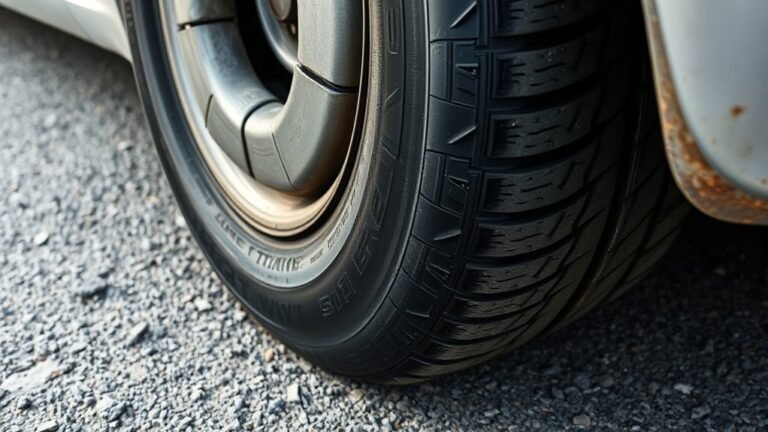
Uneven tire wear on an all-wheel-drive (AWD) vehicle indicates a mechanical issue that requires immediate attention. It affects tire performance and safety. Early detection prevents further damage and costly repairs.
Uneven wear often results from improper tire rotation, wheel misalignment, or suspension problems. Tire rotation balances tread wear by changing tire positions. Misalignment causes tires to tilt or point incorrectly, wearing edges unevenly. Suspension faults affect tire contact with the road.
Signs of uneven tire wear include:
- One tire with more tread wear than others
- Feathered or scalloped edges on the tread
- Bald spots visible on any tire
- Tread wearing more on one side
- Vibration or noise tied to specific tires during driving
Regular inspection and maintenance can correct these issues. Addressing uneven wear ensures proper traction and extends the lifespan of tires and the AWD system.
Handling and Stability Issues
Uneven tire wear reduces handling and stability in AWD vehicles by disrupting traction and power balance. It causes unpredictable vehicle responses during acceleration, braking, and cornering. Addressing tire wear early helps maintain AWD system performance and driving safety.
Uneven tread wear affects traction on all four wheels. This imbalance causes the AWD system to struggle with distributing power evenly. Drivers may experience:
- Vibrations through the steering wheel or chassis
- Pulling to one side during driving
- Reduced grip, especially on wet or slippery roads
These signs indicate compromised handling and stability. Ignoring them can increase accident risk and cause mechanical damage.
Regular tire inspections identify uneven wear patterns early. Rotating tires on schedule promotes even tread wear across all wheels. Maintaining uniform tread depth helps the AWD system function as designed.
Rotating AWD Tires: DIY or Professional Service?
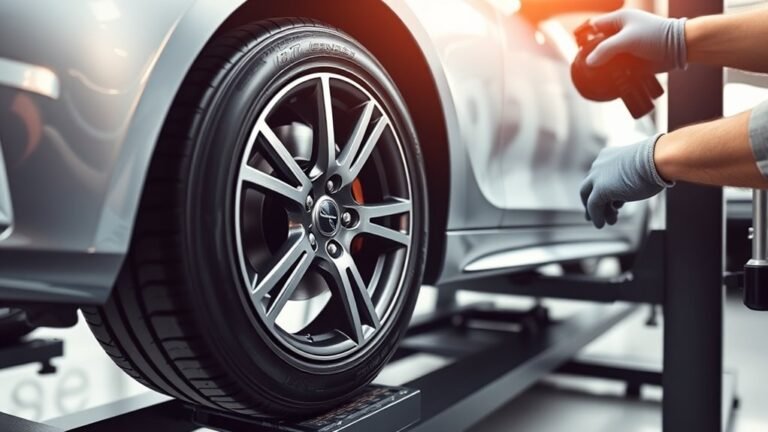
Rotating tires on an all-wheel-drive (AWD) vehicle can be done by a knowledgeable owner but often requires professional service to ensure safety and accuracy. Professionals use proper tools and follow exact rotation patterns and torque specifications. DIY rotation demands equipment and specific AWD knowledge to avoid uneven wear or drivetrain damage.
Rotating AWD tires involves specialized patterns to balance wear across all wheels. Professionals have equipment like jacks, stands, torque wrenches, and tire irons. They follow manufacturer-recommended rotation sequences tailored for AWD drivetrains. Incorrect rotation can cause uneven tire wear or stress on the vehicle’s drivetrain components.
DIY tire rotation requires:
- Access to a hydraulic jack and jack stands
- A torque wrench for lug nut tightening
- Knowledge of AWD-specific rotation patterns
- Time to safely lift and secure the vehicle
- Understanding of torque specifications to avoid over- or under-tightening
Professional tire rotation offers advantages in:
- Accurate torque application, preventing lug nut issues
- Proper rotation pattern adherence for AWD systems
- Time savings and convenience
- Maintaining warranty and service records, which may require documented professional service
Comparison Table: DIY vs. Professional AWD Tire Rotation
| Factor | DIY Rotation | Professional Rotation |
|---|---|---|
| Equipment | Requires jacks, torque wrench | Provided by service center |
| Knowledge | Must know AWD rotation patterns | Technicians trained on AWD systems |
| Time | Longer due to setup and safety | Faster with experience and tools |
| Torque Accuracy | Risk of improper torque | Controlled with calibrated tools |
| Warranty Compliance | May be void if improperly done | Proper documentation maintained |
Choosing professional tire rotation reduces risk and helps ensure balanced tire wear and drivetrain health on AWD vehicles. DIY rotation is feasible but demands the right tools, knowledge, and care to avoid costly mistakes.
How Tire Pressure Affects AWD Tire Rotation and Wear
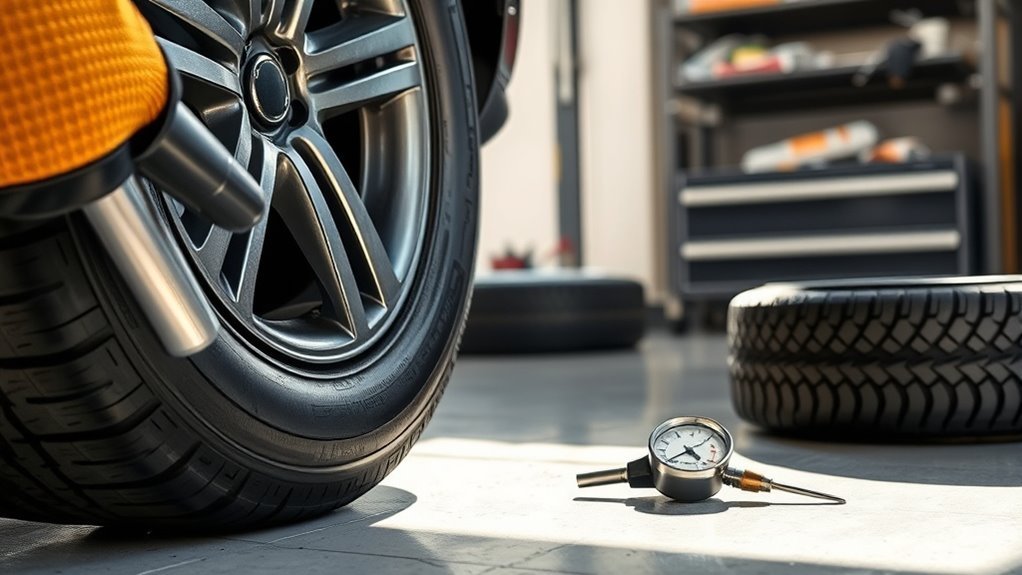
Tire pressure affects AWD tire rotation and wear by influencing how the tires contact the road and how evenly they wear. Proper inflation prevents uneven tread wear and protects the drivetrain from stress caused by mismatched rolling diameters.
Proper tire pressure ensures even wear and protects the AWD drivetrain from stress caused by uneven rolling diameters.
Underinflated tires increase rolling resistance. This causes uneven wear along the outer edges and lowers fuel efficiency. Overinflated tires wear mostly in the center tread. This reduces traction and ride comfort.
AWD systems rely on similar tire diameters to function correctly. Uneven tire pressure leads to different tread depths and rolling diameters. This difference can strain the AWD drivetrain and trigger system warnings.
Uneven tire wear complicates tire rotation. Rotating tires with mismatched tread depths disrupts balanced performance. It can accelerate wear on certain tires and reduce overall tire life.
To maintain AWD performance and extend tire life:
- Check tire pressure regularly.
- Inflate tires to the vehicle manufacturer’s recommended pressure.
- Rotate tires based on tread wear and manufacturer guidelines.
- Replace tires when tread depth varies significantly across tires.
Consistent tire pressure supports even wear patterns, protects the AWD system, and ensures safe, efficient vehicle operation.
Tips to Extend Tire Life and Maintain AWD Traction
Proper tire maintenance and careful driving extend tire life and maintain all-wheel-drive (AWD) traction. Consistent tire care prevents uneven wear and traction loss, ensuring safe and efficient vehicle operation.
Regular tire inspections detect uneven wear or damage early. Identifying issues promptly avoids performance problems and costly repairs.
Maintaining correct tire pressure ensures optimal road contact. Proper inflation improves grip, fuel efficiency, and tire durability.
Tire rotation every 5,000 to 7,500 miles balances wear across all tires. Balanced wear is crucial for AWD systems to function properly and prevent drivetrain damage.
Wheel alignment and balancing reduce uneven tread wear and vibrations. Proper alignment maintains tire performance and AWD traction.
Smooth acceleration, braking, and cornering minimize tire stress. Gentle driving extends tread life and preserves traction.
Key maintenance tips:
- Check tire tread depth regularly; replace tires when tread depth is below 2/32 inch.
- Rotate tires every 5,000 to 7,500 miles per manufacturer guidelines.
- Maintain tire pressure at manufacturer-specified levels.
- Perform wheel alignment and balancing as recommended.
- Avoid aggressive driving to reduce tire wear and maintain AWD traction.
Frequently Asked Questions
Can Winter Tires Be Rotated on AWD Vehicles?
Can winter tires be rotated on AWD vehicles?
Yes, winter tires on AWD vehicles should be rotated regularly. Rotating tires promotes even tread wear, maintains traction, and extends tire life. Always follow the manufacturer’s recommended rotation patterns and intervals for best results.
Does Tire Brand Affect AWD Rotation Frequency?
Does tire brand affect AWD rotation frequency?
Yes, tire brand can impact AWD rotation frequency due to differences in tread design, rubber compounds, and wear rates. Premium tires often last longer and need less frequent rotation, while budget or softer tires may require more frequent rotations.
Do manufacturers recommend rotation intervals based on tire brand?
No, rotation intervals are generally recommended based on the vehicle and drivetrain, not the tire brand.
How can I ensure proper AWD tire rotation?
Regularly monitor tread depth and wear patterns regardless of the tire brand to determine the right rotation schedule.
How Does Tire Rotation Impact AWD Fuel Efficiency?
How does tire rotation impact AWD fuel efficiency?
Tire rotation in AWD vehicles ensures even tread wear, reducing rolling resistance and improving fuel efficiency. Uneven tires can increase fuel consumption by up to 5%. Regular rotation prevents drivetrain strain and excessive energy use, leading to better mileage and longer tire life.
Are Run-Flat Tires Suitable for AWD Rotations?
Are run-flat tires suitable for AWD rotations?
Yes, run-flat tires can be used for AWD rotations if all four tires are the same make, model, and tread depth. AWD systems need uniform tire circumference to avoid drivetrain damage, so mixing run-flat and standard tires is not recommended. Follow proper rotation patterns to ensure even wear. Note that run-flat tires may affect ride comfort and handling due to their increased stiffness.
Can AWD Tire Rotation Fix Vibration Issues?
Can tire rotation fix vibration issues in AWD vehicles?
Tire rotation can help even out tire wear and may reduce minor vibrations in AWD vehicles, but it does not fix underlying problems like wheel imbalance, misalignment, or suspension damage. If vibrations continue after rotation, a full inspection is needed to identify the root cause.