How Much Does a Car Thermostat Repair Cost? Symptoms, Labor, and Total Price
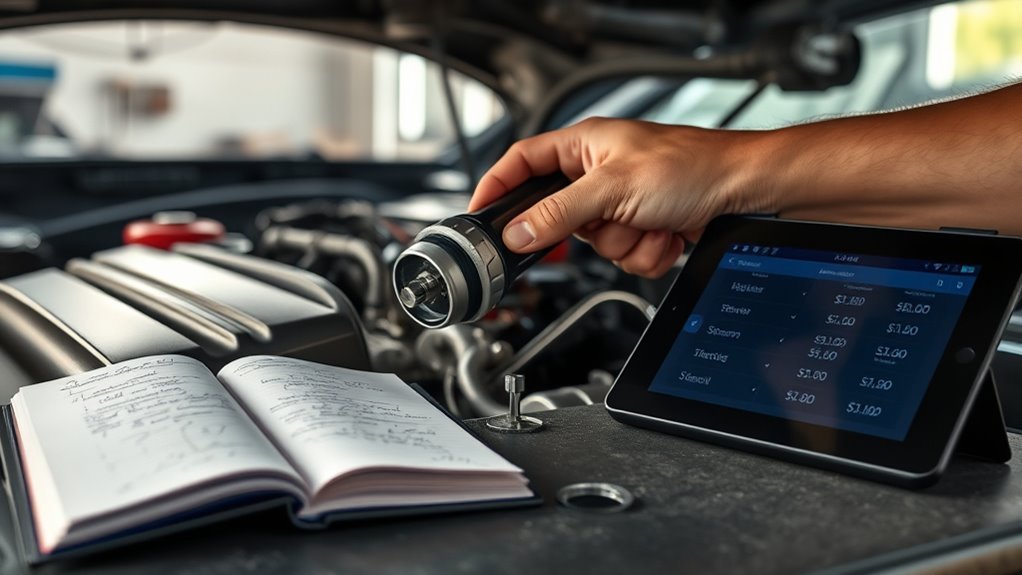
Car thermostat repair costs typically range from $150 to $350. This price includes both parts and labor. The cost depends on the thermostat’s brand and quality, with parts priced between $15 and $120.
Labor costs vary as well. Mechanics usually charge $50 to $150 per hour. Repair time is generally 1 to 2 hours. The total cost depends on the vehicle’s complexity.
Symptoms of a faulty thermostat are easy to spot. Common signs include engine overheating, a fluctuating temperature gauge, poor heater performance, and coolant leaks.
Knowing these symptoms helps you decide when to seek repair and understand the costs involved.
How a Car Thermostat Controls Engine Temperature
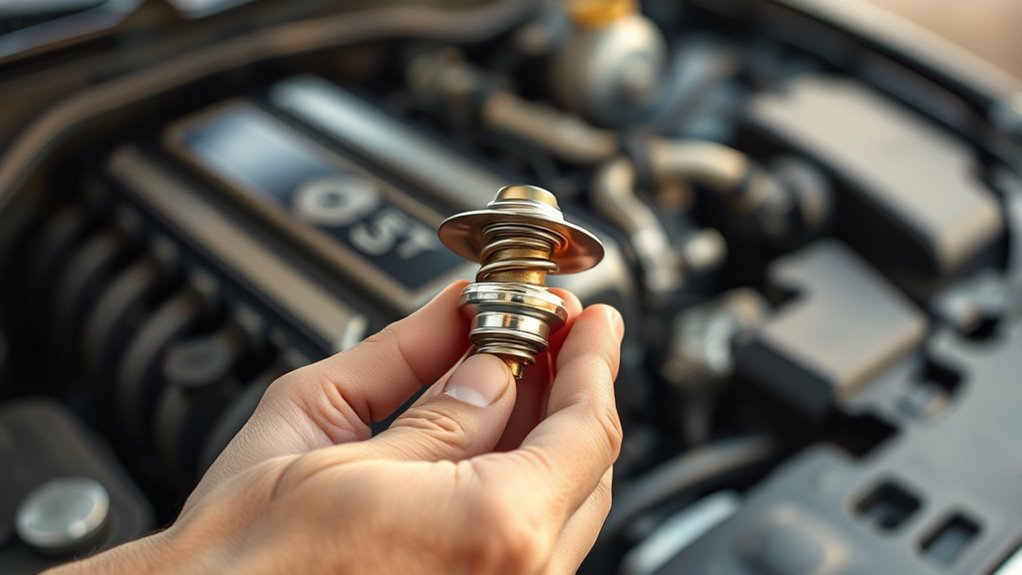
A car thermostat controls engine temperature by regulating coolant flow between the engine and radiator. It stays closed when the engine is cold, allowing the engine to heat up quickly. Once the engine reaches about 195°F (90°C), the thermostat opens to let coolant circulate and prevent overheating.
The thermostat acts as a valve inside the cooling system. When the engine is cold, the thermostat blocks coolant flow to help the engine reach its optimal operating temperature faster. After reaching the set temperature, the thermostat opens gradually.
Opening the thermostat allows coolant to pass through the radiator, where heat dissipates into the air. This circulation keeps the engine temperature stable and prevents damage from overheating.
Controlling coolant flow helps maintain efficient combustion, fuel economy, and lower emissions. A properly functioning thermostat supports engine durability and reliable performance.
How a car thermostat works:
| Engine Temperature | Thermostat Position | Coolant Flow | Effect |
|---|---|---|---|
| Below 195°F (90°C) | Closed | Coolant stays inside the engine | Engine warms up quickly |
| At or above 195°F | Opens gradually | Coolant flows to radiator | Excess heat dissipates |
| Balanced operation | Partially open | Maintains stable engine temp | Prevents overheating |
Maintaining a working thermostat is essential for engine health and efficient vehicle operation.
Common Symptoms of a Faulty Car Thermostat
A faulty car thermostat often causes engine overheating and irregular temperature readings. Drivers may notice the temperature gauge fluctuating unexpectedly during operation. Additionally, issues with the vehicle’s heater performance can signal thermostat problems.
Engine Overheating Signs
A malfunctioning car thermostat often causes engine overheating by blocking coolant flow. When the thermostat stays closed, coolant cannot circulate, causing engine temperature to rise quickly. Early signs include a high temperature gauge, steam from the engine, and unusual smells. Immediate repair is necessary to prevent engine damage.
The thermostat regulates coolant flow between the engine and radiator. If it fails to open, the coolant remains trapped, and heat accumulates inside the engine. This heat buildup causes the temperature gauge to rise above normal levels.
Drivers may observe steam coming from under the hood. This steam results from coolant boiling or leaking due to excessive heat. A strong, unusual smell often accompanies this steam, signaling overheating.
Engine performance may decline when overheating occurs. The engine can lose power or stall to protect itself from damage. In some cases, the vehicle may shut down automatically.
Ignoring thermostat-related overheating can cause serious engine problems. Prolonged high temperatures may warp cylinder heads, damage gaskets, or cause engine failure. Early detection and repair reduce repair costs and maintain vehicle safety.
Signs of Thermostat-Related Engine Overheating:
- Temperature gauge rises sharply beyond normal range
- Steam visible from the engine compartment
- Strong, unusual odors near the engine
- Reduced engine power or stalling
- Engine warning lights illuminate on the dashboard
Prompt thermostat inspection and replacement prevent serious damage and keep the engine operating safely.
Temperature Fluctuation Issues
Engine temperature fluctuates erratically when the thermostat malfunctions. A thermostat stuck partially open or closed disrupts coolant flow, causing inconsistent temperature control. This leads to unstable engine temperatures that can harm the engine if not fixed promptly.
A malfunctioning thermostat affects engine temperature by:
- Causing sudden spikes and rapid drops on the temperature gauge.
- Triggering fluctuating engine performance and overheating warnings.
- Producing uneven heater output regardless of outside temperature.
The thermostat’s role is to regulate coolant circulation to maintain a stable engine temperature. When it fails, the engine cycles between overheating and cooling too quickly. Diagnosing and replacing a faulty thermostat restores consistent temperature and prevents engine damage.
Heater Malfunction Indicators
A faulty car thermostat affects the vehicle’s heating system by disrupting the engine’s temperature regulation. This disruption leads to poor heater performance, causing insufficient or inconsistent cabin heat. The thermostat controls coolant flow, which is essential for maintaining proper engine and heater core temperatures.
When the thermostat is stuck open, the engine cannot reach its optimal operating temperature. This results in weak or cold air blowing from the heater core because the coolant does not get hot enough. Drivers may notice the cabin heating slowly or not warming up fully.
If the thermostat is stuck closed, the engine can overheat. Overheating may damage heater components and other engine parts. The heating system may blow hot air intermittently, and the temperature gauge will show abnormal readings.
Common heater malfunction indicators caused by thermostat issues include:
- Insufficient heat inside the cabin
- Inconsistent or fluctuating warmth during driving
- Prolonged engine warm-up times
- Temperature gauge moving erratically or showing high readings
The thermostat’s failure to regulate coolant flow compromises engine efficiency and cabin comfort. Early detection of these symptoms can prevent costly repairs and maintain reliable heating performance.
Should You DIY or Hire a Mechanic for Thermostat Repair?
Choosing between repairing your car’s thermostat yourself or hiring a mechanic depends on your skills, tools, and the vehicle’s cooling system complexity. People with basic repair experience can replace a thermostat. However, incorrect installation can cause engine damage.
Deciding to fix your car’s thermostat hinges on your skills, tools, and the cooling system’s complexity.
Skill level matters. DIY thermostat replacement suits those who understand engine parts. Beginners should hire a professional to avoid costly mistakes.
Tools influence the decision. Some vehicles require special tools to reach or remove the thermostat. Lacking proper equipment can make the job difficult or incomplete.
Vehicle complexity affects repair. Modern cars often have complex cooling systems. These systems may need diagnostic tools and technical knowledge beyond typical DIY skills.
Summary for decision-making:
- Skill: Know engine parts to DIY; otherwise, hire a mechanic.
- Tools: Ensure access to necessary tools before attempting repair.
- Complexity: For advanced cooling systems, professional service is safer.
Evaluating these points helps ensure a safe, efficient repair and avoids extra costs from errors.
Average Cost of Thermostat Parts and Materials
Thermostat parts typically range in price depending on the quality of materials used and the brand. Higher-quality components often come with increased costs but may offer better durability and performance. Brand reputation also influences pricing, with premium manufacturers generally charging more for their products.
Thermostat Part Price Range
Several factors affect the cost of car thermostat parts. These include the vehicle’s make and model, the type of thermostat, and whether the part is OEM or aftermarket. Understanding these factors helps estimate repair costs more accurately.
- Vehicle Make and Model: Luxury and uncommon vehicles often require specialized thermostats. These parts tend to cost more than those for standard vehicles. The design and specifications vary, influencing price.
- Thermostat Type: Mechanical thermostats usually cost less than electronic or smart thermostats. Advanced thermostats have sensors and control features that raise their price.
- OEM vs. Aftermarket: OEM parts come directly from the vehicle manufacturer and ensure proper fit and function. OEM thermostats generally cost more. Aftermarket parts are less expensive but can differ in quality and compatibility.
Typical thermostat part prices range from $15 to $75. The price depends on vehicle requirements and the thermostat’s complexity. Considering these factors helps plan a realistic budget for replacement.
Material Quality Impact
Material quality directly affects thermostat performance, durability, and cost. Higher-grade metals and components improve heat resistance and operational life, while lower-quality materials risk corrosion and failure. Material choice influences temperature control accuracy and engine efficiency.
Thermostats made from durable metals resist heat and last longer. They reduce the chance of early failure and sticking. Poor materials can warp or corrode, causing frequent replacements. Reliable temperature control depends on stable material properties, which supports consistent engine performance.
Cost varies with material quality:
- Premium thermostats: $30 to $70
- Basic thermostats: $10 to $25
Higher-priced options often use metals that withstand heat and stress better. Cheaper models may sacrifice longevity and precision. Assessing material quality helps balance upfront cost against maintenance and reliability over time.
Brand Differences and Costs
Material quality influences thermostat performance, but brand reputation and manufacturing standards also affect cost and reliability. Different brands offer various thermostat parts, reflected in price and durability.
- OEM Brands: OEM (Original Equipment Manufacturer) thermostats cost between $50 and $120. They follow strict quality controls and match specific vehicle models, ensuring reliable long-term operation.
- Aftermarket Brands: Aftermarket thermostats range from $20 to $70. They provide budget-friendly options but differ in material quality and durability.
- Premium Brands: Premium thermostats start at $100. They use advanced materials and technology for improved performance and longer lifespan.
Consumers should weigh initial price against lifespan and warranty to get the best value.
What to Expect for Thermostat Repair Labor Costs
Labor costs for thermostat repair typically range from $50 to $150 per hour and usually take one to two hours to complete. These costs form a major part of the total repair bill. The final labor charge depends on the vehicle’s make, model, and the difficulty of accessing the thermostat.
Several factors influence thermostat repair labor costs:
- Vehicle type: Some cars have thermostats in easy-to-reach locations, reducing labor time. Others require removing components like the intake manifold, increasing hours and cost.
- Mechanic’s hourly rate: Rates vary by shop and region, often higher in urban areas.
- Repair complexity: Additional tasks such as draining coolant or disassembling parts raise labor time.
- Geographic location: Labor rates are generally higher in cities with higher living costs.
Understanding these factors helps set realistic expectations for thermostat repair labor expenses.
Thermostat Replacement Labor Steps Explained
Replacing a car thermostat involves a clear sequence of steps to ensure proper engine temperature regulation. The process starts with preparing the engine and ends with confirming the system functions correctly after reassembly.
The main steps for thermostat replacement include:
- Ensuring the engine is cool to avoid burns and coolant spills.
- Draining the coolant safely to expose the thermostat housing.
- Removing the thermostat housing and cleaning its sealing surfaces.
- Extracting the old thermostat and installing the new unit in the correct orientation.
- Refilling the coolant system and starting the engine to check for leaks and thermostat operation.
Step 1: Cool Engine and Drain Coolant
The mechanic waits for the engine to cool to prevent injury and coolant loss. Draining the coolant lowers the fluid level to access the thermostat housing without spills.
Step 2: Remove Thermostat Housing and Clean Seals
Removing the thermostat housing reveals the thermostat. Cleaning the sealing surfaces ensures a proper seal when reassembled, preventing leaks.
Step 3: Replace Thermostat
The old thermostat is removed carefully. The new thermostat is installed with attention to its orientation, which affects temperature control accuracy.
Step 4: Reassemble and Refill Coolant
The housing is reattached securely. The coolant system is refilled with the appropriate fluid volume and type for the vehicle.
Step 5: Test System Operation
Starting the engine allows the mechanic to observe the thermostat’s function and check for leaks. Proper operation ensures the cooling system regulates engine temperature effectively.
How Thermostat Repair Costs Vary by Car Model
Thermostat repair costs vary by car model due to differences in engine design, part accessibility, and component pricing. Luxury and imported vehicles often incur higher labor and parts costs. Domestic models usually have simpler thermostat setups, leading to lower expenses. Repair estimates should consider the specific make, model, and engine configuration.
Engine design complexity affects thermostat replacement time. Some vehicles place the thermostat in easily accessible locations, while others require removing additional components, increasing labor hours. For example, many domestic sedans have thermostats mounted on the engine block, allowing quicker access.
Thermostat accessibility varies by model. Luxury brands such as BMW, Mercedes, or Audi often house thermostats within complex cooling modules. This integration demands more labor and specialized tools, raising repair costs.
Parts pricing depends on availability and manufacturer. Imported and rare vehicles may require OEM parts that cost more than aftermarket alternatives. Domestic vehicles typically have widely available and affordable thermostats.
Summary of factors influencing thermostat repair costs by car model:
- Engine design: Simple vs. complex placement
- Thermostat location: Standalone housing vs. integrated module
- Labor time: Hours required for removal and installation
- Parts cost: OEM vs. aftermarket pricing and availability
- Vehicle type: Domestic vs. luxury or imported
Estimating thermostat repair costs requires identifying the car’s make, model, engine type, and thermostat configuration. This ensures accurate budgeting for parts and labor.
Tips to Avoid Thermostat Failure and Costly Repairs
Thermostat failure can cause engine overheating and expensive repairs. Proper maintenance and early attention help keep the thermostat working and ensure stable engine temperature. Follow these steps to reduce the risk of thermostat problems:
1. Regular Coolant Checks
Check coolant levels and condition often. Low or dirty coolant causes corrosion inside the cooling system, which can block or damage the thermostat.
2. Routine Inspections
Schedule professional checks of the cooling system before extreme weather. Experts can find signs of thermostat wear or leaks early, preventing bigger issues.
3. Prompt Repairs
Fix any cooling system problems quickly. Overheating, fluctuating temperatures, or leaks can harm the thermostat and other engine parts if left untreated.
Maintaining coolant quality, inspecting the system regularly, and repairing issues promptly will extend thermostat life and reduce repair costs.
Frequently Asked Questions
How Long Does a Car Thermostat Typically Last Before Needing Replacement?
A car thermostat typically lasts 50,000 to 100,000 miles or 5 to 10 years. Its lifespan varies based on vehicle type, driving habits, and maintenance. Wear, corrosion, or debris can cause failure, requiring replacement. Regular inspections during maintenance help detect issues early and extend its life.
Can a Faulty Thermostat Cause Poor Fuel Economy?
Can a Faulty Thermostat Cause Poor Fuel Economy?
Yes, a faulty thermostat disrupts the engine’s temperature regulation, causing it to run too cold or overheat. This leads to inefficient fuel combustion and reduced fuel efficiency, increasing fuel consumption and operating costs.
Are There Any Warranty Options for Thermostat Repairs?
Yes, thermostat repairs often come with warranty options. Repair shops and dealerships typically offer limited warranties covering parts and labor for 90 days to one year. Aftermarket thermostats may also include manufacturer warranties. Always confirm warranty details before repair, as coverage varies by provider, part type, and vehicle warranty status.
How Does Extreme Weather Affect Thermostat Performance?
How does extreme weather affect a car thermostat?
Extreme cold can cause the thermostat to stick closed, leading to engine overheating from poor coolant flow.
What happens to the thermostat in intense heat?
High temperatures may keep the thermostat open, preventing the engine from reaching its optimal operating temperature.
Why is monitoring the thermostat important in harsh weather?
Because malfunctions can go unnoticed and cause serious engine damage, regular checks help avoid costly repairs and extend engine life.
What Tools Are Needed for a DIY Thermostat Replacement?
What tools are needed for a DIY thermostat replacement?
You need a socket set, screwdrivers, pliers, a gasket scraper, and a torque wrench. A drain pan is required to catch coolant, plus replacement gaskets or seals. Some vehicles may also need a radiator hose removal tool. Use safety gloves and glasses for protection.