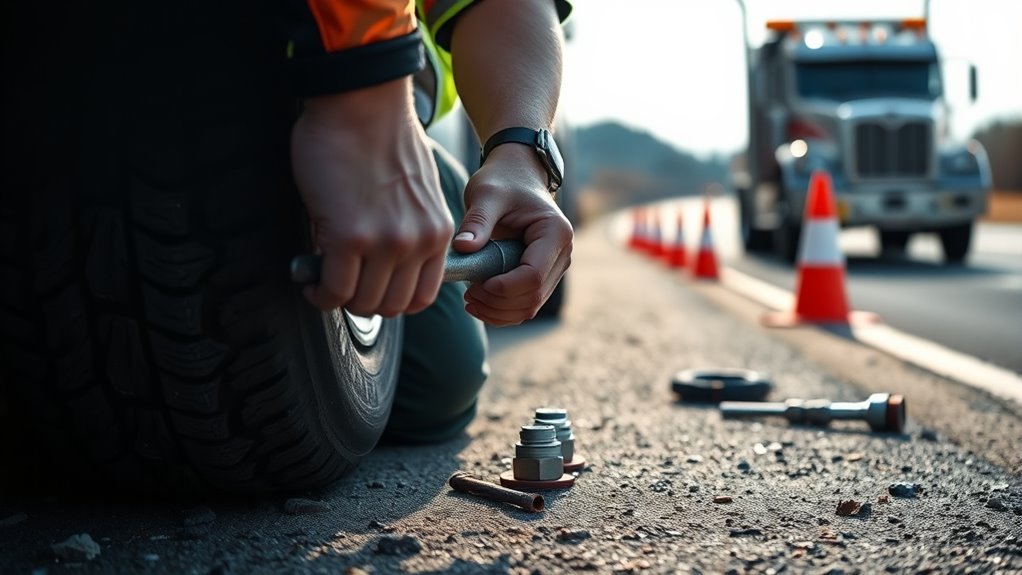
How to Fix a Flat Tire on a Car: Repair Options, Safety Limits, and When to Tow
Fixing a flat tire starts with assessing the damage. Small punctures in the tread can often be repaired safely. However, sidewall damage or multiple punctures usually mean the tire must be replaced.
Temporary solutions like foam spares or run-flat tires let you drive a short distance. These options are not permanent fixes and should be used only to reach a repair shop. Sealants and plug kits work well for minor tread punctures but are not suitable for larger or sidewall damage.
If the damage is severe or you lack proper tools, the safest choice is to call a tow service. Understanding when and how to repair a tire helps keep you safe on the road.
The following sections explain repair steps and important safety limits.
How to Assess and Decide on Flat Tire Repair
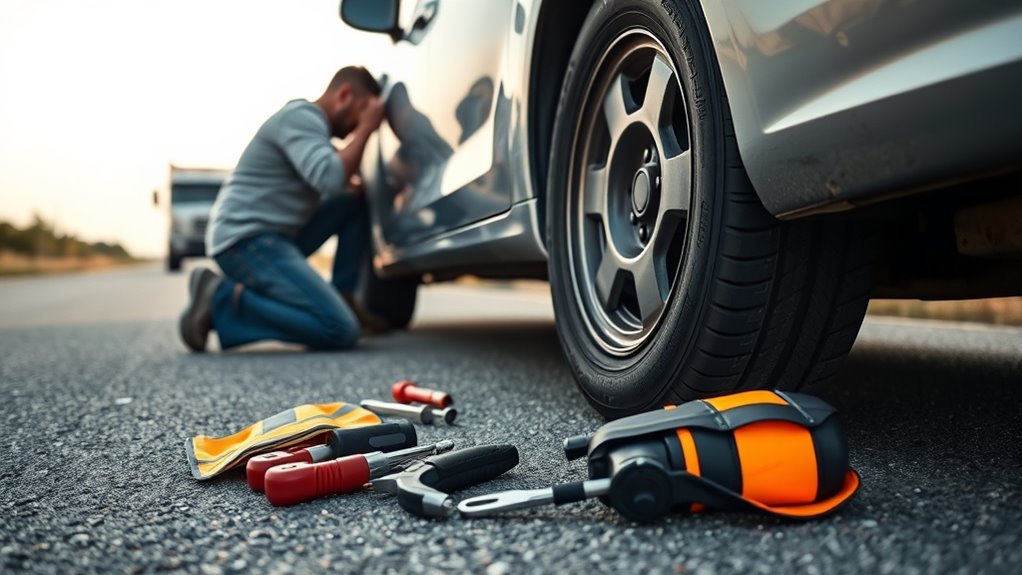
Assessing a flat tire involves inspecting visible damage, tread depth, and tire age to decide if repair is safe or replacement is necessary. Repair is possible for small tread punctures if the internal structure is sound. Sidewall damage or multiple close punctures require replacement for safety.
Evaluating flat tires ensures repairs are safe, focusing on damage location, tread condition, and tire age before deciding replacement.
Inspect the tire for these key factors:
- Puncture Location: Small punctures in the tread (less than 1/4 inch) are often repairable.
- Sidewall and Shoulder Damage: Any cuts, bulges, or damage here mean the tire must be replaced.
- Multiple Punctures: Several punctures close together make repair unsafe.
- Tire Age: Older tires may degrade and become unsafe to repair.
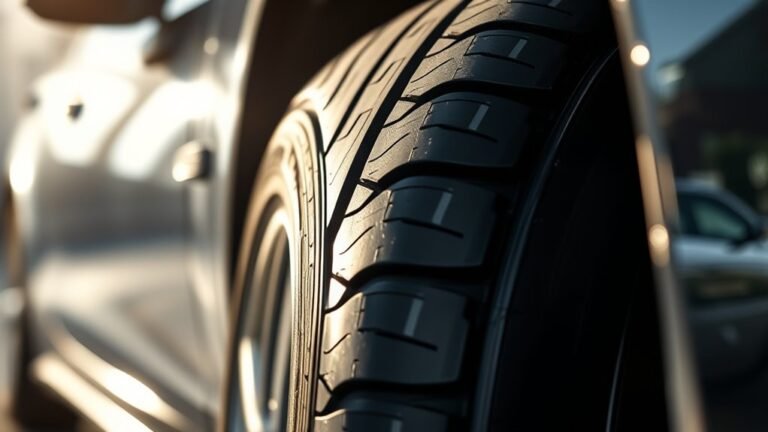
- Tread Depth: Worn tires with insufficient tread should not be repaired.
This evaluation ensures only tires meeting safety standards receive repairs, preventing hazards from compromised tires.
Step-by-Step Guide to Changing a Flat Tire
Changing a flat tire involves a clear sequence of steps to ensure safety and proper installation. The process includes securing the vehicle, loosening lug nuts, lifting the car, removing the flat tire, installing the spare, and tightening the lug nuts correctly.
Follow these steps to change a flat tire safely:
1. Park the Vehicle
Park on a stable, flat surface. Engage the parking brake to prevent movement.
2. Loosen Lug Nuts
Use a lug wrench to loosen the lug nuts slightly. Do not remove them completely yet.
3. Lift the Vehicle
Place the jack under the vehicle’s designated jacking point. Raise the car until the flat tire is off the ground.
4. Remove the Flat Tire
Fully unscrew the loosened lug nuts. Remove the flat tire by pulling it straight off the hub.
5. Install the Spare Tire
Align the spare tire holes with the lug bolts. Slide the spare onto the hub.
6. Tighten Lug Nuts by Hand
Screw the lug nuts onto the bolts by hand to hold the tire in place.
7. Lower the Vehicle
Carefully lower the car back to the ground using the jack.
8. Secure Lug Nuts
Tighten the lug nuts in a star pattern using the lug wrench. This ensures even pressure.
9. Store Tools and Flat Tire
Put away the jack, lug wrench, and the flat tire securely.
Drive cautiously to a repair shop to have the flat tire repaired or replaced.
Temporary Flat Tire Repair Options: What They Can (And Can’t) Do
Temporary flat tire repair options allow limited driving to reach a repair shop without immediate tire replacement. These methods provide short-term mobility but do not restore full tire functionality or safety. Drivers should use them only as stopgap solutions and seek professional tire repair or replacement as soon as possible.
Foam-filled spare tires and run-flat tires are common temporary repair options. Foam-filled spares replace a flat tire with a pre-filled foam tire that supports the vehicle for short distances. Run-flat tires have reinforced sidewalls that maintain shape after pressure loss, allowing limited driving at reduced speeds.
Temporary repairs have clear limits:
Temporary flat tire repairs have strict limits on distance, speed, and damage severity.
- Maximum driving distance typically ranges from 50 to 100 miles.
- Recommended speeds usually do not exceed 50 mph.
- Handling and ride comfort decline due to altered tire structure.
- Large punctures, sidewall damage, or severe tire wear cannot be fixed.
- Some repairs do not work if the tire is severely damaged or shredded.
Drivers must not treat temporary fixes as permanent solutions. Prolonged driving on temporary repairs risks safety, tire integrity, and vehicle control. Immediate professional inspection and proper repair or replacement remain essential after using any temporary flat tire solution.
When to Use a Tire Sealant or Plug Kit
A tire sealant or plug kit is suitable for quick, temporary repairs of small punctures in the tire tread. These tools allow drivers to reach a repair shop safely but do not replace professional tire repair or replacement.
Tire sealants seal punctures by filling the hole and coating the inside of the tire. Plug kits fill the puncture from the outside by inserting a plug into the hole. Both methods work best on minor damage caused by nails or screws.
Do not use sealants or plugs for large cuts, sidewall damage, or blowouts. These conditions require professional inspection and tire replacement. Sealants and plugs are temporary fixes and should not be considered permanent solutions.
Follow manufacturer instructions carefully when applying sealants or plugs. Proper use improves safety and the likelihood of a successful short-term repair. Always have the tire checked by a professional after using these kits.
How to Know When It’s Time to Call a Tow
Calling a tow service becomes necessary when a tire repair exceeds what you can safely handle or when the vehicle is in a dangerous spot. Tow services help avoid accidents and further damage when conditions or damage make self-repair unsafe or impossible.
Situations that require a tow include:
- Multiple damaged tires
- Severe sidewall damage
- No available or usable spare tire
- Vehicle stopped in high-traffic zones
- Vehicle parked on steep inclines
- Poor weather conditions affecting safety
- Lack of proper tools or confidence to fix the tire
Attempting repairs without proper skills or equipment can worsen damage or cause accidents. When unsure about the vehicle’s condition or your ability to repair safely, calling a tow protects both your safety and the vehicle’s integrity.
Frequently Asked Questions
What Tools Should I Keep in My Car for Tire Emergencies?
What tools should I keep in my car for tire emergencies?
Keep a spare tire, reliable jack, and lug wrench for changing tires. Use a tire pressure gauge to monitor inflation and a portable air compressor to temporarily reinflate tires. A tire repair kit with plugs or sealant helps fix minor punctures. Also, carry a flashlight and gloves for safety and convenience during roadside repairs.
How Often Should I Check My Tire Pressure?
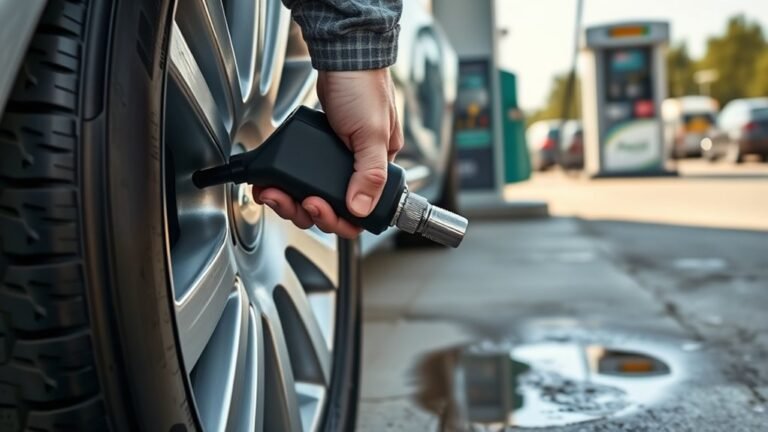
Check tire pressure at least once a month to ensure safety and fuel efficiency. Most vehicles are underinflated, leading to uneven wear and blowouts. Always check before long trips or carrying heavy loads. Use a reliable gauge for accurate readings to maintain performance and extend tire life.
Can I Drive on a Flat Tire to the Nearest Repair Shop?
Driving on a flat tire is unsafe and can damage your wheel and vehicle. Do not drive on a flat, even for a short distance. Use a spare tire, a tire repair kit, or have the vehicle towed to the nearest repair shop to avoid further damage.
What Causes Tires to Go Flat Unexpectedly?
Tires go flat unexpectedly due to several common causes. Sharp objects like nails or glass can puncture the tire. Slow leaks often result from valve stem damage or rim corrosion. Extreme temperatures cause air inside the tire to expand or contract, affecting pressure. Additionally, rough roads and worn-out tires increase the risk of flats.
How Do Weather Conditions Affect Tire Safety?
How do weather conditions affect tire safety?
Weather impacts tire safety by affecting traction, pressure, and wear. Cold weather lowers tire pressure, increasing blowout risk. Wet or icy roads reduce traction, causing skidding or hydroplaning. Heat can lead to overinflation and faster tire degradation. Adjusting tire maintenance and driving habits based on weather ensures optimal safety and performance.