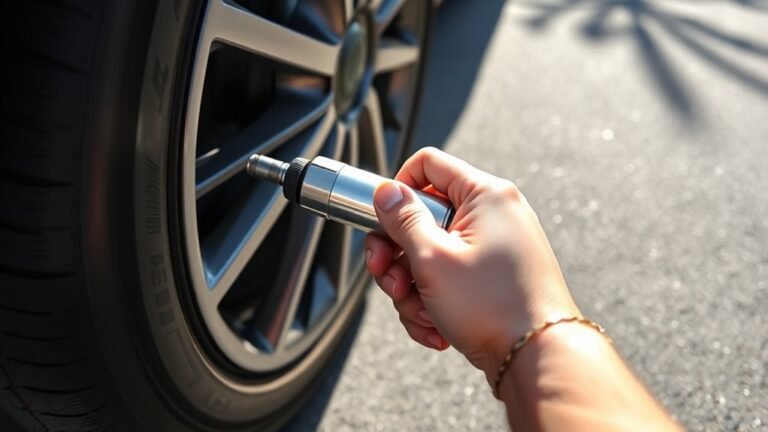
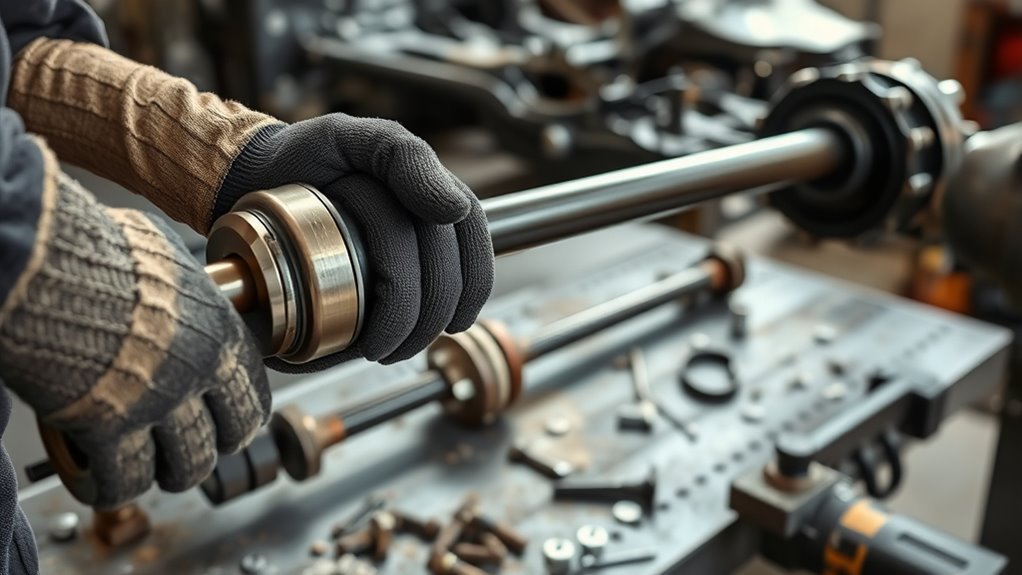
How Much Does It Cost to Repair a Car Axle? CV Axle, Shaft, and Differential Costs
Car axle repair costs vary depending on the part involved and the damage severity. Common repairs include CV axle, drive shaft, and differential fixes. Each has a different price range based on the work needed.
CV axle repairs typically cost between $150 and $800. This range covers minor joint repairs up to full replacements.
Drive shaft repairs start around $150 for small fixes and can reach $1,000 for complete replacements.
Differential repairs are usually more expensive. Simple repairs begin at about $150. Major rebuilds can cost over $3,000.
Prices also depend on the vehicle type and labor rates. Understanding these factors helps you manage and reduce repair expenses effectively.
Types of Car Axles and Their Roles

Car axles transmit power from the engine to the wheels, support the vehicle’s weight, and enable motion. Different types of axles serve distinct roles based on their design and application.
Car axles transfer engine power, bear vehicle weight, and facilitate movement through various designs and functions.
Drive axles deliver torque to the wheels, providing propulsion. They connect the engine and the driven wheels, transferring power for movement.
Dead axles do not transmit power. They support the vehicle’s weight on non-driven wheels, maintaining stability without rotating force.
Beam axles are solid shafts connecting wheels on the same axle. Common in rear-wheel-drive setups, they provide strength and durability but limit independent wheel movement.
Independent axles allow each wheel to move separately. They improve ride comfort and handling, often used in front-wheel and all-wheel-drive vehicles.
Summary of axle types and roles:
- Drive Axle: Transfers engine power to wheels; enables propulsion.
- Dead Axle: Supports vehicle weight on non-driven wheels; no power transmission.
- Beam Axle: Solid shaft connecting wheels; strong but limits independent movement.
- Independent Axle: Wheels move independently; enhances handling and comfort.
Understanding these axle functions helps explain the importance of proper axle maintenance and repair for vehicle safety and performance.
CV Axle Repair and Replacement Costs Explained
CV axle repair or replacement costs vary based on vehicle type, damage severity, and labor rates. Repairing minor damage like a CV joint or boot costs between $150 and $400. Replacing the entire CV axle shaft generally costs $300 to $800, including parts and labor. Luxury vehicles have higher expenses.
Factors affecting CV axle costs:
- Vehicle make and model: Luxury or specialty cars have pricier parts.
- Damage extent: Minor repairs involve joint or boot replacement; major damage requires axle shaft replacement.
- Labor rates: Prices differ by location and garage.
- Timing of repair: Delayed repairs can cause drivetrain damage, increasing costs.
Typical cost breakdown:
| Service Type | Cost Range |
|---|---|
| CV joint or boot repair | $150 – $400 |
| Full CV axle replacement | $300 – $800 |
Early diagnosis and prompt repair of CV axle issues improve vehicle safety and reduce expensive follow-up repairs.
Main Drive Shaft Repair Pricing Guide
Main drive shaft repair costs depend on damage severity, vehicle make, and labor rates. Minor repairs range from $150 to $400, while major repairs like shaft replacement cost between $400 and $1,000. Labor and parts prices vary, so getting a detailed mechanic estimate is important.
Main drive shaft repairs involve fixing or replacing components that transmit power from the engine to the wheels. Common minor repairs include replacing universal joints or balancing the shaft. These repairs usually cost $150 to $400.
Extensive damage, such as a bent or broken shaft, requires full shaft replacement. This repair typically costs $400 to $1,000 depending on the vehicle and parts availability.
Labor costs depend on local rates and the complexity of the repair. Some vehicles need extra disassembly, increasing labor time and expense.
Parts quality affects pricing. Original Equipment Manufacturer (OEM) parts often cost more than aftermarket alternatives. Availability of parts also influences total repair cost.
Summary of main drive shaft repair costs:
| Repair Type | Cost Range | Notes |
|---|---|---|
| Minor repairs | $150 – $400 | Includes universal joint replacement, balancing |
| Shaft replacement | $400 – $1,000 | For severe damage or shaft failure |
| Labor | Varies | Depends on vehicle complexity and local rates |
| Parts | Varies | OEM parts cost more than aftermarket |
To get an accurate repair cost, ask your mechanic for a detailed estimate including parts and labor. Main drive shaft repair costs are moderate compared to other drivetrain repairs but vary by vehicle and damage.
Differential Repair Costs: What to Expect
Differential repair costs depend on the damage severity and vehicle type. Minor repairs usually cost between $150 and $400. More serious fixes range from $500 to $1,000. Full rebuilds or replacements can exceed $1,000, reaching up to $3,000 for luxury or specialty vehicles.
Differentials manage power distribution to wheels, making their repair complex and labor-intensive. Labor charges significantly affect total costs due to the technical nature of the work. Diagnosing differential problems accurately is critical, as symptoms can resemble axle or drive shaft issues, influencing repair scope and price.
Typical differential repair costs:
- Seal replacement or fluid change: $150–$400
- Gear or bearing repairs: $500–$1,000
- Complete rebuild or replacement: $1,000–$3,000+
Luxury or specialized vehicles have higher repair costs due to parts and labor. Understanding these cost ranges helps vehicle owners budget and make informed repair decisions.
Tips to Save Money on Axle and Drivetrain Repairs
Axle and drivetrain repairs can be costly, but vehicle owners can save money by maintaining their vehicles regularly and comparing repair options. Early detection and proper care prevent major damage and reduce repair bills.
Regular inspections and lubrication protect drivetrain parts from wear and failure. Mechanics recommend checking CV joint boots and axle seals to avoid full replacements. Timely maintenance extends component life and cuts costs.
Comparing repair quotes helps find fair prices. Vehicle owners should get estimates from multiple mechanics to avoid overpaying. Transparent pricing and detailed quotes make it easier to evaluate repair options.
Using quality aftermarket or refurbished parts lowers expenses while maintaining reliability. These parts cost less than new OEM components but meet performance standards. Confirm part warranties to ensure coverage.
Performing minor repairs early, such as replacing torn CV joint boots, prevents axle damage. Small fixes stop dirt and moisture from entering the drivetrain, reducing the risk of major repairs later.
Proper tire alignment reduces strain on drivetrain components. Misaligned tires cause uneven wear on axles and joints. Regular wheel alignment and balanced tires help extend drivetrain lifespan.
Avoiding aggressive driving reduces wear on axles and drivetrain parts. Smooth acceleration, braking, and cornering decrease mechanical stress and extend repair intervals.
Asking about warranties on parts and labor protects the investment. Warranties provide repair or replacement coverage if issues arise after service. Confirm warranty terms before authorizing repairs.
Addressing drivetrain problems promptly stops further damage. Early repairs prevent breakdowns and higher costs. Timely action preserves vehicle reliability and lowers total repair expenses.
Frequently Asked Questions
How Do I Know if My Axle Needs Repair?
Signs your axle may need repair include clicking or clunking noises during turns, vibrations while driving, and steering difficulties. Visible damage or grease leaks from CV joint boots also indicate problems. Uneven tire wear and reduced power to the wheels are additional warning signs. A professional inspection is recommended for accurate diagnosis and repair.
Can Driving With a Damaged Axle Be Dangerous?
Is driving with a damaged axle dangerous?
Yes, driving with a damaged axle is dangerous because it can cause loss of vehicle control, vibrations, and unusual noises. Complete axle failure can lead to sudden loss of power or wheel detachment, increasing the risk of accidents. Prompt repair is crucial for safety.
How Long Does an Axle Repair Typically Take?
Axle repairs typically take 1 to 3 hours, depending on damage severity and vehicle model. Minor CV axle replacements usually take about an hour, while complex repairs involving the shaft or differential may take longer. Most repairs are completed within a single workday.
Are Axle Repairs Covered by Car Insurance?
Are axle repairs covered by car insurance?
Axle repairs are usually covered only if the damage is caused by a covered event like a collision. Mechanical failures or wear and tear are not included. Coverage varies by policy, so review your insurance details or ask your provider. Extended warranties or mechanical breakdown insurance may provide extra protection for axle repairs.
What Are the Signs of a Failing Differential?
What are the signs of a failing differential?
Signs of a failing differential include a howling or whining noise during turns, vibrations or shuddering while driving, uneven tire wear, and difficulty steering. These symptoms indicate internal gear issues and imbalance, requiring prompt inspection to avoid further damage.