
How to Check Car Maintenance History: Service Records, VIN Reports, and Inspection Clues
Checking a car’s maintenance history is essential before making a purchase. It helps you understand how well the vehicle has been cared for. This knowledge can save you from costly repairs later.
Start by gathering official service records. These come from authorized dealers or certified service centers. Then, use the vehicle’s VIN to access detailed history reports online. These reports show past ownership, accidents, and maintenance.
Next, inspect the car yourself. Look for paint inconsistencies and signs of wear inside. Check for mechanical problems like leaks or strange noises. Confirm the service records by contacting the service centers or hiring an independent inspector.
This process gives you a clearer picture of the car’s condition and history.
Finding Official Maintenance History Records

Official vehicle maintenance records are typically obtained from authorized dealerships and certified service centers where the vehicle was serviced. These sources keep detailed logs of repairs, scheduled maintenance, and parts replacements. Manufacturer digital platforms may also provide access to service histories completed at certified locations.
Authorized dealerships and certified service centers provide detailed, official vehicle maintenance records, often accessible via manufacturer digital platforms.
Authorized dealerships and service centers maintain official maintenance logs. They record all repairs, inspections, and part changes. These records ensure accurate and complete service histories.
Manufacturers sometimes offer online platforms or apps that allow owners to view maintenance data. These platforms collect information from certified service providers linked to the vehicle’s identification number (VIN).
Independent garages can provide service receipts or invoices, but their records may lack standard formats or comprehensive details. Always request original service documents or official invoices instead of relying on verbal reports from previous owners.
To verify a vehicle’s maintenance history and identify potential neglect, secure records directly from dealerships, certified centers, or manufacturer portals. Official records remain the most reliable proof of consistent upkeep.
Using the VIN to Access Maintenance and Recall Information
The Vehicle Identification Number (VIN) provides direct access to a vehicle’s maintenance history and recall information. This unique 17-character code identifies each vehicle and links to records stored in online databases. Users can enter the VIN to find service details and safety notices without needing physical documents.
The VIN allows retrieval of maintenance records reported by dealerships, manufacturers, and independent repair shops. These records show past repairs, routine service, and part replacements, helping owners or buyers assess the vehicle’s condition.
Access to recall information through the VIN ensures users receive current safety alerts. Manufacturers issue official recall notices tied to specific VINs, which helps identify and fix safety defects promptly.
Benefits of using the VIN for maintenance and recall data:
| Feature | Benefit |
|---|---|
| Service History Access | Detailed records of repairs and services |
| Recall Information | Official, updated safety alerts |
| Easy Online Lookup | Fast retrieval from multiple sources |
Entering the VIN into government or manufacturer websites, vehicle history services, and some repair shops’ portals offers a centralized way to check important vehicle information. This method saves time and improves transparency for buyers and vehicle owners.
What to Look For During a Physical Car Inspection
A thorough physical inspection involves evaluating the vehicle’s exterior for damage or rust, which can indicate past issues. The engine compartment should be checked for leaks, corrosion, and overall cleanliness. Additionally, interior wear such as worn seats or damaged controls can reveal how well the car has been maintained.
Exterior Condition Assessment
Exterior condition assessment reveals a vehicle’s maintenance history and identifies potential issues. Inspecting paint, rust, panel alignment, trim, and tires helps detect repairs, neglect, or damage. This evaluation offers key insights into the car’s overall state.
Check the paintwork for inconsistencies such as mismatched colors, uneven surfaces, or overspray. These signs often indicate past repairs or repainting.
Look for rust spots near wheel arches, door edges, and under the chassis. Rust suggests exposure to moisture or neglect.
Examine panel alignment and gaps between doors, hood, and trunk. Irregular gaps usually point to collision repairs or bodywork adjustments.
Inspect trim, seals, and lights for cracks, fading, or damage. These parts reflect exposure to weather and maintenance quality.
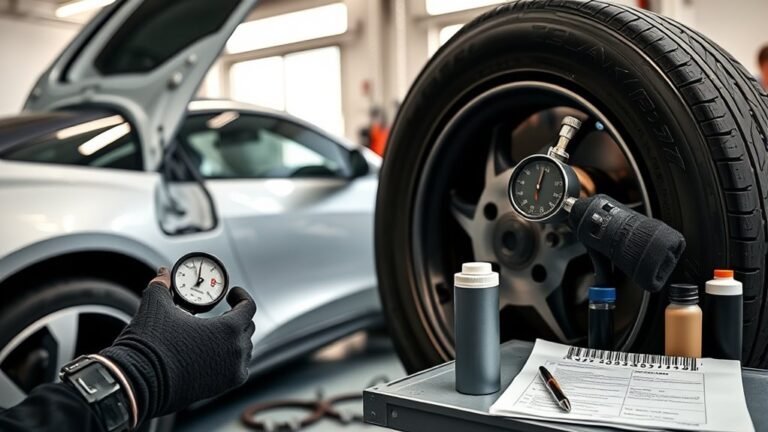
Assess tires for uneven tread wear and sidewall damage. Abnormal wear patterns can indicate suspension problems or poor upkeep.
Summary of key exterior checks:
- Paint inconsistencies: mismatched colors, overspray
- Rust locations: wheel arches, door edges, under chassis
- Panel gaps: uneven or misaligned doors, hood, trunk
- Trim and seals: cracks, fading, damage
- Tires: tread wear patterns, sidewall damage
Performing these checks provides a clear picture of a vehicle’s exterior condition and maintenance history.
Engine Compartment Check
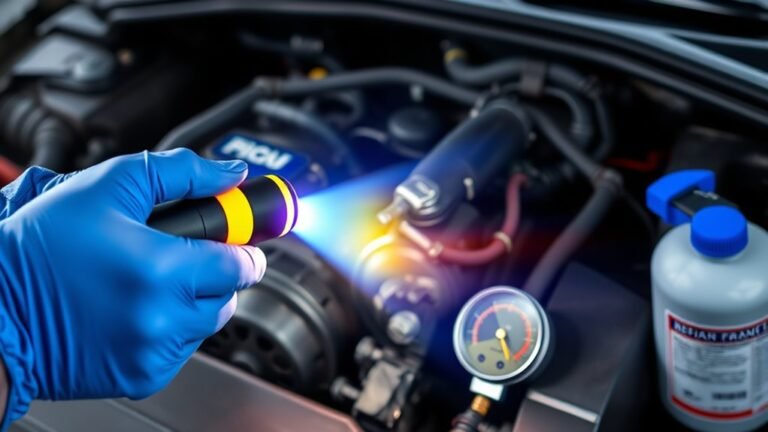
The engine compartment reveals important details about a vehicle’s maintenance and condition. Checking for cleanliness, fluid levels, and wear helps identify neglect or proper care. Key signs include oil leaks, battery terminal corrosion, and damaged belts or hoses. These indicators show if the vehicle has been regularly serviced.
Inspect the engine compartment by focusing on these points:
- Oil Leaks: Look for oil stains or wet spots. Leaks often indicate worn seals or gaskets that need repair.
- Battery Terminals: Check for white or green corrosion. Corrosion reduces battery efficiency and suggests poor upkeep.
- Belts and Hoses: Examine for cracks, fraying, or stiffness. Damaged belts and hoses signal aging parts that require replacement.
- Fluid Levels: Verify coolant, brake fluid, oil, and transmission fluid levels. Low fluids may point to leaks or insufficient maintenance.
| Inspection Point | What It Indicates |
|---|---|
| Oil Leaks | Engine seal or gasket damage |
| Battery Terminals | Corrosion from lack of cleaning or care |
| Belts and Hoses | Wear or deterioration due to age or neglect |
| Fluid Levels | Possible leaks or poor maintenance |
Regular engine compartment checks help identify early problems and confirm consistent vehicle care.
Interior Wear Indicators
Interior wear indicators reveal a vehicle’s usage and maintenance through visible signs inside the cabin. Examining seats, steering wheel, pedals, and floor mats helps estimate mileage and care levels. These signs assist in confirming service records and mileage accuracy.
Seats show wear patterns that correspond to use. Excessive wear on the driver’s seat often indicates higher mileage than reported. Check for cracks, tears, and fabric thinning. Stains or odors may suggest neglect or exposure to harsh conditions.
The steering wheel’s surface condition reflects handling frequency. Worn or shiny spots on the grip point to heavy use. Smooth, intact leather or material may indicate low mileage or recent replacement.
Pedal wear signals foot traffic and driving habits. Scuffed or worn pedals typically confirm frequent use. Conversely, clean or replaced pedals might indicate recent maintenance or part swaps.
Floor mats show how well the interior is maintained. Dirty, stained, or worn mats suggest heavy use or poor upkeep. Clean or new mats may result from recent cleaning or replacement.
Functionality of interior controls matters. Buttons, switches, and seat adjustment mechanisms reflect care levels. Sticky or nonresponsive controls could signal neglect or aging.
Summary of key interior wear indicators:
- Driver’s seat: cracks, tears, fabric thinning
- Steering wheel: worn or shiny grip areas
- Pedals: scuffs and wear patterns
- Floor mats: dirt, stains, wear versus cleanliness
- Interior controls: smooth operation versus stickiness
Checking these interior features provides practical clues about a vehicle’s true use and maintenance history.
Spotting Signs of Neglected Maintenance
Signs of neglected maintenance often manifest through unusual engine noises, which may indicate underlying mechanical issues. Fluid leaks are another clear indicator, revealing possible problems with seals or gaskets. Additionally, excessive tire and brake wear can suggest a lack of regular upkeep and safety concerns.
Unusual Engine Noises
Unusual engine noises often signal mechanical issues caused by poor maintenance. Knocking, ticking, or rattling sounds can indicate worn bearings, loose parts, or failing timing chains. Detecting these noises early helps identify maintenance problems and prevent costly repairs.
Knocking noises usually point to worn engine bearings or improper combustion timing. Bearings wear down when oil changes are delayed, reducing lubrication and increasing friction. This damage produces a knocking sound that worsens over time.
Ticking sounds often come from loose or damaged components like valve lifters or spark plugs. Neglecting spark plug replacement or valve adjustments can cause irregular ticking during engine operation. Fuel injector clogging also contributes to rough engine noise.
Rattling noises may arise from failing timing chains or loose engine parts. Timing chains stretch or wear without timely maintenance, causing the chain to slap or rattle. Loose bolts or components vibrate and produce rattling noises during acceleration or idling.
Rough idling or irregular engine revving often results from neglected spark plugs or dirty fuel injectors. Spark plugs that are old or fouled fail to ignite fuel properly, causing uneven engine performance. Clogged fuel injectors disrupt fuel flow and lead to unstable engine speed.
Ignoring unusual engine sounds risks further mechanical damage and costly repairs. Regular inspections and early detection of abnormal noises provide clues about the vehicle’s maintenance history and mechanical health. Addressing these sounds promptly helps maintain engine reliability and longevity.
Fluid Leakage Detection
Fluid leakage points to vehicle maintenance issues by revealing worn seals, damaged parts, or missed repairs. Detecting leaks signals that routine inspections or fluid changes were likely neglected, which can lead to internal damage over time.
Fluid leaks show problems such as:
- Dark oily spots under the engine indicate oil leaks.
- Bright green or orange stains near the radiator suggest coolant leaks.
- Reddish spots on the floor often come from transmission fluid.
- Clear or amber drops around wheels may be brake fluid.
- Puddles with a sweet or burnt smell can indicate coolant or oil leaks.
These signs often mean the vehicle has unresolved mechanical problems or skipped service intervals. Regular visual checks for leaks help assess the maintenance history and prevent further damage.
Tire and Brake Wear
Tire and brake wear patterns reveal key information about a vehicle’s maintenance history. Uneven wear on tires or brakes often signals alignment, suspension, or servicing issues. Regular inspection and timely replacement prevent excessive wear and maintain safety.
Tire wear indicates vehicle care and mechanical condition. Common signs include:
- Uneven tread wear: Suggests poor wheel alignment or suspension problems.
- Excessive tread wear: Indicates use beyond recommended intervals without replacement.
- Bald spots or sidewall damage: Reflects improper tire maintenance or harsh driving conditions.
Brake wear patterns also reveal service history. Key observations include:
- Thin or uneven brake pads: Point to overdue replacements or irregular servicing.
- Scoring or grooves on brake rotors: Show extended use without rotor resurfacing or replacement.
- Consistent, even wear: Implies regular brake maintenance and inspections.
Inspecting tires and brakes helps assess vehicle reliability. Wear patterns provide objective data on upkeep or neglect, aiding in accurate condition evaluation during appraisals.
Top Sources for Vehicle History Reports
Vehicle history reports provide detailed information about a car’s past, including accidents, title status, odometer readings, and service records. Reliable platforms collect data from various sources to help buyers verify a vehicle’s condition before purchase.
Top sources for vehicle history reports include:
- Carfax: Offers comprehensive accident and maintenance records. It sources data from repair shops, insurance companies, and state agencies.
- AutoCheck: Focuses on auction data and title history. It is popular among dealers and provides a score to compare vehicle condition.
- NMVTIS (National Motor Vehicle Title Information System): A government database that tracks title status, brand history, and certain theft records. NMVTIS prevents title fraud.
- VinCheck: A free tool from the National Insurance Crime Bureau. It provides information on theft and salvage status.
- Dealer-provided reports: Dealers often supply Carfax or AutoCheck reports with certified pre-owned vehicles to assure buyers of the car’s reliability.
Each platform offers specific data types, so using multiple sources can provide a fuller picture of a vehicle’s history.
How to Verify Seller Maintenance Claims Before Buying
Verifying seller maintenance claims ensures the vehicle’s service history is accurate and trustworthy. Buyers should check records against independent sources and inspect documents carefully to avoid hidden problems or false information.
Sellers may provide maintenance records, but buyers must confirm their authenticity. Cross-reference service dates and mileage with vehicle history reports to spot discrepancies. Check for gaps or unusual intervals that suggest missing or fabricated services.
Contacting service centers listed on the records helps verify if the maintenance was performed. Official stamps or signatures on documents further confirm legitimacy. Lack of such marks may indicate falsified records.
Third-party inspection services offer an additional layer of validation. Inspectors can identify signs of neglected maintenance or inconsistencies in the vehicle’s condition compared to the records.
Summary of key verification steps:
- Compare service dates and mileage with vehicle history reports
- Contact service centers to confirm maintenance work
- Check for official stamps or signatures on records
- Look for unusual gaps or low maintenance frequency
- Use third-party inspections to validate claims
Following these steps helps buyers make informed decisions and avoid vehicles with hidden issues.
Final Checklist: Confirming a Car’s Maintenance History
A final checklist confirms a car’s maintenance history is accurate and complete before purchase. This step helps buyers avoid hidden problems and trust the vehicle’s condition. Checking the maintenance history reduces the risk of unexpected repairs after buying.
Key verification points include:
Essential steps to verify a car’s maintenance history before purchase for peace of mind and reliability.
- Cross-check service dates with recorded mileage for consistency.
- Confirm major repairs match the vehicle’s age and usage.
- Verify that receipts or service records are authentic and detailed.
- Use the VIN report to identify unreported accidents or title issues.
- Conduct a final visual inspection for recent repairs or neglect.
Following this checklist ensures the maintenance history is reliable. It provides a critical safeguard for making an informed car-buying decision.
Frequently Asked Questions
How Often Should I Schedule Routine Car Maintenance?
Routine car maintenance is recommended every 5,000 to 7,500 miles or about every six months. Regular check-ups help prevent costly repairs and extend the life of your vehicle. Delaying maintenance can lead to expensive breakdowns, making timely service essential.
What Are Common Maintenance Tasks for Electric Vehicles?
Common maintenance tasks for electric vehicles include checking and replacing the cabin air filter, inspecting the battery cooling system, and ensuring charging equipment works properly. Regular tire rotations and brake inspections are important, though brake wear is usually less frequent due to regenerative braking. Additionally, performing software updates and checking coolant levels for battery thermal management help maintain optimal performance and extend the electric powertrain’s lifespan.
Can I Check Maintenance History for Leased Cars?
Can you check maintenance history for leased cars? Yes, leased cars usually have maintenance records kept by the leasing company or authorized service centers. Access may require permission from the lessor. To verify maintenance history, request service documentation or contact the leasing company.
How Does Climate Affect Car Maintenance Needs?
How does climate affect car maintenance?
Climate impacts car maintenance by determining specific needs like antifreeze checks in cold areas, coolant system care in hot regions, and rust prevention in humid or coastal zones.
What maintenance is needed in cold climates?
In cold climates, check antifreeze levels, inspect the battery, and adjust tires for snow conditions.
What should be done in hot climates?
Hot climates require frequent coolant system checks and regular tire pressure monitoring due to heat expansion.
How does humidity affect car care?
Humid or coastal areas need extra rust prevention measures and careful brake system maintenance.
Why is climate-specific maintenance important?
Tailoring maintenance to climate ensures optimal vehicle performance and extends its lifespan.
Are There Apps to Remind Me of Upcoming Maintenance?
Yes, many apps like Car Minder Plus, AutoCare, and myCARFAX send reminders for upcoming car maintenance such as oil changes, tire rotations, and inspections. They sync with vehicle data or allow manual input to improve accuracy, helping extend vehicle lifespan and avoid costly repairs.