Can You Mix Air and Nitrogen in Car Tires? Safety, Benefits, and Maintenance
Mixing air and nitrogen in car tires is generally safe. Both gases are non-toxic and non-flammable. There are no immediate safety risks from combining them.
However, mixing air and nitrogen can cause pressure changes. This happens because nitrogen and oxygen diffuse through tire walls at different rates. Over time, this can lead to variable tire pressures.
Nitrogen helps reduce moisture and oxidation inside tires. This can extend tire life.
Air is more convenient and less costly. Regardless of the gas used, regular pressure checks are essential for safety and performance.
Can You Mix Air and Nitrogen in Car Tires Safely?
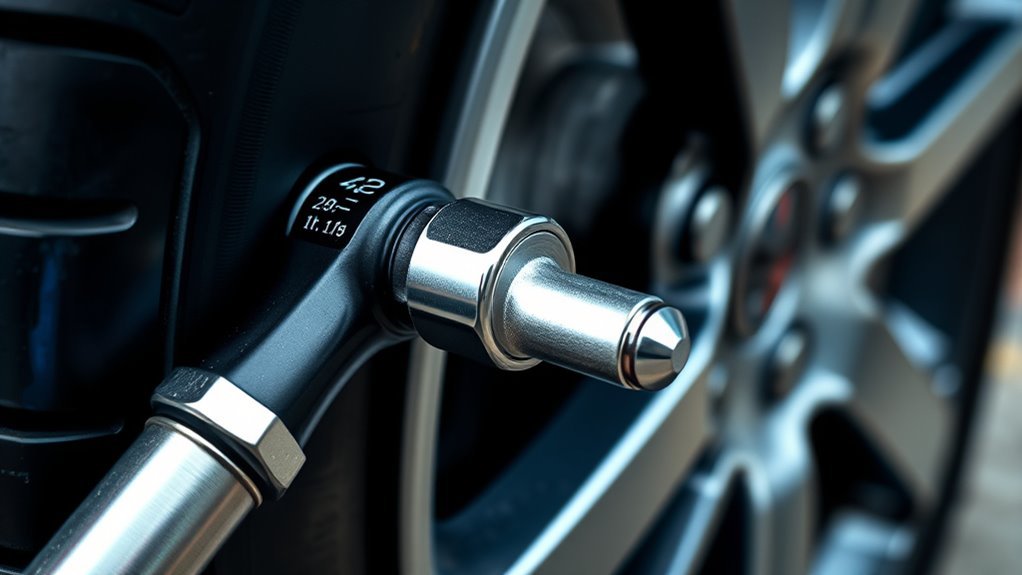
Mixing air and nitrogen in car tires is safe and does not affect tire performance or safety. Both gases are non-flammable and non-toxic. Combining them does not cause harmful reactions or reduce tire integrity.
Tire pressure remains stable with a mixture of air and nitrogen. The presence of oxygen in air does not accelerate tire wear or degradation when mixed with nitrogen. The structural strength of tires is maintained regardless of the gas combination used.
Regular tire maintenance is essential for safety. Checking tire pressure and inspecting tires for damage should continue, whether tires contain air, nitrogen, or a mixture of both.
Summary of key points:
- Mixing air and nitrogen is safe.
- No harmful chemical reactions occur.
- Tire pressure stability is comparable to single-gas inflation.
- Oxygen in air does not increase tire degradation when mixed with nitrogen.
- Standard tire maintenance remains necessary.
Drivers can confidently use a mix of air and nitrogen in tires without safety concerns or damage.
How Air and Nitrogen Impact Your Tire’s Performance
Air and nitrogen differ mainly in their molecular composition, affecting tire pressure retention and temperature stability. Nitrogen molecules are larger and less reactive than oxygen, which helps maintain stable tire pressure and reduces moisture and oxidation inside tires.
Nitrogen slows pressure loss because its larger molecules pass through tire walls more slowly than oxygen. Regular air contains about 21% oxygen and moisture, which escape more quickly, causing faster pressure drops. Maintaining proper tire pressure improves fuel efficiency, tire wear, and safety.
Nitrogen’s inert nature limits internal moisture and oxidation. Moisture inside tires can cause corrosion on rims and degrade the tire material. Oxidation from oxygen can weaken tire components over time. Using nitrogen reduces these risks, potentially extending tire life.
Temperature changes affect tire pressure by causing air inside to expand or contract. Nitrogen’s stable properties under heat lead to more predictable pressure variations during driving. This can help maintain consistent tire performance in varying weather and road conditions.
Both air and nitrogen provide adequate inflation for tires. The benefits of nitrogen are more noticeable in high-performance, heavy-duty, or commercial vehicles. For everyday driving, the difference in tire performance between air and nitrogen is generally small.
Benefits and Risks of Mixing Air and Nitrogen in Tires
Mixing air and nitrogen in tires affects tire pressure stability, which can influence overall performance. It also impacts oxidation and corrosion within the tire and rim, potentially altering durability. Additionally, cost and convenience play a role in deciding whether to use a mixed gas approach.
Tire Pressure Stability
Tire pressure remains more stable over time when tires are filled with nitrogen instead of regular air. Nitrogen molecules are larger and less permeable than oxygen molecules, which slows pressure loss. This helps keep tire inflation closer to the ideal level for longer periods.
Nitrogen’s larger molecular size reduces the rate at which gas escapes through the tire walls. Air contains about 78% nitrogen and 21% oxygen. Oxygen molecules are smaller and leak faster, causing quicker pressure drops when tires are filled with regular air.
When tires contain a mixture of air and nitrogen, pressure stability decreases. The oxygen portion still escapes faster, reducing the benefit of nitrogen inflation. Mixed gas tires lose pressure more quickly than pure nitrogen but may perform better than air alone depending on the nitrogen concentration.
Maintaining proper tire pressure is essential for safety, fuel economy, and tire wear. Regular pressure checks are necessary regardless of whether tires are filled with air, nitrogen, or a mixture.
| Gas Type | Pressure Stability | Notes |
|---|---|---|
| Pure Nitrogen | Highest | Slowest pressure loss due to larger molecules |
| Air + Nitrogen | Moderate | Stability depends on nitrogen ratio; oxygen escapes faster |
| Regular Air | Lowest | Faster pressure loss from oxygen leakage |
Regular monitoring of tire pressure is the best way to ensure optimal performance and safety. Nitrogen inflation can reduce the frequency of pressure drops but does not eliminate the need for checks.
Oxidation and Corrosion
Oxidation and corrosion inside tires affect their materials and internal metal parts. Oxygen and moisture in air accelerate rubber aging and rust on steel components. Using nitrogen reduces moisture and oxygen levels, slowing these processes but does not eliminate them completely.
Air inside tires contains oxygen and water vapor. Oxygen causes rubber to age and metal parts like steel belts and rims to corrode. Moisture promotes rust formation on metal components, weakening tire structure.
Nitrogen gas is dry and inert. It reduces the moisture inside tires and lowers oxygen exposure. This limits oxidation of rubber and corrosion of metal parts. Tires filled with nitrogen often show slower degradation than those filled with air.
Mixing air and nitrogen reduces but does not stop oxidation and corrosion. Partial oxygen presence still sustains chemical reactions that degrade tire materials and metals.
Key factors related to oxidation and corrosion in tires:
- Oxygen concentration controls rubber aging speed and metal corrosion rate
- Moisture inside tires promotes rust on steel belts and rims
- Nitrogen reduces internal humidity, lowering corrosion risk
- Partial air presence maintains oxygen, allowing ongoing oxidation
- Corrosion damages tire integrity, safety, and service life
Choosing nitrogen or air affects tire durability by influencing oxidation and corrosion inside the tire. Understanding these effects helps evaluate the trade-offs when mixing gases.
Cost and Convenience
Cost and convenience affect the choice to use mixed air and nitrogen in tires by balancing price savings with ease of maintenance. Mixing air and nitrogen reduces costs compared to pure nitrogen inflation and allows easy tire topping at common service stations. However, pure nitrogen may improve long-term pressure stability.
Using a mix of air and nitrogen lowers expenses because nitrogen-only inflation often involves higher service fees and limited availability. Most service stations provide compressed air, making refills convenient and quick. Mixing air and nitrogen does not require special tools or procedures, which simplifies tire care for vehicle owners.
Pure nitrogen inflation helps maintain tire pressure for longer periods by reducing air moisture and oxygen exposure. This can decrease the frequency of pressure checks and refills, potentially lowering maintenance costs over time. Still, the convenience of topping off tires with air at many locations often outweighs these benefits for typical drivers.
Key factors affecting cost and convenience include:
- Service cost differences between nitrogen fill and air fill
- Availability of nitrogen filling stations versus air compressors
- Frequency of tire pressure maintenance required
- Individual driving patterns and priorities
Drivers should weigh these factors based on their access to filling services and how much they value long-term pressure stability versus immediate convenience and cost savings.
When Should You Use Full Nitrogen Instead of Air or a Mix?
Full nitrogen offers benefits such as reduced pressure fluctuations and slower moisture buildup compared to air or mixed gases. It is particularly advantageous in environments with extreme temperatures or for high-performance vehicles. Understanding when these conditions apply helps determine the best choice between full nitrogen, air, or a mixture.
Advantages Of Full Nitrogen
Full nitrogen inflation improves tire performance by maintaining stable pressure and reducing moisture inside the tire. It slows rubber degradation and prevents corrosion, which extends tire life and enhances safety under demanding conditions.
Nitrogen reduces oxidation inside tires. Oxidation causes rubber to break down faster, so nitrogen helps preserve tire material for longer.
Tire pressure remains more stable with nitrogen. Nitrogen molecules are larger and less likely to seep through the tire walls, reducing pressure loss over time.
Nitrogen lowers moisture content inside the tire. Moisture can cause corrosion on metal rims and increase pressure fluctuations with temperature changes.
Consistent tire pressure from nitrogen inflation supports better fuel efficiency by maintaining proper tire contact with the road.
Using nitrogen helps prevent heat buildup. Lower heat reduces the risk of tire failure during high-speed or heavy-load driving.
Summary of full nitrogen advantages:
- Minimizes rubber oxidation and tire degradation
- Maintains stable tire pressure longer
- Reduces moisture, preventing rim corrosion
- Supports fuel efficiency with steady inflation
- Limits heat buildup, enhancing tire durability
Full nitrogen inflation is especially useful for high-performance, commercial, and long-term vehicle storage applications where tire reliability matters.
Ideal Conditions For Use
Nitrogen inflation improves tire pressure stability and reduces moisture, making it ideal for specific vehicle types and conditions. It is most beneficial where consistent performance and durability are critical.
High-performance vehicles, racing cars, and aircraft tires benefit from nitrogen because it maintains stable pressure and limits moisture inside the tire. Heavy-duty trucks and commercial fleets operating in extreme temperatures or on long routes minimize pressure changes and tire wear when using nitrogen. Vehicles in harsh environments, such as construction or military applications, gain durability and safety due to nitrogen’s inert nature.
For everyday passenger cars, nitrogen offers fewer advantages and is often unnecessary. However, in situations requiring precise tire pressure control, reduced oxidation, and longer tire life, nitrogen inflation provides a clear benefit over air or mixed gases.
Ideal Conditions for Nitrogen Use:
- High-performance vehicles and racing cars: Stable pressure improves handling and tire life.
- Aircraft tires: Reduced moisture prevents pressure fluctuations and corrosion.
- Heavy-duty trucks and commercial fleets: Maintains consistent pressure under extreme temperatures and long distances.
- Construction and military vehicles: Enhances durability and safety in harsh environments.
- Everyday passenger cars: Benefits are limited but present in cases demanding precise tire pressure.
Nitrogen inflation offers a practical solution when tire reliability and longevity matter most.
Maintaining Proper Tire Pressure With Mixed Gases
Proper tire pressure ensures safety and performance regardless of whether tires contain air, nitrogen, or a gas mixture. Maintaining correct pressure provides optimal road contact, improves fuel economy, and reduces tire wear. Mixed gases require regular checks due to differing diffusion rates that can alter pressure over time.
Proper tire pressure is vital for safety, performance, and efficiency, especially with mixed gases needing regular monitoring.
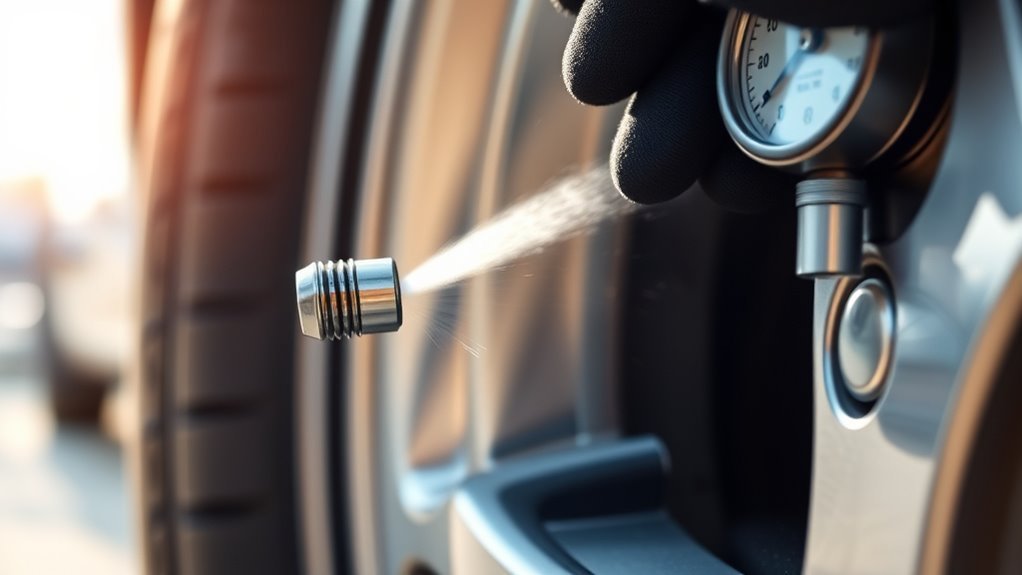
Tire pressure should be checked with a reliable gauge. Always measure pressure when tires are cold to avoid errors caused by heat expansion. Adjust pressure to the vehicle manufacturer’s specified levels, not based on the type of gas used.
Regular tire inspections help detect leaks or damage that might affect pressure. Keep records of pressure checks to monitor trends and catch potential issues early. Follow manufacturer guidelines for check frequency to maintain consistent performance and safety.
Summary of key points for maintaining tire pressure with mixed gases:
- Use a precise tire pressure gauge
- Check pressure when tires are cold
- Set pressure according to vehicle specifications
- Inspect tires for leaks or damage regularly
- Record pressure readings to track changes over time
Tips for Choosing the Right Tire Inflation Gas for Your Car
Choosing the right tire inflation gas depends on your driving needs, budget, and maintenance habits. Air is common and affordable for daily use. Nitrogen offers more stable pressure and less moisture, helping tires last longer and perform better under tough conditions.
Air is the standard gas used in tires. It is easy to find and costs little. Air contains about 78% nitrogen, 21% oxygen, and some moisture. Moisture and oxygen inside tires can cause pressure changes and corrosion. Regular air inflation suits most drivers and climates.
Nitrogen fills tires with nearly pure nitrogen gas. This reduces moisture and oxygen inside tires. Lower moisture means less pressure variation and less risk of internal corrosion. Nitrogen helps maintain stable tire pressure longer, which can improve fuel efficiency and tire life, especially for high-speed or heavy-duty driving.
Consider these factors when choosing between air and nitrogen:
- Driving habits: Frequent high speeds or heavy loads benefit from nitrogen.
- Climate: Hot or humid areas increase pressure changes with air.
- Tire type: Performance or specialty tires may gain from nitrogen.
- Cost: Nitrogen inflation often costs more and may require special equipment.
- Maintenance: Regular pressure checks are essential regardless of gas type.
Use the table below to compare air and nitrogen:
| Feature | Air | Nitrogen |
|---|---|---|
| Availability | Widely available | Limited, requires special service |
| Cost | Low | Higher |
| Moisture content | Contains moisture | Minimal moisture |
| Pressure stability | Less stable | More stable |
| Tire corrosion risk | Higher (due to oxygen/moisture) | Lower |
| Maintenance | Regular pressure checks needed | Regular pressure checks needed |
Follow vehicle manufacturer recommendations for tire inflation. Consult a tire professional if unsure about which gas suits your car and driving conditions. Proper inflation improves safety, tire life, and fuel efficiency without unnecessary expense.
Final Thoughts on Air vs. Nitrogen Tire Inflation
Both air and nitrogen maintain tire pressure but differ in moisture content, pressure stability, and cost. Nitrogen reduces moisture inside tires, limiting corrosion and pressure changes. Compressed air is easier to access and cheaper but contains moisture and oxygen, which can impact tire life. The best choice depends on your vehicle and driving needs.
Nitrogen lowers oxidation and corrosion inside tires by reducing moisture and oxygen levels. This helps protect tire components and rims from rust.
Moisture in compressed air causes pressure variations when temperatures change. Water vapor expands and contracts, leading to fluctuating tire pressure.
Nitrogen keeps tire pressure more stable over time. Its dry, inert nature means less pressure loss and fewer adjustments.
Compressed air is widely available at service stations and requires no special equipment. This convenience makes it the standard choice for most drivers.
Cost differences exist. Nitrogen inflation may cost more upfront but can reduce maintenance needs. Air is less expensive but might require more frequent pressure checks and tire care.
| Feature | Nitrogen | Compressed Air |
|---|---|---|
| Moisture Content | Low (dry gas) | Higher (contains water vapor) |
| Pressure Stability | More stable over time | Pressure varies with temperature |
| Corrosion Risk | Reduced | Higher due to moisture and oxygen |
| Availability | Limited, requires equipment | Widely available |
| Cost | Higher initial cost | Lower initial cost |
Choose nitrogen for long-term stability and corrosion resistance. Select compressed air for convenience and lower upfront expense. Consider your driving conditions and maintenance preferences when deciding.
Frequently Asked Questions
How Does Altitude Affect Tire Pressure With Nitrogen Versus Air?
How does altitude affect tire pressure with nitrogen versus air?
Altitude causes tire pressure to decrease as atmospheric pressure drops. Both nitrogen and air experience similar pressure changes due to temperature and external pressure shifts. Nitrogen’s larger molecules may slow pressure loss slightly, providing more stable pressure over time in changing conditions.
Can Mixing Gases Impact Tire Valve Stem Longevity?
Mixing gases in tires does not directly affect tire valve stem longevity. Valve stem durability depends mainly on material quality and environmental exposure. However, moisture buildup from mixed gases can cause corrosion, potentially reducing valve stem life. Regular maintenance and inspection are key to ensuring valve stem durability regardless of the gas mixture.
Are Nitrogen Tanks Available at All Tire Service Centers?
Nitrogen tanks are not available at all tire service centers. They are typically found in specialized or higher-end shops rather than standard garages. Drivers should call ahead or visit dedicated tire retailers to find nitrogen inflation services.
Does Temperature Affect Nitrogen-Filled Tires Differently Than Air-Filled?
Does temperature affect nitrogen-filled tires differently than air-filled tires?
Temperature changes cause both nitrogen-filled and air-filled tires to expand and contract, affecting pressure similarly. However, nitrogen leaks more slowly due to larger molecules, helping maintain pressure longer. Immediate pressure changes from temperature shifts are about the same for both gases.
Can Nitrogen Inflation Improve Fuel Efficiency in Electric Vehicles?
Can nitrogen inflation improve electric vehicle fuel efficiency?
Yes, nitrogen inflation can slightly improve fuel efficiency by maintaining more stable tire pressure and reducing rolling resistance.
How significant is the impact of nitrogen inflation on EV range?
The impact is modest and less significant compared to factors like driving habits or vehicle design.
What are the benefits of using nitrogen in EV tires?
Nitrogen slows tire pressure loss, helping maintain optimal inflation for better efficiency.
Is nitrogen inflation transformative for electric vehicle efficiency?
No, nitrogen inflation offers modest benefits but is not a transformative solution for EV efficiency.