Do Car Tires Have Inner Tubes? How Modern Tubeless Tires Hold Air
Most modern car tires do not have inner tubes. Instead, they use a tubeless design. This design holds air directly between the tire and the rim.
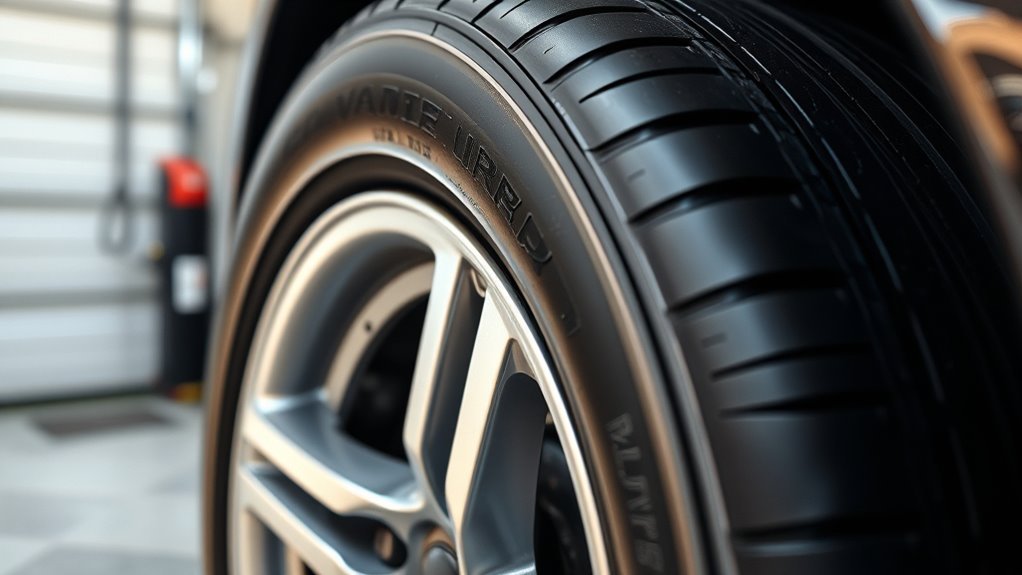
The tire has a bead made of steel or aramid fibers. This bead fits tightly against the rim’s bead seat. The tight fit creates an airtight seal.
An inner liner made of butyl rubber also helps keep air inside.
Air pressure pushes the tire bead firmly against the rim. This pressure maintains the seal during driving.
The rim’s shape and coating also prevent leaks. Tubeless tires offer better safety, manage heat well, and are easier to maintain than older tube-type tires.
Do Modern Car Tires Still Have Inner Tubes?
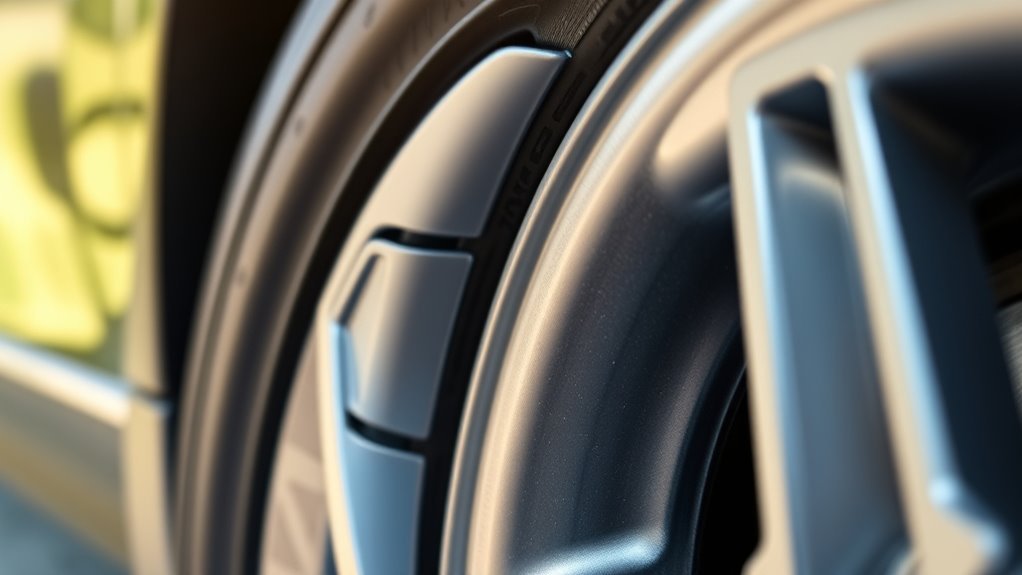
Modern car tires usually do not have inner tubes. Most cars use tubeless tires, which seal air between the tire and the wheel rim without needing a separate tube.
Tubeless tires maintain air pressure by creating an airtight seal on the rim. This design reduces air loss caused by tube punctures. It also improves safety and heat dissipation. Repairs are easier with tubeless tires since patches or plugs can seal punctures without removing the tire.
Inner tubes were common in early automotive tires. Today, they are mostly used in motorcycles, bicycles, and some off-road vehicles. Car manufacturers and tire makers have shifted to tubeless designs due to advances in materials and production methods. These changes improve tire durability and performance while eliminating the need for inner tubes.
How To Identify If Your Car Has Tubeless Tires
Identifying tubeless tires involves examining specific features on the tire. Key indicators include markings on the tire sidewall, the type of valve stem used, and the design of the tire bead. These elements collectively help determine whether a tire is tubeless or requires an inner tube.
Check Tire Sidewall Markings
Tire sidewall markings provide essential information about the tire type and specifications. These markings indicate whether a tire is tubeless or requires an inner tube. They also display the tire size, load capacity, speed rating, manufacturer details, and production date.
Key sidewall markings to check include:
- The word “Tubeless” confirms the tire is designed to hold air without an inner tube.
- Absence of terms like “Tube Type” or similar phrases suggests the tire is not intended for use with an inner tube.
- Tire size codes (e.g., 205/55R16) specify width, aspect ratio, and rim diameter.
- Load index and speed rating codes define the maximum load and speed limits.
- Manufacturer’s model name helps identify the tire type and characteristics.
- The production date code (DOT number) shows when the tire was made.
Reviewing these markings helps determine if a tire requires an inner tube or functions independently. This ensures proper tire selection and safe vehicle operation.
Inspect Valve Stem Type
A tubeless tire can be identified by its valve stem, which is mounted directly and sealed to the wheel rim. This valve stem is usually metal or reinforced rubber and has a removable core for inflation. This design differs from tube-type tires, where the valve stem is part of the inner tube and less integrated with the rim.
Valve stem inspection helps determine tire type without removing the tire or using tools. Key indicators include:
- Tubeless Valve Stem
- Mounted firmly to the rim
- Metal or reinforced rubber construction
- Removable valve core for air inflation
- Sealed connection preventing air leaks
- Tube-Type Valve Stem
- Part of the inner tube
- Often rubber, less sturdy
- Protrudes through the rim hole without a sealed mount
- May appear loose or flexible
Observe Tire Bead Design
The tire bead is the tire’s edge that secures it to the wheel rim. In tubeless tires, the bead creates an airtight seal, eliminating the need for an inner tube. Tube-type tires have beads designed primarily to hold the tire on the rim, while the tube maintains air pressure.
Tubeless tire beads have these key features:
- Reinforced edges that lock firmly onto the rim.
- Smooth and continuous bead surfaces to ensure airtight sealing.
- Embedded wire or steel cable for strength and durability.
- Sidewall markings indicating “Tubeless” near the bead area.
Tube-type tire beads differ by focusing less on airtight sealing. The inner tube inside these tires holds the air, so the bead mainly secures the tire to the rim without needing a tight seal.
How Tubeless Tires Seal Air Without Inner Tubes
Tubeless tires seal air by forming an airtight connection between the tire bead and the rim. They do not use inner tubes; instead, the tire casing and rim surface work together to contain air pressure.
Tubeless tires create an airtight seal between bead and rim, eliminating the need for inner tubes.
The tire’s inner liner consists of a rubber compound that blocks air from escaping through the tread or sidewalls. This liner acts as an airtight barrier inside the tire.
The tire bead contains steel or aramid fibers. These fibers strengthen the bead and ensure it fits tightly against the rim. A secure bead-rim fit reduces gaps where air could leak.
Air pressure inside the tire pushes the bead firmly against the rim. This pressure enhances the seal and helps maintain consistent air retention without an inner tube.
Summary:
- Airtight inner liner prevents air loss
- Reinforced tire bead ensures tight rim fit
- Air pressure presses bead against rim for sealing
- No inner tube needed, reducing puncture risk and improving durability
How Tire Beads And Rims Keep Air In
A tight fit between the tire bead and rim keeps air sealed in tubeless tires. The tire bead, made of steel wires and rubber, locks into the rim’s bead seat. The rim’s shape matches the bead to form an airtight seal. Additional sealant or liners help stop leaks.
The tire bead is a reinforced edge with steel wires for stiffness. It fits securely against the rim’s bead seat, a groove designed to hold the bead firmly. The rubber coating on the bead creates an airtight barrier where it contacts the rim.
The rim features a precisely shaped bead seat. This profile ensures the bead locks in place under pressure, preventing air escape. Proper installation and inflation pressure push the bead against the rim for a reliable seal.
Additional leak protection comes from tire sealants or airtight liners placed inside the tire. These materials fill small gaps and punctures, enhancing the airtight system.
Key factors for tubeless tire airtightness:
- Steel wire reinforcement in the bead for strength
- Rim bead seat shape engineered for a secure fit
- Rubber coating on the bead for airtight contact
- Correct bead installation and inflation pressure
- Use of internal sealants or liners to block leaks
What Makes Tubeless Tires Safer Than Tube-Type Tires
Tubeless tires offer increased safety through several key factors. They reduce the risk of punctures by eliminating the inner tube, which can fail under stress. Additionally, improved heat dissipation and enhanced air retention contribute to their overall reliability compared to tube-type tires.
Reduced Puncture Risk
Tubeless tires reduce puncture risk by eliminating the inner tube, which is a common source of flats in traditional tires. Without a tube, pinch flats caused by impacts or improper inflation do not occur. Sealant inside the tire also quickly seals small punctures, maintaining air pressure and preventing sudden leaks.
Traditional tube-type tires rely on an inner tube that can get pinched or punctured. Tubeless tires use a stronger casing and an airtight rim to hold air directly, reducing the chance of penetration. The liquid sealant flows into small holes and hardens, stopping leaks before air escapes.
Key factors that reduce puncture risk in tubeless tires:
- No inner tube eliminates pinch flats from impacts or poor inflation.
- Sealant plugs minor punctures automatically and quickly.
- Tire casings are typically thicker or reinforced to resist sharp objects.
- Air pressure stays more stable, improving tire durability and safety.
Improved Heat Dissipation
Improved heat dissipation in tubeless tires enhances safety by reducing internal temperature buildup compared to tube-type tires. Tubeless tires transfer heat more efficiently due to their design and material characteristics, lowering the risk of overheating and tire failure during operation.
Tubeless tires lack an inner tube, allowing direct contact between the tire carcass and the wheel rim. This contact improves heat transfer from the tire to the rim, which acts as a heat sink and dissipates heat faster than in tube-type tires.
The design of tubeless tires includes thicker sidewalls and reinforced beads. These features help distribute heat generated during driving more evenly throughout the tire structure, preventing localized hot spots that can weaken the tire.
Sealed air chambers in tubeless tires eliminate friction between an inner tube and tire casing. Tube-type tires often experience heat buildup from tube movement inside the tire, increasing internal temperature and stress. Tubeless tires avoid this frictional heat source.
Summary of heat dissipation factors in tubeless vs. tube-type tires:
| Factor | Tubeless Tires | Tube-Type Tires |
|---|---|---|
| Inner tube presence | No inner tube; direct rim contact | Inner tube inside tire |
| Heat transfer efficiency | Higher due to rim contact | Lower due to tube insulation |
| Sidewall and bead structure | Thicker, reinforced for heat spread | Thinner, less reinforced |
| Frictional heat from tube | None | Present due to tube movement |
Enhanced Air Retention
Tubeless tires enhance air retention by creating a direct airtight seal between the tire bead and the rim. This design lowers the chance of sudden air loss from tube punctures or valve failures, improving overall safety. The absence of an inner tube also reduces heat buildup and gradual air leakage.
Tubeless tires seal air directly at the rim, preventing leaks common in tube-type tires. The airtight connection minimizes the risk of rapid deflation caused by punctures or faulty valves. Without an inner tube, friction between tire and tube disappears, which reduces heat generation and slow air loss over time.
Key features that improve air retention in tubeless tires:
- Airtight seal directly between tire bead and rim
- Lower risk of sudden blowouts due to tube punctures
- Reduced internal friction and heat buildup without inner tubes
- More reliable valve systems designed for tubeless setups
Why Tubeless Tires Are Easier To Maintain
Tubeless tires reduce maintenance by removing the inner tube, which lowers the chance of sudden flats and makes inspections simpler. They hold air longer and eliminate the need to check or replace tubes regularly. This design decreases the overall time and cost spent on tire upkeep.
Tubeless tires avoid common problems linked to inner tubes, such as pinch flats caused by impacts or incorrect inflation. Without an inner tube, there are fewer parts to fail or wear out, which reduces the frequency of repairs. Maintaining air pressure is easier, resulting in fewer refills.
Key benefits of tubeless tires for maintenance:
- No inner tube to inspect or replace
- Lower risk of sudden punctures and flats
- Reduced chance of pinch flats from impacts
- Longer air retention between refills
- Fewer components that can wear or fail
These factors make tubeless tires more convenient for drivers, cutting down on routine tire maintenance tasks and related expenses.
Fixing a Tubeless Tire Puncture
A puncture in a tubeless tire can often be repaired without removing the tire from the wheel. Repair involves sealing the hole using a plug or injecting sealant inside the tire. This method saves time and avoids replacing the entire tire.
To repair a tubeless tire puncture:
- Locate the puncture by listening for air escaping or applying soapy water to detect bubbles.
- Use a tubeless tire plug insertion tool to push a plug into the hole.
- Inflate the tire to the recommended pressure.
- Check for leaks around the repair site.
- If the plug does not seal the puncture, inject tubeless sealant inside the tire to seal smaller holes.
Tubeless plugs work by physically blocking the hole, while sealants chemically seal smaller leaks. Combining both methods can improve repair success. This approach allows quick, effective tire repairs without full tire removal.
What Tubeless Tires Are Made Of
Tubeless tires use layered materials to ensure durability, airtightness, and flexibility without an inner tube. Each layer serves a specific purpose, from traction to air retention and puncture resistance.
The outer tread consists of rubber to provide grip and resist wear. Fabric layers made of nylon or polyester add structural strength and help the tire keep its shape. The inner liner uses butyl rubber, which forms an airtight seal and eliminates the need for a separate tube. Steel or synthetic belts reinforce the tire to prevent punctures and maintain stability.
| Layer | Material | Function |
|---|---|---|
| Tread | Rubber | Traction and durability |
| Reinforcement | Nylon or polyester fabric | Structural strength |
| Inner Liner | Butyl rubber | Airtight seal |
| Belts | Steel or synthetic cords | Puncture resistance |
Together, these materials create a tire that holds air pressure efficiently and withstands road wear and punctures without the use of an inner tube.
Advantages Of Tubeless Tires Over Tube-Type Tires
Tubeless tires eliminate the inner tube, reducing the risk of sudden air loss from tube punctures. They provide better safety, durability, and fuel efficiency than tube-type tires. Their design improves heat dissipation and simplifies maintenance by allowing minor punctures to seal without removing the tire.
Tubeless tires reduce the chance of rapid deflation since no inner tube can fail. This design lowers the risk of blowouts and improves driver safety.
Heat dissipation improves with tubeless tires because the absence of an inner tube allows air to circulate more freely inside the tire. Better heat management extends tire life and prevents overheating on long drives.
Maintenance is easier with tubeless tires. Small punctures often seal automatically or with sealant, avoiding the need to remove the tire for repairs. This speeds up puncture fixes and reduces downtime.
Fuel efficiency improves due to the lighter weight of tubeless tires and their lower rolling resistance. Vehicles using tubeless tires may experience better mileage compared to tube-type tires.
Key advantages of tubeless tires over tube-type tires:
- Lower risk of sudden air loss from tube failure
- Improved heat dissipation and longer tire lifespan
- Faster, simpler puncture repair without tire removal
- Better fuel economy due to lighter construction and rolling resistance
These factors make tubeless tires the preferred option for most modern vehicles.
Frequently Asked Questions
How Often Should Car Tires Be Rotated for Optimal Performance?
How often should car tires be rotated?
Car tires should be rotated every 5,000 to 7,500 miles for optimal performance.
Why is tire rotation important?
Regular rotation ensures even tread wear, improves traction, and extends tire lifespan.
What happens if tires are not rotated regularly?
Ignoring tire rotation leads to uneven wear, reducing handling, safety, and tire durability.
How does tire rotation affect driving efficiency?
Consistent rotation maintains tire integrity, resulting in better vehicle handling and fuel efficiency.
What Is the Average Lifespan of Modern Car Tires?
The average lifespan of modern car tires is 25,000 to 50,000 miles. High-quality, well-maintained tires last closer to 50,000 miles, while lower-quality or poorly maintained tires wear out faster. Regular tire rotation, alignment, and proper tire pressure help maximize tire life and performance.
Can Tubeless Tires Be Used in All Weather Conditions?
Can tubeless tires be used in all weather conditions?
Yes, tubeless tires perform well in all weather conditions due to their airtight seal between tire and rim. They handle rain, snow, and dry roads effectively. Proper maintenance and using the right tread patterns for specific climates are important for optimal safety and performance.
How Does Tire Pressure Affect Fuel Efficiency?
How does tire pressure affect fuel efficiency?
Tire pressure affects fuel efficiency by changing rolling resistance. Under-inflated tires increase resistance, making the engine use more fuel. Properly inflated tires reduce resistance and improve fuel economy. Over-inflation can harm traction and tire life.
Why is maintaining recommended tire pressure important?
Maintaining the manufacturer-recommended tire pressure ensures optimal road contact, enhancing fuel efficiency and vehicle safety.
How often should tire pressure be checked?
Tire pressure should be checked regularly to maintain consistent performance and save on fuel costs.
Are Run-Flat Tires Compatible With Tubeless Technology?
Are run-flat tires compatible with tubeless technology?
Yes, run-flat tires are compatible with tubeless technology. Both use an airtight seal between the tire and rim, and run-flat tires have reinforced sidewalls that support the vehicle temporarily after air loss, allowing continued driving without immediate repair.