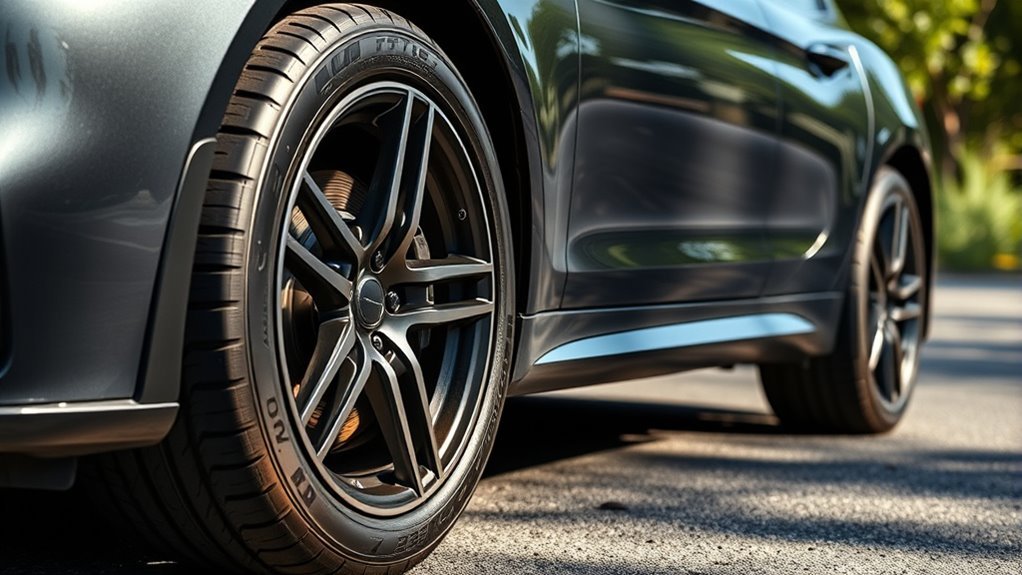
Can You Put Different-Size Tires on a Car? Fitment, Safety, and Speedometer Effects
You can use different-size tires on a car, but only if they follow the manufacturer’s guidelines. The overall tire diameter should stay within 3% of the original size. Also, the tires must match the required load and speed ratings.
Using tires that differ too much can cause problems. It may affect the ABS and traction control systems. Stability can drop, and tires may wear unevenly. The speedometer might also show incorrect readings.
Fitment is another concern. Tires that don’t fit well can rub against the car or put extra stress on suspension parts. To stay safe, check tire size compatibility and ensure proper wheel fitment.
Understanding these factors helps maintain handling, safety, and vehicle performance.
Can You Mix Different-Size Tires on a Car Safely?
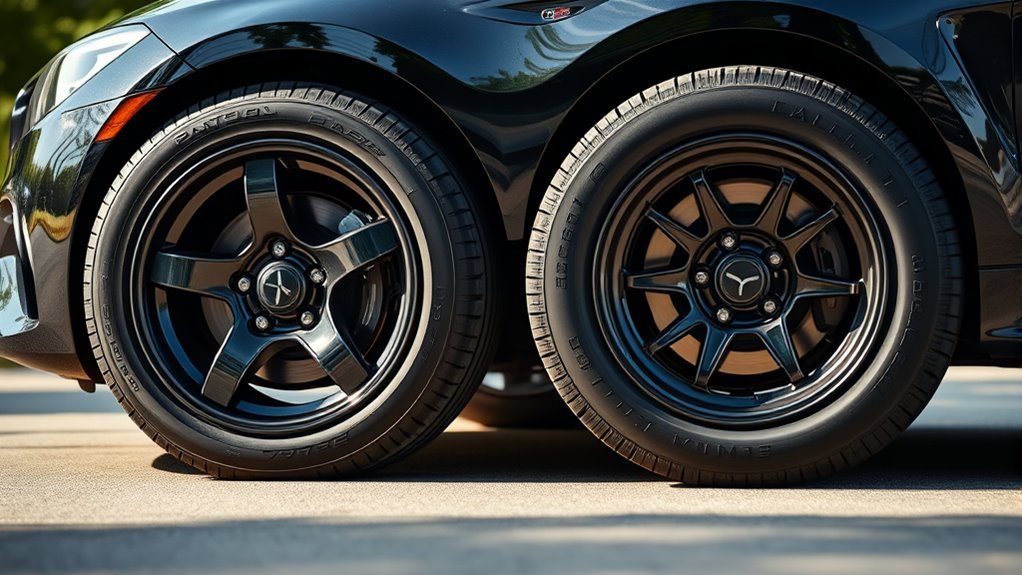
Mixing different-size tires on a car is generally unsafe and not recommended. Uniform tire sizes help maintain vehicle stability, handling, and safety systems. Using mismatched tires can cause mechanical problems and reduce driving performance.
Tire size differences affect how a vehicle drives. Tires with varying circumferences rotate at different speeds. This can disrupt anti-lock braking systems (ABS) and traction control, which rely on consistent wheel speeds. Uneven tire rotation also leads to faster wear and potential damage to suspension and drivetrain parts.
Speedometer and odometer accuracy depend on uniform tire sizes. Changing tire size without adjustment causes incorrect readings. Automakers specify tire sizes to ensure optimal vehicle function and safety. Ignoring these recommendations may increase accident risk and mechanical failures.
Summary of risks when mixing tire sizes:
- Reduced vehicle stability and handling
- Impaired ABS and traction control operation
- Uneven tire wear and suspension stress
- Incorrect speedometer and odometer readings
- Possible drivetrain damage
For safe driving, always follow the vehicle manufacturer’s tire size recommendations and avoid mixing different tire sizes on the same vehicle.
When Can You Safely Use Different-Size Tires?
Safe use of different-size tires depends largely on the vehicle manufacturer’s recommendations. Compatibility between tire sizes is critical to maintaining proper handling and safety. Understanding these guidelines helps determine when mixing tire sizes is appropriate.
Vehicle Manufacturer Recommendations
Vehicle manufacturer recommendations define which tire sizes are compatible with a specific vehicle to ensure safety and performance. These guidelines specify acceptable tire dimensions for each axle based on load capacity, suspension, and handling needs.
Manufacturers set tire size limits to maintain vehicle stability and proper function of safety systems such as ABS and traction control. Using non-recommended sizes can cause uneven tire wear, reduced braking efficiency, and incorrect speedometer readings.
Some performance vehicles or those with staggered tire setups allow different front and rear tire sizes. However, these variations must align with manufacturer-approved specifications to avoid mechanical issues.
Key points about manufacturer tire size recommendations:
- Specify acceptable tire widths, aspect ratios, and diameters per axle
- Ensure load capacity matches vehicle requirements
- Maintain suspension design and handling characteristics
- Preserve ABS, traction control, and other safety system operation
- Prevent uneven wear, braking problems, and speedometer errors
- Allow staggered sizes only when explicitly approved
Following manufacturer tire size guidelines helps maintain vehicle integrity, optimize driving dynamics, and protect warranty coverage. Always consult the vehicle’s owner manual or manufacturer resources before changing tire sizes.
Tire Size Compatibility
Tire size compatibility means choosing tires that fit your vehicle’s specifications and maintain safe performance. Tires with different sizes can be used if they follow manufacturer guidelines and keep the overall diameter within 3% of the original size. This prevents speedometer errors and mechanical stress.
Vehicle manufacturers provide specific tire size recommendations based on wheel width, suspension clearance, and load capacity. Staggered setups—where rear tires are wider than front tires—are common in performance vehicles and acceptable if matched correctly to wheels and suspension parts.
Key factors for tire compatibility include:
- Overall tire diameter within 3% of stock size
- Load rating equal to or greater than original equipment
- Speed rating meeting or exceeding manufacturer requirements
- Proper wheel width for tire size
- Adequate suspension clearance to avoid rubbing
Mismatched tire sizes can reduce handling, braking, and traction. Using professional fitment charts or consulting OEM recommendations reduces risks. Safe tire use depends on maintaining vehicle balance and avoiding mechanical or safety issues caused by incompatible tire sizes.
How Different-Size Tires Affect Wheel Fitment and Clearance
Different-size tires can influence wheel fitment by altering tire width and affecting clearance around suspension components. These changes may lead to interference or increased wear if not properly accounted for. Additionally, rim compatibility must be considered to guarantee safe and effective installation.
Tire Width and Clearance
Wider tires can improve traction and handling but require careful attention to fitment and clearance. Proper clearance prevents tire rubbing against vehicle parts, ensuring safety and performance. Consider wheel width, fender space, turning radius, and suspension clearance before selecting wider tires.
Wheel Width Compatibility
Tires must match the wheel width for proper fit and performance. Mismatched widths can cause tire deformation, uneven wear, and unsafe handling. Check manufacturer guidelines to select a tire size suitable for your wheel width.
Fender Clearance
Wider tires may extend beyond the fender edges. Lack of clearance can lead to tire contact with the fender during driving or suspension travel. Modifications like fender rolling or flaring may be needed to avoid damage.
Turning Radius Impact
Increasing tire width reduces space available when steering. Wider tires may rub on inner wheel wells or suspension parts during sharp turns. Confirm turning clearance to prevent interference and maintain safe handling.
Suspension Space
Suspension components often limit the maximum tire width. Tight space between tires and suspension parts can cause rubbing, affecting suspension function and tire wear. Measure clearance carefully before upgrading tire width.
Summary Table: Key Factors When Choosing Wider Tires
| Factor | Importance | Considerations |
|---|---|---|
| Wheel Width | Ensures proper tire seating | Match tire and wheel widths |
| Fender Clearance | Prevents tire-fender contact | Check if tires extend beyond fenders; modify if needed |
| Turning Radius | Avoids rubbing on steering | Confirm tire clearance when wheels are turned |
| Suspension Space | Prevents interference with suspension | Measure space around suspension components |
Selecting wider tires requires balancing improved traction with safe fitment. Evaluate each factor for optimal performance and vehicle safety.
Impact on Suspension Components
Suspension components affect wheel fitment by limiting the space available for tire clearance. Larger or wider tires can contact parts like control arms, struts, sway bars, and ball joints, which may cause damage or wear. Checking tire size against suspension geometry ensures safe operation and prevents rubbing.
Tires that are too wide or tall may rub against suspension parts during steering or suspension movement. Control arms have limited side clearance, so wide tires can cause contact during travel. Struts require vertical clearance to avoid stress and damage when the suspension compresses. Sway bars need lateral clearance to prevent interference during turns. Ball joints located near the tire edge can experience accelerated wear if the tire is too close.
| Suspension Component | Potential Impact | Clearance Concern |
|---|---|---|
| Control Arms | Tire rubbing during travel | Side clearance |
| Struts | Stress from contact | Vertical clearance |
| Sway Bars | Interference during turns | Lateral clearance |
| Ball Joints | Accelerated wear | Proximity to tire edge |
Proper evaluation of tire dimensions in relation to suspension layout avoids mechanical interference. This reduces premature wear and maintains vehicle safety.
Rim Compatibility Issues
Rim compatibility ensures that tires fit securely on wheels without safety or performance issues. Matching rim size and specifications to tire dimensions prevents mounting problems, air leaks, and structural stress on the wheel assembly.
When tires differ in width or diameter, the rim must suit these changes. Rims designed for specific tire sizes maintain proper seating and clearance, which supports safe driving and vehicle handling.
Key rim compatibility factors include:
1. Rim Width
Rim width should align with the tire’s width to ensure a secure fit and proper tire shape. A mismatched rim can distort the tire profile or cause poor bead seating.
2. Rim Diameter
The rim diameter must match the tire’s inner diameter exactly. Differences in diameter prevent correct mounting, risking air leakage or tire slippage.
3. Offset and Backspacing
Offset and backspacing determine the rim’s position relative to suspension and body parts. Incorrect values can cause rubbing against brakes, fenders, or suspension components.
4. Load Rating
Rims must support the tire’s load capacity and driving conditions. Using rims with insufficient load ratings can lead to wheel failure under stress.
Proper rim compatibility maintains safety, prevents mechanical issues, and preserves vehicle handling. Always verify rim specifications against tire dimensions before installation.
How Different-Size Tires Affect Your Speedometer
Tire size affects speedometer accuracy because the speedometer calculates speed based on tire circumference and rotation. Different tire sizes change the distance traveled per wheel revolution, causing speed and distance readings to be incorrect.
Larger tires cover more ground per rotation. This causes the speedometer to show a lower speed than the vehicle’s actual speed. Smaller tires cover less ground per rotation, making the speedometer display a higher speed than the true speed.
Speedometer errors also affect the odometer. The odometer records total distance traveled, so incorrect tire size causes inaccurate mileage readings. This can disrupt maintenance intervals and reduce resale value due to unreliable mileage data.
To ensure correct speed and distance readings, recalibrating the speedometer is necessary when changing tire size significantly from the manufacturer’s original specifications.
Effects of Different Tire Sizes on Speedometer and Odometer
| Tire Size Change | Effect on Speedometer | Effect on Odometer |
|---|---|---|
| Larger Tires | Underestimates speed | Under-reports distance traveled |
| Smaller Tires | Overestimates speed | Over-reports distance traveled |
Key Points:
- Speedometer uses tire circumference to calculate speed.
- Larger tires increase circumference; smaller tires decrease it.
- Speed and distance errors affect legal compliance and maintenance.
- Professional recalibration restores accuracy after tire changes.
How Different-Size Tires Affect Handling and Stability
Different-size tires affect a vehicle’s handling and stability by changing traction, cornering behavior, suspension response, and steering feedback. Using tires of varying sizes can create imbalances that reduce control and predictability on the road.
Altered Traction
Tire width and profile influence grip on the road surface. Wider or taller tires on one axle can increase traction unevenly, causing the vehicle to pull or slide unexpectedly. This imbalance affects braking and acceleration performance.
Imbalanced Cornering
Different tire sizes change how each axle grips during turns. Unequal traction between front and rear tires can cause oversteer or understeer, disrupting smooth cornering and making the vehicle harder to control.
Modified Suspension Dynamics
Tires with varying sidewall heights alter suspension movement and responsiveness. Taller sidewalls can absorb bumps differently, changing ride comfort and vehicle stability, especially during quick maneuvers.
Steering Response Variations
Mismatched tires affect steering feedback by changing the contact patch and tire stiffness. This variation can reduce steering precision, increase driver effort, and make the steering feel inconsistent or vague.
| Effect | Cause | Result on Handling and Stability |
|---|---|---|
| Altered Traction | Different tire width/profile | Uneven grip, pulling, unpredictable braking |
| Imbalanced Cornering | Unequal traction front/rear | Oversteer or understeer, reduced cornering control |
| Modified Suspension | Varying sidewall height | Changed ride comfort, less predictable suspension |
| Steering Response | Mismatched contact patches | Reduced precision, increased steering effort |
Maintaining uniform tire size supports balanced traction, predictable cornering, consistent suspension behavior, and precise steering. This uniformity enhances overall vehicle stability and handling performance.
Risks of Using Larger or Smaller Tires on Your Car
Using tires larger or smaller than the manufacturer’s recommendation can harm your vehicle’s performance and safety. Improper tire size affects suspension, fuel efficiency, ground clearance, braking, and can cause physical damage to components.
Larger tires increase stress on suspension parts, causing faster wear or possible failure. They add weight and rolling resistance, which reduces fuel economy. Smaller tires lower ground clearance, raising the risk of damage from road debris or obstacles.
Brake performance changes with tire size because the effective diameter alters wheel rotation speed. Both larger and smaller tires can increase stopping distances. Tires that do not fit properly may rub against wheel wells or suspension parts, causing damage and unsafe driving conditions.
Risks of Using Larger or Smaller Tires:
- Suspension Stress: Larger tires increase load on suspension components, leading to premature wear.
- Fuel Efficiency: Larger tires add weight and rolling resistance, reducing gas mileage.
- Ground Clearance: Smaller tires decrease clearance, increasing chances of tire damage.
- Braking: Altered tire diameter affects brake system performance and stopping distance.
- Physical Interference: Improper sizing can cause tires to rub against vehicle parts, causing damage.
Following manufacturer tire size recommendations helps maintain vehicle stability, safety, and mechanical integrity.
How Different Tire Sizes Impact Your Car’s Safety Features
Tire size changes affect a vehicle’s safety systems by altering the data these systems rely on. Safety features are calibrated for specific tire dimensions, so changing tire size can cause incorrect sensor readings and impact system performance.
1. Anti-lock Braking System (ABS)
ABS depends on accurate wheel speed sensor data. Different tire circumferences change wheel rotation speed, which can cause the ABS to misread or delay activation. This affects the system’s ability to prevent wheel lock during hard braking.
2. Traction Control
Traction control uses wheel speed data to prevent wheel spin during acceleration. Unequal tire sizes or different circumferences disrupt sensor inputs, reducing traction control’s ability to maintain grip, especially on slippery surfaces.
3. Electronic Stability Control (ESC)
ESC monitors wheel speed and vehicle movement to detect skidding. Varying tire diameters can mislead ESC sensors, impairing the system’s ability to correct oversteer or understeer. This reduces vehicle stability during sudden maneuvers.
4. Speedometer and Odometer
Speedometers and odometers calculate speed and distance based on tire rotations. Changing tire size alters rotation frequency, leading to inaccurate speed and distance readings. This can affect safe driving practices and compliance with traffic laws.
Tips for Choosing Compatible Tire Sizes for Your Vehicle
Choosing the right tire size ensures safe driving and optimal vehicle performance. Always use the manufacturer’s recommended tire size, found in the owner’s manual or on the door jamb, to maintain correct handling and tire wear.
The vehicle’s load index and speed rating must match or exceed the original specifications. This ensures the tires can support the weight and speeds intended by the manufacturer.
When changing tire sizes, keep the overall diameter close to the original size. A large difference can affect the speedometer accuracy and transmission behavior.
Consulting a tire professional or using online fitment tools helps confirm compatibility for your specific vehicle model.
Key Points for Selecting Compatible Tires:
- Check the manufacturer’s recommended tire size.
- Match or exceed the load index and speed rating.
- Keep overall tire diameter within 3% of the original.
- Use professional advice or online tools for fitment confirmation.
Following these guidelines protects vehicle stability and extends tire life.
How to Check If Your Tires Are Properly Matched
Properly matched tires ensure safe driving, even wear, and optimal vehicle performance. Matching tires means checking size, load capacity, speed rating, and tread pattern to maintain balance and avoid mechanical issues.
To check tire diameter, compare the overall sizes of all tires. Tires with different diameters cause drivetrain stress and affect handling. Measure tire diameter by reading the sidewall or calculating from tire width, aspect ratio, and wheel diameter.
Load ratings show how much weight each tire can safely carry. Confirm all tires meet or exceed the vehicle’s required load rating. Using tires with lower ratings risks tire failure and unsafe driving.
Speed ratings indicate the maximum safe speed a tire can handle. Tires should have speed ratings equal to or higher than the vehicle’s top speed. Mismatched ratings may reduce control at high speeds.
Tread patterns affect traction and handling. Tires with similar tread designs on all wheels maintain balanced grip and steering response. Mixing tread types can cause uneven wear and unstable handling.
Summary table:
| Factor | What to Check | Why It Matters |
|---|---|---|
| Tire Diameter | Overall size must closely match | Prevents drivetrain damage and errors |
| Load Rating | Meets or exceeds vehicle’s weight | Ensures tire strength and safety |
| Speed Rating | Equal or higher than vehicle speed | Maintains control at top speeds |
| Tread Pattern | Similar design on all tires | Balances handling and tire wear |
Consult vehicle and tire manufacturer guidelines for exact specifications. Professional advice helps confirm compatibility and safe tire matching.
Frequently Asked Questions
How Do Different Tire Sizes Affect Fuel Efficiency?
How do different tire sizes affect fuel efficiency?
Larger or wider tires increase rolling resistance and weight, making the engine work harder and use more fuel. Smaller tires may reduce resistance but can change gear ratios, which might impact efficiency. Mismatched tire sizes can disrupt vehicle dynamics and reduce overall fuel economy.
Can Mismatched Tires Cause Uneven Tire Wear?
Can mismatched tires cause uneven tire wear?
Yes, mismatched tires can cause uneven wear. Differences in size, tread, or compound lead to uneven weight distribution and traction, especially on the same axle. This results in faster wear on some tires and can affect suspension and alignment, reducing tire lifespan.
Will Different Tire Sizes Impact My Car’s Warranty?
Using different tire sizes can affect your car’s warranty if they cause damage to the drivetrain, suspension, or safety systems. Manufacturers may deny warranty claims linked to non-recommended tire sizes. Always check your vehicle’s warranty terms and manufacturer guidelines before changing tire sizes to avoid voiding coverage.
How Do Tire Size Changes Affect Off-Road Performance?
How do larger tires affect off-road performance?
Larger tires increase ground clearance, improve traction, and help navigate obstacles but may reduce acceleration, fuel efficiency, and strain suspension components.
What are the benefits of smaller tires off-road?
Smaller tires enhance maneuverability and responsiveness but can limit overall off-road capability.
How should I choose the right tire size for off-roading?
Select tire size based on specific terrain and vehicle limits to ensure safety, performance, and mechanical reliability.
Are There Legal Restrictions on Using Different Tire Sizes?
Legal restrictions on using different tire sizes vary by location. Generally, they are allowed if the tires meet safety standards and vehicle specifications. Laws focus on safety and vehicle control, not banning size changes outright. Always check local regulations and manufacturer guidelines to avoid penalties and insurance issues.