Do Hybrid Cars Require More Maintenance? Service Needs, Battery Care, and Costs
Hybrid cars require maintenance similar to gasoline vehicles but with some key differences. They have unique battery systems and electrical components that need special attention. Routine tasks like tire rotations and fluid checks remain important for hybrids.
Oil changes in hybrid cars often happen less frequently than in traditional vehicles.
Battery care is crucial and involves monitoring temperature, avoiding deep discharges, and regular inspections. Proper battery maintenance helps extend the life of the hybrid system.
Some repairs on hybrids can be costly, especially for the battery. However, regular maintenance reduces the risk of expensive issues over time.
Understanding these service needs is essential for anyone considering hybrid car ownership.
Hybrid vs. Gasoline Car Maintenance: Key Differences
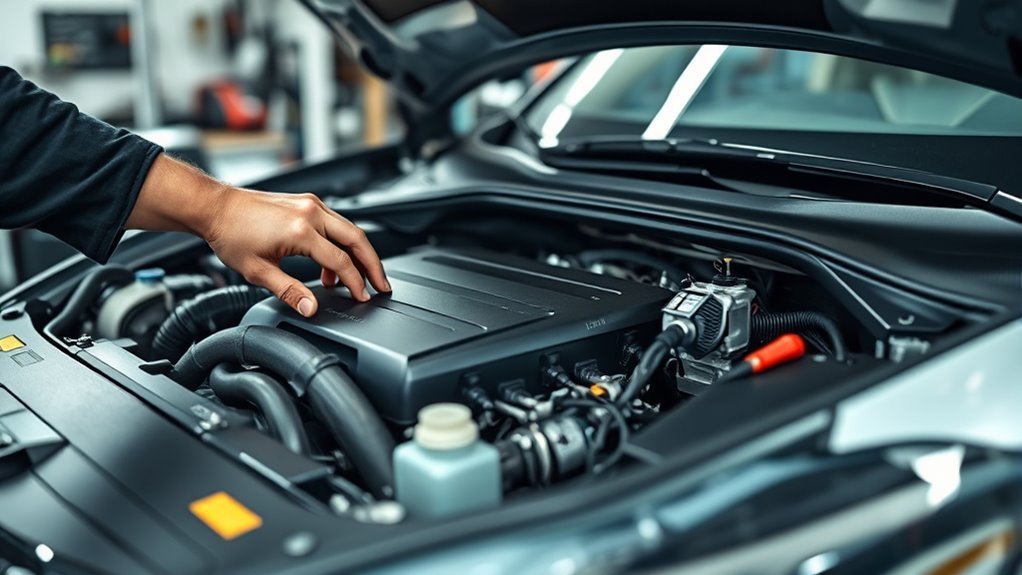
Hybrid and gasoline cars require different maintenance due to their engine and fuel system designs. Gasoline vehicles need frequent oil changes and spark plug replacements. Hybrids have electric motors that reduce engine wear and extend oil change intervals. Brake pads last longer on hybrids because of regenerative braking.
Gasoline engines depend entirely on internal combustion. This requires regular oil changes to keep the engine lubricated and spark plug replacements for ignition. Exhaust systems also need periodic inspections to control emissions and maintain performance.
Hybrid vehicles use a combination of gasoline engines and electric motors. This reduces workload on the gas engine and often allows longer periods between oil changes. The electric motor assists during acceleration and captures energy during braking to recharge the battery.
Regenerative braking in hybrids reduces brake pad wear. This system converts kinetic energy into electrical energy, lowering the frequency of brake servicing compared to gasoline cars that use friction brakes alone.
Hybrid transmissions and cooling systems are designed to handle both gasoline and electric power sources. These systems have specialized maintenance schedules that differ from traditional gasoline vehicles.
Both vehicle types require shared maintenance tasks such as tire rotation and fluid checks. Understanding these differences helps owners plan for maintenance and manage costs.
| Maintenance Aspect | Gasoline Cars | Hybrid Cars |
|---|---|---|
| Oil Changes | Frequent (every 3,000-7,500 miles) | Less frequent (often 7,500-10,000+ miles) |
| Spark Plugs | Regular replacement needed | Similar or less frequent |
| Brake Pads | Replace based on wear | Longer lifespan due to regenerative braking |
| Transmission & Cooling | Standard systems | Specialized for dual power sources |
| Common Maintenance | Tire rotation, fluid checks | Tire rotation, fluid checks |
Unique Maintenance Tasks for Hybrid Cars
Hybrid car maintenance requires attention to parts unique to their electric and gasoline powertrains. These vehicles have components that need specific care beyond standard cars. Key maintenance tasks focus on electrical systems, braking mechanisms, and software management.
1. Inverter coolant system checks
Hybrid vehicles use a power inverter to convert DC battery power to AC for electric motors. The inverter generates heat and relies on a coolant system to prevent overheating. Regular inspection and coolant replacement keep this system functioning safely.
2. Regenerative braking system inspection
Regenerative braking recovers energy during deceleration, reducing wear on brake pads. Maintenance involves checking the brake system for proper integration with regenerative components, ensuring brake fluid levels, and monitoring wear patterns that differ from traditional brakes.
3. High-voltage wiring assessment
High-voltage cables connect the battery, inverter, and electric motor. Technicians must inspect these cables and connectors for signs of damage, corrosion, or loose connections to maintain safety and electrical efficiency.
4. Software updates and diagnostics
Hybrid cars rely on complex software for battery management, energy flow, and engine control. Routine software updates and system diagnostics help optimize performance, fix bugs, and improve fuel economy.
These maintenance tasks keep hybrid cars reliable, safe, and efficient over time. Proper care of electrical and braking systems extends the vehicle’s lifespan and supports its fuel-saving benefits.
How to Care for Hybrid Car Batteries
Hybrid car batteries store energy to power the vehicle’s electric motor. Proper care helps maintain battery performance and extends its lifespan. Regular inspection, temperature control, and following manufacturer instructions are key to battery health.
Hybrid batteries require little daily attention but benefit from routine checks during scheduled maintenance. Mechanics inspect battery condition and related systems to ensure proper function.
Heat damages hybrid battery cells. Parking in shaded or covered areas reduces battery temperature and slows degradation. Avoid exposure to direct sunlight for long periods.
Deep discharges strain hybrid batteries. Avoid running the battery to very low charge levels frequently. Extended inactivity can also harm the battery by causing capacity loss.
Manufacturers provide guidelines for software updates and battery system checks. Following these instructions keeps battery management systems optimized and ensures efficient operation.
Watch for warning lights or messages related to the hybrid battery. Early detection of issues can prevent costly damage and maintain vehicle performance.
Summary of hybrid battery care:
- Perform regular inspections during scheduled maintenance
- Keep the battery cool by parking in shade or covered areas
- Avoid frequent deep discharges
- Prevent long periods of inactivity
- Follow manufacturer software and system check recommendations
- Respond promptly to battery warning indicators
Consistent professional monitoring combined with mindful driving supports long-term hybrid battery efficiency.
Understanding Hybrid Car Maintenance Costs
Understanding hybrid car maintenance costs helps owners plan expenses accurately. Hybrid vehicles combine gasoline engines with electric systems, which changes their maintenance needs compared to conventional cars. Hybrid maintenance often involves unique parts and specialized service.
Key factors affecting hybrid maintenance costs include:
1. Battery Replacement and Repair
Hybrid batteries last 8 to 15 years but can cost between $1,000 and $6,000 to replace depending on the model. Repairing battery components may be less costly but requires expert technicians.
2. Brake System Maintenance
Regenerative braking reduces brake pad wear by using the electric motor to slow the car. This extends brake life but requires mechanics familiar with regenerative systems for proper servicing.
3. Engine and Transmission Care
Hybrid engines still need regular oil changes and inspections. Some models have more complex transmissions, which may increase service costs compared to conventional vehicles.
4. Software Updates and Diagnostics
Hybrid cars rely on software to manage electric and gasoline systems. Routine software updates and diagnostic checks require specialized tools and trained technicians.
| Maintenance Area | Hybrid Vehicle Considerations | Cost Impact |
|---|---|---|
| Battery Replacement | Long lifespan, high replacement cost | High |
| Brake System | Regenerative braking reduces wear | Moderate |
| Engine & Transmission | Regular oil changes, complex systems possible | Moderate |
| Software Updates & Diagnostics | Specialized tools and software work | Low to Moderate |
Understanding these maintenance components provides clear insight into the unique costs associated with hybrid vehicle ownership.
Tips to Lower Hybrid Car Maintenance Expenses
Hybrid car owners can reduce maintenance costs by following specific care practices tailored to hybrid systems. Regular service, proper tire care, quality oils, battery management, trusted repair shops, and careful driving all contribute to lower expenses and reliable performance.
Schedule maintenance according to the manufacturer’s recommended intervals. Regular check-ups catch problems early, preventing expensive repairs. Hybrid systems have unique components that need inspection on time, such as the battery, electric motor, and cooling systems.
Maintain tire pressure at the levels specified in the owner’s manual. Properly inflated tires improve fuel efficiency and reduce uneven wear. Check tire pressure monthly and before long trips to extend tire life and save on replacements.
Use synthetic oils designed for hybrid engines. These oils reduce engine wear and help maintain fuel economy. Avoid conventional oils that may not meet hybrid engine requirements. Follow oil change intervals specific to your hybrid model.
Protect the hybrid battery by avoiding deep discharges and exposure to extreme temperatures. Parking in shaded areas and minimizing full battery drains help extend battery life. Battery replacement is costly, so careful management reduces long-term expenses.
Select service centers experienced with hybrid vehicles. Trained technicians use proper diagnostic tools and understand hybrid-specific repairs. Avoid general repair shops unfamiliar with hybrid technology to ensure accurate service and avoid unnecessary costs.
Adopt smooth driving habits like gradual acceleration and gentle braking. These habits reduce strain on the engine and electric components, lowering wear and improving fuel efficiency. Aggressive driving increases maintenance needs and shortens component lifespan.
Summary of cost-saving tips for hybrid car maintenance:
- Follow manufacturer service schedules
- Maintain correct tire pressure
- Use hybrid-specific synthetic oils
- Manage battery charge and temperature
- Choose hybrid-experienced service centers
- Drive smoothly to reduce component strain
Applying these practices helps maintain hybrid vehicles efficiently and lowers maintenance expenses over time.
Frequently Asked Questions
Are Hybrid Cars More Expensive to Insure Than Gasoline Cars?
Are hybrid cars more expensive to insure than gasoline cars?
Hybrid cars may have slightly higher insurance premiums due to expensive battery repairs and specialized parts, but the difference is usually small. Insurance costs depend on factors like vehicle value, repair expenses, and safety features. Overall, hybrid insurance is often comparable to gasoline cars, and fuel savings can offset any minor increase in insurance costs.
Can Hybrid Cars Be Charged at Home Using a Standard Outlet?
Can hybrid cars be charged at home using a standard outlet?
Yes, plug-in hybrid cars can be charged at home using a standard 120-volt outlet, but charging takes longer than with higher-voltage options. Conventional non-plug-in hybrids do not need external charging, as their batteries recharge through regenerative braking and the engine.
Do Hybrid Cars Require Special Fuel or Oil Types?
Hybrid cars usually run on regular unleaded gasoline, though some may recommend premium fuel for optimal performance. They use conventional or synthetic motor oils like regular cars, but oil change intervals can vary. Always follow the manufacturer’s guidelines for proper maintenance.
How Does Cold Weather Affect Hybrid Car Performance?
How does cold weather affect hybrid car battery performance?
Cold weather reduces battery efficiency by slowing chemical reactions, which limits the electric driving range and increases fuel consumption.
Why does regenerative braking work less effectively in cold weather?
Lower temperatures decrease regenerative braking efficiency, reducing energy recovery during braking.
How does cold weather impact hybrid car acceleration?
Drivers may experience reduced acceleration due to limited battery power and increased reliance on the gasoline engine.
What effect does cold weather have on engine warm-up times in hybrids?
Engine warm-up times are longer in cold weather, leading to higher fuel use until optimal operating temperature is reached.
How does cabin heating affect hybrid car performance in cold weather?
Cabin heating consumes additional energy, placing extra strain on the battery and fuel system, which affects overall performance.
Are Hybrid Car Repairs Covered Under Standard Warranties?
Are hybrid car repairs covered under standard warranties?
Yes, hybrid car repairs are generally covered under standard manufacturer warranties, which often include extended coverage for the hybrid battery and related components. These warranties typically last 8-10 years or up to 100,000 miles. Coverage details vary by manufacturer and region, so owners should review their specific warranty terms for exact information and any limitations.