Do Electric Cars Wear Out Tires Faster? Causes, Expected Life, and Prevention
Electric vehicles (EVs) often wear out tires faster than gasoline cars. This happens because EVs deliver instant torque, which puts more stress on tires. Additionally, EVs are heavier due to large batteries, increasing tire pressure and wear.
On average, EV tires last between 30,000 and 50,000 miles. In contrast, tires on conventional cars typically last from 40,000 to 70,000 miles. This difference can affect how often EV owners need to replace their tires.
Driving habits and maintenance also play a big role. Aggressive driving speeds up tire wear. Poor tire care makes it worse.
Choosing the right tires and maintaining them regularly can help extend their life. Understanding tire wear helps EV owners optimize performance and safety.
Do EV Tires Wear Out Faster Than Gas Cars?
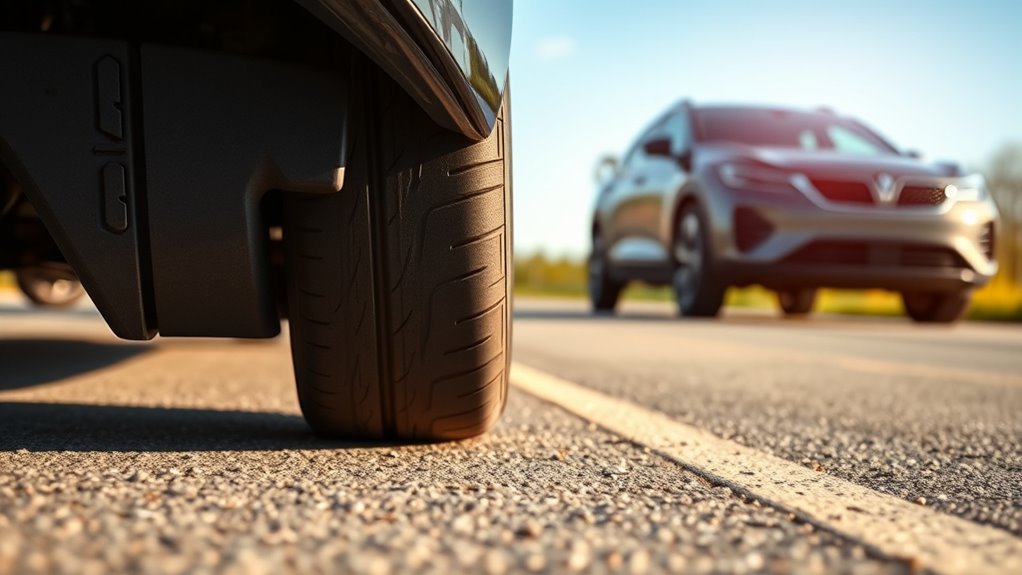
Electric vehicle (EV) tires tend to wear out faster than those on gas-powered cars due to higher torque and increased vehicle weight. This results in quicker tread wear and shorter tire lifespan, often requiring earlier replacement compared to conventional vehicles.
EV tires wear faster than gas-powered car tires due to higher torque and increased vehicle weight.
Higher torque from electric motors puts more stress on EV tires, accelerating tread wear. The extra weight of EV batteries also increases tire load, contributing to faster degradation. Studies show EV tire wear rates can be 20-50% higher than those of internal combustion engine (ICE) vehicles under similar driving conditions.
EVs often use tires designed to improve efficiency and reduce noise. These specialized tires may sacrifice some durability, which can add to faster wear. Tire manufacturers recommend choosing tires made for EV performance to reduce premature wear and maintain safety.
Summary of EV tire wear factors:
- Increased torque causes faster tread wear.
- Higher vehicle weight adds tire load.
- Specialized EV tires focus on efficiency and noise, not durability.
- EV tire wear rates can exceed ICE tires by 20-50%.
- Selecting EV-specific tires helps manage wear and safety.
Understanding these factors helps EV owners plan tire maintenance and choose appropriate tires for longer life and better performance.
Why Weight and Torque Cause More EV Tire Wear
Electric vehicles (EVs) experience faster tire wear due to heavier battery weight and instant high torque. The greater load and sudden force increase stress on tires, causing quicker tread degradation compared to conventional cars.
EV battery packs add significant weight to the vehicle. This extra mass increases pressure on each tire. Tires deform more under this load, causing rubber to flex and heat up. Heat and repeated flexing accelerate tread wear.
Electric motors deliver peak torque immediately at startup. This sudden torque applies strong force to tire contact patches during acceleration. Quick torque spikes increase friction and abrasion, wearing tires faster than gradual torque in gasoline engines.
Regenerative braking in EVs affects tire wear differently than traditional braking. It changes friction patterns on tires because the motor slows the vehicle instead of relying solely on brake pads. This can create uneven or distinct tread wear over time.
Summary of factors causing EV tire wear:
- Heavier battery weight increases tire load and deformation
- Instant torque applies sudden force during acceleration
- Increased heat from tire flexing accelerates tread wear
- Regenerative braking alters friction and wear patterns
Because of these factors, EV tires require specialized designs and maintenance plans to handle unique stress and wear characteristics.
Tire Lifespan: Electric vs. Gas Cars
Tires on electric vehicles (EVs) generally wear out faster than those on gasoline cars. EV tires typically last between 30,000 and 50,000 miles, while gasoline car tires often reach 40,000 to 70,000 miles. Several factors explain this difference in tire lifespan.
Electric vehicles weigh more than gasoline cars. The extra weight increases tire pressure on the road, causing faster tire wear. EVs also deliver instant torque, which puts more strain on tires during acceleration. This immediate power can accelerate tread degradation.
Electric vehicles’ extra weight and instant torque accelerate tire wear and tread degradation during driving.
Regenerative braking in EVs reduces brake pad wear but does not significantly extend tire life. Tire wear depends more on road contact than braking methods. EV tires use specialized rubber compounds designed for durability and efficiency. These compounds affect tire longevity differently than conventional tires.
Summary of factors affecting EV tire lifespan:
- Increased Weight: More pressure on tires leads to quicker wear.
- Instant Torque: Rapid power delivery accelerates tread wear.
- Regenerative Braking: Lowers brake wear but has minimal impact on tires.
- Tire Composition: Specialized compounds change wear patterns and durability.
How to Spot Early Tire Wear on Your EV
Early tire wear on electric vehicles (EVs) often becomes noticeable between 10,000 and 15,000 miles. Visual checks reveal wear signs such as uneven tread, sidewall cracks, or cupping. Detecting these issues early helps avoid unsafe driving conditions and costly tire replacements.
Visual inspection is essential to identify early tire wear. Uneven tread depth may result from wheel misalignment or imbalance. Sidewall cracks often indicate underinflation or physical damage. Cupping patterns suggest suspension problems, while rapid tread wear can stem from aggressive torque or braking.
Common early tire wear indicators, causes, and actions:
| Wear Indicator | Possible Cause | Recommended Action |
|---|---|---|
| Uneven tread depth | Wheel misalignment or imbalance | Check and correct alignment |
| Sidewall cracks | Underinflation or damage | Inspect tires and maintain proper pressure |
| Cupping or scalloping | Suspension system issues | Service suspension components |
| Rapid tread wear | Excessive torque or harsh braking | Adjust driving habits and monitor usage |
Regular tire checks improve safety, extend tire life, and maintain EV performance. Schedule inspections every few thousand miles or after noticeable changes in tire condition.
Driving Habits That Accelerate EV Tire Wear
Certain driving behaviors considerably increase tire wear on electric vehicles. Aggressive acceleration, frequent hard braking, and sharp cornering place extra stress on tires, accelerating tread degradation. Understanding these habits is essential for prolonging tire life and maintaining vehicle safety.
Aggressive Acceleration Impact
Aggressive acceleration increases tire wear on electric vehicles (EVs) because instant torque causes rapid tire spin and higher friction. This stress accelerates tread degradation and reduces tire lifespan compared to gradual acceleration.
Electric vehicles deliver maximum torque instantly. This sudden power causes tires to slip more, increasing friction between the tire and road. The friction wears down the rubber faster than steady acceleration does.
Rapid acceleration also raises tire temperature. Heat softens the rubber compounds, making them more prone to wear and tear. Hot tires lose grip and degrade quicker during aggressive starts.
Uneven tread wear occurs when power delivery is sudden. Tires experience localized stress that causes patches of excessive wear. This damage weakens tire integrity over time.
Consistent aggressive driving shortens tire life. Frequent rapid starts cause accumulated damage, requiring earlier tire replacement.
Summary of key factors in aggressive acceleration tire wear on EVs:
- Higher torque output leads to increased tire slip and friction.
- Heat generation softens rubber, speeding tread wear.
- Uneven tread wear results from localized tire stress.
- Reduced tire lifespan due to repeated rapid acceleration.
EV drivers can preserve tire life by adopting smoother acceleration habits and reducing sudden torque spikes.
Frequent Hard Braking
Frequent hard braking increases wear on electric vehicle (EV) tires by putting extra stress on the tread. The heavy weight of EVs, mainly due to large battery packs, causes tires to degrade faster during abrupt stops. This leads to uneven tread wear and shortens tire lifespan, affecting safety and performance.
Hard braking raises friction between the tire and road surface. Higher friction causes the tire tread to wear down quicker. Additionally, the heat generated during hard stops weakens the tire’s internal structure. Over time, these effects reduce the tire’s durability.
Electric vehicles have more mass than comparable gasoline cars. The extra weight intensifies the impact of sudden braking, accelerating tread damage. Uneven wear patterns develop because the tire surface experiences uneven pressure during hard stops. This uneven wear lowers overall tire life.
| Aspect | Impact on Tires |
|---|---|
| Increased friction | Faster tread wear |
| Heat generation | Tire structure weakens |
| Uneven wear pattern | Shorter tire lifespan |
Drivers can extend EV tire life by avoiding frequent hard braking. Maintaining safe following distances and anticipating stops reduces stress on tires. These habits improve tire performance and lower replacement expenses.
Sharp Cornering Effects
Sharp cornering increases lateral forces on electric vehicle tires, causing faster tread wear and structural stress. These forces lead to uneven tread wear, reduce tire life, and impair performance. Electric vehicles face greater wear due to instant torque and heavier weight during sharp turns.
Lateral forces rise sharply during cornering, increasing friction between the tire and road. This friction wears down the tread faster than in normal driving conditions.
Tire sidewalls endure higher stress in sharp turns. This pressure risks structural damage, which can affect tire safety and durability.
Uneven tread wear develops from the varying pressures across the tire surface. Uneven wear reduces traction, causing handling issues and lowering tire effectiveness.
Heat builds up inside tires during aggressive cornering. High temperatures weaken the rubber compounds, accelerating tire degradation.
Key factors causing tire wear from sharp cornering:
- Increased friction speeds tread wear.
- Higher sidewall stress risks damage.
- Uneven tread wear reduces traction.
- Heat buildup weakens rubber.
Drivers can reduce tire wear by adopting smoother, controlled cornering techniques to limit lateral forces and heat generation.
Choosing the Right Tires for Your Electric Vehicle
Selecting appropriate tires for electric vehicles involves considering specialized tire types designed to handle increased torque and weight. Proper load ratings guarantee safety and performance under the unique demands of EVs. Additionally, tread patterns and grip play an essential role in maintaining traction and minimizing wear.
Tire Types For EVs
Electric vehicles require specialized tires to handle their unique features, such as heavier battery packs and instant torque. These factors increase tire wear and affect performance. Specialized tires improve efficiency, safety, and tire lifespan by addressing these challenges.
Electric vehicle tires fall into four main categories:
- Low Rolling Resistance Tires: Designed to reduce energy loss during driving. These tires help extend the vehicle’s range by lowering the effort needed to keep the car moving.
- All-Season EV Tires: Provide balanced traction and durability across various weather conditions. They offer reliable grip on wet, dry, and light snowy roads.
- Performance EV Tires: Built to handle higher torque outputs while maintaining strong grip. These tires support faster acceleration and better cornering for sporty electric cars.
- Noise-Reducing Tires: Reduce road noise to compensate for the quiet operation of electric motors. These tires enhance cabin comfort by minimizing external sound.
Choosing the correct tire type affects electric vehicle performance, safety, and tire durability. Proper tires reduce operational costs and improve the overall driving experience.
Importance Of Load Rating
Tire load rating defines the maximum weight a tire can safely support. This rating is crucial for electric vehicles (EVs) because their heavy battery packs increase overall vehicle weight. Choosing tires with proper load ratings ensures safety, durability, and performance under added load.
Electric vehicle tires must withstand extra stress from heavier batteries. Tires with correct load ratings prevent excessive wear and reduce the risk of structural damage caused by overload. Overloading tires can lead to heat buildup, tire failure, and compromised driving safety.
Vehicle manufacturers specify load ratings based on weight distribution and intended use. Matching or exceeding these specifications helps maintain tire integrity, supports handling, and preserves tire pressure. Properly rated tires contribute to driving stability and efficient performance in electric vehicles.
Key Points:
- Load rating indicates maximum safe tire load.
- EVs require higher load ratings due to battery weight.
- Correct ratings prevent premature tire wear and failures.
- Overloaded tires risk heat buildup and structural damage.
- Manufacturer recommendations ensure safety and performance.
- Proper load ratings aid tire pressure maintenance and vehicle stability.
Tread Patterns And Grip
Tread patterns and grip are critical for electric vehicles (EVs) because of their unique torque and weight distribution. EV tires require designs that balance traction, safety, and durability to handle instant torque and heavier battery weight. Choosing the right tread pattern depends on driving conditions and performance goals.
Electric vehicles benefit from specific tread designs:
- Symmetrical Tread: Provides consistent grip and long tire life. It suits daily driving with even wear and simple maintenance.
- Asymmetrical Tread: Enhances cornering stability and wet traction. It supports better handling in varied road conditions.
- Directional Tread: Focuses on efficient water evacuation to reduce hydroplaning. This pattern improves safety on wet roads.
- Low Rolling Resistance Tread: Minimizes energy loss to extend EV range. It balances lower rolling resistance with adequate road grip.
Selecting tread patterns designed for EVs helps reduce uneven tire wear and maximizes energy efficiency during driving. Proper tread choice ensures safety and tire durability under the specific demands of electric powertrains.
Maintain Your EV Tires to Extend Lifespan
Electric vehicle (EV) tires face unique challenges due to instant torque and heavier weight distribution. Regular maintenance is essential to extend tire life and maintain safety. Proper care includes checking tire pressure, rotating tires, and ensuring wheel alignment.
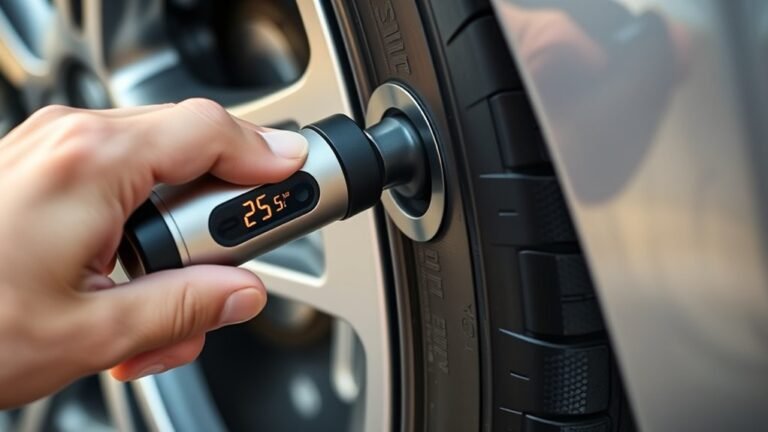
EV tires require correct tire pressure to avoid uneven wear and improve driving efficiency. Underinflated tires wear on edges, while overinflated tires wear in the center. Checking pressure monthly helps maintain optimal contact with the road and improves energy use.
Rotating EV tires balances wear across all four tires. Front and rear tires wear differently due to weight and drive patterns. Rotating every 6,000 to 8,000 miles distributes wear evenly, extending tire service life and maintaining traction.
Wheel alignment keeps tires parallel and prevents uneven wear. Misalignment causes handling problems and accelerates tire damage. Inspecting alignment annually or after impacts ensures stable driving and longer tire life.
| Maintenance Task | Purpose | Recommended Frequency |
|---|---|---|
| Tire Pressure Check | Prevent uneven wear and improve efficiency | Monthly |
| Tire Rotation | Balance wear across tires | Every 6,000-8,000 miles |
| Wheel Alignment | Correct handling and reduce abnormal wear | Annually or as needed |
Skipping these maintenance tasks leads to faster tire wear and earlier replacement. EV owners who follow this schedule can maximize tire durability and maintain vehicle safety.
When to Replace Tires on an Electric Car
Tires on an electric car need replacement based on tread depth, wear patterns, age, and damage. Regular checks ensure safety and maintain optimal performance. Replace tires when any key indicator signals reduced effectiveness or safety risks.
When to Replace Tires on an Electric Cars
1. Tread Depth
Tires require replacement when tread depth reaches 2/32 of an inch or less. Low tread reduces traction, increasing accident risk, especially on wet or slippery roads.
2. Uneven Wear
Uneven tire wear signals possible alignment or suspension problems. Tires with irregular wear should be replaced to maintain vehicle control and safety.
3. Age of Tires
Tires older than six years degrade internally regardless of tread condition. Age-related wear can lead to tire failure, so replace tires after six years even if they appear usable.
4. Visible Damage
Cuts, cracks, bulges, or unrepaired punctures compromise tire integrity. Tires with visible damage must be replaced immediately to prevent blowouts or accidents.
Summary Table: Tire Replacement Indicators for Electric Cars
| Indicator | Replacement Criteria | Reason |
|---|---|---|
| Tread Depth | 2/32 inch or less | Reduced traction and safety |
| Uneven Wear | Irregular wear patterns | Signals alignment/suspension issues |
| Age | Older than 6 years | Internal degradation |
| Visible Damage | Cuts, cracks, bulges, or punctures | Structural failure risk |
Replacing tires timely keeps electric vehicles safe and responsive on the road. Regular inspections help detect these signs early.
Frequently Asked Questions
Are Electric Car Tires More Expensive Than Regular Tires?
Are electric car tires more expensive than regular tires?
Yes, electric car tires are generally more expensive due to reinforced materials and specialized tread designs that handle higher torque and heavier battery weight. This results in a premium price for enhanced durability and performance compared to regular tires.
Can Tire Wear Affect an Ev’s Battery Efficiency?
Can tire wear affect an EV’s battery efficiency?
Yes, worn or underinflated tires increase rolling resistance, making the motor work harder and use more energy. This reduces driving range and battery efficiency. Proper tire maintenance is essential to optimize energy consumption and preserve battery life in electric vehicles.
Do EVS Require Special Tire Pressure Monitoring Systems?
Do EVs require special tire pressure monitoring systems (TPMS)?
Yes, electric vehicles often need specialized TPMS designed to handle their heavier weight and instant torque. Standard TPMS may not accurately detect pressure changes in EV tires, so manufacturers use advanced sensors tailored to EVs for optimal performance and safety.
How Does Regenerative Braking Impact Tire Wear?
How does regenerative braking impact tire wear?
Regenerative braking reduces tire wear by using the electric motor to slow the vehicle, decreasing reliance on friction brakes. This results in smoother deceleration, less heat, and reduced abrasion on tires. It helps prevent skidding and uneven wear, potentially extending tire life. However, overall tire longevity also depends on driving habits, road conditions, and maintenance.
Are Winter Tires Necessary for Electric Vehicles?
Are winter tires necessary for electric vehicles?
Yes, winter tires are essential for electric vehicles to ensure optimal performance and safety in cold, icy conditions.
Why do electric vehicles need winter tires?
Electric vehicles deliver instant torque, requiring superior traction that winter tires provide on slippery surfaces.
What happens if electric vehicles don’t use winter tires?
Without winter tires, stopping distances increase and handling worsens, reducing safety in winter conditions.
How do winter tires benefit electric vehicles?
Winter tires improve grip and control, enhancing safety and efficiency in harsh winter environments.