What Size Tires Fit My Car? Safe Fitment by VIN, Door Placard, and Wheel Size
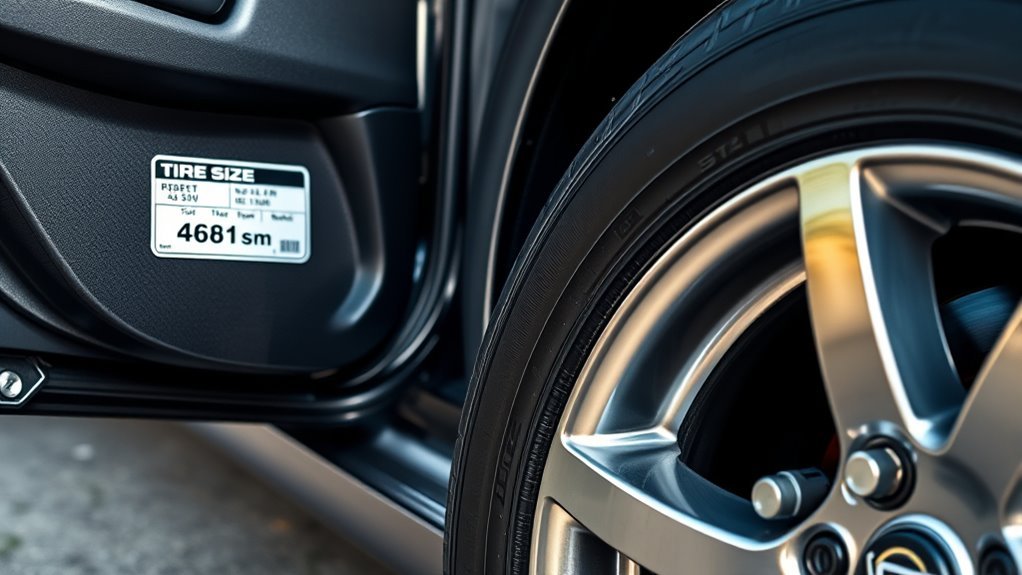
Choosing the right tire size for your car is crucial for safety and performance. The best way to find the correct size is by checking the manufacturer’s door placard. This placard is usually located on the driver’s side door jamb. It lists recommended tire dimensions, pressure, and load ratings.
Another reliable method is decoding your vehicle’s VIN. The VIN provides exact factory specifications. This is especially helpful if your car has multiple options or modifications. It ensures that the tires you select will fit properly.
Always match the tire size, load capacity, and wheel diameter to the manufacturer’s guidelines. This prevents issues like poor handling or uneven wear.
Understanding these details helps you choose tires that maximize safety and performance on the road.
Where to Find Your Door Placard for Tire Size
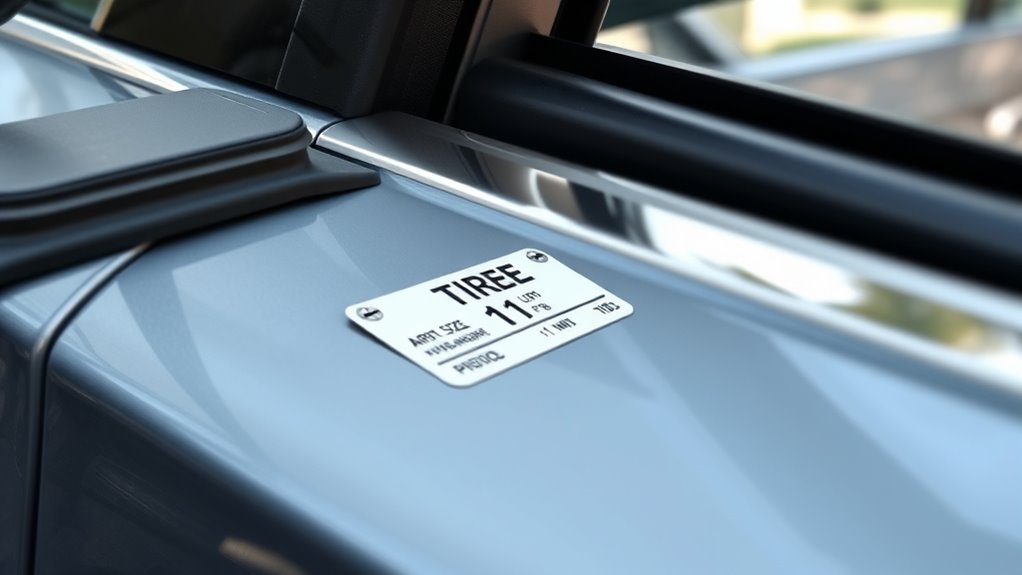
The tire size information for a vehicle is found on the door placard, a label placed by the manufacturer. This placard is usually on the driver’s side door jamb or the inside edge of the driver’s door. It lists the recommended tire size, tire pressure, and load capacity.
Vehicle owners can locate the door placard in several common areas:
- Driver’s side door jamb
- Inside edge of the driver’s door
- Door frame near the driver’s seat
- Occasionally near the glove compartment
The door placard provides tire size details specific to the vehicle’s model and trim. It shows manufacturer-approved specifications that help ensure safety and optimal performance. Checking this placard helps owners select the correct tires for their car.
How to Read Your Door Placard Tire Size Specs
The tire size on your vehicle’s door placard shows key information about the tires designed for your car. It appears as a code like P215/65R15, which specifies the tire type, width, aspect ratio, construction, and wheel diameter. Knowing this code ensures you choose tires that fit correctly and meet safety standards.
The tire size code breaks down as follows:
- P: Passenger vehicle tire
- 215: Tire width in millimeters (measured across the tread)
- 65: Aspect ratio; sidewall height as a percentage of tire width
- R: Radial tire construction
- 15: Wheel diameter in inches
The door placard also lists recommended tire pressure and load capacity. Following these guidelines helps maintain proper vehicle handling, fuel efficiency, and tire longevity. Reading the placard correctly prevents improper tire fitment that can compromise safety and performance.
How to Use Your Vehicle’s VIN to Find Tire Size
A vehicle identification number (VIN) is a 17-character code that reveals the exact tire size recommended by the manufacturer. The VIN encodes details about the vehicle’s make, model, year, and original specifications. Entering the VIN into official or trusted databases provides the correct tire size for that vehicle.
The VIN contains specific data about the vehicle’s build and equipment. Manufacturer websites, authorized dealer portals, and reliable third-party services allow users to input the VIN to retrieve tire size information. This method ensures accuracy for vehicles with multiple tire options or modifications.
Using the VIN to find tire size helps verify that replacement tires meet safety and performance requirements. It reduces the risk of choosing incorrect tires, which can affect handling, fuel efficiency, and tire life. This approach eliminates guesswork and supports proper tire fitment.
Common Tire Size Codes Explained
Tire size codes provide essential information about a tire’s dimensions and performance characteristics. Key elements include the width, which indicates the tire’s measurement from sidewall to sidewall, and the aspect ratio, representing the height of the sidewall as a percentage of the width. Understanding these numbers helps guarantee proper tire selection for a vehicle.
Decoding Tire Size Numbers
Tire size numbers describe the tire’s key dimensions and construction type. For example, P215/65R15 means a passenger tire (P), 215 mm wide, with an aspect ratio of 65%, radial construction (R), fitting a 15-inch wheel.
Tire size codes include letters and numbers that specify tire features:
- P: Tire for passenger vehicles.
- 215: Tire width in millimeters.
- 65: Aspect ratio—tire height as a percentage of width.
- R: Radial tire construction.
- 15: Diameter of the wheel rim in inches.
Understanding these numbers helps select the correct tire size for safety and performance. It ensures the tire matches the vehicle’s wheel and handling requirements.
Understanding Width, Aspect Ratio
Tire width is the measurement of the tire’s cross-section from one sidewall to the other, expressed in millimeters. Aspect ratio is the ratio of the tire’s sidewall height to its width, shown as a percentage. Both dimensions affect tire performance, handling, and vehicle compatibility.
Tire width impacts traction and fuel efficiency. A wider tire, such as 205 mm, increases the contact patch with the road. This improves grip and handling but can raise rolling resistance, which may reduce fuel economy. Choosing the right width ensures the tire fits the wheel and vehicle specifications.
Aspect ratio influences sidewall height and ride characteristics. A 55% aspect ratio means the sidewall height is 55% of the tire’s width. Higher ratios offer more cushioning and comfort. Lower ratios, like 40%, produce shorter sidewalls that enhance cornering stability and steering response but can make the ride firmer.
Summary of key points:
- Width (in millimeters): Distance between inner and outer sidewalls.
- Aspect ratio (%): Sidewall height as a percentage of width.
- Wider tires improve grip but may reduce fuel efficiency.
- Lower aspect ratios increase handling precision with a stiffer ride.
- Correct width and aspect ratio ensure proper fit and performance.
Examples:
- 205 mm width provides balanced road contact.
- 55% aspect ratio offers moderate sidewall height for comfort.
- 40% aspect ratio creates a low-profile tire for sportier handling.
Why Tire and Wheel Sizes Need to Match
Tire and wheel sizes must match to ensure safe vehicle operation and proper fit. The wheel’s diameter and width need to fit the tire exactly to avoid mounting problems and maintain performance.
The wheel and tire form a system. If the tire size does not match the wheel’s diameter or width, mounting the tire becomes difficult or impossible. Mismatched sizes can cause unsafe driving conditions and accelerate tire wear.
Proper tire size ensures full contact with the road and preserves the wheel’s strength. Incorrect sizes may lead to poor handling, lower fuel efficiency, and damage to suspension parts.
The tire bead must fit tightly on the wheel rim. A secure fit prevents air leaks and sudden deflation, which could be dangerous.
Always follow manufacturer guidelines for tire and wheel size combinations. This practice supports vehicle safety, optimal performance, and longer lifespan.
How to Measure Your Current Tires and Wheels
Measuring your current tires and wheels ensures you select the right replacements for safety and performance. Tire size appears on the sidewall and includes width, aspect ratio, and diameter. Wheel size requires measuring diameter and width with appropriate tools.
Tire size consists of three key parts:
- Tire width: The distance across the tread in millimeters.
- Aspect ratio: The height of the sidewall as a percentage of the tire width.
- Diameter: The wheel’s inner diameter in inches, matching the tire’s inner size.
Wheel size involves two measurements:
- Diameter: The distance across the wheel’s center, measured in inches.
- Width: The distance between the inside edges of the rim, also in inches.
To measure wheels accurately, use a tape measure or caliper. Record these dimensions to find compatible replacements that maintain vehicle handling and safety.
How to Check If a New Tire Size Fits Your Car
To determine if a new tire size is compatible, the vehicle identification number (VIN) can be referenced for specific manufacturer recommendations. Additionally, details found on the door placard provide essential tire size information tailored to the vehicle. Comparing these sources guarantees the selected tires meet the car’s specifications.
Verify Vehicle Identification Number
The Vehicle Identification Number (VIN) helps determine the correct tire size by providing specific details about a vehicle’s original specifications. Decoding the VIN reveals the recommended tire dimensions set by the manufacturer, ensuring the chosen tires fit the vehicle safely and properly.
The VIN is a unique code that contains information about the car’s make, model, trim, and factory settings. Online databases or manufacturer resources can decode the VIN to access tire size data tailored to the exact vehicle configuration.
Key information obtained from the VIN includes:
- Original tire size recommended for the vehicle
- Factory-installed wheel size and type
- Load and speed ratings relevant to tire selection
Using the VIN to verify tire size reduces errors and supports accurate tire replacement decisions. It provides a reliable reference that matches the vehicle’s design and performance requirements.
Compare Door Placard Details
The door placard on a vehicle provides verified tire size, load rating, and pressure information needed to determine if a new tire fits correctly. Located on the driver’s side door jamb, it lists manufacturer-approved specifications essential for safety and performance.
The placard includes recommended tire dimensions. Comparing these with the new tire size confirms compatibility. Using tires outside these size guidelines can impact handling, fuel efficiency, and stability.
The label also states the correct tire pressure. Maintaining this pressure ensures optimal tire wear and vehicle safety. Checking the placard prevents fitment issues and helps maintain the vehicle’s designed driving characteristics.
Summary of door placard information:
- Approved tire sizes
- Load index ratings
- Recommended tire pressures
- Location: driver’s side door jamb
Use this data as the primary reference when selecting replacement tires.
Risks of Using Incorrect Tire Sizes on Your Vehicle
Incorrect tire sizes can harm vehicle safety and performance. Using tires that do not match manufacturer specifications affects handling, braking, and speedometer accuracy. These changes reduce driver control and raise the risk of accidents.
Incorrect tires cause uneven tread wear, leading to early replacement. They increase stress on suspension and drivetrain parts. Traction and stability drop, especially in bad weather.
Fuel efficiency may decrease with wrong tire sizes. Vehicle warranties can become void if tires fall outside recommended dimensions. Proper tire sizing ensures correct road contact and supports safety systems like ABS and traction control.
Key risks of incorrect tire sizes:
- Uneven tire wear and shorter tire life
- Extra strain on suspension and drivetrain
- Lower traction and stability in rain, snow, or ice
- Decreased fuel economy
- Compromised ABS and traction control function
- Possible warranty voidance
Following manufacturer tire size guidelines protects vehicle integrity and occupant safety.
Tips for Choosing Replacement Tires by Fit and Performance
Choosing replacement tires involves matching the right size and performance to your vehicle. Proper fit ensures safety and system compatibility. Performance ratings affect handling, traction, and fuel use. Check your vehicle’s door placard or VIN for size and load details. Consider your driving environment to pick the best tire type.
Tire fit is essential for safe driving. The tire size must conform to the manufacturer’s specifications to avoid issues with suspension, brakes, or speedometer accuracy. Use the recommended tire dimensions, including width, aspect ratio, and diameter.
Performance depends on the tire’s load rating and type. Load ratings should meet or exceed the original tires to support vehicle weight safely. Choose tire types based on conditions:
- All-season tires suit varied climates and moderate use.
- Winter tires provide better traction on snow and ice.
- Performance tires enhance handling for sporty driving.
| Factor | Recommendation |
|---|---|
| Tire Size | Match vehicle manufacturer specifications |
| Load Rating | Equal or higher than original tire |
| Performance Use | Select based on driving conditions and needs |
Following these guidelines helps maintain vehicle safety, optimize performance, and extend tire life.
Frequently Asked Questions
How Often Should I Rotate My Tires for Optimal Performance?
Tires should be rotated every 5,000 to 7,500 miles to ensure even wear and maintain optimal performance. This schedule matches most manufacturer recommendations and helps extend tire life. Rotation promotes balanced handling and better traction. For specific patterns and intervals, check your vehicle’s owner manual or consult a tire professional.
What Is the Difference Between All-Season and Performance Tires?
All-season tires offer balanced performance in dry, wet, and light snow conditions, emphasizing durability and comfort. Performance tires prioritize enhanced handling, grip, and responsiveness in dry and wet conditions, using softer rubber and specialized tread patterns, but may wear faster and provide less comfort. Choose based on your driving needs, climate, and desired vehicle dynamics.
Can I Switch to Run-Flat Tires on My Car?
Switching to run-flat tires depends on your vehicle’s compatibility. Cars designed for run-flats have reinforced sidewalls and often no spare tire. Installing run-flats on incompatible vehicles can affect ride comfort and handling. Always check the manufacturer’s guidelines or consult a professional to ensure safe fitment and system compatibility.
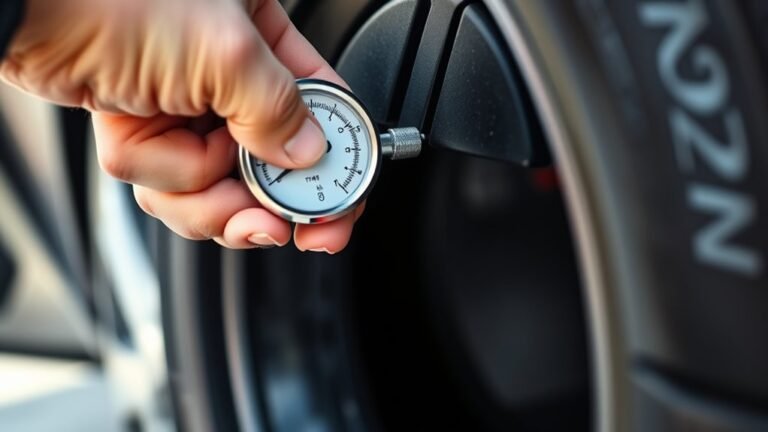
How Does Tire Pressure Affect Fuel Efficiency?
How does tire pressure affect fuel efficiency?
Proper tire pressure reduces rolling resistance, allowing the engine to use less energy and improve fuel efficiency. Underinflated tires increase friction, reducing mileage by up to 3%.
Why is maintaining the correct tire pressure important?
Maintaining recommended tire pressure ensures optimal fuel economy, enhances safety, and extends tire lifespan.
How often should tire pressure be checked?
Tire pressure should be checked regularly to maintain recommended levels for best performance and cost-effective maintenance.
When Is the Best Time to Replace My Tires?
The best time to replace tires is when tread depth is 2/32 of an inch or less. Replace tires with visible damage, cracks, or uneven wear immediately. Tires older than six years should be replaced even if tread looks fine. Regular inspections and checking tread wear indicators ensure timely and safe replacement.