Why Does My Car Say “Service Tire Monitor System”? Causes and Fixes
The “Service Tire Monitor System” warning means there is a problem with your tire pressure monitoring system (TPMS). It does not always mean your tires are low on air. Instead, the system has detected a fault that needs attention.
Common causes include dead sensor batteries, damaged sensors, or sensors that are out of alignment. Wiring problems and electronic interference can also trigger the warning.
Changes to your tires, such as replacements or rotations, may affect sensor accuracy as well.
To fix the issue, you often need a professional inspection. The sensors might require replacement or recalibration. In some cases, a system reset or regular maintenance can clear the alert.
Understanding these factors helps you address the warning promptly and keep your vehicle safe.
What Does the “Service Tire Monitor System” Warning Mean?
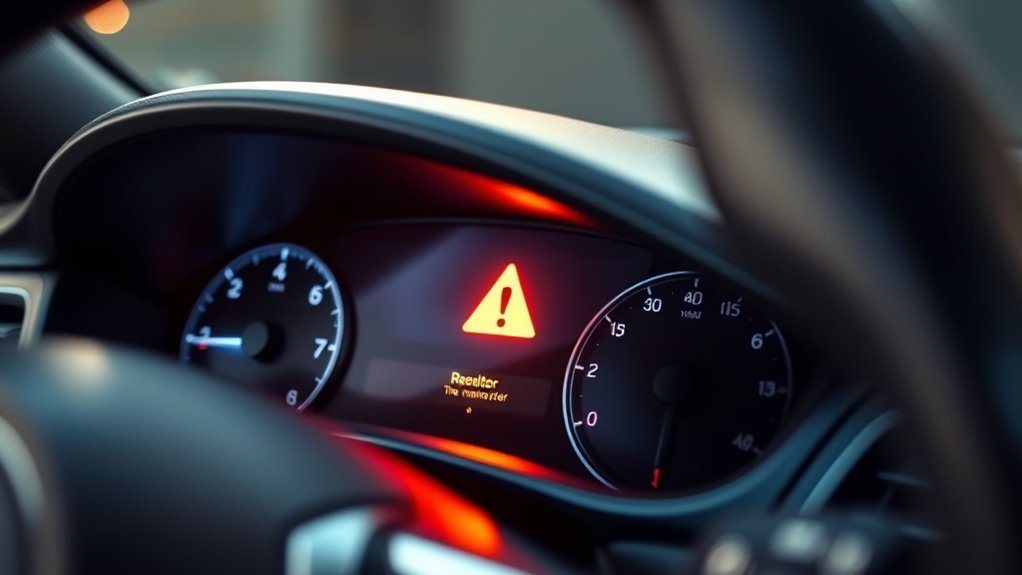
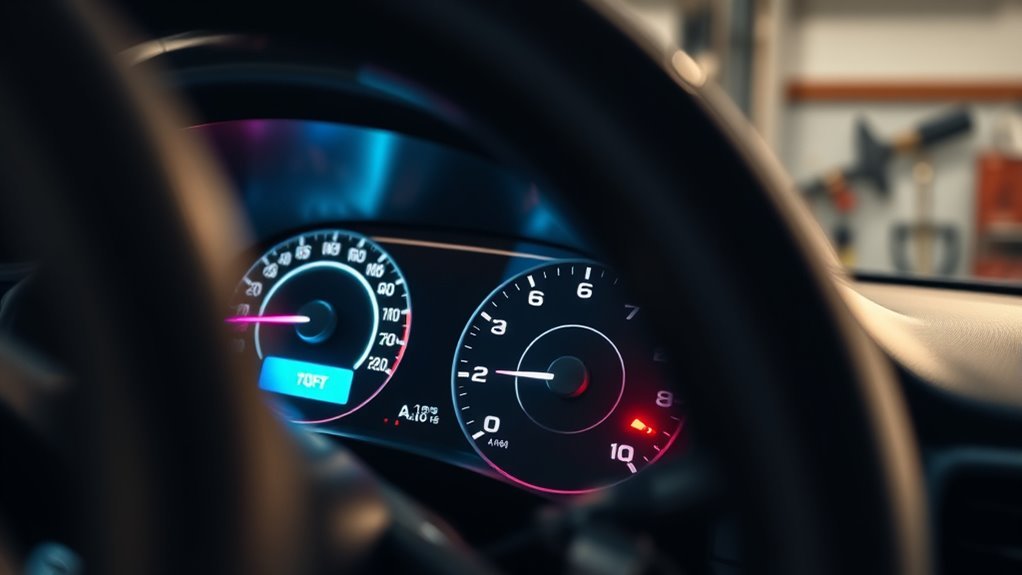
The “Service Tire Monitor System” warning on a vehicle’s dashboard signals a problem within the tire pressure monitoring system (TPMS). It alerts the driver that the system cannot accurately monitor tire pressure due to an internal fault. This warning requires professional inspection and repair.
The tire pressure monitoring system tracks the air pressure inside each tire. When the system detects errors such as sensor failure or communication issues, it triggers the warning light. This alert does not mean the tires are underinflated or damaged. Instead, it indicates the monitoring system itself is malfunctioning.
Drivers should address the warning promptly. A qualified technician can diagnose and fix issues related to sensors, wiring, or the TPMS control module. Maintaining a working tire pressure monitoring system is important for vehicle safety, fuel efficiency, and tire longevity.
Common causes for the “Service Tire Monitor System” warning:
- Dead or weak TPMS sensor batteries
- Faulty or damaged tire pressure sensors
- Problems in the TPMS control module or wiring
- Sensor misalignment after tire rotation or replacement
- Interference disrupting sensor signals
Ignoring the warning can lead to driving without accurate tire pressure data, increasing the risk of tire damage or accidents. Scheduling a service visit ensures the system functions properly and keeps tire pressure monitoring reliable.
Common Causes of Tire Monitor System Alerts
Tire monitor system alerts often stem from low tire pressure, which can compromise vehicle safety. Additionally, sensor batteries may fail over time, leading to inaccurate or missing data. Physical damage to tire sensors is another common cause that triggers warning messages.
Low Tire Pressure
Low tire pressure occurs when the air inside a tire falls below the manufacturer’s recommended level. This condition triggers alerts from the tire pressure monitoring system (TPMS) to warn drivers and prevent safety risks.
Temperature changes cause air to contract, reducing tire pressure. Slow leaks often result from punctures by nails or sharp objects. These leaks may go unnoticed until the TPMS detects a critical pressure drop. Low pressure affects vehicle handling, fuel efficiency, and tire wear, increasing the risk of accidents.
To maintain proper tire pressure:
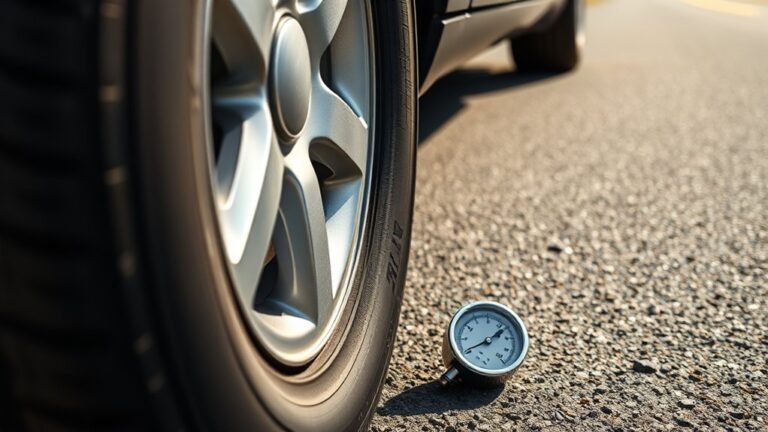
- Check tire pressure regularly with a reliable gauge.
- Inflate tires to the pressure specified in the vehicle’s manual or on the tire placard.
- Inspect tires for visible damage or embedded objects.
- Repair punctures promptly to avoid further air loss.
Proper tire maintenance ensures accurate TPMS readings and supports vehicle safety and performance.
Faulty Sensor Battery
Sensor battery life directly affects the reliability of tire pressure monitoring systems (TPMS). Each tire sensor contains a small battery that powers data transmission to the vehicle’s control unit. When the battery weakens or fails, the system may lose communication with that sensor and trigger a warning.
Tire sensor batteries degrade over time due to chemical aging and usage. Typical battery life ranges from 5 to 10 years depending on the sensor model and driving conditions. Once a battery fails, the sensor can no longer send accurate tire pressure data.
Most tire sensor batteries are sealed and non-replaceable. When a battery dies, the entire sensor unit usually needs replacement. Replacing the sensor restores reliable communication and accurate tire pressure monitoring.
Common signs of a failing sensor battery include:
- TPMS warning light on the dashboard
- Error messages indicating sensor malfunction
- Inconsistent or missing tire pressure readings
Regular vehicle maintenance should include TPMS checks to identify weak sensors early. Timely sensor replacement prevents false alerts and ensures continuous tire pressure monitoring.
Summary table:
| Aspect | Details |
|---|---|
| Battery type | Sealed, non-replaceable lithium battery |
| Typical lifespan | 5 to 10 years |
| Failure impact | Loss of sensor signal, warning alerts |
| Replacement requirement | Entire sensor unit replacement |
| Maintenance tip | Regular TPMS diagnostics during service |
Monitoring sensor battery status helps maintain system accuracy and vehicle safety.
Damaged Tire Sensors
Tire pressure monitoring system (TPMS) alerts often result from damaged sensors. Sensor damage disrupts data transmission, causing incorrect or missing tire pressure readings. Identifying and fixing damaged sensors restores accurate monitoring and prevents false alarms.
Physical impacts like hitting potholes or curbs can break or dislodge sensors. Environmental factors, including temperature extremes, moisture, and road salt, cause sensor wear and corrosion. Improper tire repairs or changes may accidentally harm sensors during handling. Manufacturing flaws or sensor aging also contribute to failure.
Damaged sensors affect the signal sent to the vehicle’s monitoring unit, triggering alerts even if tire pressure is normal. Faulty sensors require replacement to restore proper function. A thorough inspection helps locate damaged units.
Regular maintenance reduces sensor damage risk. Tire technicians should handle sensors carefully during service. Avoiding harsh impacts and protecting sensors from corrosive elements extends their lifespan and maintains reliable tire pressure monitoring.
Why Tire Pressure Sensors and TPMS Batteries Trigger Alerts
Tire pressure sensors and their batteries cause alert warnings because they monitor tire air pressure and rely on batteries that wear out over time. When a battery fails or a sensor malfunctions, the system cannot receive accurate data, triggering alerts to protect driver safety.
Tire pressure sensors measure the air pressure inside each tire and send this information to the vehicle’s monitoring system. These sensors use small batteries that usually last between 5 and 10 years. When a battery weakens or dies, the sensor stops transmitting correct signals, causing a warning light on the dashboard.
Sensor malfunctions can also arise from physical damage or exposure to harsh road conditions. Dirt, moisture, or impact can disrupt sensor operation and lead to false or persistent alerts.
Vehicle systems detect any irregularities in sensor communication. Alerts warn drivers because inaccurate tire pressure readings can reduce vehicle handling, increase tire wear, and lower fuel efficiency.
To avoid alerts, replace tire pressure sensors and their batteries promptly when signs of failure appear. Regular maintenance ensures accurate pressure monitoring and helps maintain vehicle safety and performance.
How Driving and Tire Changes Impact Your Tire Monitor System
Driving habits, such as frequent sharp turns or rapid acceleration, can affect the accuracy of the tire monitor system. Additionally, changing tires without proper sensor recalibration may trigger system alerts. Understanding these factors is essential for maintaining reliable tire pressure monitoring.
Effects of Driving Habits
Everyday driving habits and tire maintenance directly affect a vehicle’s tire pressure monitoring system (TPMS). Actions like sudden acceleration or neglecting tire checks cause pressure changes that trigger system alerts. Maintaining correct tire inflation and regular inspections ensures TPMS accuracy and prevents false warnings.
Sudden acceleration causes rapid tire pressure fluctuations. These changes may prompt the TPMS to signal a problem, even if the tire is healthy. Driving smoothly reduces unnecessary pressure shifts and limits false alerts.
Frequent sharp turns lead to uneven tire wear. Uneven tires can impact pressure balance and sensor readings, causing TPMS notifications. Rotating tires regularly helps maintain even wear and steady pressure levels.
Neglecting tire pressure checks allows slow leaks to go unnoticed. Low pressure may worsen over time, triggering TPMS warnings and risking tire damage. Checking tire pressure monthly detects leaks early and keeps the system reliable.
| Driving Habit | Impact on TPMS | Recommended Action |
|---|---|---|
| Sudden acceleration | Pressure fluctuations | Drive smoothly |
| Frequent sharp turns | Uneven tire wear | Rotate tires regularly |
| Neglecting tire checks | Undetected low pressure | Check pressure monthly |
Impact of Tire Changes
Tire changes affect a vehicle’s tire pressure monitoring system (TPMS) immediately after installation or rotation. Altering tires or wheels can cause sensor misalignment, damage, or calibration issues. These changes disrupt the sensor data that the TPMS uses to monitor pressure accurately.
TPMS problems can arise from:
- Sensor damage or replacement during tire mounting.
- Installing non-compatible or aftermarket tires and wheels.
- Changing tire size, which affects sensor calibration.
- Failing to reset or recalibrate the TPMS after tire changes.
Proper tire handling and timely TPMS resets ensure accurate pressure monitoring. This prevents false warnings and system errors.
How to Reset and Fix Your Tire Monitor System
A tire pressure monitoring system (TPMS) needs resetting after tire rotations, replacements, or pressure changes to recalibrate sensors. Resetting ensures the system accurately detects and reports tire pressure. Proper reset restores reliable monitoring and prevents false alerts.
Resetting a TPMS involves confirming tire pressures match the vehicle’s recommended levels. Then, use the vehicle’s dashboard or infotainment controls to initiate the reset process. After resetting, driving the vehicle allows sensors to relearn and complete calibration.
| Step | Action |
|---|---|
| 1. Check pressures | Inflate all tires to recommended PSI |
| 2. Turn ignition on | Switch ignition on without starting engine |
| 3. Access TPMS menu | Open TPMS settings via dashboard or infotainment |
| 4. Select reset | Confirm reset to start sensor recalibration |
| 5. Drive vehicle | Drive 10–15 minutes to complete relearning |
Following these steps ensures the TPMS accurately monitors tire pressure and maintains system reliability.
When You Should See a Mechanic for TPMS Problems
You should see a mechanic for TPMS problems when warning lights persist despite correct tire pressures, the light blinks before staying on, or when you cannot reset the system. These signs indicate sensor faults, wiring issues, or physical damage that require professional diagnosis and repair.
TPMS warning lights that stay on after confirming proper tire pressure often signal sensor failure or electrical problems. A blinking TPMS light usually points to a malfunctioning sensor or communication error within the system. Mechanics have tools to diagnose these faults accurately.
Physical damage to TPMS sensors or wiring can occur during tire changes or from road debris. Such damage disrupts sensor signals and triggers warning lights. Professionals can inspect tires and rims to identify and fix these issues.
If you cannot reset the TPMS through standard vehicle procedures, a mechanic’s help is necessary. Reset failures might result from sensor battery depletion, faulty sensors, or control module errors.
Common reasons to consult a mechanic for TPMS issues:
- Persistent warning light despite correct tire pressure
- Blinking TPMS light indicating sensor or communication faults
- Visible or suspected physical damage to sensors or wiring
- Failure to reset the TPMS using normal methods
Timely mechanic evaluation ensures your TPMS functions correctly, maintaining vehicle safety and preventing further damage.
Tips to Prevent Future Tire Monitor System Warnings
Preventing tire monitor system warnings requires regular tire and sensor maintenance. Checking tire pressure to meet manufacturer guidelines keeps sensors accurate. Inspecting tires for damage or wear avoids sudden pressure loss that triggers alerts. Routine sensor checks and timely battery replacement maintain system performance.
Regular tire pressure checks ensure the tire monitoring system reads accurate data. Underinflated or overinflated tires affect sensor signals and can cause false warnings. Use a reliable pressure gauge and check tires monthly or before long trips.
Tire condition inspections identify cuts, punctures, or uneven wear. Damaged tires lose air quickly, prompting system alerts. Inspect tires weekly and replace them if tread depth is low or damage is visible.
Sensor maintenance includes cleaning sensor units and replacing batteries as recommended. Sensors with weak batteries may send intermittent or incorrect signals. Schedule sensor checks during tire rotations or maintenance visits.
| Action | Benefit |
|---|---|
| Regular Tire Pressure Checks | Maintains accurate sensor readings |
| Tire Condition Inspections | Prevents pressure loss and alerts |
| Sensor Maintenance | Supports reliable system operation |
Consistent tire and sensor care lowers the chance of tire monitor warnings. This improves driving safety and reduces repair costs.
Frequently Asked Questions
Can TPMS Alerts Affect My Car’s Fuel Efficiency?
TPMS alerts do not directly affect fuel efficiency but signal tire pressure issues that do. Underinflated tires increase rolling resistance, making the engine work harder and consume more fuel. Ignoring TPMS alerts can indirectly lower fuel economy. Maintaining proper tire pressure helps optimize fuel efficiency, tire life, and vehicle performance. Address TPMS warnings promptly for best results.
Do All Cars Have Tire Pressure Monitoring Systems?
Not all cars have tire pressure monitoring systems (TPMS). TPMS is mandatory in the US for passenger vehicles made after 2007. Older models and some vehicles outside the US may not have TPMS. Luxury and newer cars usually include TPMS, while budget or older cars often rely on manual tire pressure checks.
How Long Do TPMS Sensors Typically Last?
TPMS sensors typically last 5 to 10 years. Their lifespan depends on battery life, driving conditions, and sensor quality. Since the battery is usually non-replaceable, the entire sensor must be replaced when the battery dies. Harsh weather, frequent tire rotations, and road conditions can affect sensor longevity. Regular maintenance and timely replacement ensure accurate tire pressure monitoring and vehicle safety.
Will Cold Weather Cause False TPMS Warnings?
Can cold weather cause false TPMS warnings?
Yes, cold weather can cause false TPMS warnings. As temperatures drop, tire pressure decreases by about 1 psi for every 10°F, which may trigger alerts even if tires are not truly underinflated.
Can I Drive Safely With a TPMS Warning On?
Is it safe to drive with a TPMS warning?
Driving with a TPMS warning is not recommended as it signals low or uneven tire pressure, which can affect handling, fuel efficiency, and tire wear. Short, low-speed trips may be safe, but prolonged driving increases the risk of tire failure or accidents. Check and correct tire pressure promptly and have the system inspected by a professional to ensure safety.