How Much Does Transmission Repair Cost? Minor Repairs, Rebuilds, and Replacement
Transmission repair costs vary widely. The price depends on the damage severity, the type of vehicle, and labor rates. Minor issues like fluid leaks or solenoid problems usually cost between $150 and $500.
More serious problems may require a transmission rebuild. This process addresses significant internal wear and typically costs from $1,500 to $3,000.
A complete transmission replacement is often the most expensive option. Prices can range from $1,000 for used parts up to $7,000 for new transmissions.
Choosing the right repair depends on your vehicle’s condition and the extent of the damage. Understanding these factors can help you make better decisions.
Detailed insights also reveal ways to save money while ensuring proper repairs.
Key Factors That Drive Transmission Repair Costs
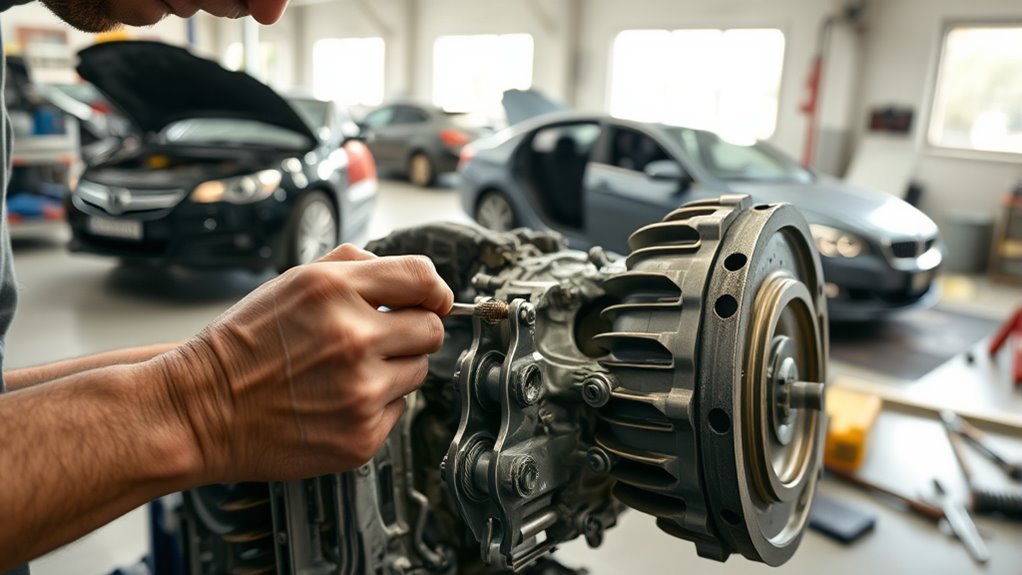
Transmission repair costs depend on several key factors that affect the total expense. The severity of the damage, vehicle make and model, labor rates, repair type, and parts availability all influence the final price.
The extent of damage determines repair complexity. Minor issues often need fewer parts and less work. Major failures require extensive repairs or complete transmission replacement, increasing costs.
Vehicle make and model impact cost because some transmissions use specialized or complex parts. Luxury or imported cars typically have higher repair prices due to these factors.
Labor rates vary by location and repair shop. Urban areas or dealerships generally charge more per hour than rural shops or independent mechanics. Labor time also depends on repair complexity.
Repair type affects cost significantly. Common options include:
- Adjustment or fluid change: lowest cost
- Transmission rebuild: moderate cost, involves replacing worn parts
- Full transmission replacement: highest cost, usually for severe damage
Parts choice influences expenses. OEM (original equipment manufacturer) parts cost more but offer guaranteed compatibility. Aftermarket parts are cheaper but vary in quality and fit.
Warranty coverage can reduce out-of-pocket repair costs if applicable. Some vehicles have extended transmission warranties or service plans.
Summary of key cost drivers:
| Factor | Impact on Cost |
|---|---|
| Damage severity | Minor repairs cost less; major repairs cost more |
| Vehicle make/model | Complex or luxury transmissions cost more |
| Labor rates | Higher rates increase total cost |
| Repair type | Adjustments < rebuilds < replacements |
| Parts availability | OEM parts cost more than aftermarket |
| Warranty coverage | Can reduce or eliminate repair cost |
Understanding these factors helps explain why transmission repair costs vary widely between cases.
How Much Do Minor Transmission Repairs Usually Cost?
Minor transmission repairs usually cost between $150 and $500. These repairs address common issues like fluid leaks, filter replacements, and solenoid adjustments. Prices vary by the specific repair, vehicle type, and labor rates.
Fluid leak repairs commonly involve replacing gaskets or seals. Typical costs range from $150 to $300. Fixing leaks prevents further damage and maintains transmission performance.
Replacing a transmission filter helps keep the fluid clean. This service generally costs between $150 and $250. Clean fluid supports smooth shifting and extends transmission life.
Solenoid repairs fix shifting problems caused by faulty solenoid valves. These repairs usually cost from $200 to $400. Solenoids control fluid flow inside the transmission.
Cost factors include the vehicle’s make, model, and location. Minor repairs require fewer parts and less labor than major transmission work, making them less expensive.
Routine maintenance like fluid changes costs less than repairs but is important. Regular fluid replacement helps avoid costly transmission failures.
When Do You Need a Transmission Rebuild : And How Much Will It Cost?
A transmission rebuild is needed when multiple transmission parts fail, causing poor performance or leaks. Common signs include slipping gears, harsh or delayed shifting, and unusual noises. Rebuilding restores functionality by replacing worn or damaged components, extending transmission life at a lower cost than full replacement.
Severe issues like worn clutches, damaged gears, and faulty seals often require a rebuild. Minor repairs fix isolated problems, but extensive damage demands a comprehensive rebuild to avoid breakdowns and further damage.
Common symptoms indicating a rebuild include:
- Persistent slipping during acceleration
- Harsh or erratic gear shifts
- Delay in gear engagement after shifting
- Unusual noises such as grinding or whining
The cost of a transmission rebuild depends on the vehicle’s make, model, and damage extent. Typical prices range from $1,500 to $3,000, covering labor and parts. Prices vary by shop labor rates and parts availability.
Choosing a rebuild over a replacement can save money while restoring transmission function. A rebuild replaces worn parts, offering a practical solution when the transmission is damaged but repairable.
Transmission Replacement Costs And What To Expect
Transmission replacement means removing a damaged transmission and installing a new, remanufactured, or used unit. This procedure is required when repairs are too costly or impossible. Costs depend on the vehicle, transmission type, and labor rates. Labor can significantly affect the total price due to the job’s complexity.
New transmissions cost the most but come with longer warranties. Remanufactured transmissions offer a balance of cost and reliability. Used transmissions are the cheapest but usually have limited or no warranty.
| Transmission Type | Estimated Cost Range | Typical Warranty |
|---|---|---|
| New | $3,000 – $7,000 | 3-5 years / 36,000-60,000 miles |
| Remanufactured | $2,000 – $4,500 | 1-3 years / 12,000-36,000 miles |
| Used | $1,000 – $3,000 | Limited or none |
Expect a detailed inspection before replacement to assess damage and determine the best option. Transmission replacement usually requires several days of downtime to complete.
When Should You Repair, Rebuild, Or Replace Your Transmission?
Deciding whether to repair, rebuild, or replace a transmission depends on damage severity, vehicle value, and cost-effectiveness. Minor issues suit repair. Moderate internal damage may require rebuilding. Severe damage often calls for replacement.
Repair addresses minor problems like worn seals, fluid leaks, or faulty sensors. Repairs cost less and take less time. Repair works when the transmission’s core parts are intact.
Rebuilding fits when internal parts such as clutches or bands fail but the main housing remains sound. Rebuilding replaces damaged components while keeping the transmission shell. This option balances cost and effectiveness better than a full replacement.
Replacement suits transmissions with extensive or severe damage. When repair or rebuilding costs approach or exceed replacement cost, installing a new or remanufactured transmission is practical.
Vehicle age and value influence the choice. Older or low-value cars may not justify rebuilding or replacement expenses, making repair or even buying a different vehicle preferable.
Summary table:
| Condition | Recommended Action | Reason |
|---|---|---|
| Minor leaks, worn seals | Repair | Low cost, quick fix |
| Damaged clutches, bands | Rebuild | Saves transmission housing |
| Severe, widespread damage | Replace | More cost-effective long-term |
| Older, low-value vehicle | Repair or replace | Avoid costly rebuild or replacement |
Use damage assessment, costs, and vehicle value to guide your decision.
How To Save Money And Avoid Unexpected Transmission Repair Costs
Transmission repair costs often surprise vehicle owners when preventive care is neglected. Regular maintenance and early problem detection help reduce the risk of expensive repairs. Understanding key steps to maintain your transmission can save money and avoid unexpected breakdowns.
Proper transmission fluid management protects the system from wear and overheating. Change the fluid according to the vehicle manufacturer’s schedule. Check fluid levels and condition periodically, especially if you notice leaks or discoloration.
Minor symptoms like slipping gears, delayed shifting, or unusual noises signal transmission issues. Address these signs early to prevent further damage. Ignoring symptoms can lead to costly repairs or complete transmission failure.
Certified mechanics provide accurate transmission diagnoses. Avoid guessing or relying on unqualified advice, which may result in unnecessary repairs. Request a detailed inspection and clear explanation before authorizing work.
Follow the vehicle’s recommended maintenance schedule for transmission service. Scheduled inspections, fluid changes, and component checks extend transmission life and reduce repair costs. Consult the owner’s manual or dealership service department for specific intervals.
Summary of money-saving steps to avoid unexpected transmission repairs:
- Check and change transmission fluid regularly
- Respond promptly to slipping, noise, or shifting problems
- Use certified mechanics for diagnosis and repair
- Adhere to the manufacturer’s maintenance schedule
Frequently Asked Questions
How Long Does a Typical Transmission Repair Take?
A typical transmission repair takes 1 to 5 days. Minor repairs or fluid changes can be done in a few hours, while rebuilding or replacing the transmission may take several days. Repair time depends on vehicle model, parts availability, mechanic workload, and potential complications.
Can I Drive My Car With a Slipping Transmission?
Driving with a slipping transmission is not recommended. It can worsen the damage, cause safety risks, and lead to poor gear shifting and vehicle performance. Prompt inspection and repair are essential to avoid costly and dangerous failures.
Are Transmission Repair Warranties Common?
Transmission repair warranties are common, especially from reputable shops and dealerships. They usually cover parts and labor for a set time or mileage, often between 12 months to several years. Extended warranties or full transmission coverage may cost extra or require specific maintenance.
What Maintenance Prevents Transmission Damage?
Regular transmission fluid changes prevent damage by ensuring proper lubrication and cooling. Replacing the transmission filter keeps the fluid clean. Avoiding aggressive driving and overloading reduces transmission stress. Periodic inspections detect leaks or wear early, preventing costly damage and extending transmission life.
Is It Better to Use OEM or Aftermarket Parts?
Is it better to use OEM or aftermarket parts?
OEM parts ensure precise fit and reliable performance, making them ideal for long-term durability. Aftermarket parts offer a cost-effective alternative but can vary in quality. Choose OEM for guaranteed compatibility and aftermarket for budget savings, balancing cost with performance needs.