Is It OK to Overinflate Car Tires? Safety Risks, Warning Signs, and Correction
Overinflating car tires is a common mistake that can compromise safety. When tires have too much air, their contact with the road decreases. This reduces stability and control while driving.
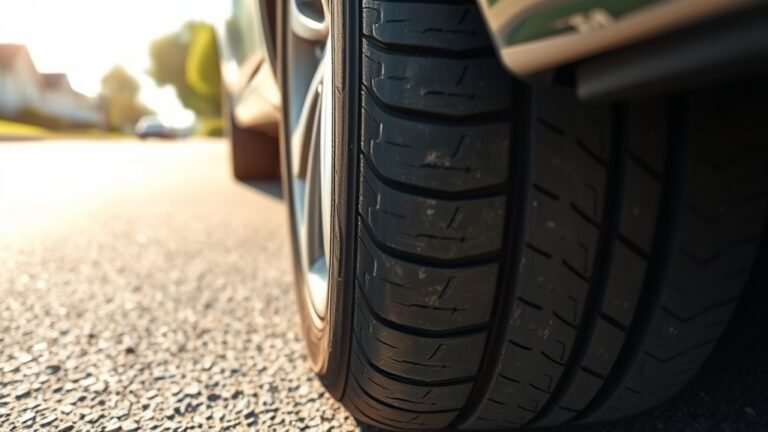
Signs of overinflation include a rounded center tread and faster wear in the middle of the tire. Drivers may also notice a harsher ride. These issues indicate that the tire pressure is too high.
Overinflated tires increase the risk of blowouts and can affect steering response. It is important to follow the manufacturer’s recommended tire pressure.
Checking tire pressure when tires are cold helps maintain proper inflation. Correcting overinflation improves safety and extends tire life.
How to Spot Overinflated Tires
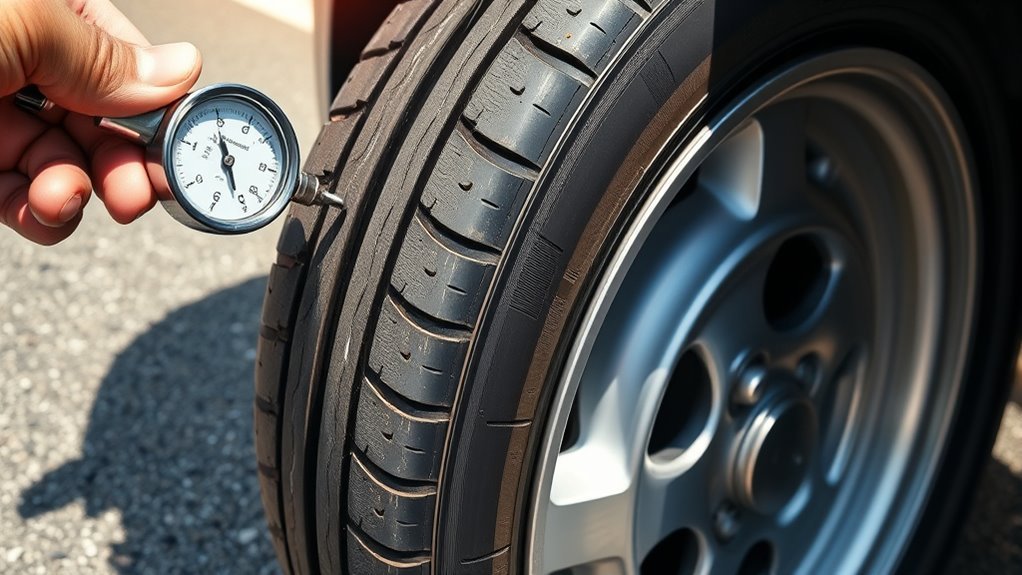
Overinflated tires show distinct signs that can be identified before damage occurs. Key indicators include a rounded center tread, reduced road contact in the middle, harsher ride quality, and uneven wear focused on the tread center. Regular pressure checks help confirm if the tires exceed recommended limits.
Visual inspection reveals the center tread of an overinflated tire bulging outward. This shape reduces the tire’s contact patch with the road, causing the middle of the tread to touch less than the edges. The altered contact affects vehicle handling and increases wear in that area.
Tire wear patterns provide clues. Overinflated tires wear faster along the center of the tread compared to the shoulders. This uneven wear shortens tire life and signals excessive air pressure.
Ride comfort changes when tires are overinflated. The tires become stiffer, transmitting more road bumps and vibrations to the vehicle. Drivers may notice a harsher, less smooth ride.
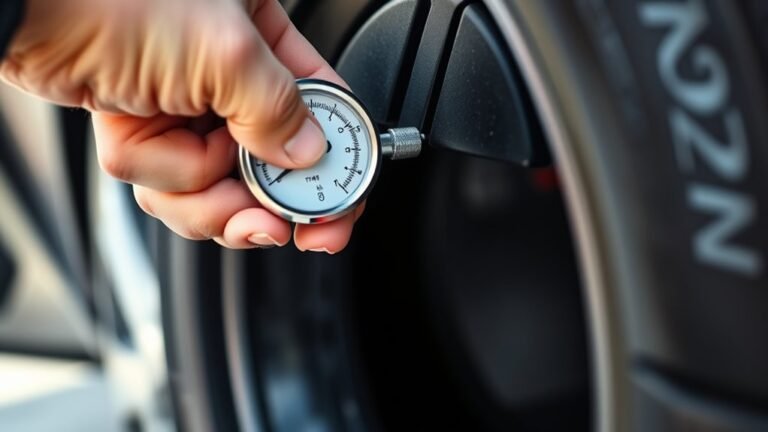
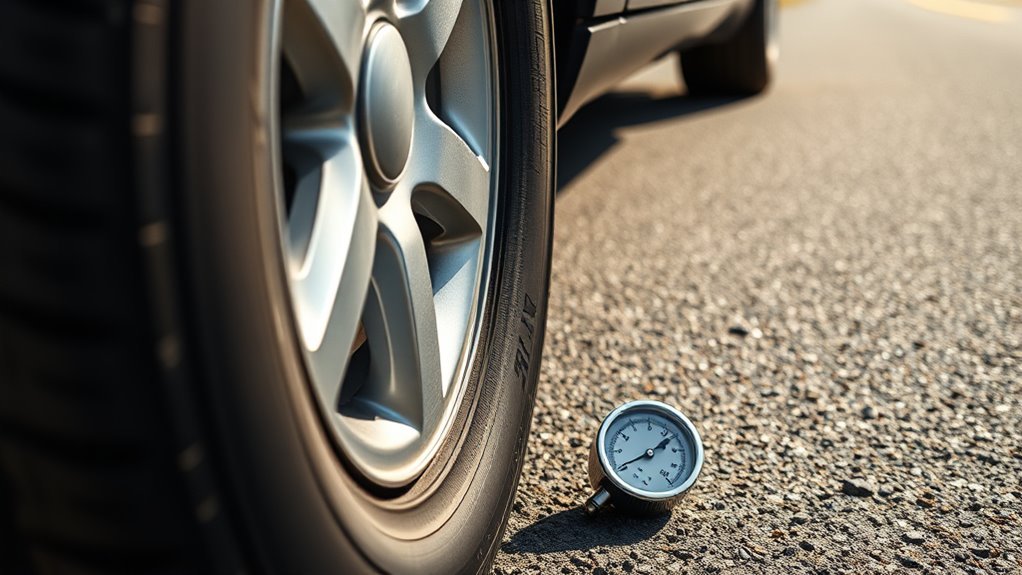
A reliable tire pressure gauge is essential for detection. Checking pressure regularly ensures levels stay within the manufacturer’s recommended range. Pressure can rise after temperature increases, so monitoring during seasonal changes is important.
Summary of how to spot overinflated tires:
- Rounded or bulging center tread visible on the tire
- Reduced contact patch in the middle of the tread
- Faster wear along the center compared to edges
- Harsher ride due to decreased tire flexibility
- Tire pressure readings above recommended limits
Early identification allows timely adjustment of tire pressure, preventing premature tire damage and maintaining safe vehicle performance.
Risks of Overinflated Tires for Safety and Performance
Overinflated tires increase safety risks and reduce vehicle performance. Excessive air pressure shrinks the tire’s contact area with the road, lowering stability and control. This condition raises the chance of skidding and tire blowouts, especially during sharp turns or on wet roads. Overinflation also causes a rougher ride and can impair steering precision.
Tire contact patch reduction occurs when pressure exceeds recommended levels. A smaller contact patch means less grip, which compromises traction during acceleration, braking, and cornering. Drivers may experience slipping or loss of control, particularly in emergency maneuvers or slippery conditions.
Tire blowouts happen because overinflated tires bear more internal stress. The tire’s structural components stretch beyond their safe limits, increasing the risk of sudden failure. Blowouts at high speeds can lead to dangerous accidents.
Ride comfort deteriorates as overinflated tires become stiffer. The vehicle absorbs fewer road shocks, resulting in a harsher driving experience. Passengers may feel more vibrations and jolts from uneven surfaces.
Steering response can worsen with overinflated tires. Reduced tire flexibility limits the tire’s ability to conform to road irregularities, making precise handling more difficult. Drivers might notice less feedback and control during turns.
Summary of overinflation risks:
- Reduced tire-road contact area
- Lower stability and traction
- Increased risk of tire blowouts
- Harsher ride quality
- Impaired steering control
Maintaining tire pressure within manufacturer guidelines ensures optimal safety, handling, and comfort. Regularly check and adjust tire inflation to avoid the hazards linked to overinflation.
How Overinflation Affects Tire Wear and Traction
Overinflation occurs when tire pressure exceeds manufacturer guidelines. This condition causes the tire’s center tread to carry most of the load, leading to faster wear in that area. Overinflated tires also reduce the tire’s contact with the road, which lowers traction and can affect vehicle handling.
Tire wear concentrates on the center tread with overinflation. The increased pressure causes the middle of the tire to bulge outward. As a result, the edges contact the road less, speeding up wear along the center and shortening tire life.
Traction decreases because overinflated tires have a smaller contact patch with the road surface. Reduced grip is especially dangerous on wet or uneven roads, increasing the chance of skidding or hydroplaning.
Overinflated tires transfer more road shock to the suspension system. The stiffer tire sidewalls absorb less impact, which can lead to a harsher ride and potentially impair vehicle control.
Summary of overinflation effects:
- Center tread wears faster
- Overall tire life decreases
- Reduced road contact lowers traction
- Higher risk of skidding on wet or rough surfaces
- Increased road shock harms suspension and handling
Maintaining the recommended tire pressure ensures even wear, optimal traction, and safer vehicle performance.
How to Check and Adjust Tire Pressure Correctly
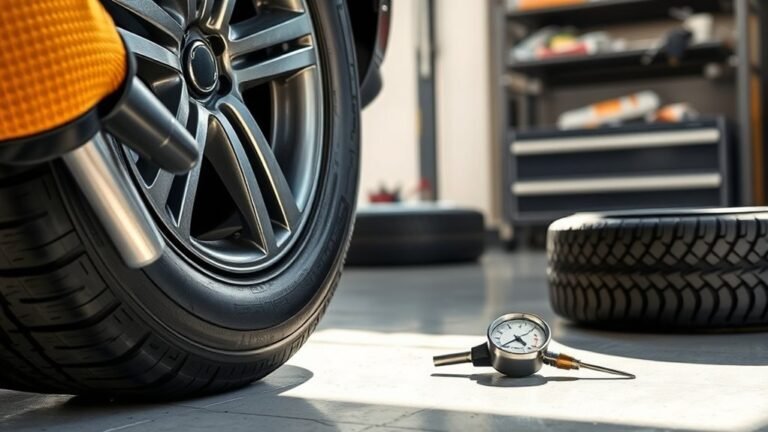
Checking and adjusting tire pressure ensures vehicle safety and optimal tire performance. Follow the vehicle manufacturer’s recommended pressure levels, usually found on the door placard or owner’s manual. Measure tire pressure when tires are cold for accurate readings.
To check tire pressure:
- Locate the recommended tire pressure on the vehicle placard or owner’s manual.
- Use a reliable tire pressure gauge.
- Check pressure before driving or after the tires have rested for several hours.
- Press the gauge firmly onto the valve stem to get a reading.
To adjust tire pressure:
- If pressure is too high, press the valve core to release air slowly until reaching the correct level.
- If pressure is too low, add air in small increments.
- Recheck pressure after each adjustment to avoid overinflation or underinflation.
Check all tires, including the spare, to maintain balanced handling and safety. Regular tire pressure maintenance extends tire life and improves fuel efficiency.
Tips to Maintain Proper Tire Pressure for a Safer Ride
Maintaining proper tire pressure improves vehicle safety and handling. Checking tire pressure monthly and before long trips helps prevent underinflation or overinflation. Use a reliable gauge and measure pressure when tires are cold for accurate results.
Tire pressure guidelines come from the vehicle manufacturer. Find the recommended pressure in the owner’s manual or on the door jamb label. Adjust tire pressure by adding or releasing air to match these specifications.
Regular tire inspections enhance safety. Check tires for damage, uneven wear, or objects embedded in the tread. These issues can affect tire performance and increase the risk of failure.
Proper tire pressure also improves fuel efficiency and extends tire life. Correct inflation supports better steering control and reduces tire wear, contributing to safer driving conditions.
Frequently Asked Questions
Can Overinflated Tires Cause Damage to the Car’s Suspension?
Can overinflated tires damage the car’s suspension?
Yes, overinflated tires reduce the tire’s ability to absorb road shocks, increasing stress on the suspension system. This can lead to up to 15% more suspension wear and premature damage to components like shocks, struts, and bushings.
Does Overinflation Affect Fuel Efficiency Significantly?
Does Overinflation Improve Fuel Efficiency?
Overinflating tires can slightly improve fuel efficiency by reducing rolling resistance, but the effect is minimal.
Are There Risks to Overinflating Tires?
Yes, overinflation reduces the tire’s contact with the road, leading to compromised traction, handling, and uneven tire wear.
What Is the Best Tire Pressure for Fuel Economy and Safety?
Maintaining the manufacturer-recommended tire pressure offers the best balance of fuel efficiency, safety, and tire longevity.
Are Certain Tire Brands More Prone to Overinflation Issues?
Are certain tire brands more prone to overinflation issues?
Yes, some tire brands are more susceptible due to differences in rubber compounds, construction quality, and pressure tolerances. Premium brands typically handle pressure deviations better, while budget brands may be more at risk for uneven wear or blowouts when overinflated. Always follow manufacturer-recommended inflation pressures for safety and optimal performance.
Can Weather Changes Lead to Unexpected Tire Overinflation?
Can weather changes cause unexpected tire overinflation?
Yes, temperature fluctuations expand air inside tires, increasing pressure and causing overinflation.
How does temperature affect tire pressure?
Cold air contracts, lowering tire pressure, while heat expands air, raising pressure.
When is tire overinflation most likely to occur?
After rapid warming following cold weather or during prolonged hot conditions.
Why is overinflation dangerous?
It can reduce tire performance and compromise safety.
How can I prevent tire overinflation due to weather?
Regularly check and adjust tire pressure according to temperature changes.
Is It Safe to Use a Tire Pressure Gauge From Any Retailer?
Is it safe to use a tire pressure gauge from any retailer?
Yes, as long as the gauge is high-quality and properly calibrated. Inexpensive or poorly made gauges may provide inaccurate readings, risking unsafe tire pressure. Choose gauges from reputable brands or stores and periodically check accuracy against professional equipment to ensure reliable measurements and vehicle safety.