How Much Does Car Radiator Repair Cost? Leak Repair, Replacement, and Labor
Car radiator repair costs depend on several factors. These include the type of damage, the vehicle model, and the complexity of the labor required. Knowing these details helps you estimate repair expenses better.
Small leaks usually cost between $100 and $300 to fix. Larger leaks or more severe damage can push the cost to $600 or more.
If the radiator needs a full replacement, expect to pay between $300 and $900. This price typically covers both parts and labor.
Labor rates vary by location and vehicle type. They generally range from $70 to $120 per hour.
Understanding these costs beforehand can help you plan your budget and choose the best repair option.
What Does a Car Radiator Do and Why It Matters
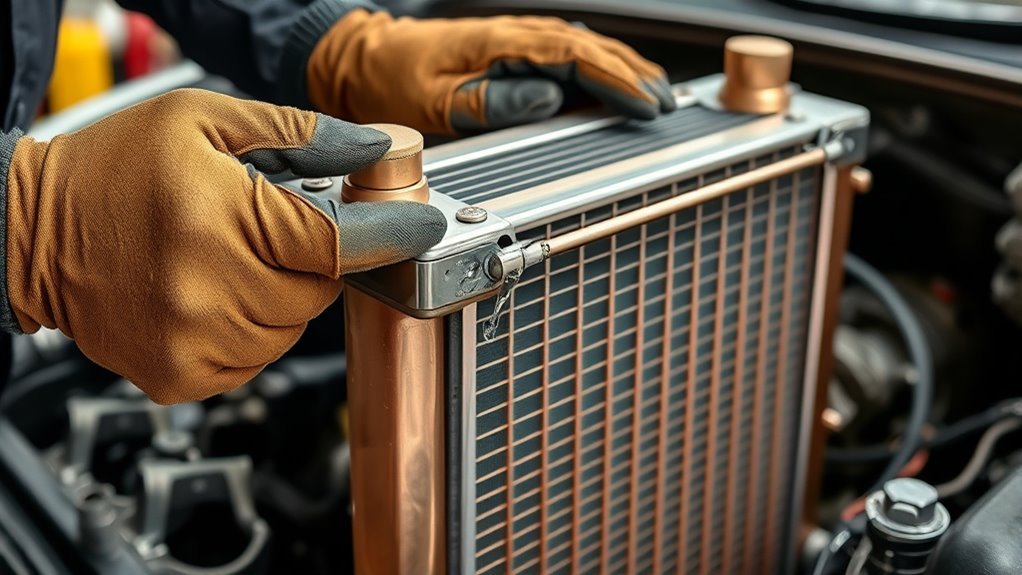
A car radiator cools the engine by transferring heat from the coolant to the air. It prevents the engine from overheating, which protects engine parts and maintains vehicle performance.
The radiator circulates coolant through the engine block. The coolant absorbs heat produced during combustion. Heated coolant flows into the radiator, where it passes through thin metal tubes and fins.
The metal fins and tubes increase surface area, allowing heat to transfer from the coolant to the surrounding air. A fan often helps by blowing air through the radiator to speed up cooling.
A functioning radiator keeps the engine at an optimal temperature. This balance supports efficient fuel use and reduces wear on engine components. Without effective cooling, the engine can overheat, causing damage and costly repairs.
Summary of radiator function and importance:
- Circulates coolant to absorb engine heat
- Transfers heat from coolant to air via metal fins and tubes
- Prevents engine overheating
- Maintains engine temperature for efficiency and longevity
- Protects engine from damage and reduces repair costs
Common Signs Your Radiator Needs Repair
A radiator cools engine coolant to prevent overheating. Signs of radiator problems include coolant leaks, engine overheating, rusty coolant, blockages, steam, and antifreeze odor. Identifying these signs early helps avoid engine damage and costly repairs.
Coolant leaks appear as puddles under the vehicle or wet spots on the radiator. Leaks reduce coolant levels, lowering the radiator’s ability to cool the engine.
Coolant leaks show as puddles or wet spots, decreasing coolant and impairing engine cooling.
Engine overheating shows on temperature gauges or dashboard warning lights. Overheating can result from poor radiator function due to leaks, blockages, or corrosion.
Rusty or discolored coolant indicates corrosion inside the radiator. Corrosion damages radiator components, reducing cooling efficiency and causing leaks.
A clogged radiator restricts coolant flow. Reduced flow causes higher engine temperatures and inefficient cooling. Blockages can come from debris, rust, or sediment buildup inside the radiator.
Steam from under the hood signals coolant escaping the system. A sweet smell near the engine often comes from leaking antifreeze. Both signs require immediate attention to prevent engine damage.
Summary of common radiator repair signs:
- Coolant leaks (puddles, wet spots)
- Engine overheating (high temperature gauge, warning lights)
- Rusty or discolored coolant
- Reduced coolant flow (clogged radiator)
- Steam under the hood
- Sweet antifreeze odor
Early repair of these issues maintains radiator function and protects engine health.
Key Factors That Influence Radiator Repair Costs
Radiator repair costs depend on several key factors, including vehicle type, damage severity, labor rates, and parts used. These elements determine the overall price and help vehicle owners estimate repair expenses accurately.
The vehicle’s make and model affect radiator repair costs. Some cars require specific radiator parts or specialized labor, which increases the price. Luxury and imported vehicles often have higher parts and labor costs.
The extent of radiator damage influences repair expenses. Small leaks or minor cracks usually cost less to fix. Severe damage, such as a cracked core or extensive corrosion, may require a full radiator replacement, raising the cost significantly.
Labor rates vary by location and repair shop. Urban areas or dealerships often charge higher hourly rates than rural or independent shops. Labor time also depends on how accessible the radiator is in the vehicle’s engine bay.
The choice between original equipment manufacturer (OEM) parts and aftermarket parts affects pricing. OEM parts usually cost more but match the original specifications. Aftermarket parts offer a cheaper alternative but may vary in quality and fit.
Other factors that impact radiator repair costs include the vehicle’s age and design. Older cars might need harder-to-find parts, and some models have radiators located in difficult-to-reach areas, which increases labor time and overall cost.
Summary of key factors influencing radiator repair costs:
- Vehicle make and model
- Damage severity (minor repair vs. full replacement)
- Labor rates by location and shop
- OEM versus aftermarket parts
- Vehicle age and radiator accessibility
Understanding these factors helps vehicle owners anticipate repair costs and make informed decisions about radiator maintenance.
How Much Does Radiator Repair for a Leak Cost?
Radiator leak repair costs depend on the leak’s size, location, and the vehicle’s make. Small leaks in hoses or minor cracks usually cost between $100 and $300. Larger leaks, especially in the radiator core or tanks, can range from $300 to $600 or more. Labor rates vary by region and shop.
Minor radiator leaks often involve hose replacements or applying sealants. These repairs are straightforward and less expensive. Larger leaks may require disassembling parts of the cooling system, which increases labor time and cost.
Corrosion or damage to multiple radiator components raises repair costs. In such cases, parts replacement and additional diagnostics may be necessary. A professional inspection is essential to determine the exact repair needed and provide an accurate estimate.
Radiator Leak Repair Cost Overview
| Leak Size/Location | Typical Cost Range | Common Repair Actions |
|---|---|---|
| Small leaks (hoses, cracks) | $100 – $300 | Hose replacement, sealants |
| Large leaks (core, tanks) | $300 – $600+ | Part replacement, system labor |
Factors Affecting Cost
- Leak size and location
- Vehicle make and model
- Labor rates in the area
- Extent of corrosion or damage
- Diagnostic requirements
Getting a professional diagnosis ensures accurate repair and cost estimates.
What to Expect From Radiator Replacement Costs
Radiator replacement costs typically vary depending on the vehicle make, part quality, and extent of damage. The average price includes both the cost of the radiator itself and labor charges, which can differ based on service location and complexity. Understanding these factors helps provide a clearer estimate of the total expense involved.
Average Replacement Price
The average cost to replace a car radiator ranges from $300 to $900. This price depends on the vehicle’s make and model, labor rates, and the replacement part’s quality. It usually covers removing the old radiator, installing the new one, and refilling the cooling system.
Factors that affect radiator replacement cost include:
- Radiator type: aluminum, copper, or plastic
- Vehicle design complexity, which influences labor time
- Replacement radiator brand and warranty
- Additional parts needed, such as hoses or thermostats
Understanding these factors helps car owners budget for radiator replacement and avoid unexpected costs.
Factors Affecting Costs
Several factors influence the total cost of replacing a radiator. Vehicle type, radiator material, part availability, and regional pricing all affect the final price. Choosing between an OEM or aftermarket radiator also impacts cost.
Vehicle make and model affect radiator cost. Luxury and imported cars often need specialized parts that cost more. Common vehicles usually have more affordable radiator options.
Radiator material influences price and durability. Aluminum radiators tend to cost more but offer better longevity. Copper radiators are less expensive but heavier. Plastic radiators are often the cheapest but less durable.
Related component condition can increase expenses. Hoses, clamps, or connectors may need replacement during radiator service. Replacing these parts raises the overall repair cost.
Part availability impacts pricing. Rare or discontinued radiator models usually cost more due to limited supply. Common parts are generally easier to source and less expensive.
Regional differences and supplier markups affect final costs. Labor rates and parts pricing vary by location. Some suppliers charge higher prices based on demand or exclusivity.
OEM radiators generally cost more than aftermarket options. OEM parts match the original design and quality but come with a premium price. Aftermarket radiators often provide a less expensive alternative with varying quality levels.
Summary Table of Cost Factors:
| Factor | Impact on Cost | Notes |
|---|---|---|
| Vehicle Make & Model | Higher for luxury/imported | Specialized parts increase price |
| Radiator Material | Aluminum > Copper > Plastic | Durability and weight influence price |
| Condition of Related Parts | Additional cost if replaced | Hoses, clamps often replaced |
| Part Availability | Rare parts cost more | Discontinued models are pricier |
| Regional Pricing | Varies by location | Labor and parts pricing differ |
| OEM vs. Aftermarket | OEM parts cost more | OEM offers original quality but at premium |
Understanding these factors helps estimate radiator replacement costs accurately.
Labor Charges Breakdown
Labor charges make up a significant part of radiator replacement costs. The amount depends on the vehicle’s complexity and local labor rates. Labor time and mechanic skill also affect the total expense.
Key factors influencing labor charges include:
- Vehicle Type: Luxury and imported vehicles often require more labor time due to complex engine layouts and tighter spaces.
- Accessibility: Radiators placed in difficult-to-reach areas increase labor hours, raising costs.
- Labor Rates: Regional differences and shop reputation cause wide variations in hourly labor rates.
- Additional Repairs: Tasks like replacing hoses or flushing coolant add labor time and increase charges.
Understanding these factors helps estimate labor costs for radiator replacement accurately.
Radiator Repair Labor Costs Explained
Labor costs for radiator repair can vary based on average hourly rates in different regions. Several factors influence these costs, including the vehicle’s make and model and the complexity of the repair. Understanding these elements helps clarify the overall expense involved in radiator labor.
Average Labor Rates
Labor rates for car radiator repairs typically range from $70 to $120 per hour across the United States. These rates depend on factors such as location, mechanic expertise, and type of repair shop. Knowing average labor costs helps vehicle owners estimate total radiator repair expenses.
Labor rates vary mainly by:
- Geographic region: Urban areas usually have higher hourly rates than rural locations.
- Repair shop type: Dealerships charge more per hour than independent garages.
- Technician experience: Certified mechanics often command higher fees.
- Repair complexity: More complex radiator jobs require additional labor hours, increasing costs.
These factors influence the labor portion of radiator repair bills. Parts and materials costs are separate from labor charges.
Factors Affecting Costs
Several factors determine the labor cost of radiator repairs. Key influences include the repair’s complexity, the vehicle type, geographic location, and the technician’s experience. Each factor affects the time and skill required, which in turn impacts labor charges.
Repair complexity affects labor hours. More complex repairs or full radiator replacements take longer, increasing labor costs. Simple fixes require fewer hours and lower charges.
Vehicle type matters. Luxury and imported vehicles often need specialized parts or skills. These requirements raise labor rates compared to standard cars.
Geographic location influences pricing. Urban areas usually have higher living costs and demand, leading to increased labor rates. Rural or less populated regions tend to charge less.
Technician expertise affects costs. Experienced mechanics or shops with strong reputations charge higher fees. Skilled labor ensures quality but at a premium.
| Factor | Impact on Labor Cost |
|---|---|
| Repair Complexity | More complex repairs require more hours |
| Vehicle Type | Luxury and foreign cars cost more |
| Location | Urban areas have higher labor rates |
| Technician Expertise | Skilled technicians charge higher fees |
When DIY Radiator Repairs Are Worth It
DIY radiator repairs are practical when the problem is minor and the person has basic mechanical skills. Simple fixes like small leaks or loose hose clamps can be handled with proper tools and materials. Complex or safety-critical issues require professional attention.
DIY radiator repairs make sense under these conditions:
- The repair involves simple actions such as tightening clamps or applying a radiator sealant.
- The vehicle is no longer under warranty, so repair risks do not affect service agreements.
- The cost of professional repairs is high relative to the vehicle’s value.
- The individual has clear repair instructions and understands the risks involved.
In these situations, DIY repairs can reduce repair costs and downtime. Safety and accuracy remain important, so avoid DIY attempts if the problem involves the radiator core, pressure systems, or requires specialized equipment.
Dealership vs. Independent Shops: Which Is Cheaper for Radiator Repairs?
Dealerships usually cost more for radiator repairs due to higher labor rates and use of original equipment manufacturer (OEM) parts. Independent shops often provide cheaper repairs by using aftermarket parts and charging lower labor fees. Choosing between them depends on vehicle type, budget, and warranty preferences.
Dealerships charge more because their technicians have brand-specific training. They use OEM parts that match the vehicle’s original components. These repairs often include extended warranties. This can benefit owners of newer or luxury vehicles who want guaranteed quality and coverage.
Independent shops offer lower prices by using aftermarket parts and charging less per hour for labor. Aftermarket parts can be less expensive but vary in quality. Warranty coverage at independent shops is less consistent and depends on the specific business.
Cost and quality comparison for radiator repairs:
| Factor | Dealerships | Independent Shops |
|---|---|---|
| Labor Rates | Higher | Lower |
| Parts Used | OEM parts | Aftermarket parts |
| Warranty Coverage | Extended, reliable | Variable, often limited |
| Best For | Newer/luxury vehicles | Older/standard vehicles |
| Price | Higher | More affordable |
For simple radiator repairs, independent shops generally offer better value. For complex repairs or when OEM parts and warranty are priorities, dealerships are a safer choice. Vehicle owners should weigh repair costs against expected service quality and warranty terms to decide.
How to Budget for Unexpected Radiator Repairs
Choosing between dealerships and independent shops affects the upfront cost of radiator repairs, but unexpected problems can occur regardless of the service provider. Budgeting for radiator repairs ensures you have funds ready for sudden expenses.
To budget effectively for unexpected radiator repairs, follow these steps:
- Create an Emergency Fund: Set aside a fixed amount each month specifically for vehicle maintenance and emergency repairs.
- Research Repair Costs: Find average prices for common radiator repairs such as leak fixes, part replacements, and labor rates in your region.
- Monitor Vehicle Condition Regularly: Check your radiator and cooling system to detect early signs of issues, helping to anticipate repair needs.
- Factor in Labor Cost Differences: Understand that labor fees vary between dealerships and independent mechanics, and include this in your budget estimates.
This method helps maintain financial readiness for radiator repairs without disrupting your overall budget.
Tips to Prevent Costly Radiator Issues in the Future
Preventing costly radiator problems involves consistent maintenance and careful monitoring of the vehicle’s cooling system. Regular coolant flushes and replacements remove corrosion and buildup that cause leaks or blockages. Checking hoses, clamps, and the radiator cap helps detect wear early. Proper function of the cooling fan and thermostat keeps engine temperature steady, reducing radiator stress.
Routine coolant maintenance prevents rust and sediment accumulation that damage radiator components. Flushing the coolant system every 30,000 to 50,000 miles or as recommended by the vehicle manufacturer removes harmful deposits. Using the correct coolant type, as specified in the owner’s manual, avoids chemical reactions that degrade hoses and radiator material.
Inspecting radiator hoses and clamps ensures secure connections and avoids leaks. Look for cracks, bulges, or soft spots in hoses. Replace any worn or damaged parts promptly to maintain system integrity. The radiator cap should maintain proper pressure; a faulty cap can cause coolant loss and overheating.
The cooling fan and thermostat regulate engine temperature by controlling airflow and coolant flow. A malfunctioning fan or thermostat leads to overheating, increasing radiator wear. Test these components regularly and replace them if they fail to operate correctly.
Avoid driving habits that strain the cooling system. Excessive idling or towing heavy loads without additional cooling support raises engine temperature and radiator stress. Use auxiliary coolers when towing and limit prolonged idling to extend radiator life.
Summary of key preventive actions:
- Flush and replace coolant regularly, following manufacturer guidelines
- Use the recommended coolant type to prevent chemical damage
- Inspect hoses, clamps, and radiator cap for wear and leaks
- Ensure cooling fan and thermostat operate properly
- Avoid harsh driving conditions that increase radiator stress
Following these steps helps vehicle owners reduce unexpected repairs and extend radiator life efficiently.
Frequently Asked Questions
Can a Faulty Radiator Affect My Car’s Fuel Efficiency?
Yes, a faulty radiator can reduce your car’s fuel efficiency. If the radiator fails to cool the engine properly, the engine may overheat, causing it to work harder and consume more fuel. Overheating also lowers engine performance and can lead to serious mechanical problems.
How Long Does a Typical Radiator Repair Take?
Radiator repair usually takes between one to three hours. Small leaks can be fixed in about an hour, while full replacements take longer. The repair restores the engine’s cooling system to prevent overheating. Skilled technicians ensure the job is done efficiently and accurately.
Are Aftermarket Radiators as Reliable as OEM Parts?
Are aftermarket radiators as reliable as OEM parts?
Yes, some aftermarket radiators match or exceed OEM quality, but reliability varies by manufacturer.
Do aftermarket radiators have the same durability as OEM parts?
Many offer comparable durability, though some may use lower-quality materials affecting lifespan.
How can I ensure I choose a reliable aftermarket radiator?
Research brand reputation, read customer reviews, and check warranty coverage before purchasing.
What Type of Coolant Is Best for Radiator Maintenance?
The best coolant for radiator maintenance follows the vehicle manufacturer’s specifications in the owner’s manual. Ethylene glycol-based coolants with corrosion inhibitors are common for most cars. Organic acid technology (OAT) coolants provide longer protection and suit newer vehicles. Using the correct coolant ensures optimal heat dissipation and prevents corrosion. Avoid mixing different coolant types.
Can Extreme Weather Cause Radiator Damage?
Can extreme weather cause radiator damage? Yes. Severe cold can freeze coolant, expanding and cracking the radiator. Intense heat may cause overheating, leading to leaks or failure. Sudden temperature changes can cause metal fatigue, weakening the radiator. Regular maintenance and inspections help prevent damage.