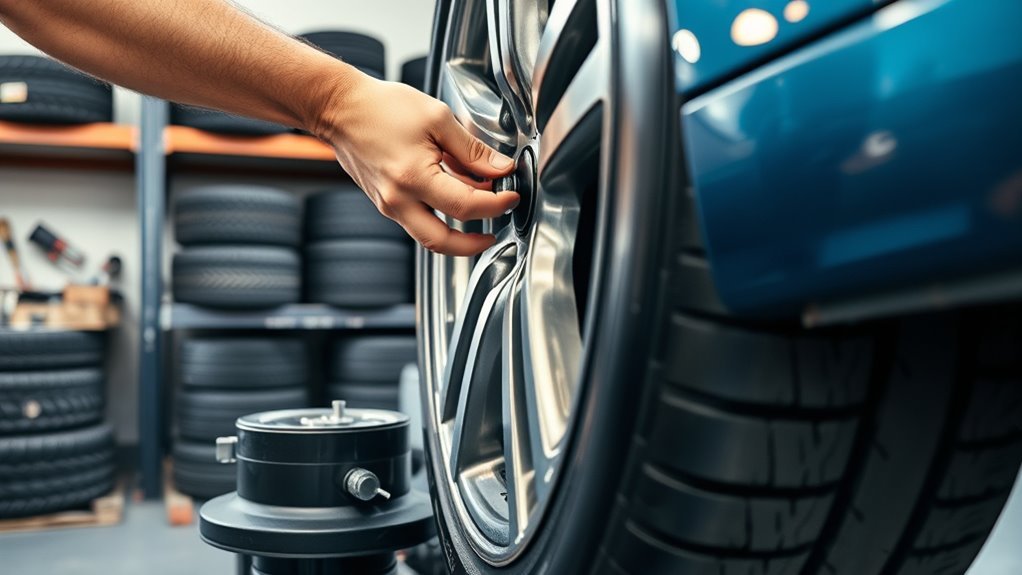
How to Balance Tires on a Car: Symptoms, Methods, Cost, and When It Is Needed
Tire balancing ensures even weight distribution around the tire and wheel. This process helps prevent vibrations and uneven tire wear. Proper balancing improves driving comfort and safety.
Common symptoms of unbalanced tires include vibrations in the steering wheel or seat. You may also notice uneven tire wear or the car pulling to one side. Reduced fuel efficiency can be another sign.
There are two main balancing methods: static and dynamic. Static balancing corrects weight imbalance in one plane. Dynamic balancing addresses imbalances in multiple planes.
Costs typically range from $15 to $50 per tire. Balancing is recommended during tire installation, rotation, or every 5,000 to 6,000 miles.
What Tire Balancing Is and Why It Matters
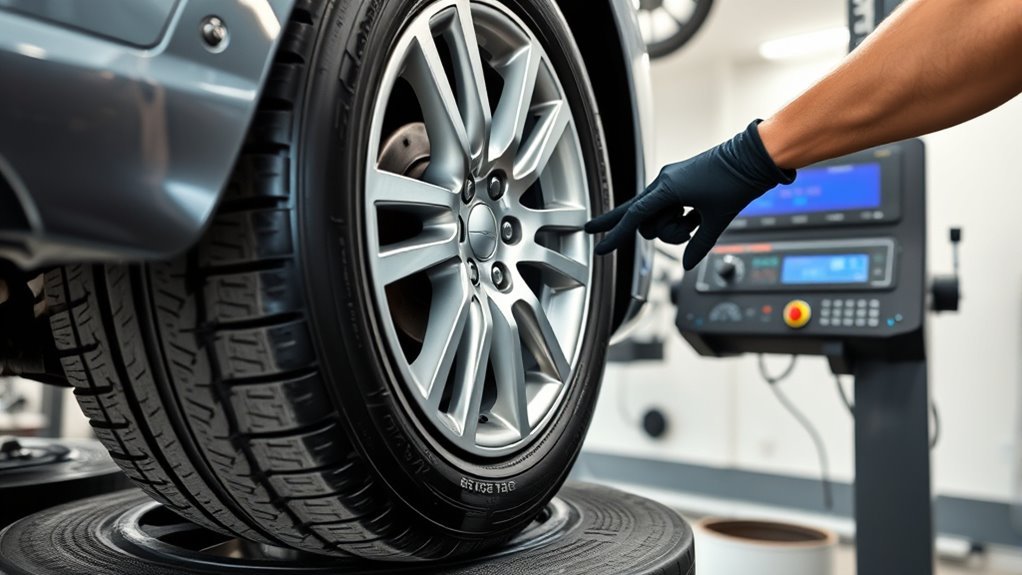
Tire balancing is the process of distributing weight evenly around a tire and wheel assembly. It ensures smooth wheel rotation at high speeds, preventing vibrations and uneven tire wear.
Uneven weight distribution causes vibrations and premature tire wear. Imbalances can result from manufacturing flaws, uneven tire wear, or added accessories on wheels. Technicians use balancing machines to detect weight differences and attach small counterweights to correct them.
Proper tire balancing reduces stress on suspension parts and improves vehicle handling. Balanced tires increase driving comfort and extend tire life. Neglecting tire balancing can lead to early tire damage and poor ride quality.
Key Points of Tire Balancing:
- Detects and corrects weight imbalances in tires and wheels
- Uses specialized machines to identify uneven weight distribution
- Applies counterweights to balance the assembly
- Prevents vibrations and uneven tire wear
- Protects suspension components and improves handling
- Extends tire lifespan and enhances driving comfort
Regular tire balancing is essential for vehicle safety and efficient operation.
Signs Your Tires Need Balancing
Tire imbalance causes specific symptoms that indicate the need for wheel balancing. Common signs include vibrations in the steering wheel or seat, uneven tire wear, pulling to one side, and reduced fuel efficiency. Identifying these symptoms early helps maintain vehicle safety and tire longevity.
A steering wheel vibration often occurs at higher speeds when front tires are unbalanced. If rear tires are affected, vibrations may be felt in the seat or floorboard. These sensations result from uneven weight distribution in the wheel assemblies.
Uneven or accelerated tire wear signals imbalance because the tires do not maintain consistent contact with the road. This uneven contact increases rolling resistance, which can lower fuel efficiency.
Pulling to one side while driving suggests uneven weight distribution in the wheels. The vehicle may drift or feel less stable, requiring more steering correction.
Summary of common signs your tires need balancing:
- Steering wheel vibration, especially above 50 mph
- Vibration in seat or floorboard (rear tire imbalance)
- Uneven or rapid tire wear patterns
- Vehicle pulling to one side on level roads
- Decreased fuel efficiency due to rolling resistance
Addressing tire imbalance promptly improves handling, reduces tire wear, and enhances driving comfort. Regular balancing ensures safer, smoother rides.
Common Methods for Tire Balancing
Static and dynamic balancing are the main methods used to balance tires. Static balancing corrects weight imbalance in a single plane to prevent vertical bouncing. Dynamic balancing addresses imbalances in multiple planes, reducing vibrations at higher speeds.
Static Balancing
Static balancing involves placing small weights on the wheel rim to counteract heavy spots. It balances the tire in one plane, typically preventing vertical movement. This method uses static balancers that detect heavy points when the wheel is stationary or slowly rotated.
Dynamic Balancing
Dynamic balancing measures imbalances across multiple planes while the wheel spins on a balancing machine. It detects both static and dynamic forces that cause vibrations during driving. The machine identifies where to place weights on the inner and outer rims, correcting complex imbalances.
Comparison of Static and Dynamic Balancing
| Feature | Static Balancing | Dynamic Balancing |
|---|---|---|
| Imbalance correction | Single plane (vertical) | Multiple planes (vertical and lateral) |
| Equipment | Static balancer | Dynamic balancer |
| Application | Simple wheel balancing | Modern vehicles, complex imbalances |
| Outcome | Prevents bouncing | Reduces vibrations at speed |
Both balancing methods use specialized equipment to locate imbalance points accurately. Proper balancing improves ride quality, extends tire life, and enhances vehicle handling. Static balancing suits simpler cases, while dynamic balancing offers higher precision for modern wheels.
Tire Balancing Costs and Price Factors
Tire balancing costs vary based on the type of balancing, vehicle model, and service provider. Prices typically range from $15 to $50 per tire. Additional factors, such as location and extra services, also affect the total cost.
Standard tire balancing involves either static or dynamic balancing. Static balancing corrects uneven weight distribution on a single plane, while dynamic balancing addresses imbalances on multiple planes. Dynamic balancing usually costs more due to the complexity.
Luxury and high-performance vehicles often require specialized equipment and labor, increasing the balancing cost. Some shops offer discounts when balancing all four tires, lowering the per-tire price.
Geographic location influences service prices. Urban areas and regions with higher living costs may charge more than rural locations. The reputation and quality of the service provider can also raise prices.
Additional services, such as valve stem replacement or tire inspection, add to the total cost. Customers should confirm which services are included or optional before agreeing to the balance.
Summary of tire balancing cost factors:
- Type of balancing (static vs. dynamic)
- Vehicle model (standard vs. luxury/performance)
- Service provider pricing and reputation
- Geographic location
- Additional services (valve stem, inspection)
Understanding these elements helps consumers estimate tire balancing expenses and choose the right service efficiently.
When to Get Your Tires Balanced
Tire balancing ensures smooth driving and prevents uneven tire wear. Balance tires when installing new tires, after repairs, during tire rotation, or if you feel vibrations in the steering wheel, floorboard, or seat. Regular balancing every 5,000 to 6,000 miles supports safety and tire longevity.
New tires need balancing to distribute weight evenly around the wheel. Repairs like patching or plugging can alter tire balance, making rebalancing necessary. Rotating tires shifts their positions, so balancing after rotation maintains even wear and ride quality.
Drivers may notice vibrations at certain speeds, signaling unbalanced tires. These vibrations often occur around 50 to 70 mph and affect steering or comfort. Ignoring these signs can cause uneven tread wear, reduce fuel efficiency, and stress suspension parts.
Follow manufacturer or mechanic advice for balancing intervals. Many recommend balancing with every tire rotation, typically every 5,000 to 6,000 miles. Keeping a regular schedule prevents problems and maintains vehicle stability.
Summary of when to balance tires:
- When installing new tires
- After tire repairs
- During tire rotation
- If vibrations occur while driving
- Every 5,000 to 6,000 miles as preventive maintenance
Frequently Asked Questions
Can Tire Balancing Affect Fuel Efficiency?
Can tire balancing affect fuel efficiency?
Yes, properly balanced tires improve fuel efficiency by reducing uneven wear and minimizing rolling resistance. Unbalanced tires cause vibrations that make the engine work harder, increasing fuel consumption. While not a miracle solution, tire balancing helps enhance fuel economy and vehicle performance over time.
How Long Does Tire Balancing Typically Take?
Tire balancing usually takes 15 to 30 minutes per tire. It involves removing the tire, mounting it on a balancing machine, and adding weights as needed for even rotation. The time varies based on equipment and the number of tires balanced but is generally quick and can be done during a standard service appointment.
Is Tire Balancing Necessary for All Vehicle Types?
Is tire balancing necessary for all vehicle types?
Tire balancing is essential for most vehicles, including cars, trucks, and SUVs, to ensure smooth driving and prevent uneven tire wear. Some specialized vehicles like motorcycles or certain off-road vehicles have different balancing needs. Overall, proper tire balancing enhances safety, handling, and tire lifespan for nearly all vehicle types.
Can I Balance Tires Myself at Home?
Can I balance tires myself at home?
Balancing tires at home is challenging without specialized equipment. Basic balancing may be possible for experienced enthusiasts with the right tools, but precise results typically require a dynamic balancer. DIY attempts without proper tools can cause uneven wear or vibrations, so professional service is recommended for most vehicle owners.
Does Tire Balancing Impact Tire Lifespan?
Does tire balancing impact tire lifespan?
Yes, tire balancing promotes even tread wear, reducing vibrations that cause uneven wear and premature tire replacement. Proper balancing also lessens stress on suspension parts and improves handling, extending tire life and lowering replacement costs. Regular tire balancing helps maintain optimal tire performance and durability.