
Should You Repair Your Car Before Trading It In? Repairs That Pay Off and Those That Do Not
Deciding whether to repair your car before trading it in depends on the type and cost of repairs. Some fixes can boost your car’s trade-in value, while others might not make a difference. It’s important to weigh repair expenses against potential increases in offers from dealers.
Major mechanical repairs and safety improvements usually lead to better trade-in deals. Minor cosmetic fixes or expensive upgrades often do not add significant value. Dealers often prefer handling complex repairs themselves, as they can do so more efficiently.
Your car’s age, condition, and market demand also affect whether repairs are worth it. Smart, cost-effective repairs can help you avoid lower trade-in offers.
Understanding which repairs impact trade-in value can guide you in making the best financial decisions.
Is Repairing Your Car Before Trade-In Worth It?

Repairing a car before trading it in depends on repair costs and how much the repairs increase the trade-in value. Minor repairs often do not raise offers enough to cover expenses. Major repairs affecting safety or drivability tend to increase trade-in value more significantly.
Minor cosmetic or small mechanical repairs usually have limited impact on trade-in price. Dealers often factor these costs into their offers. Spending money on such repairs may not result in a higher net return.
Major defects like engine issues, brake problems, or structural damage reduce a car’s appeal. Fixing these can improve safety and drivability, making the vehicle more attractive to dealers and potentially raising the offer.
Dealers sometimes buy damaged vehicles at a discount and handle repairs themselves. This means owners may get less money for a car with visible problems, but repair costs are avoided.
To decide, compare repair estimates with the expected increase in trade-in value. If repair costs exceed the added trade-in price, trading the car as-is is often more practical.
Summary table:
| Repair Type | Impact on Trade-In Value | Recommended Action |
|---|---|---|
| Minor cosmetic | Low impact | Usually skip repairs |
| Small mechanical | Low to moderate impact | Consider cost vs. value increase |
| Major safety/engine | High impact | Repair before trade-in if affordable |
| Structural damage | High impact | Repair recommended if cost-effective |
| Unknown or extensive | Variable | Get professional appraisal first |
Repairs That Boost Your Car’s Trade-In Value
Certain repairs can increase a car’s trade-in value by improving safety, reliability, and overall condition. Dealers and buyers look for vehicles that function well and require minimal immediate work. Prioritizing key mechanical and safety fixes helps secure better trade-in offers.
Key repairs boost trade-in value by enhancing safety, reliability, and overall vehicle condition.
1. Brake System Repairs
Replacing worn brake pads or fixing brake line leaks improves vehicle safety. A properly functioning brake system reassures buyers and dealers, often leading to higher trade-in values.
2. Engine and Transmission Fixes
Addressing major engine or transmission issues prevents sharp value drops. Repairing these components reduces concerns about costly repairs after purchase, maintaining better trade-in appeal.
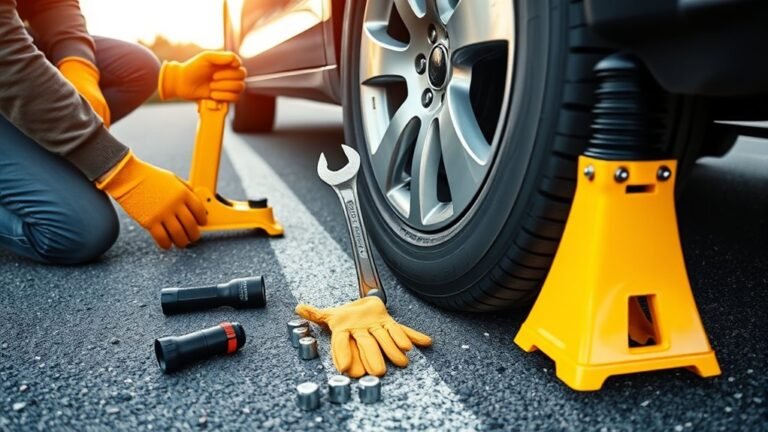
3. Tire Replacement
New or well-maintained tires enhance the car’s appearance and driving condition. Tires in good shape signal regular maintenance, which can increase trade-in offers.
Focusing on these repairs ensures the vehicle meets essential safety and performance standards that buyers and dealers prioritize during trade-in evaluations.
Repairs That Don’t Add Enough Trade-In Value
Certain cosmetic repairs, such as minor scratches or dents, often do not substantially increase a car’s trade-in value. Likewise, small mechanical fixes that don’t affect performance may not justify their cost. Non-essential interior upgrades typically add little to no value when trading in a vehicle.
Cosmetic Repairs With Minimal Impact
Minor cosmetic flaws usually do not increase a vehicle’s trade-in value significantly. Dealers focus more on mechanical condition and overall functionality than on small visual issues. Spending on cosmetic repairs often does not improve offers enough to cover the repair costs.
Dealers often note small dents and dings but rarely lower or raise offers based on them. Minor paint scratches generally do not justify expensive repainting unless the damage is widespread or severe. Interior wear such as light upholstery stains or small scuffs typically has minimal effect on value.
Examples of common cosmetic flaws and their trade-in impact:
- Small dents and dings: Usually recorded but seldom affect the trade-in price.
- Minor paint scratches: Do not warrant costly repairs unless extensive.
- Interior wear and tear: Light stains or scuffs rarely reduce offers.
Sellers should compare repair expenses with potential increases in trade-in value. Dealers usually factor minor cosmetic issues into their price or repair them after purchase. Cosmetic repairs with low return on investment may not be worthwhile.
Minor Mechanical Fixes
Minor mechanical repairs rarely increase a vehicle’s trade-in value enough to cover their cost. Dealers usually factor common maintenance items into their offers as part of reconditioning. Sellers should prioritize major repairs or accept lower offers instead of spending on minor fixes.
Small repairs like replacing windshield wipers, fixing minor exhaust leaks, or addressing squeaky brakes typically do not raise trade-in offers. Dealers expect these issues and include their repair cost in the vehicle’s resale price. These repairs do not significantly affect safety, reliability, or drivability.
When deciding on repairs before trade-in, consider these points:
- Minor repairs have low return on investment.
- Major mechanical problems impact trade-in value more.
- Dealers deduct minor repair costs from offers.
- Accepting a lower offer may be more cost-effective than fixing small issues.
Focusing on major mechanical fixes can improve the trade-in value more than minor repairs. Sellers can avoid unnecessary expenses by knowing which repairs influence dealer offers.
Non-Essential Interior Upgrades
Non-essential interior upgrades usually do not increase a vehicle’s trade-in value enough to cover their cost. Cosmetic changes like seat covers or audio system upgrades improve personal comfort but rarely affect dealership offers. Focus on repairs that improve safety, functionality, or exterior appearance to boost trade-in value.
Non-essential interior upgrades that typically do not raise trade-in offers include:
- Aftermarket stereo or speaker installations
- Custom seat covers or upholstery replacements
- Interior lighting changes or decorative accents
Dealerships assess trade-in vehicles based on mechanical condition and overall reliability. Interior aesthetics have limited impact on offers. Spending money on non-essential interior upgrades before a trade-in often does not increase the vehicle’s value.
How Minor Cosmetic Fixes Affect Your Car’s Trade-In Appeal
Minor cosmetic repairs can improve a vehicle’s trade-in appeal by creating a better first impression. Small fixes like paint touch-ups, dent repairs, or mirror replacements make the car look cleaner and more cared for. These changes help avoid lower offers based on visible damage but usually do not increase the trade-in price significantly.
Minor cosmetic repairs enhance a car’s appeal and prevent lower offers but rarely boost trade-in value significantly.
Dealers focus more on the mechanical condition and market demand when setting trade-in values. Cosmetic flaws can lead to negotiation for lower prices, but repairing them only adds value if done cost-effectively. Extensive cosmetic work rarely results in higher trade-in offers proportional to the expense.
Key points about minor cosmetic repairs and trade-in value:
- Impact: Improve appearance and reduce bargaining for damages.
- Value Addition: Minimal direct increase in trade-in price.
- Cost Efficiency: Repairs should be affordable and targeted.
- Dealer Focus: Mechanical condition and market trends weigh more.
- Risk: Overspending on cosmetics may not recover costs.
Car owners should weigh repair costs against potential trade-in benefits. Prioritize simple, inexpensive fixes that remove obvious flaws. Avoid costly cosmetic upgrades that do not boost the vehicle’s market value.
When Major Mechanical Repairs Increase Your Trade-In Offer
Major mechanical repairs can increase a car’s trade-in value by addressing issues that affect reliability and safety. Dealers prefer vehicles needing fewer immediate repairs, reducing their risk and upfront costs. Repairing key components often leads to higher trade-in offers.
Key repairs that raise trade-in value include:
- Engine and Transmission Overhauls: Restoring engine or transmission function improves vehicle performance and lifespan, making the car more valuable to dealers.
- Brake System Repairs: Fixing brakes ensures safety and lowers the dealer’s cost for reconditioning, which increases the car’s trade-in appeal.
- Suspension and Steering Fixes: Repairing suspension or steering systems improves drivability and reduces potential future maintenance for the dealer.
Why Some Repairs Are Best Left to the Dealer After Trade-In
Some repairs are better left to dealers after trade-in because dealers can perform them more efficiently and at lower cost. Dealers have specialized tools, certified technicians, and access to bulk discounts on parts. Complex and minor repairs often do not increase trade-in offers enough to justify seller expense.
Dealers use diagnostic equipment and manufacturer expertise to handle advanced repairs, such as electronic system issues, more cost-effectively. Attempting these repairs before trade-in usually does not increase the vehicle’s value proportionally.
Minor cosmetic repairs like paint touch-ups or small dents rarely boost trade-in offers significantly. Dealers include these fixes in their broader reconditioning process after acquiring the vehicle, reducing seller effort and expense.
Summary of repairs better left to dealers:
- Complex repairs requiring specialized tools or diagnostics
- Manufacturer-specific or electronic system fixes
- Minor cosmetic repairs with limited impact on trade-in value
- Repairs that dealers can perform using bulk parts discounts
Sellers benefit by avoiding upfront repair costs and letting dealers prepare the vehicle for resale or auction.
How Car Age and Condition Impact Repair Decisions
Car age and condition strongly influence whether repairing a vehicle before trade-in is worthwhile. Older cars with high mileage often have low trade-in values that do not justify costly repairs. Newer, well-maintained cars can benefit from minor fixes to improve their trade-in offers.
Repairing newer, well-maintained cars before trade-in often boosts value, unlike costly repairs on older, high-mileage vehicles.
Older vehicles lose value faster due to depreciation. The cost of repairs may exceed the increase in trade-in value. High-mileage cars often have mechanical wear that lowers buyer interest.
Repair severity matters. Cosmetic fixes or small mechanical repairs can make a car more attractive to dealers. Major engine or transmission problems usually do not add enough value to cover repair costs.
Market demand affects repair decisions. Cars in popular segments or with high reliability ratings tend to fetch better prices. Well-maintained models in these categories may benefit from repairs before trade-in.
Summary of key factors:
- Depreciation Rate
- Older cars depreciate quickly
- Repairs often do not return their cost
- Issue Severity
- Minor repairs can increase appeal
- Major repairs rarely pay off
- Market Demand
- Popular, reliable cars have higher trade-in values
- Repairs can boost value in these segments
Evaluating these elements helps car owners decide if pre-trade-in repairs are financially sound.
How Vehicle History and Inspection Reports Affect Trade-In Value
Vehicle history and inspection reports directly impact a car’s trade-in value by revealing its past and current condition. History reports show previous accidents, title status, ownership, and service records. Inspection reports assess mechanical and safety issues. Both help dealers set realistic trade-in offers.
Vehicle history reports provide essential details about a car’s background. Key elements include:
- Accident records and damage reports
- Title status (clean, salvage, rebuilt)
- Number of previous owners
- Service and maintenance history
A clean history report increases buyer confidence. It suggests the car has no major damage and has been well maintained. Conversely, a report showing accidents or title problems usually lowers trade-in value.
Inspection reports evaluate the vehicle’s present condition through a thorough check. They identify:
- Engine and transmission health
- Brake and tire condition
- Structural integrity
- Safety system performance
Dealers use inspection findings to estimate repair costs. If repairs are needed, trade-in offers decrease to cover those expenses.
Summary of how reports affect trade-in value:
| Report Type | Contents | Effect on Trade-In Value |
|---|---|---|
| Vehicle History | Accidents, title, owners, service | Clean report increases value; damage lowers value |
| Inspection | Mechanical, safety, wear | Good condition maintains value; defects reduce value |
Accurate and transparent reports help dealers and buyers agree on fair trade-in prices. They reduce uncertainty by providing clear facts about the vehicle’s past and present.
Getting Reliable Repair Estimates Before Trading In
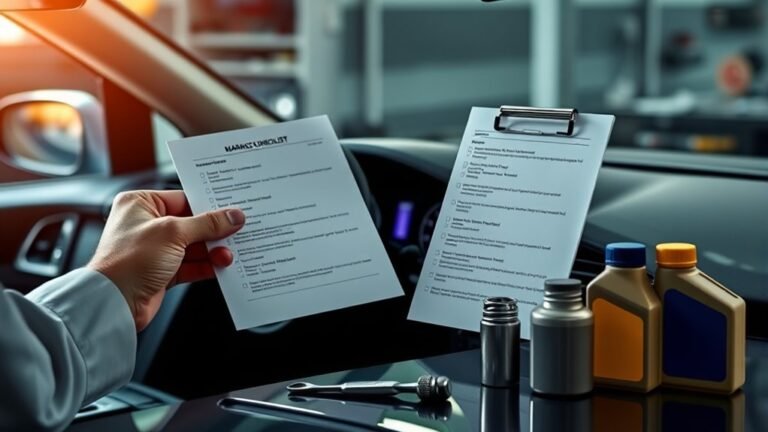
Reliable repair estimates clarify potential costs before trading in a vehicle. They help owners decide if repairs will increase the trade-in value enough to cover expenses. Getting accurate estimates requires comparing multiple offers and checking details on parts and labor.
Follow these steps to get trustworthy repair estimates:
- Visit several reputable repair shops to compare prices and services.
- Request written estimates that break down parts, labor, and any fees.
- Confirm whether the estimates include original manufacturer parts or quality aftermarket parts to avoid unexpected costs.
Accurate repair estimates enable informed decisions. Vehicle owners can weigh repair costs against potential increases in trade-in offers. This approach helps maximize trade-in value without overspending on repairs.
Negotiating Your Trade-In Value With or Without Repairs
Negotiating a trade-in value requires knowing how repairs affect the dealer’s offer. Dealers factor vehicle condition and repair costs when valuing trade-ins. Repairs can raise the offer, but some may not increase value enough to justify the cost. Sellers should compare offers with and without repairs before deciding.
Dealers assess trade-in value based on the car’s current condition and estimated repair expenses. Completed repairs often improve the vehicle’s appeal and can justify a higher trade-in price. However, cosmetic or minor repairs may not add enough value to cover their cost.
Sellers who delay repairs should disclose existing issues to avoid distrust or low offers. Transparency helps dealers make informed offers and can prevent surprises during inspection. Hiding problems often leads to lower trade-in values.
Obtaining multiple trade-in quotes is essential. Sellers can request quotes before and after completing repairs to see which approach yields a better offer. This comparison clarifies if repair costs will increase the trade-in value enough to be worthwhile.
Deciding to repair before trading in depends on repair costs versus potential trade-in value increase. Expensive repairs with little added value are better deferred. Repairs that significantly raise value or attract more competitive offers can improve negotiation outcomes.
Frequently Asked Questions
How Do Trade-In Values Differ Between Dealerships and Private Buyers?
How do trade-in values differ between dealerships and private buyers?
Dealerships offer convenience but usually provide lower trade-in values to cover resale costs. Private buyers often pay higher prices, valuing the vehicle more, but require more time and effort to complete the sale.
Can Financing Options Affect My Decision to Repair Before Trading In?
Financing options can impact whether you should repair your vehicle before trading it in. Attractive dealer financing or trade-in incentives may lessen the need for repairs. However, strict or unfavorable financing terms might make repairing first beneficial to boost trade-in value and lower loan amounts. Comparing financing conditions with repair costs helps identify the best financial decision.
What Documents Should I Bring When Trading in My Car?
When trading in a car, bring the vehicle title or payoff information if financed, current registration, valid ID, and all keys. Maintenance records, warranties, original purchase paperwork, and loan payoff documents can also help. These ensure a smooth transaction by verifying ownership, outstanding balances, and vehicle condition.
How Do Seasonal Market Trends Influence Trade-In Offers?
How do seasonal market trends influence trade-in offers?
Trade-in offers fluctuate with the seasons due to changing demand. In spring and summer, demand rises as buyers look for vehicles for travel and outdoor activities, increasing trade-in values. In winter, lower demand often leads to reduced offers. Timing your trade-in with these trends can help maximize your car’s value.
Are There Tax Benefits to Trading in Versus Selling Privately?
Are there tax benefits to trading in a vehicle versus selling it privately?
No, both trading in and selling privately may trigger capital gains tax if applicable. However, trading in can lower sales tax on a new car purchase in some states since the trade-in value reduces the taxable amount. Private sales do not offer this sales tax advantage.