How Much Does Brake Repair Cost? Pads, Rotors, Calipers, and Full Brake Jobs
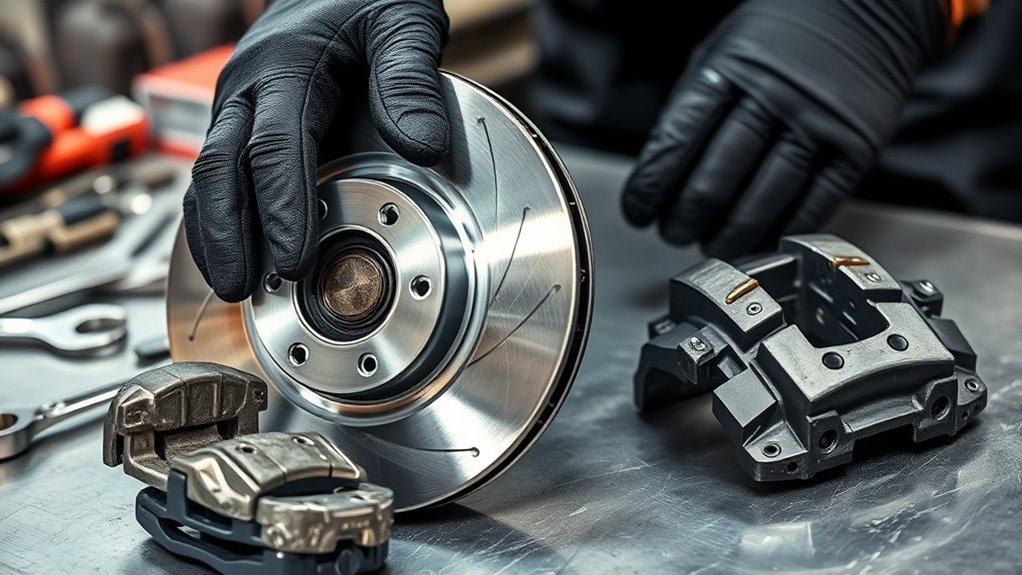
Brake repair costs depend on your vehicle type, parts needed, and labor rates. Common repairs include replacing brake pads, rotors, and calipers. Each part has different price ranges.
Replacing brake pads usually costs between $100 and $300 per axle.
Rotors can be resurfaced for $10 to $25 each or replaced for $30 to $75 each.
Caliper replacements are more expensive and needed if there are leaks or uneven wear.
A full brake job, which includes pads, rotors, calipers, and brake fluid, generally ranges from $300 to $800.
Knowing these costs helps you budget for repairs. Understanding what influences prices can make brake maintenance less stressful.
Why Brake Repair Costs Vary
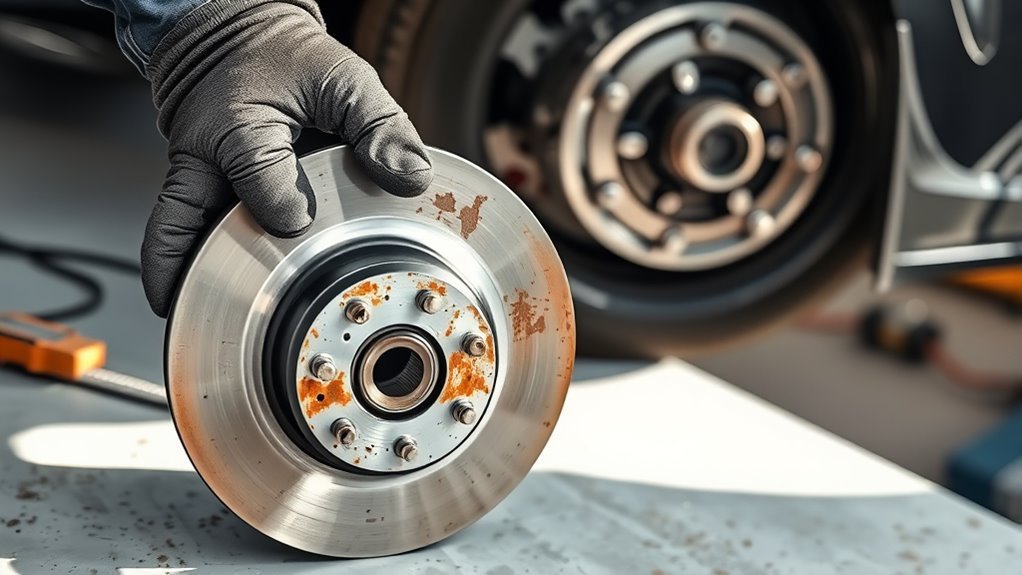
Brake repair costs vary due to factors like vehicle type, damage extent, parts quality, and labor rates. These elements influence the complexity, time, and materials needed for the repair, affecting the final price.
Brake repair costs depend on vehicle type, damage severity, parts quality, and labor rates, influencing overall price.
The type of vehicle affects repair costs because luxury or specialty cars often require expensive parts or more labor. The damage can range from worn brake pads to damaged rotors or calipers. Repairs involving more components take longer and cost more.
Parts quality impacts price differences. Aftermarket parts usually cost less but may wear faster. Original equipment manufacturer (OEM) parts cost more and offer better durability and performance.
Labor rates depend on location and shop expertise. Urban areas and dealerships often charge higher hourly rates than rural or independent shops. Some repairs need specialized tools or additional services like brake fluid replacement, which increase the total cost.
Summary of factors affecting brake repair costs:
- Vehicle type (standard, luxury, specialty)
- Extent of damage (pads only vs. rotors, calipers)
- Parts quality (aftermarket vs. OEM)
- Labor rates (location, provider expertise)
- Additional services (fluid replacement, tool requirements)
Understanding these factors helps estimate repair costs accurately and choose the right service without overspending.
How Vehicle Type Affects Brake Repair Prices
Brake repair prices can vary substantially based on the type of vehicle. Sedans typically incur lower costs compared to SUVs, while luxury vehicles often require more expensive parts and labor. Additionally, trucks may have unique brake systems that influence the overall repair expenses.
Sedan Vs. SUV Costs
Brake repair costs are generally higher for SUVs than sedans due to differences in size, weight, and brake system components. SUVs use larger, heavier parts and may require specialized tools, increasing parts and labor expenses. Sedans have smaller, more standardized brake parts that cost less to replace.
SUV brake systems feature bigger rotors and pads designed to handle heavier vehicle weight. These components cost more and take longer to install. Some SUVs need special procedures because of their suspension and braking setups, which adds labor time.
Sedans typically use smaller brake rotors and pads that are widely available. The parts are less expensive, and repairs are quicker. Manufacturers often design sedan brake systems for easier maintenance.
Summary of brake repair cost factors:
- SUVs
- Larger, heavier brake rotors and pads
- Higher parts cost
- Specialized tools or procedures needed
- Longer labor time
- Sedans
- Smaller, standardized brake parts
- Lower parts cost
- Common repair methods
- Shorter labor time
Vehicle model and brand affect exact prices. Overall, SUVs incur higher brake repair costs due to their size and brake system complexity.
Luxury Vehicle Expenses
Luxury vehicles have higher brake repair costs due to specialized parts, advanced systems, and skilled labor requirements. These factors make repairs more expensive compared to standard cars.
Luxury vehicles often use brake components made from premium materials like carbon-ceramic rotors and performance brake pads. These parts improve performance but increase replacement costs significantly.
Advanced braking systems in luxury models include integrated sensors and electronic controls. Diagnosing and repairing these systems requires complex tools and technical expertise.
Labor rates at dealerships or specialty shops for luxury brands are typically higher. Technicians need specialized training and proprietary equipment to service these vehicles.
Original equipment manufacturer (OEM) parts for luxury vehicles cost more than aftermarket alternatives. Using OEM parts ensures compatibility and reliability but raises the total repair bill.
Summary of factors affecting luxury vehicle brake repair costs:
- Premium materials (carbon-ceramic rotors, performance pads)
- Advanced electronic braking systems with sensors
- Higher labor rates at specialized shops
- Costlier OEM parts compared to aftermarket options
These elements combine to make brake repairs on luxury vehicles more expensive than repairs on standard sedans or SUVs.
Truck Brake Price Differences
Truck brake repair costs depend on the vehicle’s size, weight, braking system, and use. Larger or heavier trucks need stronger brake parts, increasing repair expenses. Trucks for towing or heavy hauling require durable brakes, which raises costs. Specialized brakes, like air systems, also affect prices. Brand and model influence part availability and cost.
Key factors that affect truck brake repair prices include:
- Truck size and weight
- Braking system type (hydraulic or air brakes)
- Intended use (commercial, towing, off-road)
- Cost and availability of parts
- Labor complexity based on brake component access
Larger trucks need heavy-duty brake components. These parts cost more and take longer to replace. Trucks used for towing or hauling heavy loads have braking systems designed to handle extra stress. This design leads to higher repair costs.
Air brake systems differ from hydraulic brakes. Air brakes use compressed air and specialized parts, which can be expensive to fix. Trucks with dual-caliper setups or other special brake designs may face higher labor and parts costs.
Truck brand and model affect repair prices. Some brands have easier access to parts and lower costs. Others require imported or rare parts, increasing expenses and wait times.
Understanding truck size, brake type, use, parts availability, and labor helps estimate brake repair costs accurately. Use these factors to prepare for varying repair expenses.
Brake Pad Replacement Costs: What to Expect
Brake pad replacement typically costs between $100 and $300 per axle. Prices vary based on vehicle type, brake pad material, and labor rates. Replacing worn brake pads promptly maintains braking efficiency and prevents further damage.
Brake pad types affect cost. Economy or semi-metallic pads are less expensive. Ceramic and high-performance pads cost more due to better durability and noise reduction. Specialized pads for certain vehicles can increase prices further.
Labor charges depend on the repair shop’s location and hourly rate. Shops in urban areas often charge more than those in rural areas. Most brake pad replacements take one to two hours to complete, making it a quick service.
Summary of factors influencing brake pad replacement cost:
- Pad material: Economy, semi-metallic, ceramic, high-performance
- Vehicle make/model: Standard vs. specialized pads
- Labor rates: Vary by location and shop
- Time required: Typically 1–2 hours per axle
Regularly monitoring brake pad wear helps avoid costly repairs such as rotor damage or brake system failure. Replacing pads on time ensures safe and efficient braking performance.
Rotor Resurfacing vs. Replacement Costs
Rotor resurfacing costs between $10 and $25 per rotor. This process machines the rotor surface to remove imperfections. Replacement costs range from $30 to $75 per rotor, depending on vehicle type and rotor quality. Resurfacing is usually more economical if the rotor meets thickness and condition requirements. Replacement is necessary when rotors are too thin or damaged.
Rotor resurfacing involves machining the rotor to smooth out grooves, warping, or minor damage. This option saves money and extends rotor life if the rotor thickness stays above the manufacturer’s minimum limit. Resurfacing requires less labor and parts cost compared to replacement.
Rotor replacement installs new rotors and is required when resurfacing is unsafe. Rotors must meet minimum thickness standards to maintain braking performance and safety. Cracks, deep grooves, or warping beyond repair also call for replacement. Replacement parts and labor generally cost more than resurfacing.
Key factors influencing resurfacing vs. replacement:
- Manufacturer’s minimum rotor thickness
- Rotor condition: grooves, cracks, warping
- Labor costs for machining vs. installation
- Vehicle and rotor brand affecting part price
- Long-term rotor durability and brake performance
Choosing resurfacing saves money when rotors are within safe limits and require minor surface work. Replacement ensures safety and reliability when rotors are worn or damaged beyond resurfacing limits.
When You Need New Brake Calipers and Why
Brake calipers wear out over time and need replacement to maintain safe braking. Signs include uneven brake pad wear, vehicle pulling to one side, brake fluid leaks, or a soft brake pedal. Replacing faulty calipers prevents further damage and ensures consistent braking performance.
Brake calipers press the brake pads against the rotors to stop the vehicle. Wear, corrosion, or mechanical failure can reduce caliper function. Corroded pistons or damaged seals cause leaks and poor brake pressure. Seized calipers keep pads engaged, causing overheating and faster pad or rotor wear.
Brake calipers ensure effective braking; wear or corrosion can lead to leaks, poor pressure, and overheating.
Common signs that indicate caliper replacement include:
- Uneven brake pad wear
- Vehicle pulling to one side during braking
- Brake fluid leaks near the caliper
- Spongy or soft brake pedal feel
Seized or sticking calipers cause brakes to drag. This leads to overheating, increased pad wear, and rotor damage. Replacing the calipers restores smooth brake operation and prevents costly repairs.
Professional inspection is recommended if any symptoms appear. A mechanic can check caliper pistons, seals, and mounting hardware to determine if replacement is necessary. Timely caliper replacement improves brake safety and protects other brake components.
What’s Included in a Full Brake Job and Its Cost
A full brake job is a comprehensive service that restores the entire braking system to proper working condition. It addresses all critical brake components to ensure safety and reliable performance.
A full brake job typically includes:
- Replacing brake pads to restore friction material
- Resurfacing or replacing rotors to ensure a smooth braking surface
- Installing new calipers when the old ones are worn or damaged
- Flushing and replacing brake fluid to maintain hydraulic function
- Inspecting and servicing brake lines and hardware for leaks or wear
The cost of a full brake job varies based on vehicle type, part quality, and labor rates. It generally falls between $300 and $800. Labor charges can significantly affect the total price depending on the complexity of the job and local shop rates.
Performing a full brake job improves braking efficiency and extends the life of brake parts. Regular maintenance helps avoid brake failure and keeps the vehicle safe on the road.
Signs Your Brakes Need Repair Before Costs Increase
Early detection of brake wear can prevent costly repairs and guarantee vehicle safety. Common warning signs include unusual noises, reduced responsiveness, and vibrations during braking. Recognizing these symptoms promptly helps address brake issues before they escalate into failure.
Warning Signs of Brake Wear
Brake wear produces clear warning signs that indicate when repairs are necessary. Identifying these signs early helps maintain vehicle safety and prevents costly damage to the braking system.
Common brake wear indicators include:
- Squeaking or squealing noises when braking. These sounds usually mean brake pads have worn down and need replacement.
- Increased stopping distance. Longer stopping distances suggest that the brakes are less effective and may require servicing.
- Vibrations or pulsations felt in the brake pedal. Warped rotors often cause these vibrations during braking.
- Brake warning light on the dashboard. This light signals a problem in the brake system that needs attention.
- Visible thinning of brake pads during inspection. Thin pads indicate that wear is close to the minimum safe level.
Addressing these signs promptly prevents further damage such as rotor warping or caliper failure. Regular brake inspections help ensure consistent braking performance and vehicle safety.
Symptoms of Brake Failure
Brake failure signs help drivers identify urgent problems before accidents occur. Key symptoms include unusual noises, changes in pedal feel, warning lights, uneven braking, and vibrations. Recognizing these signs early can prevent complete brake failure and costly repairs.
Common brake failure symptoms:
| Symptom | What It Indicates |
|---|---|
| Squealing or Grinding | Worn brake pads or damaged rotors |
| Soft or Spongy Pedal | Air in brake lines or brake fluid leak |
| Brake Warning Light | Brake system malfunction or low brake fluid level |
| Pulling to One Side | Uneven brake force or stuck brake caliper |
| Vibration When Braking | Warped brake rotors causing uneven contact |
Unusual noises like squealing or grinding often signal brake pad wear or rotor damage. Drivers should not ignore these sounds, as they reduce braking effectiveness.
A soft or spongy brake pedal usually means air has entered the brake lines or there is a fluid leak. This condition decreases braking power and requires prompt inspection.
The brake warning light on the dashboard activates when the system detects malfunctions or low brake fluid. This alert demands immediate attention to avoid brake failure.
Pulling to one side during braking suggests uneven brake pressure or a stuck caliper. This issue compromises vehicle control and needs repair.
Vibrations felt in the brake pedal or steering wheel while braking often result from warped rotors. Warped rotors cause uneven brake pad contact and reduce stopping ability.
Early detection of these symptoms improves vehicle safety and lowers repair costs by preventing total brake system failure.
DIY vs. Professional Brake Repair: Cost Comparison
DIY brake repair can reduce upfront costs by eliminating labor fees, but professional brake services offer more thorough, reliable results. Professionals provide diagnostics, warranties, and can detect hidden issues that DIY repairs might miss. The choice depends on balancing initial savings against safety and long-term expenses.
DIY brake repair requires buying parts and tools, which can add to expenses. Professionals include labor costs in their fees but use specialized equipment and expertise. Improper DIY installation risks brake failure, while professionals ensure correct repairs and safety compliance.
DIY brake repairs incur parts and tool costs; professionals ensure safety with expert installation and specialized equipment.
Cost comparison highlights:
- DIY: Pay for parts and tools only, no labor fees
- Professional: Fees cover diagnostics, labor, and warranty
- DIY risks improper installation and missed issues
- Professionals identify additional problems early
- DIY takes more time; professionals offer faster turnaround
Choosing between DIY and professional repair depends on skill level, safety priorities, and potential future costs from brake failure or poor repair quality. Professional service reduces risk and may save money over time despite higher upfront cost.
How to Budget for Unexpected Brake Repairs
Budgeting for unexpected brake repairs involves setting aside an emergency fund to cover sudden costs. Regular maintenance can help minimize the likelihood of costly repairs by identifying issues early. Additionally, understanding typical repair expenses allows for more accurate financial planning.
Emergency Fund Importance
An emergency fund helps vehicle owners handle unexpected brake repairs without financial strain. Brake issues can occur suddenly and require costly fixes. Having a dedicated fund ensures timely repairs and maintains vehicle safety.
Unexpected brake repairs often involve replacing brake pads, rotors, or calipers. These parts wear out or fail over time, and repairs can be expensive. An emergency fund covers these costs without disrupting monthly budgets.
Brake system failures demand quick action to avoid accidents. An emergency fund enables immediate response, preventing delays that could compromise safety on the road.
Using credit cards or loans for urgent repairs can lead to high-interest debt. An emergency fund reduces reliance on credit and lowers financial risk during vehicle emergencies.
Key reasons to maintain an emergency fund for brake repairs:
- Pay for sudden brake pad or rotor replacements
- Cover unexpected caliper repairs or replacements
- Avoid high-interest credit for urgent fixes
- Ensure timely response to brake failures
- Maintain peace of mind during mechanical emergencies
Regular Maintenance Benefits
Regular maintenance helps control unexpected brake repair costs by detecting issues early and preventing minor wear from causing major damage. Routine brake inspections and servicing extend component life and reduce the chance of sudden failures that lead to costly emergency repairs.
Routine brake inspections identify worn pads, low fluid levels, and rotor damage before these problems worsen. Early detection allows timely replacement or repair, which costs less than fixing severe brake system failures.
Replacing brake pads regularly prevents metal-on-metal contact that damages rotors. Checking brake fluid ensures proper hydraulic pressure and reduces corrosion risks. Inspecting rotors helps maintain smooth braking and avoids uneven wear that requires rotor resurfacing or replacement.
Regular brake maintenance offers these cost management benefits:
- Early problem detection lowers repair expenses
- Scheduled servicing extends brake component lifespan
- Prevents emergency brake failures and towing costs
- Enables budgeting for brake-related expenses
Consistent upkeep promotes safer driving by maintaining brake performance. It also gives vehicle owners control over repair timing and cost, reducing financial strain caused by unexpected breakdowns.
Cost Estimation Tips
Cost estimation for brake repairs helps vehicle owners manage expenses and avoid financial strain. Accurate budgeting requires knowing the factors that affect repair costs and preparing for possible variations. Understanding these elements improves planning and reduces surprises during maintenance.
Repair costs depend on the vehicle’s make and model, damage severity, and local labor rates. Owners should collect multiple quotes from trusted mechanics to compare prices. Maintaining a contingency fund earmarked for brake repairs provides financial readiness for unexpected issues.
Key cost estimation tips include:
- Research average parts and labor costs in your area.
- Review your vehicle’s maintenance history to identify likely wear.
- Compare prices from dealerships and independent shops.
- Include potential emergency repair fees and taxes.
- Set aside extra funds for unforeseen problems or additional parts.
Tips to Lower Brake Repair Costs Without Sacrificing Safety
Brake repair costs can be lowered by following practical steps that keep your vehicle safe. Regular inspections, using quality aftermarket parts, obtaining multiple repair quotes, and practicing smooth driving help reduce expenses and extend brake component life.
Regular maintenance prevents small issues from becoming expensive repairs. Schedule brake inspections every 10,000 miles to catch problems early. Qualified mechanics can spot wear or damage before it leads to failure, saving money and ensuring safety.
Quality aftermarket parts offer a lower-cost alternative to original equipment manufacturer (OEM) components. Certified non-OEM parts meet safety standards and provide reliable performance at a reduced price. Choosing these parts lowers repair bills without sacrificing safety or durability.
Obtaining estimates from several repair shops helps identify competitive pricing. Comparing quotes ensures you pay a fair price for brake service. Shop around to avoid overpaying and to find reputable mechanics who deliver quality work.
Driving habits impact brake wear. Avoiding harsh braking reduces strain on brake pads and rotors. Smooth, gradual stops extend the lifespan of brake components and decrease the frequency of repairs.
| Tip | Description | Benefit |
|---|---|---|
| Regular Inspections | Schedule brake checks every 10,000 miles | Detects problems early to avoid costly repairs |
| Quality Aftermarket Parts | Use certified non-OEM brake components | Reduces parts cost with maintained safety |
| Multiple Quotes | Obtain estimates from several repair shops | Ensures fair and competitive pricing |
| Smooth Driving Habits | Avoid sudden or harsh braking | Prolongs brake component life and reduces replacements |
Frequently Asked Questions
How Often Should Brake Fluid Be Replaced?
How often should brake fluid be replaced?
Brake fluid should be replaced every two years or as recommended by the vehicle manufacturer.
Why is replacing brake fluid important?
Brake fluid absorbs moisture over time, which reduces its effectiveness and can cause brake system corrosion.
What are the risks of not changing brake fluid regularly?
Neglecting brake fluid replacement can lead to decreased braking performance, costly repairs, and compromised vehicle safety.
Can Bad Brake Pads Damage Other Car Parts?
Bad brake pads can damage other car parts. Worn pads cause metal-on-metal contact, damaging rotors and leading to grooves or uneven wear. This may require rotor replacement, increasing repair costs. Excessive heat from worn pads can also harm calipers and brake fluid, causing leaks or reduced braking efficiency. Replacing brake pads promptly prevents further damage.
What Are the Risks of Ignoring Brake Squeaking?
Ignoring brake squeaking can worsen damage to pads and rotors, reducing braking efficiency. It often indicates wear or contamination, causing uneven pad wear or rotor scoring. This increases stopping distances and compromises safety. Neglecting the issue may lead to more expensive repairs, including full part replacements.
How Long Do Brake Repairs Usually Take?
Brake repairs usually take 1 to 3 hours. Simple pad replacements take about an hour, while rotor resurfacing or replacement can take longer. Extensive repairs, like caliper or full brake system work, may take several hours. Repair time varies based on vehicle type and shop workload.
Are Aftermarket Brake Parts Reliable?
Are aftermarket brake parts reliable?
Yes, about 70% of vehicles in the U.S. use aftermarket brake parts, showing widespread acceptance. They can be reliable if purchased from reputable manufacturers who meet industry standards.
Do aftermarket brake parts match OEM quality?
Some aftermarket brake parts offer performance comparable to OEM, but quality varies widely. It’s important to check certifications and reviews.
Are there safety concerns with aftermarket brake parts?
Yes, lower-quality aftermarket parts may compromise safety or durability, so careful selection and professional installation are crucial.