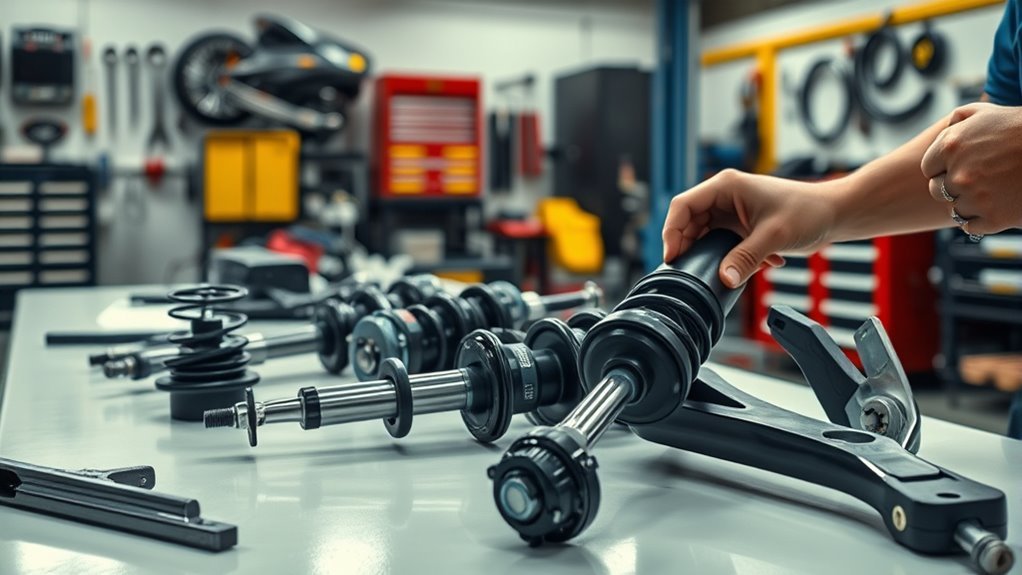
How Much Does Car Suspension Repair Cost? Shocks, Struts, Control Arms, and Labor
Car suspension repair costs can vary widely. The total expense depends on the parts that need replacement and the labor involved. Knowing the typical price range helps you prepare for the repair.
Replacing shocks or struts usually costs between $200 and $800 per axle.
Control arm replacements tend to be more expensive, ranging from $300 to $1,200. These parts play a key role in your vehicle’s stability and comfort.
Labor rates also impact the total cost. Mechanics typically charge between $75 and $150 per hour.
The location, vehicle type, and complexity of the repair influence these rates. Luxury and heavy-duty vehicles often come with higher repair costs.
Understanding these factors can help you manage your suspension repair expenses better.
How Much Do Suspension Repairs Usually Cost?
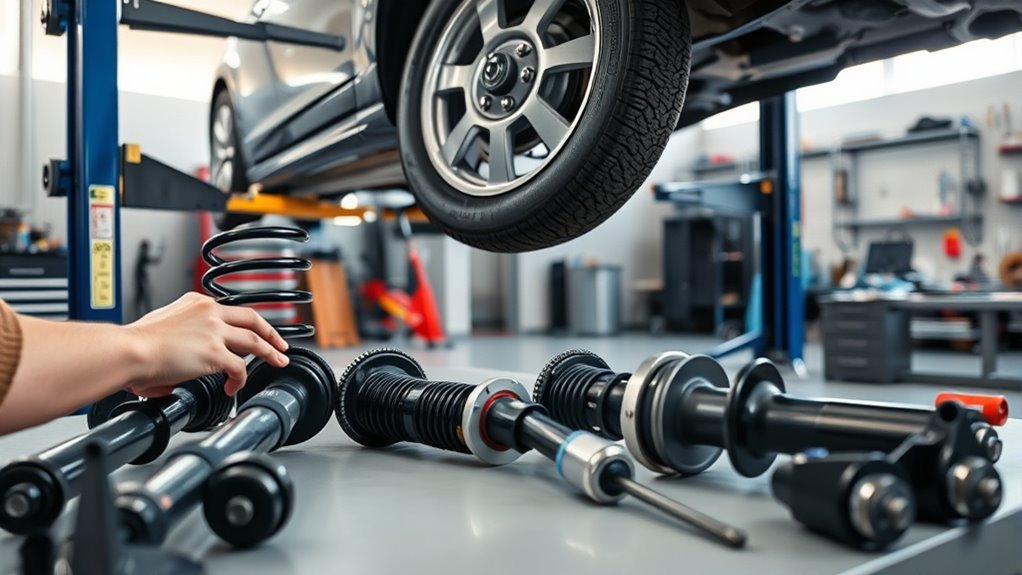
Suspension repair costs depend on the vehicle model and damage severity. Typical prices range from a few hundred to over a thousand dollars. Common repairs include shocks, struts, and control arms, with labor rates varying by location and shop.
Shocks or struts replacement usually costs between $200 and $800 per axle. This price includes both parts and labor. The exact cost depends on the vehicle type and part quality.
Control arm repairs tend to be pricier, ranging from $300 to $1,200. The higher cost reflects the complexity of parts and the time required for labor.
Labor rates typically range from $75 to $150 per hour. Rates vary by geographic region and the repair shop’s pricing.
Additional expenses may occur if multiple suspension components need replacement. Wheel alignment after suspension work often adds to the total cost.
Summary table of common suspension repair costs:
| Suspension Repair Type | Cost Range (Parts + Labor) |
|---|---|
| Shocks or Struts | $200 – $800 per axle |
| Control Arm Repairs | $300 – $1,200 |
| Labor Rates | $75 – $150 per hour |
| Wheel Alignment | $75 – $150 (optional post-repair) |
To budget accurately, get specific estimates based on your vehicle make, model, and repair needs.
What Is Car Suspension and Why It Matters for Suspension Repairs
The car suspension system supports the vehicle’s weight, absorbs shocks, and maintains tire contact with the road. Proper suspension function guarantees stability, comfort, and safety while driving. Understanding its role highlights why timely repairs are essential to prevent further damage and costly issues.
Suspension System Functions
A car maintains stability and comfort on uneven roads through its suspension system. The suspension absorbs shocks, keeps tires in contact with the road, and supports the vehicle’s weight. These functions ensure smooth rides and stable handling during steering.
The suspension system performs several critical functions:
- Shock Absorption: The suspension reduces the impact from bumps and road irregularities. This prevents harsh forces from reaching the vehicle and passengers.
- Load Support: It distributes the vehicle’s weight across all wheels. Balanced load support helps maintain ride height and prevents excessive stress on any one part.
- Traction Control: The system keeps tires firmly on the road surface. Constant tire contact improves grip and vehicle control.
- Stability Enhancement: Suspension components improve handling and cornering. They help the vehicle respond predictably to driver inputs.
| Function | Description |
|---|---|
| Shock Absorption | Reduces impact from uneven road surfaces |
| Load Support | Distributes vehicle weight evenly |
| Traction Control | Maintains tire contact with the road |
| Stability Enhancement | Enhances handling and cornering abilities |
Understanding these functions highlights how suspension parts like springs, shock absorbers, and control arms contribute to vehicle safety and ride quality.
Importance Of Suspension Repairs
Maintaining a car’s suspension system is crucial for vehicle safety and performance. The suspension keeps tires in contact with the road, ensuring stable handling, effective braking, and a comfortable ride.
The suspension system includes shocks, struts, control arms, and other components. These parts absorb road impacts and maintain vehicle balance. Proper repairs prevent uneven tire wear and alignment problems that affect steering and safety.
Neglected suspension issues can cause:
- Uneven tire wear
- Poor vehicle alignment
- Reduced braking efficiency
- Increased accident risk
- Excessive vibration and noise
Suspension repairs restore stability and comfort while protecting related components from damage. Timely maintenance extends the lifespan of the suspension system and improves overall driving safety.
Understanding suspension maintenance helps drivers keep their vehicles safe, responsive, and comfortable under various driving conditions.
Signs Your Suspension Needs Repair Before Costs Rise
Suspension problems cause unusual noises, uneven tire wear, and rough rides. Identifying these signs early helps avoid costly repairs and ensures safe, smooth driving. Watch for bouncing, pulling, or visible damage to suspension parts as key indicators of needed maintenance.
Suspension issues often show as:
- Uneven tire wear caused by misaligned or worn suspension parts.
- Excessive bouncing due to faulty shocks or struts.
- Pulling to one side from worn control arms or bushings.
- Clunking noises indicating loose or damaged suspension components.
| Sign | Possible Cause |
|---|---|
| Uneven tire wear | Misaligned or worn suspension |
| Excessive bouncing | Faulty shocks or struts |
| Pulling to one side | Worn control arms or bushings |
| Clunking noises | Loose or damaged suspension parts |
Regularly inspecting suspension parts and responding to these signs maintains vehicle stability and safety. Early repairs reduce the risk of further mechanical damage and higher costs.
Typical Costs for Shocks, Struts, and Control Arms
Shocks, struts, and control arms are essential suspension components that affect vehicle handling and ride comfort. Repair or replacement costs vary by part type, vehicle model, and quality. Typical prices help owners plan repair budgets accurately.
Shocks absorb impacts from the road and cost $50 to $150 each. Struts combine shock absorption with structural support and range from $100 to $200 each. Control arms connect the suspension to the frame and usually cost $100 to $350 each.
Parts for luxury or high-performance vehicles typically cost more. Original Equipment Manufacturer (OEM) parts often carry higher prices than aftermarket alternatives.
Typical price ranges:
- Shocks: $50 to $150 each
- Struts: $100 to $200 each
- Control arms: $100 to $350 each
Factors affecting cost:
- Vehicle make and model
- Part brand and quality (OEM vs. aftermarket)
- Labor charges for installation (not included in parts prices)
Understanding these price ranges helps vehicle owners budget for necessary suspension repairs or replacements.
Labor Costs for Suspension Repairs: What to Expect
Labor costs for suspension repairs typically vary based on average hourly rates charged by repair shops. Several factors influence these costs, including the complexity of the repair and the location of the service center. Understanding these variables helps in anticipating the overall expense of suspension work.
Average Hourly Labor Rates
Average hourly labor rates for suspension repairs typically range from $75 to $150. Rates depend on location, repair complexity, and shop type. Independent mechanics often charge less than dealerships or specialty shops. Urban areas tend to have higher rates due to increased operating costs.
Suspension repair labor rates vary by shop type:
- Independent shops usually charge between $75 and $100 per hour.
- Dealerships and specialty shops often set rates from $100 to $150 per hour.
Geographic location influences labor costs significantly:
- Urban centers have higher labor rates because of rent, wages, and taxes.
- Rural areas generally offer lower hourly rates.
The complexity of suspension repairs affects total labor costs. More extensive repairs require additional hours, increasing the overall price.
Local market demand and competition also impact labor rates. High demand or limited mechanics in an area can push rates upward, while competitive markets may lower them.
Understanding these factors helps vehicle owners estimate repair expenses more accurately.
Factors Influencing Labor Costs
Labor costs for suspension repairs depend on several key factors beyond the base hourly rate. These include the repair’s complexity, the vehicle’s make and model, and the technician’s skill level. Location and shop type also influence labor charges, with dealerships often charging more than independent shops.
The complexity of the repair affects labor hours. Suspension systems that are intricate or use advanced technology take longer to fix. Luxury and newer vehicles often have more complex components, increasing labor time.
Technician expertise impacts the hourly rate. Highly skilled technicians may charge higher rates because they can handle difficult repairs more efficiently and accurately.
Geographic location plays a role in pricing. Urban areas usually have higher labor costs due to increased overhead and demand for services.
Shop type influences labor rates. Dealerships generally charge more than independent repair shops. They often have higher operating costs and specialized training for brand-specific repairs.
The scope of the repair determines the total labor hours needed. Larger, more extensive repairs require more time, increasing overall labor costs.
| Factor | Impact on Labor Costs |
|---|---|
| Vehicle Complexity | More complex systems increase labor time |
| Technician Skill | Higher skill levels may increase hourly rates |
| Location | Urban areas tend to have higher labor costs |
| Shop Type | Dealerships usually charge more than independents |
| Repair Scope | Extensive repairs require additional labor hours |
How Vehicle Type Affects Suspension Repair Costs
Suspension repair costs depend heavily on the vehicle type. Different vehicles use different suspension systems, parts, and labor, which directly affect the price of repairs.
Luxury vehicles require specialized parts and expert labor. These components often cost more and take longer to install. Trucks and SUVs use heavier-duty suspension parts. These parts are larger and more expensive to replace than those in smaller vehicles. Compact cars have simpler suspension systems. Their repairs usually cost less due to easier access and lower parts prices. Imported vehicles may need parts that are harder to find. This scarcity increases repair costs.
Key factors that influence suspension repair costs include:
- Suspension design complexity
- Parts availability
- Labor time based on vehicle type
- Cost difference between OEM and aftermarket parts
- Vehicle weight and usage affecting part wear
Knowing these factors helps owners estimate suspension repair expenses for their specific vehicle.
Money-Saving Tips for Suspension Repairs Without Sacrificing Quality
Reducing suspension repair costs requires focusing on quality to avoid frequent replacements and extra expenses. Using reputable aftermarket parts can lower costs while maintaining performance. Comparing multiple shop quotes and scheduling repairs during discounts also helps save money. Regular maintenance prevents major damage and costly labor fees.
Choosing aftermarket parts instead of original equipment manufacturer (OEM) components can cut costs without sacrificing durability. Aftermarket parts often meet or exceed OEM standards and cost less. Always verify the parts’ brand reputation and warranty before purchase.
Scheduling repairs during promotional periods or seeking multiple quotes improves affordability. Many repair shops offer discounts during off-peak seasons or holidays. Getting several estimates helps identify competitive pricing and prevents overpaying.
Regular maintenance reduces the risk of extensive suspension damage. Timely inspections and fixing minor issues early avoid costly repairs. Follow manufacturer-recommended service intervals and watch for signs like uneven tire wear or unusual noises.
Replacing suspension components in pairs, such as shocks or struts, prevents uneven wear and future problems. Paired replacement balances vehicle stability and extends the lifespan of parts. This approach often saves money by reducing the need for repeated repairs.
Independent mechanics usually charge lower labor rates than dealerships. Many independent shops deliver quality workmanship with comparable expertise. Choosing certified mechanics ensures safety and durability without higher dealership prices.
Summary of cost-saving strategies for suspension repairs:
- Use reputable aftermarket parts with warranties
- Schedule repairs during discounts or off-peak times
- Get multiple repair quotes for competitive pricing
- Maintain regular inspections and early repairs
- Replace suspension parts in pairs to avoid uneven wear
- Choose certified independent mechanics over dealerships
Applying these methods ensures durable, safe suspension repairs while controlling expenses effectively.
Frequently Asked Questions
How Long Do Suspension Repairs Typically Take to Complete?
Suspension repairs usually take between 1 to 6 hours. Minor repairs like replacing shocks or struts take 1 to 3 hours, while more extensive repairs involving control arms or multiple components can take 3 to 6 hours or more. The exact time depends on the vehicle’s complexity and the mechanic’s experience.
Can I Drive My Car Safely With a Damaged Suspension?
Driving with a damaged suspension is unsafe. It affects vehicle stability, handling, and braking, increasing accident risk. Have it inspected and repaired promptly to ensure safe driving and avoid further damage.
Are Aftermarket Suspension Parts as Reliable as OEM Parts?
Are aftermarket suspension parts as reliable as OEM parts?
Yes, some aftermarket suspension parts can be as reliable as OEM parts, but quality varies widely among manufacturers.
Do aftermarket suspension parts meet OEM standards?
Many aftermarket parts meet or exceed OEM standards, though some may compromise durability or fit.
How can I ensure the reliability of aftermarket suspension parts?
Research brands, read reviews, check warranties, and ensure professional installation for best reliability.
Are aftermarket suspension parts a cost-effective option?
Yes, reputable aftermarket parts can offer a cost-effective alternative without sacrificing performance or safety.
Does Suspension Repair Affect My Vehicle’s Warranty?
Suspension repairs can affect your vehicle’s warranty if non-approved parts or improper installation are used. Manufacturers usually require OEM parts and certified technicians to keep the warranty valid. Unauthorized repairs or modifications may void warranty coverage on related components. Always check your warranty terms and use authorized service centers to protect your warranty rights.
How Often Should I Have My Suspension Inspected?
Suspension should be inspected every 12,000 to 15,000 miles or at least once a year. Check it after driving on rough terrain or if you notice unusual handling. Regular inspections prevent damage, ensure safety, and extend suspension life. Always follow the vehicle manufacturer’s maintenance schedule for specific guidance.