How Much Does Car Heater Repair Cost? Thermostat, Heater Core, Blower, and Coolant Issues
Car heater repair costs depend on the part that needs fixing. Common issues include thermostat failures, heater core problems, blower motor faults, and coolant system troubles. Each component has different repair prices.
Thermostat repairs usually cost between $150 and $300.
Heater core repairs are more expensive, ranging from $300 to over $1,000 depending on the damage.
Replacing the blower motor typically costs $150 to $400.
Coolant system problems require maintenance to avoid overheating and heater failure.
Labor charges and the type of vehicle also affect the total repair cost.
Knowing the symptoms and repair options can help you manage expenses. Early diagnosis can prevent bigger, costlier problems later.
How To Tell If Your Car Heater Needs Repair?
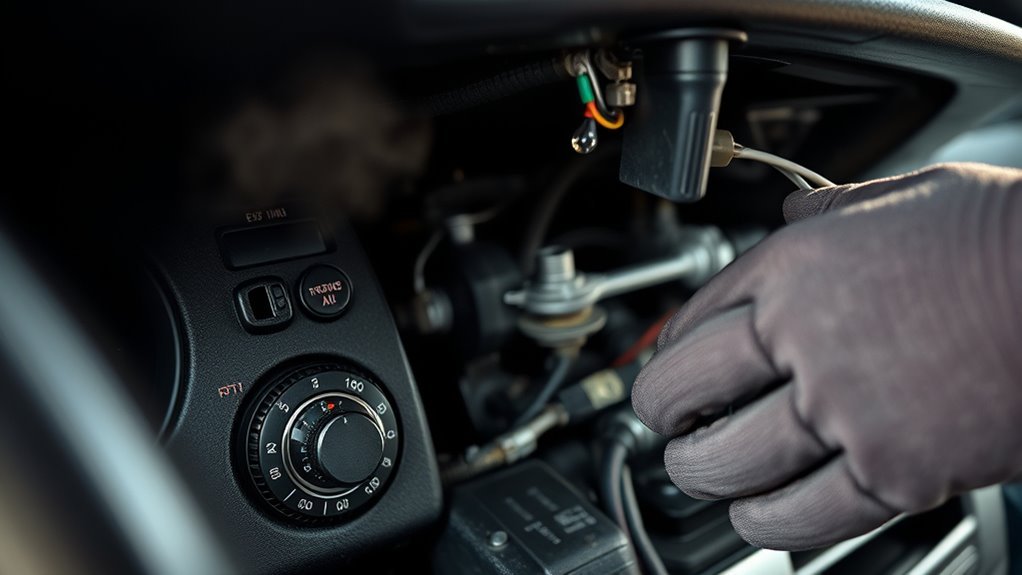
A car heater needs repair if it fails to produce enough heat, emits unusual smells, causes moisture inside the cabin, makes strange noises, or works inconsistently. These signs indicate problems in components like the heater core, thermostat, or blower motor and require prompt attention to maintain comfort and prevent damage.
Car heater issues like insufficient heat, odd smells, moisture, noises, or inconsistency signal needed repairs for comfort and safety.
Common signs your car heater needs repair include:
- Insufficient Heat Output: When the heater is on but the cabin remains cold, the heater core may be clogged, the thermostat could be stuck, or coolant levels might be low.
- Unusual Odors: A sweet smell inside the car often signals a coolant leak in the heater core, which can lead to further damage if ignored.
- Moisture or Fog Inside the Vehicle: Excess fog or dampness on windows suggests a leak in the heating system or a faulty heater core allowing coolant to enter the cabin.
- Strange Noises: Clicking, blowing, or rattling sounds from the blower motor can indicate mechanical wear or electrical issues requiring repair.
- Inconsistent Temperature Control: If the heater works sporadically or temperature settings do not respond properly, problems with the thermostat or control system are likely.
Early detection of these symptoms helps avoid costly repairs and ensures the heating system operates efficiently during cold weather. Regular maintenance and inspection of coolant levels and heater components can prevent many heater problems.
Car Heater Faulty Thermostat Repair Costs
A faulty thermostat in a car heater system disrupts coolant flow, causing poor cabin heating or engine overheating. Repair or replacement restores proper temperature control. Costs usually range from $150 to $300, depending on vehicle type and labor charges.
The thermostat controls engine temperature by regulating coolant circulation. When it fails, the engine may run too hot or too cold, reducing heater efficiency and risking engine damage.
Repair costs break down as follows:
- Parts: $20 to $60
- Labor: $100 to $250
Labor varies by vehicle because some thermostats are easier to access. Complicated replacements take more time, increasing labor fees.
Ignoring a faulty thermostat can cause engine overheating or coolant system issues. Early repair prevents costly engine damage and maintains heater performance.
Summary of thermostat repair costs and factors:
| Cost Element | Typical Range | Notes |
|---|---|---|
| Parts | $20 – $60 | Thermostat unit price |
| Labor | $100 – $250 | Dependent on vehicle and access |
| Total Repair | $150 – $300 | Includes parts and labor |
Prompt diagnosis and repair keep the car heater working well and protect engine health.
Heater Core Problems And Repair Costs
A heater core transfers heat from engine coolant to warm the vehicle cabin. Common problems include clogging, corrosion, and leaks. Repair costs range from $300 to $1,000, depending on the vehicle and labor. Severe damage often requires full replacement, while minor issues may be fixed with flushing or partial repair.
The heater core acts like a small radiator inside the dashboard. Hot coolant flows through it, and blower air passes over the core to heat the cabin. When the heater core malfunctions, the cabin may not warm properly. Drivers might notice coolant leaks, reduced heat, or a sweet antifreeze smell inside the vehicle.
Common heater core issues include:
- Clogging: Dirt or debris blocks coolant flow, reducing heat transfer.
- Corrosion: Rust and chemical reactions damage the core’s metal tubes.
- Leaks: Cracks or holes allow coolant to escape into the cabin or under the vehicle.
Repairing or replacing the heater core is labor-intensive because it is located behind the dashboard. Mechanics often remove part or all of the dashboard to access it. Labor costs vary widely depending on the vehicle’s design and the mechanic’s rates.
Cost overview for heater core repair:
| Repair Type | Typical Cost Range | Notes |
|---|---|---|
| Flushing/Minor Repair | $100 – $300 | Removes blockage, fixes small leaks |
| Heater Core Replacement | $300 – $1,000+ | Includes parts and labor; varies by vehicle |
Flushing the heater core can resolve clogging issues when damage is minimal. Minor leaks may be repaired without full replacement. However, most cases of corrosion or large leaks require a complete heater core replacement to restore proper heating function.
Car Heater Blower Motor Issues And Repair Costs
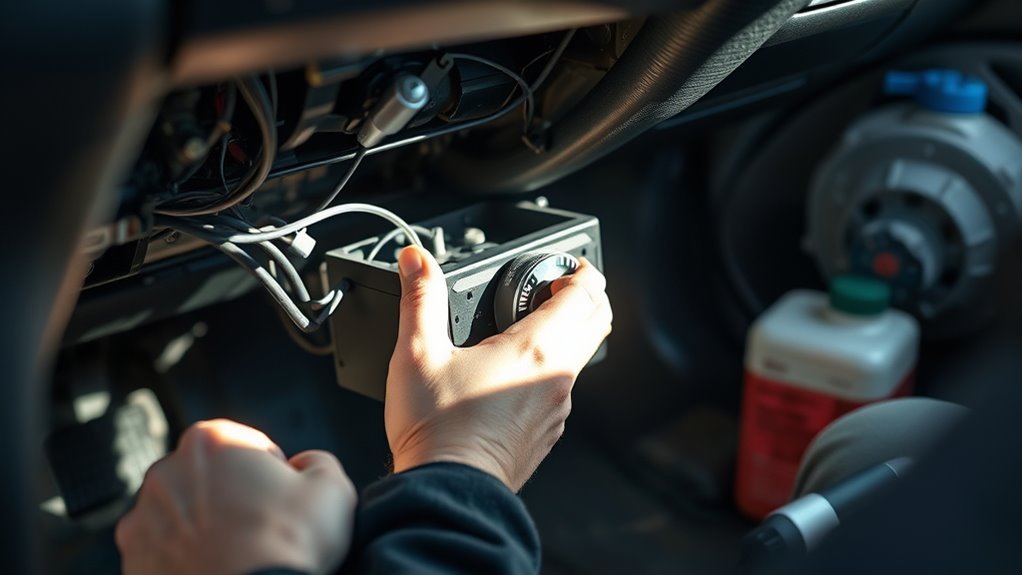
A blower motor moves warm air from the heater core into the vehicle cabin. When the blower motor fails, airflow decreases or stops, reducing the heater’s ability to warm the interior. Symptoms include strange noises, uneven air speeds, or no air movement at all.
Common causes of blower motor problems include:
- Electrical issues like blown fuses or damaged wiring
- Worn motor bearings causing noise and lower output
- Faulty blower motor resistor that disrupts speed control
Repair costs depend on the vehicle and the damage. Replacing a blower motor usually costs between $150 and $400, including parts and labor. Electrical diagnostics can increase the total expense but are necessary to fix the problem and restore heater function.
Low Coolant And Heater Performance: What To Know
Coolant levels play a critical role in a car heater’s ability to produce warm air. When coolant is low, the heater may blow cold air or operate inconsistently. Recognizing symptoms of low coolant can help prevent further damage and costly repairs.
Coolant Levels Impact
Coolant level directly affects a vehicle’s heating system by enabling heat transfer from the engine to the cabin. When coolant drops below required levels, the heater cannot produce enough warmth. Maintaining proper coolant ensures consistent heater performance and protects the engine from damage.
Coolant circulates through the engine and heater core, absorbing engine heat and delivering it to the vehicle’s interior. Low coolant reduces this heat transfer, causing colder air to blow from the vents. The heating system depends on sufficient coolant flow to function correctly.
Insufficient coolant also risks engine overheating. Overheated engines can further impair the heater core’s ability to warm the cabin. Low coolant may signal leaks or faults in the cooling system that need professional diagnosis.
Key impacts of low coolant levels include:
- Reduced heat transfer, resulting in cooler air from the heater vents
- Potential engine overheating, worsening heater performance
- Possible coolant leaks or system problems requiring inspection
Regularly checking and maintaining proper coolant levels helps avoid heating failures and costly engine repairs. Understanding coolant’s role in heat circulation supports timely vehicle maintenance.
Symptoms Of Low Coolant
Low coolant levels cause several clear symptoms indicating problems with the vehicle’s heating and cooling systems. Common signs include weak cabin heat, high engine temperature readings, visible leaks, and engine overheating warnings. Early detection helps avoid serious engine damage and costly repairs.
Low coolant reduces heat transfer through the heater core, often resulting in insufficient warmth inside the cabin. The heater blower may work normally, but the air feels cold because hot coolant is not circulating properly.
The engine temperature gauge may rise above normal levels due to inadequate cooling. Drivers might see overheating warnings or notice steam rising from under the hood, both signs of coolant shortage.
Visible coolant leaks often appear as puddles beneath the vehicle. These leaks confirm low fluid levels and require immediate attention to prevent engine overheating.
Symptoms of low coolant include:
- Weak or no cabin heat despite blower operation
- Engine temperature gauge showing high readings
- Overheating warning lights on the dashboard
- Steam or vapor from under the hood
- Coolant puddles under the vehicle
Recognizing these symptoms early prevents damage to the thermostat, heater core, water pump, and other cooling system parts. Regular coolant level checks and timely refills maintain engine performance and safety.
Labor Costs For Car Heater Repairs
Labor costs can make up a large part of the total price for car heater repairs. These costs depend on the repair’s difficulty and the mechanic’s hourly rate. Repairs involving heater cores or blower motors usually take more labor time due to their location and the need to remove other parts.
Labor costs significantly impact car heater repair prices, especially for complex parts like heater cores and blower motors.
Factors that affect labor costs include:
- Accessibility of heater components, which influences repair time
- Technician skill level and shop labor rates
- Time spent diagnosing the exact problem
Knowing these factors helps car owners plan repair budgets and avoid surprise charges when fixing heater issues.
Simple DIY Fixes Vs. When To Call A Pro
Some car heater issues can be resolved with straightforward DIY fixes, such as checking the thermostat or topping off coolant levels. However, persistent problems like unusual noises or a complete lack of heat often indicate the need for professional diagnosis. Recognizing these signs helps determine when to attempt repairs independently and when to seek expert assistance.
Easy DIY Repairs
Car heater problems can often be fixed at home using basic tools and limited experience. Simple repairs usually involve tasks that do not affect safety or damage the heating system. Common DIY fixes include:
- Replacing a clogged cabin air filter to improve airflow and heater efficiency
- Refilling or topping off coolant levels to prevent overheating and maintain heat output
- Resetting heater controls or changing blown fuses to restore heater operation
These repairs require basic mechanical knowledge and inexpensive tools. Complex issues like heater core replacement or thermostat failure need professional skills and equipment. Attempting advanced repairs without experience can cause further damage or safety hazards. Knowing when to seek professional help is essential.
Signs To Call Professionals
A car heater problem that basic troubleshooting cannot fix usually requires professional help. Issues like persistent leaks, strange noises, or inconsistent heating need tools and experience beyond simple DIY methods. Attempting complex repairs without knowledge may worsen the problem or affect vehicle safety.
Professional intervention becomes necessary when symptoms go beyond basic checks. Understanding when to call a mechanic can prevent costly repairs and ensure safe operation.
Comparison: DIY Fixes vs. Professional Repairs
| Symptom | Possible DIY Fix | Professional Repair Needed |
|---|---|---|
| Mild temperature drop | Check and top off coolant | Thermostat or heater core repair |
| Strange odors or leaks | Replace cabin air filter | Heater core replacement |
| No heat or blower noise | Reset fuses or relays | Electrical system diagnostics |
When to Call a Professional
- Persistent leaks: If coolant leaks continue after replacing filters or topping off fluids, a heater core may need repair.
- Unusual noises: Sounds from the heater system often indicate mechanical issues requiring inspection.
- Inconsistent heating: Fluctuating cabin temperature suggests thermostat failure or heater core blockage.
- No heat or blower activity: Electrical faults like blown fuses or faulty relays may be fixed DIY, but deeper wiring or control module problems need expert diagnostics.
Recognizing these signs helps vehicle owners decide when to seek expert help, avoiding further damage and costly repairs.
Tips To Prevent Future Car Heater Problems
Proper maintenance and timely inspections prevent car heater problems by keeping key components functional. Regular care ensures the thermostat, heater core, blower motor, and coolant system work efficiently. Following preventive steps helps avoid costly repairs and maintains heating system performance.
Regular coolant system flushes remove debris and prevent corrosion that can block the heater core. Flushing typically involves draining old coolant, cleaning the system, and refilling with fresh coolant according to the manufacturer’s schedule.
Worn belts and hoses can cause leaks, disrupting coolant flow and heater operation. Inspect belts and hoses for cracks, stiffness, or wear. Replace any damaged parts promptly to maintain proper coolant circulation.
Running the heater occasionally in warmer months keeps circulation active and prevents parts like the blower motor from seizing. This practice maintains fluid movement and ensures the system remains responsive when needed.
Summary of preventive measures:
- Flush coolant system regularly to clear debris and avoid corrosion.
- Inspect belts and hoses for damage; replace worn parts promptly.
- Operate the heater periodically throughout the year to maintain circulation.
Following these steps helps maintain heater efficiency, increases vehicle comfort, and reduces repair costs by extending the lifespan of heating system components.
When Is It Time To Replace Your Car Heater?
A car heater should be replaced when it consistently fails to provide adequate heat despite repairs or when repair costs approach or exceed replacement expenses. Persistent issues like a malfunctioning heater core, thermostat, or blower motor signal the need for replacement to maintain comfort and safety.
Repeated heater repairs that do not restore proper heating indicate deeper system problems. Key signs include coolant leaks, foul odors, and intermittent heat output. These symptoms often point to failures within the heater core or related components.
Persistent heater issues like coolant leaks and foul odors signal deeper system failures needing attention.
Repair costs should be compared to the heater’s value and the vehicle’s overall condition. If repair expenses are high and heating performance remains poor, replacement is more cost-effective and reliable than ongoing fixes.
Evaluating heater function after multiple repairs helps decide if replacement is necessary. When the heater cannot maintain cabin warmth consistently, installing a new system guarantees improved reliability and comfort.
When to replace your car heater:
- Heater fails to produce enough heat despite repairs
- Repair costs near or exceed replacement costs
- Persistent coolant leaks or foul smells inside the cabin
- Faulty heater core, thermostat, or blower motor
- Intermittent or inconsistent heating performance
Replacing the heater under these conditions ensures safety, comfort, and cost efficiency over repeated repairs.
Frequently Asked Questions
Can a Faulty Car Heater Affect Engine Performance?
Can a faulty car heater affect engine performance?
Yes, a faulty car heater can indirectly affect engine performance. Problems with the heater core or thermostat can disrupt the engine’s cooling system, leading to overheating or poor temperature regulation. This can reduce engine efficiency and potentially cause damage if not repaired.
How Does Climate Affect Car Heater Lifespan?
How does climate affect a car heater’s lifespan?
Climate significantly impacts a car heater’s lifespan. In cold regions, frequent use and freezing temperatures can cause wear and damage. In hot, humid climates, moisture and corrosion may degrade heater components. Therefore, climate influences maintenance needs and durability, making heater lifespan variable by environment.
Are Aftermarket Heater Parts Reliable?
Are aftermarket heater parts reliable?
Yes, aftermarket heater parts can be reliable if purchased from reputable manufacturers and suppliers.
Do aftermarket heater parts match OEM quality?
Some aftermarket parts match or exceed OEM standards, while others may lack durability or performance.
How can I ensure the reliability of aftermarket heater parts?
Researching reviews and choosing trusted brands helps ensure quality and reliability.
Does installation affect the performance of aftermarket heater parts?
Yes, proper installation by a skilled technician is crucial for optimal performance and reliability.
Are aftermarket heater parts a cost-effective option?
Yes, they offer a more affordable alternative to OEM parts but require careful selection for long-term use.
Does Car Heater Repair Impact Vehicle Resale Value?
Does repairing a car heater affect resale value?
Yes, repairing a car heater can positively impact resale value. A functioning heater improves comfort and makes the vehicle more attractive to buyers. Unresolved heater problems may indicate poor maintenance, lowering the vehicle’s perceived value. While not the only factor, a properly working heater helps achieve a better resale price.
Can Car Heater Issues Cause Electrical Problems?
Can car heater issues cause electrical problems?
Yes, faulty heater components like the blower motor or resistor can cause electrical shorts or excessive current draw, damaging wiring or fuses. Leaks from a malfunctioning heater core may also cause corrosion or short circuits in nearby electrical systems. Timely diagnosis and repair are essential to prevent these issues.