How to Check Car Tire Pressure Correctly: Cold-Tire Steps and TPMS Tips
To check car tire pressure correctly, always measure when the tires are cold. Driving heats the tires and inflates the pressure, giving inaccurate readings. Checking cold tires ensures you get the true pressure value.
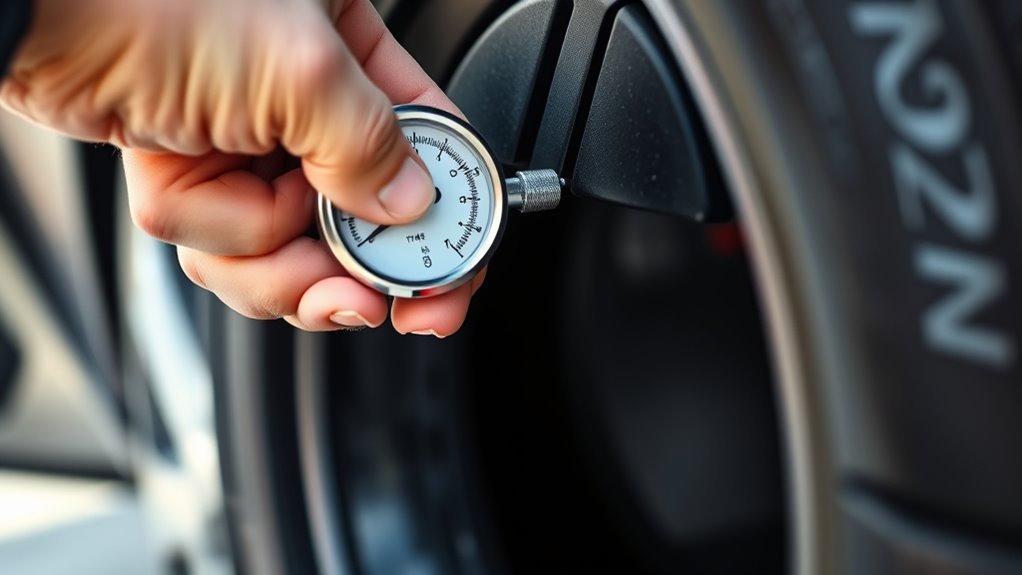
Use a reliable tire pressure gauge for the best results. Remove the valve cap and press the gauge firmly onto the valve stem. This prevents air leaks and helps you get an accurate reading every time.
Check tire pressure regularly, including the spare tire. After adjusting pressure, reset the Tire Pressure Monitoring System (TPMS).
Always confirm TPMS readings with manual checks. This routine prevents errors and keeps your tires in good condition.
Why You Should Check Tire Pressure When Tires Are Cold
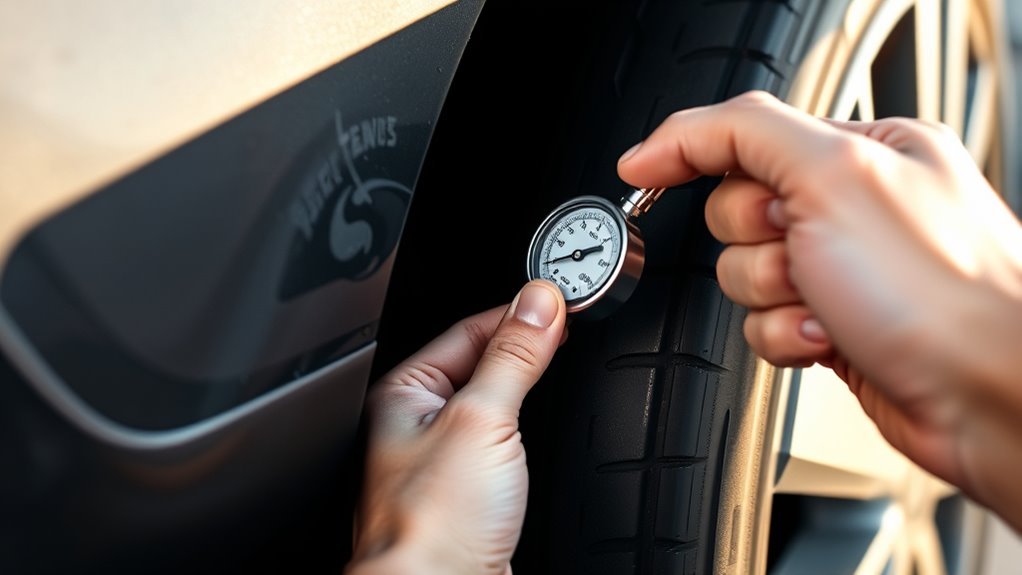
Tire pressure should be checked when tires are cold because heat from driving raises the pressure, causing inaccurate readings. Cold tires provide a true measurement that matches manufacturer recommendations.
Check tire pressure when tires are cold to ensure accurate readings and match manufacturer guidelines.
Tire pressure increases about 1 to 2 psi for every 10°F rise in temperature. After driving, the heat inside tires inflates them beyond their normal level. Checking pressure immediately after driving can lead to releasing too much air, which results in underinflated tires once they cool.
Manufacturers specify tire pressure based on cold tires. Measuring when tires are cold gives a stable baseline for proper inflation. Correct pressure improves tire performance, handling, and fuel efficiency while extending tire life.
Regular checks on cold tires prevent uneven wear and reduce the risk of blowouts. Maintaining recommended pressure ensures consistent tire condition and safer driving.
Summary:
- Tire pressure rises 1–2 psi per 10°F increase.
- Warm tires give inflated pressure readings.
- Cold tire checks match manufacturer specs.
- Accurate pressure improves safety and efficiency.
- Regular cold checks prevent wear and blowouts.
How to Measure Tire Pressure Correctly
Measuring tire pressure correctly ensures accurate readings that help maintain vehicle safety and performance. Use a reliable tire pressure gauge and check tires when they are cold for best results.
Use a quality tire pressure gauge, either digital or analog, for precise measurements. Remove the valve cap from the tire stem. Press the gauge firmly onto the valve stem to avoid air leaks. Hold it steady until the reading stabilizes. Record the pressure and replace the valve cap securely.
Check all tires, including the spare, to maintain balanced pressure. Measure pressure when tires are cold—meaning the vehicle has been parked for at least three hours or driven less than one mile at low speed. Avoid measuring after driving or when tires feel hot, as heat increases pressure and skews results.
Summary of steps to measure tire pressure:
- Use a reliable tire pressure gauge (digital or analog).
- Remove the valve cap.
- Press gauge firmly on valve stem to prevent leaks.
- Hold gauge until reading stabilizes.
- Record pressure.
- Replace valve cap.
- Repeat for all tires, including the spare.
- Measure when tires are cold for accurate readings.
Consistent, careful tire pressure checks help maintain optimal tire life, fuel efficiency, and vehicle safety.
How to Use Your Car’s TPMS to Monitor Tire Pressure
A car’s Tire Pressure Monitoring System (TPMS) helps maintain proper tire pressure by continuously measuring each tire’s pressure and alerting the driver if it falls below the recommended level. This system reduces the need for manual checks and helps prevent unsafe driving conditions caused by underinflated tires.
TPMS works by using sensors inside each tire to monitor air pressure in real time. Most vehicles show tire pressure data on the dashboard, making it easy for drivers to spot low-pressure tires quickly. Some systems use warning lights to notify drivers about pressure issues, prompting immediate action.
To use TPMS effectively:
- Learn your vehicle’s specific alert signals and dashboard indicators.
- Check your tire pressure readings regularly through the display.
- Reset the TPMS system after inflating tires or rotating them, following the vehicle’s instructions.
Although TPMS improves safety and convenience, it may not detect slow leaks or sensor faults. Drivers should verify tire pressure with a manual gauge occasionally to ensure accuracy and maintain optimal tire performance.
Common Tire Pressure Mistakes That Affect Accuracy
Common errors in checking tire pressure cause inaccurate readings. Measuring pressure when tires are warm, using unreliable gauges, and improper gauge placement are frequent issues. Neglecting some tires or inconsistent timing also affects accuracy. Avoiding these mistakes ensures correct tire pressure assessments.
Measuring tire pressure right after driving causes high readings. Heat expands the air inside tires, increasing pressure temporarily. Always check pressure when tires are cold, ideally before driving or after the vehicle has been parked for at least three hours.
Using an uncalibrated or faulty pressure gauge leads to errors. Some drivers rely only on the vehicle’s Tire Pressure Monitoring System (TPMS), which may not provide exact pressure values. Use a reliable, calibrated gauge and verify TPMS readings manually.
Improper gauge placement or not removing the valve cap can cause air leaks during measurement. Always remove the valve cap fully and press the gauge firmly and straight onto the valve stem to prevent air loss and ensure an accurate reading.
Failing to check all tires, including the spare tire, risks overlooking underinflation. Underinflated tires reduce safety and fuel efficiency. Inspect all four tires and the spare regularly.
Inconsistent timing of pressure checks yields unreliable results. Checking tire pressure infrequently or in varying conditions can mask pressure problems. Establish a routine schedule to measure tire pressure, preferably monthly and before long trips.
Tips for Maintaining Proper Tire Pressure Regularly
Maintaining proper tire pressure ensures vehicle safety, fuel efficiency, and longer tire life. Regular checks prevent underinflation or overinflation, which can cause uneven wear or accidents. Tire pressure should be checked monthly and before long trips using accurate tools and correct methods.
Check tire pressure when tires are cold, ideally after the vehicle has been parked for at least three hours. Cold tires provide accurate readings because heat from driving increases pressure temporarily. Use a reliable tire pressure gauge to measure the pressure precisely.
Follow the vehicle manufacturer’s recommended tire pressure, usually found on a sticker inside the driver’s door or in the owner’s manual. Avoid guessing pressure by tire appearance, as inflated tires can look normal but be incorrect.
Rotate tires according to the manufacturer’s schedule, often every 5,000 to 8,000 miles. Tire rotation promotes even tread wear and helps maintain consistent pressure across all tires.
Inspect tires visually for cuts, punctures, or embedded objects regularly. Damage can cause slow leaks that reduce pressure over time. Fix any damage promptly to prevent further issues.
Respond immediately to Tire Pressure Monitoring System (TPMS) warnings. The TPMS alerts drivers to pressure problems that may not be visible. Ignoring these warnings risks tire damage or unsafe driving conditions.
Summary of key steps to maintain tire pressure:
- Check pressure monthly and before long trips
- Measure pressure on cold tires
- Use a reliable pressure gauge
- Follow manufacturer’s recommended pressure
- Rotate tires every 5,000 to 8,000 miles
- Inspect tires for damage regularly
- Address TPMS warnings promptly
Practicing these steps improves safety, reduces tire wear, and helps maintain fuel economy.
Frequently Asked Questions
What Is the Ideal Tire Pressure for Different Types of Vehicles?
What is the ideal tire pressure for different types of vehicles?
- Passenger cars: 30-35 psi
- Light trucks and SUVs: 35-40 psi
- Heavy-duty trucks: 80 psi or more
- Electric vehicles: Slightly higher than standard to support battery weight
Always check the manufacturer’s specifications on the door placard or owner’s manual to ensure proper tire pressure for safety, performance, and fuel efficiency.
Can Overinflated Tires Cause Uneven Tire Wear?
Yes, overinflated tires cause uneven wear by wearing out the center tread more than the edges. This reduces tire lifespan and can affect vehicle handling and safety. Maintaining proper tire pressure ensures even tread wear and optimal performance.
How Does Temperature Affect Tire Pressure Throughout the Day?
How does temperature affect tire pressure throughout the day?
Tire pressure increases as temperature rises because the air inside the tire expands. Conversely, tire pressure decreases when temperatures drop due to air contraction. This daily temperature change can cause tire pressure to vary by several PSI between hot afternoons and cooler mornings or nights. Maintaining proper tire pressure requires accounting for these natural fluctuations.
Are Nitrogen-Filled Tires Better Than Regular Air-Filled Tires?
Are nitrogen-filled tires better than regular air-filled tires? Nitrogen-filled tires lose pressure more slowly and reduce moisture inside the tire, limiting corrosion. However, for everyday driving, the benefits are minimal since regular air is already about 78% nitrogen. Nitrogen inflation is more useful in specialized or high-performance vehicles but is not necessary for typical passenger cars.
How Often Should I Replace My Tire Pressure Gauge?
A tire pressure gauge should be replaced every 2 to 5 years, depending on quality and usage. Regular calibration ensures accuracy. Replace it immediately if it shows inconsistent readings or physical damage. Proper maintenance and storage can extend its lifespan, but periodic replacement is essential for reliable tire pressure measurement and vehicle safety.