What to Put Under Tires When Storing a Car: Prevent Flat Spots and Dry Rot
When storing a car, protecting the tires is essential. Tires can develop flat spots and dry rot if left on unsuitable surfaces. These issues reduce tire lifespan and affect driving safety.
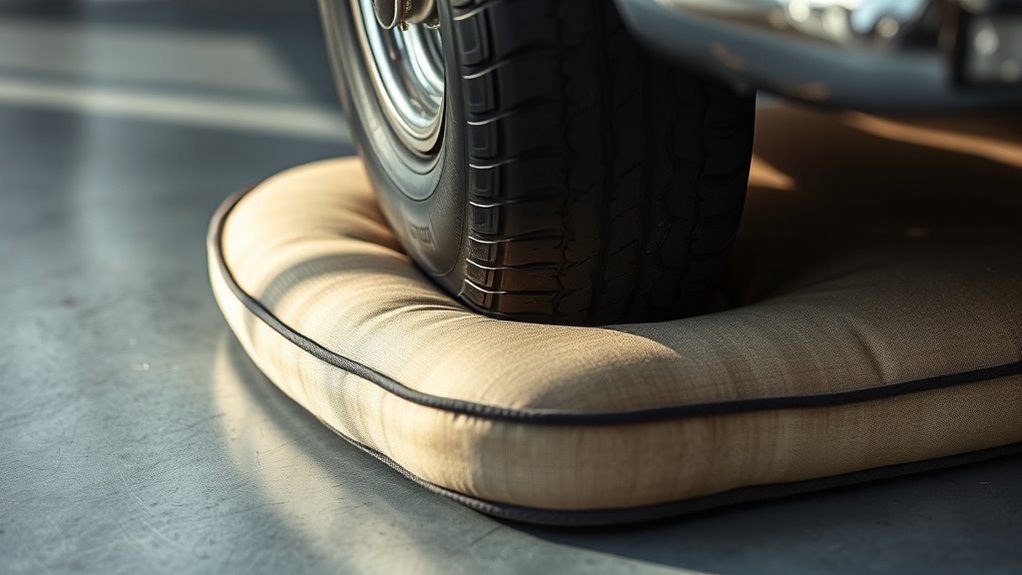
To prevent damage, place tires on firm, dry materials. Good options include plywood sheets, rubber mats, or carpet cushions. These surfaces distribute weight evenly and allow airflow. They also reduce moisture exposure, which can cause tire deterioration.
Avoid storing tires directly on concrete or damp ground. These surfaces trap moisture and accelerate damage.
For best results, use tire cradles or boards and keep tires properly inflated. These steps help maintain tire shape and extend their life during long storage periods.
Why Tires Get Flat Spots and Dry Rot During Storage
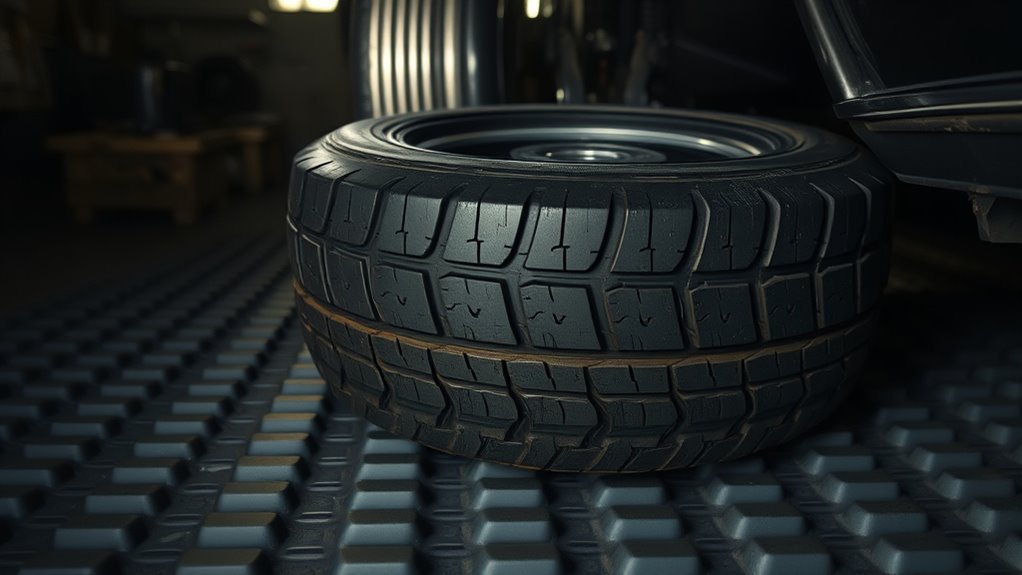
Flat spots on tires occur when the part touching the ground flattens during long storage periods. Dry rot happens when the tire rubber cracks and weakens due to environmental exposure. Both conditions reduce tire safety and durability.
Tire flat spots form because the weight of the vehicle compresses the rubber and internal structure where the tire contacts the ground. This compression can cause the tire to lose its round shape temporarily. If the vehicle remains stationary for an extended time, the flat spot may become permanent.
Dry rot results from chemical changes in the tire rubber caused by exposure to oxygen, ozone, UV light, and temperature fluctuations. These factors break down rubber compounds, leading to cracks and brittleness. Dry rot weakens tire integrity and increases the risk of failure.
Lack of tire movement during storage prevents the rubber from flexing. Flexing normally helps maintain the tire’s shape and delays degradation. Without regular use, the tire rubber stiffens and becomes more vulnerable to damage.
Environmental factors contributing to tire damage during storage include:
- Ozone and oxygen exposure, which accelerate rubber aging
- UV light, which breaks down rubber polymers
- Temperature changes that cause expansion and contraction, stressing the tire structure
Proper tire storage minimizes flat spots and dry rot by reducing exposure to these conditions and ensuring occasional tire movement.
How Tire Supports Prevent Flat Spots and Dry Rot
Tire supports help distribute the vehicle’s weight evenly, reducing pressure on any single point of the tire. They also create a barrier that protects tires from ground moisture, which can accelerate dry rot. Additionally, these supports improve air circulation around the tires, helping to maintain their condition during storage.
Even Weight Distribution
Even weight distribution prevents tire damage during long-term vehicle storage by ensuring no single tire area carries excessive load. Tire supports help maintain this balance by providing a stable and level base that spreads the vehicle’s weight evenly across the tire’s contact surface.
Uneven pressure on tires during extended stationary periods causes flat spots and speeds up dry rot. Tire supports reduce these risks by stabilizing the tire and distributing weight to avoid stress points that deform the rubber. This balanced load preserves tire shape and structural integrity while the vehicle is stored.
Key benefits of even weight distribution with tire supports:
- Prevents flat spots caused by localized pressure
- Limits dry rot by reducing stress on tire rubber
- Maintains consistent pressure across the tire contact patch
- Extends tire lifespan during periods of inactivity
- Supports safer tire performance when the vehicle returns to use
Using tire supports ensures tires remain intact and functional after long storage, improving safety and reducing replacement costs.
Moisture Barrier Protection
Moisture barrier protection reduces tire damage by preventing water and humidity from reaching the rubber. It helps preserve tire shape and durability during long-term storage by blocking moisture that causes dry rot, mold, and cracking.
Tire supports with built-in moisture barriers serve as a physical shield. They stop moisture from seeping into tires when stored on damp surfaces. Elevating tires off the ground cuts direct contact with water and humidity, which degrade rubber compounds.
Moisture barriers maintain tire integrity by limiting exposure to environmental factors that lead to cracking and rubber weakening. Supports made from moisture-resistant materials offer reliable protection during extended storage periods.
Key benefits of moisture barrier protection include:
- Preventing dry rot and mold growth
- Reducing rubber cracking and weakening
- Preserving tire shape and flexibility
- Minimizing direct exposure to water and humidity
- Extending tire lifespan in storage
Using supports with moisture barriers is essential for vehicle owners who store tires or vehicles long term. This approach safeguards tires from common moisture-related damage and maintains their performance and safety.
Air Circulation Enhancement
Air circulation around stored tires prevents moisture buildup and maintains rubber quality. Elevating tires on supports allows air to flow beneath and around them, reducing humidity and protecting the rubber from damage.
Tire supports, including pads or stands, raise tires slightly off the ground. This elevation enables continuous airflow that prevents dry rot caused by trapped moisture. Lower humidity levels inside the tire storage area slow the degradation of rubber compounds.
Improved airflow also reduces flat spots. By minimizing constant pressure on one tire area, supports help distribute weight evenly. This prevents tire deformation during long storage periods.
Benefits of using tire supports for air circulation:
- Elevate tires to allow airflow underneath
- Prevent humidity accumulation around rubber
- Reduce risk of flat spots by spreading pressure
- Maintain tire shape and compound integrity over time
Using tire supports alongside moisture barriers creates an environment that slows tire deterioration. This combination preserves tire performance for future use.
Tire Cradles to Maintain Tire Shape and Safety
Tire cradles help maintain tire shape and prevent flat spots during long-term storage. They support the tire evenly, reducing pressure on specific areas that cause damage.
Tire cradles distribute the vehicle’s weight across the tire’s surface. This prevents flat spots caused by prolonged contact with hard surfaces. Made from plastic or rubber, cradles fit around the tire’s circumference. They keep the tire’s sidewalls and tread from deforming.
Tire cradles also elevate the tire slightly. This helps reduce moisture buildup where the tire touches the ground. Lower moisture limits the risk of tire degradation. Cradles come in various sizes to fit different tires and vehicles.
Using tire cradles protects tire structure and extends tire life. They are especially useful for vehicles stored for months or parked seasonally. Tire cradles are a practical tool for maintaining tire safety over time.
Using Wooden Boards for Even Weight Distribution
Using wooden boards under tires helps distribute a car’s weight evenly during long-term storage. This reduces pressure points that cause flat spots and tire deformation. Wooden boards create a stable, flat surface that supports the entire tire footprint, protecting tires from damage on hard floors like concrete or asphalt.
Wooden boards under tires evenly distribute weight, preventing flat spots and damage on hard storage surfaces.
Concrete and asphalt surfaces are hard and can trap moisture, which accelerates tire wear. Wooden boards provide a barrier that lessens direct contact with these materials. Wood also absorbs small amounts of moisture and helps moderate temperature changes around the tire base, which aids in preserving tire condition.
To use wooden boards effectively:
- Choose boards large enough to cover the entire tire contact area.
- Place the boards flat and level under each tire.
- Ensure the boards are sturdy and free of cracks or warping.
This method spreads the vehicle’s weight uniformly without specialized tools or equipment. It is a practical way to extend tire life during periods when the car remains stationary.
Inflating Tires and Using Tire Pads Together for Storage
Properly inflating tires and using tire pads together protect tires during storage by preventing flat spots and environmental damage. Inflating tires maintains their shape under weight, while tire pads cushion and reduce direct contact with hard surfaces. This combined method extends tire life and preserves performance.
Inflating tires to the manufacturer’s recommended pressure supports the tire’s structural integrity. Correct pressure reduces deformation caused by the vehicle’s weight during long storage periods. Underinflated tires can develop flat spots as weight presses unevenly on the rubber.
Tire pads, made from soft rubber or foam, cushion tires by distributing the vehicle’s weight evenly. They prevent stress points where flat spots often form. Pads also reduce exposure to moisture and temperature changes by minimizing direct contact with cold, hard surfaces.
Benefits of combining tire inflation and tire pads for storage:
- Maintains tire shape and pressure
- Reduces risk of flat spots
- Protects against drying and cracking
- Limits exposure to environmental factors
- Extends overall tire longevity and performance
For long-term storage, use both methods together. Inflate tires to the recommended pressure, then place tire pads under each tire. This approach helps preserve tire condition and ensures reliable performance after storage.
Carpet vs. Rubber Mats: Pros and Cons for Tire Storage
Carpet and rubber mats both protect tires from direct contact with hard floors during storage but differ in moisture control and cushioning. Carpet cushions tires, reducing flat spots, while rubber mats resist moisture and are easier to clean.
Carpet for Tire Storage
Carpet cushions tires, reducing pressure points that cause flat spots. This cushioning helps maintain tire shape during long storage periods. However, carpet can trap moisture, increasing the risk of dry rot if the area is not well-ventilated and dry. Carpet also tends to collect dirt and debris, which can transfer onto tires and affect their condition.
Rubber Mats for Tire Storage
Rubber mats create a moisture-resistant barrier that protects tires from damp floors. This helps prevent tire damage from prolonged exposure to moisture. Rubber mats are durable and easy to clean, which keeps storage areas cleaner. However, rubber mats provide less cushioning than carpet, which may increase the risk of flat spots if tires are stored for extended periods without rotation.
| Feature | Carpet | Rubber Mats |
|---|---|---|
| Cushioning | Good cushioning to reduce flat spots | Minimal cushioning |
| Moisture Resistance | Poor; retains moisture | High; moisture-resistant |
| Cleanliness | Collects dirt and debris | Easy to clean |
| Durability | Moderate | High |
Choose carpet if cushioning and flat spot prevention are priorities and the storage area stays dry. Choose rubber mats if moisture control and ease of cleaning are more important.
What to Use Instead of Concrete Under Tires
Concrete under tires can hold moisture and cause tire damage over time. Using alternative surfaces helps protect tires from moisture and deformation during storage.
Plywood sheets create a firm, dry base that spreads tire weight evenly. This reduces pressure points and prevents flat spots.
Rubber mats designed for tires cushion them and block moisture. These mats help maintain tire shape and extend lifespan.
Interlocking foam tiles form a soft, insulating layer. They keep tires off cold or damp floors and reduce moisture exposure.
Avoid placing tires directly on dirt or grass. These surfaces trap moisture and increase the risk of dry rot.
Summary table for surface options under tires:
| Surface Type | Moisture Barrier | Weight Distribution | Cushioning | Recommended Use |
|---|---|---|---|---|
| Plywood | Yes | Even | No | Stable, firm storage base |
| Rubber Mats | Yes | Moderate | Yes | Tire-specific cushioning |
| Interlocking Foam | Yes | Moderate | Yes | Soft, insulating layer |
| Dirt or Grass | No | Uneven | No | Avoid due to moisture risk |
Choose a dry, firm, and non-porous surface to protect tires during long-term storage.
Essential Long-Term Tire Care Tips During Storage
Proper tire support materials are essential to prevent deformation during extended storage. Additionally, protecting tires from environmental factors such as moisture and UV exposure helps maintain their integrity. These measures guarantee tires remain in good condition until the vehicle is used again.
Optimal Tire Support Materials
Tire support materials protect tires from damage during long-term storage by distributing weight evenly and preventing flat spots. Proper support reduces pressure points and limits moisture exposure, helping maintain tire shape and extending lifespan.
Plywood sheets offer a firm, flat base that prevents tire deformation on hard surfaces. They provide consistent support and avoid uneven pressure that causes flat spots.
Carpet or rubber mats cushion tires while allowing airflow. These materials reduce impact stress and help prevent moisture buildup, which can lead to dry rot.
Tire cradles and storage ramps are designed to hold tires securely. They maintain tire shape by supporting the sidewalls and treads evenly, reducing stress concentration.
Cardboard and thick fabric layers provide affordable, basic protection. They create a barrier between tires and hard floors, reducing direct pressure but may wear out faster than other materials.
Summary of Tire Support Materials:
| Material | Key Benefit | Drawback |
|---|---|---|
| Plywood sheets | Stable, flat support | Rigid, less cushioning |
| Carpet or rubber mats | Cushioning, moisture control | Can compress over time |
| Tire cradles/storage ramps | Shape retention, stress reduction | Higher cost, specialized use |
| Cardboard/thick fabric | Low cost, basic protection | Limited durability |
Choosing the right support material is essential for preserving tire integrity and preventing flat spots during storage. Select a material based on storage conditions, budget, and duration to maximize tire life.
Environmental Protection Strategies
Tires degrade when exposed to UV light, temperature changes, and humidity. Protecting tires during storage preserves their quality and extends lifespan. Covering tires shields them from sunlight, stable temperatures reduce material breakdown, and controlling moisture prevents dry rot.
UV exposure causes cracking in tire rubber. Using opaque tire covers blocks sunlight and reduces UV damage. Temperature swings accelerate rubber aging. Storing tires in climate-controlled spaces keeps temperature steady and slows degradation. High humidity encourages dry rot and mold. Placing moisture absorbers nearby controls humidity levels.
Effective tire storage strategies:
- Store vehicles or tires in climate-controlled garages.
- Use opaque tire covers to block UV rays.
- Place desiccants or moisture absorbers near stored tires.
| Environmental Factor | Protective Strategy |
|---|---|
| UV Exposure | Use opaque tire covers |
| Temperature Swings | Store in climate-controlled space |
| Humidity | Place desiccants or moisture absorbers nearby |
Frequently Asked Questions
How Often Should I Check Tire Pressure During Long-Term Storage?
Check tire pressure at least once a month during long-term storage to maintain proper inflation and prevent flat spots. If the vehicle is unused for extended periods, check more frequently. Proper tire pressure helps prevent deformation and dry rot, extending tire lifespan.
Can Tire Rotation Before Storage Help Prevent Flat Spots?
Can tire rotation before storage prevent flat spots?
Rotating tires before storage helps distribute weight more evenly and can reduce the risk of flat spots.
How quickly can flat spots develop on tires?
Flat spots can develop after just 24 hours of immobility.
Is tire rotation alone enough to prevent flat spots?
No, rotation alone is not enough; combining it with tire cradles or proper tire pressure is more effective.
Are Tire Covers Necessary When Storing a Car Indoors?
Are tire covers necessary when storing a car indoors?
No, tire covers are generally not necessary indoors because the controlled environment protects tires from UV damage and extreme temperatures.
Do tire covers provide any benefits indoors?
Yes, they can protect tires from dust and potential chemical exposure during long-term storage.
Should I use tire covers indoors?
It depends on your storage conditions and preference for keeping tires clean and in good condition.
What Is the Best Tire Pressure for Short-Term Storage?
The best tire pressure for short-term storage is the vehicle manufacturer’s recommended PSI. This pressure provides proper support without overinflating or underinflating. Overinflation can stress tires, while underinflation can cause flat spots and damage. Maintaining the recommended pressure helps preserve tire shape and prevents deterioration during storage.
How Does Temperature Affect Tire Condition During Storage?
How does temperature affect tire condition during storage?
High temperatures speed up rubber degradation, leading to dry out and cracking. Low temperatures make rubber stiff and prone to cracking under stress. Temperature fluctuations cause expansion and contraction, increasing risks of dry rot and flat spots. Consistent, moderate temperatures help maintain tire flexibility and extend storage life.