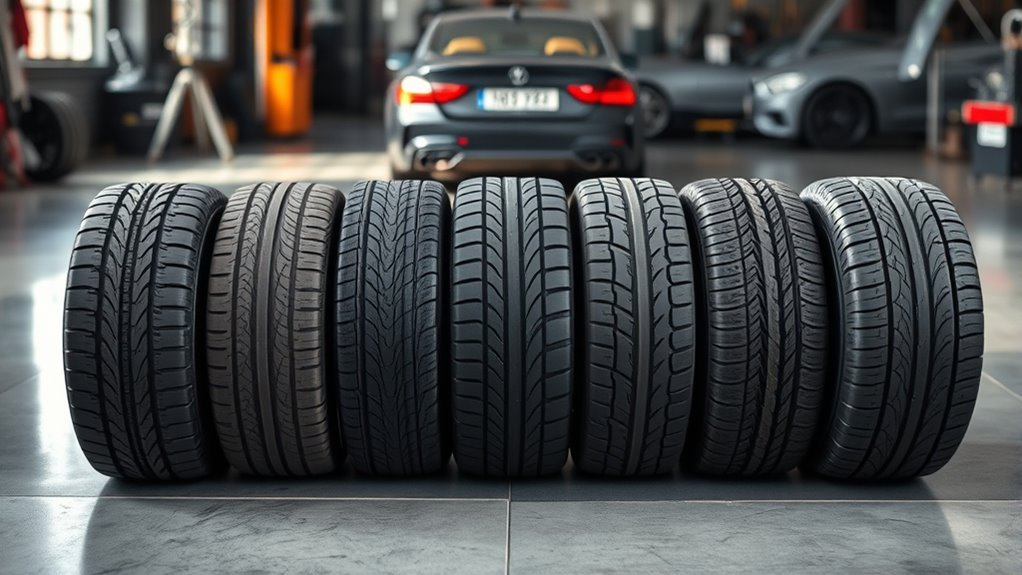
How to Choose the Right Car Tires: Size, Weather, Driving Style, and Budget
Choosing the right car tires is essential for your vehicle’s safety and performance. You need to select tires that match the size recommended by your car’s manufacturer. This ensures proper fit and handling on the road.
Weather conditions also play a big role in tire choice. Different tread patterns and rubber compounds work better in dry, wet, snowy, or icy environments. Picking the right tire for the climate improves grip and control.
Your driving style and budget matter too. Tires vary in grip, durability, and stiffness depending on how you drive. Budget influences tire quality, lifespan, and warranty options.
Balancing these factors helps you find tires that offer the best value and performance.
How to Choose the Right Tires: A Quick Guide
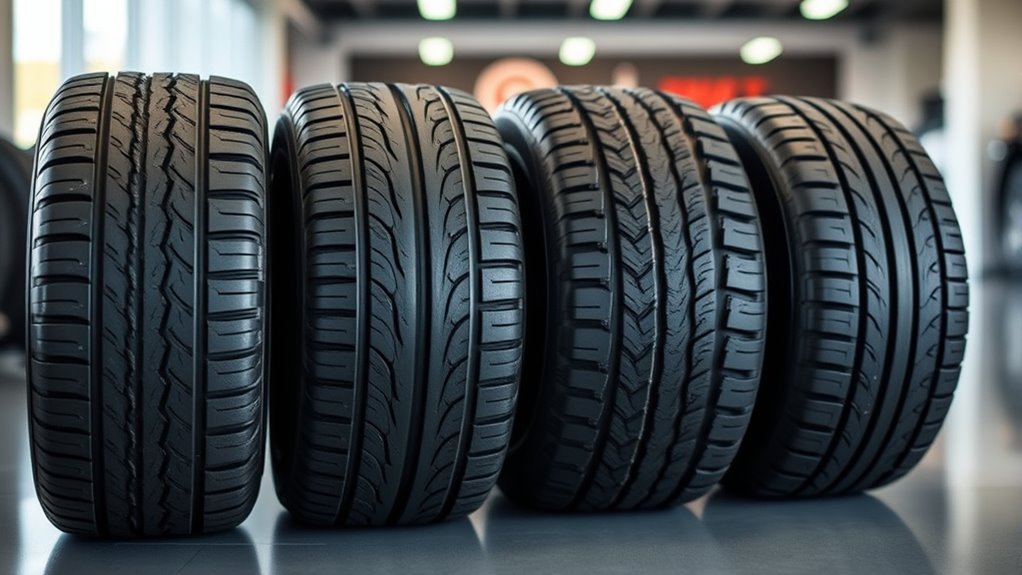
Choosing the right tires depends on several key factors related to driving conditions, vehicle use, and budget. Matching tire features to these aspects ensures safety, performance, and cost-effectiveness without focusing on size or dimensions initially.
Driving environment determines tire performance. Tires designed for wet roads, dry pavement, or snowy terrain differ in tread design and rubber compounds. Selecting a tire suited to typical weather and road conditions improves grip and safety.
Tire performance varies with environment; choose tread and compounds that match your typical weather for optimal grip and safety.
Vehicle use guides tire selection. Commuters need tires optimized for comfort and fuel efficiency. Off-road vehicles require tires with aggressive treads for traction on dirt or mud. Performance cars benefit from tires that enhance handling and speed.
Tire tread patterns affect durability and traction. Symmetrical patterns offer even wear and quiet rides. Directional patterns improve water evacuation on wet surfaces. Asymmetrical designs balance dry and wet performance.
Rubber compounds influence tire lifespan and grip. Softer compounds provide better traction but wear faster, while harder compounds last longer with less grip. Choosing the right compound depends on driving style and conditions.
Budget impacts tire choice by balancing cost with expected durability and quality. Higher-priced tires often offer longer tread life and better performance. Considering warranties and brand reputation helps assess product reliability.
Summary of key factors for choosing tires:
- Driving environment: wet, dry, snowy conditions
- Vehicle use: commuting, off-roading, performance
- Tread pattern: symmetrical, directional, asymmetrical
- Rubber compound: soft vs. hard
- Budget: cost, lifespan, warranties, brand reliability
Evaluating these factors systematically helps select tires that fit driver needs and road conditions effectively.
Finding the Right Tire Size for Your Car
Choosing the correct tire size ensures vehicle safety, performance, and accurate speedometer readings. The ideal tire size is found in the owner’s manual or on a label inside the driver’s door jamb. It includes three measurements: tire width, aspect ratio, and wheel diameter.
Tire width is the measurement of the tire’s cross-section in millimeters. The aspect ratio is the height of the tire’s sidewall expressed as a percentage of the tire width. Wheel diameter is the size of the wheel rim in inches that the tire fits. These three values are usually shown in a format like 205/55R16.
Matching the manufacturer’s recommended tire size ensures compatibility with the vehicle’s suspension and braking systems. Using tires with different sizes can affect handling and safety. However, slight variations in size are acceptable if the overall diameter remains within 3% of the original.
Steps to find the right tire size:
- Check the owner’s manual or driver’s door label for recommended sizes.
- Note the tire width, aspect ratio, and wheel diameter.
- Compare new tire options to the recommended size.
- Confirm the overall diameter stays within 3% of the original.
- Consult a tire professional for advice on specific driving needs and vehicle compatibility.
Following these guidelines helps maintain vehicle performance and safety when selecting new tires.
Why Tire Size Affects Safety and Performance
Tire size plays a critical role in vehicle handling, directly affecting stability and control. It also influences braking distance, which is essential for safety during sudden stops. Additionally, tire size impacts fuel efficiency by altering rolling resistance and aerodynamics.
Impact On Vehicle Handling
Tire size affects vehicle handling and safety by determining the contact patch—the area where the tire touches the road. A larger contact patch increases grip, improving cornering and control. However, oversized tires can reduce steering precision and raise rolling resistance, impacting performance.
The contact patch size influences traction. Wider tires spread the vehicle’s weight over a larger surface, enhancing grip on dry roads. Excessively wide tires may cause sluggish steering and uneven wear. Narrow tires reduce grip but can improve fuel efficiency and handling in certain conditions.
Sidewall height affects tire flexibility and responsiveness. Shorter sidewalls flex less during turns, providing sharper steering response and better stability. Taller sidewalls absorb more road shocks, offering a smoother ride but less precise handling.
Incorrect tire size changes suspension geometry and weight distribution. This alteration can cause uneven tire wear, reduce handling balance, and affect braking performance. Matching tire size to manufacturer recommendations preserves intended suspension dynamics.
Summary of tire size effects on handling and safety:
- Contact patch size: Larger improves grip; too wide reduces steering response
- Sidewall height: Shorter improves responsiveness; taller improves comfort
- Suspension and weight: Wrong size alters handling balance and braking
- Rolling resistance: Larger tires increase resistance, affecting efficiency
Selecting the right tire size ensures predictable vehicle behavior, balanced handling, and safer driving across various conditions.
Influence On Braking Distance
Tire size affects braking distance by changing the tire’s contact patch—the part touching the road—which impacts grip. Larger tires usually improve grip and shorten braking distance on dry roads. However, very large tires can increase stopping distances due to added weight and brake system mismatches.
Tire contact patch size influences braking. Larger tires provide a wider area in contact with the road, which can improve traction and reduce braking distance on dry surfaces. This wider patch helps the vehicle stop more quickly under normal conditions.
Excessively large tires add rotational mass. Extra mass increases the effort needed to slow the wheel, which can lengthen braking distance. In some cases, oversized tires may not work well with the vehicle’s brakes, reducing braking efficiency.
Smaller tires have a smaller contact patch. Reduced grip can increase braking distances, especially on wet or slippery roads. Less surface area decreases the tire’s ability to maintain traction during braking.
Tire width and profile affect heat dissipation. Tires that dissipate heat efficiently maintain consistent braking performance during repeated stops. Poor heat management can cause brake fade, compromising safety.
Selecting the correct tire size ensures proper braking. Using tires that meet manufacturer specifications balances grip, brake compatibility, and handling. This balance minimizes risk during emergency stops.
Summary Table: Tire Size Influence on Braking Distance
| Tire Size | Contact Patch | Effect on Braking Distance | Additional Notes |
|---|---|---|---|
| Larger tires | Wider | Generally reduces | Adds rotational mass; may affect brakes |
| Oversized tires | Very wide | May increase | Increased weight and brake mismatch |
| Smaller tires | Narrower | Increases | Less grip, especially on wet surfaces |
| Correct size (OEM) | Optimal | Balanced | Matches brake system for best safety |
Choosing the right tire size is crucial for braking efficiency and vehicle safety. Matching size to specifications supports grip, brake compatibility, and heat management, which together reduce stopping distances under various conditions.
Effect On Fuel Efficiency
Tire size affects fuel efficiency by influencing rolling resistance, weight, and aerodynamics. Larger tires increase rolling resistance and weight, which raises fuel consumption. Smaller tires reduce these factors, potentially improving fuel economy but can impact handling and safety. Tire width also affects aerodynamic drag and efficiency.
Rolling resistance increases with tire size due to a larger surface area contacting the road. This higher resistance requires more energy from the engine to maintain speed, leading to increased fuel consumption.
Tire weight contributes to rotational mass. Heavier tires demand more engine power to rotate, consuming additional fuel. Larger tires generally weigh more, thus reducing fuel efficiency.
Tire width affects aerodynamic drag. Wider tires create more air resistance, lowering fuel economy. Narrower tires reduce drag but may affect grip and stability.
Summary of tire size effects on fuel efficiency:
| Factor | Larger Tires | Smaller Tires |
|---|---|---|
| Rolling Resistance | Higher | Lower |
| Weight | Heavier | Lighter |
| Aerodynamics | More drag (wider tires) | Less drag (narrower tires) |
Choosing the correct tire size balances fuel efficiency with safety and performance. Following manufacturer recommendations ensures optimal tire dimensions for your vehicle.
How to Choose Tires for Different Weather Conditions
Choosing tires for specific weather conditions ensures vehicle safety and optimal performance. All-season tires suit moderate climates. Winter tires provide grip on snow and ice. Summer tires offer handling in warm weather but are unsafe in cold. Switching tires according to seasons improves control and tire life.
All-season tires balance traction on dry, wet, and light snow surfaces. They use moderate tread patterns and rubber compounds that perform adequately in mild temperatures. However, they lose effectiveness in severe winter or hot summer conditions.
Winter tires use rubber compounds that stay flexible below freezing. Their deep, aggressive tread patterns channel snow and slush, improving grip on ice and snow-covered roads. Winter tires reduce stopping distances and improve vehicle stability in cold weather.
Summer tires feature harder rubber compounds and shallow tread patterns. These designs optimize traction and braking on dry and wet roads in warm temperatures. Summer tires become hard and lose grip in freezing temperatures, making them unsafe for winter driving.
Tire tread patterns influence water evacuation and traction. Grooves and sipes help channel water and snow away from the tire surface. Proper tread design reduces hydroplaning risks and improves grip in rain or snow conditions.
Summary of tire types by weather:
| Tire Type | Temperature Range | Traction Conditions | Key Features |
|---|---|---|---|
| All-Season | Moderate climates | Dry, wet, light snow | Balanced tread, moderate rubber |
| Winter | Below freezing | Snow, ice | Flexible rubber, deep tread |
| Summer | Above freezing | Dry, wet | Hard rubber, shallow tread |
Drivers in regions with changing seasons should switch between winter and summer tires. This practice enhances safety, improves fuel efficiency, and extends tire lifespan by using tires designed for current weather.
How Driving Style Affects Tire Choice
Driving style considerably influences tire selection, as aggressive driving accelerates tire wear and demands tires with enhanced handling capabilities. Conversely, smooth driving can extend tire life and allow for a broader range of tire options. Understanding these factors helps in choosing tires that match individual driving habits and performance needs.
Impact of Aggressive Driving
Aggressive driving affects tire choice by requiring tires that handle rapid acceleration, sharp turns, and hard braking without losing performance or safety. Such tires need durability, strong grip, and heat resistance to withstand the stresses caused by aggressive driving habits.
Aggressive drivers push tires harder through quick acceleration, which demands high traction compounds for better grip. Sharp cornering requires tires with stiff sidewalls to maintain stability and control. Hard braking needs tires that offer superior grip on both wet and dry surfaces to reduce stopping distances.
High-speed driving heats tires significantly. Tires with heat-resistant materials prevent performance loss and premature wear. Frequent maneuvers wear down tread faster, so tires must have enhanced durability to maintain performance longer.
| Driving Behavior | Tire Requirement |
|---|---|
| Rapid acceleration | High traction compounds |
| Sharp cornering | Stiff sidewalls |
| Hard braking | Superior wet/dry grip |
| High-speed driving | Heat-resistant materials |
| Frequent maneuvering | Durable tread design |
Choosing tires that meet these criteria improves vehicle handling, maintains safety, and reduces the risk of tire failure caused by aggressive driving.
Benefits of Smooth Driving
A smooth driving style affects tire choice by reducing tire wear and heat buildup. Drivers who accelerate gradually, maintain steady speeds, and brake gently put less stress on tires. This allows the use of tires focused on comfort and fuel efficiency rather than high-performance durability.
Smooth driving lowers tire strain and heat generation. Tires with softer compounds suit this style because they provide better ride comfort and road grip in normal conditions. These tires also have lower rolling resistance, which helps improve fuel economy.
Tire selection for smooth drivers can emphasize these factors:
- Softer rubber compounds for enhanced comfort
- Lower rolling resistance for better fuel efficiency
- Designs optimized for longevity rather than extreme traction
- Reduced need for reinforced sidewalls or aggressive tread patterns
Choosing tires matched to a calm driving style avoids unnecessary features designed for aggressive driving. This approach balances performance, durability, and comfort while expanding tire options suitable for everyday use.
Tire Wear and Handling
Tire wear and handling depend largely on driving style and tire design. Aggressive driving demands tires that resist wear and maintain grip under stress. Cautious driving allows use of tires that focus on durability and comfort. Tire construction also affects vehicle stability and control.
Aggressive drivers accelerate quickly, brake hard, and take corners at high speeds. Such driving increases stress on tires. Tires for aggressive driving typically have reinforced sidewalls and specialized tread compounds. These features improve grip and durability under demanding conditions.
Cautious drivers use smoother acceleration and braking. Their tires prioritize longevity and ride comfort. Less aggressive wear reduces the rate of tire degradation, allowing for tires with softer compounds and designs aimed at comfort rather than performance.
Tire construction impacts handling characteristics such as responsiveness and traction. Tires with stiffer sidewalls and performance-oriented tread patterns enhance vehicle stability and control. Softer tires may provide comfort but can reduce handling precision.
Summary table:
| Driving Style | Tire Features | Benefits |
|---|---|---|
| Aggressive | Reinforced sidewalls, hard compounds | Increased grip, wear resistance |
| Cautious | Softer compounds, comfort tread | Longevity, smooth ride |
Understanding driving habits helps select tires that balance tire wear with handling needs. This balance improves safety and reduces replacement costs over time.
Tires for City, Highway, and Off-Road Driving
Tire choice depends on where a vehicle is driven most often: city streets, highways, or off-road terrain. Each environment requires tires designed to meet specific performance and safety needs.
City Driving Tires
City tires focus on comfort, low noise, and reliable braking on paved roads. They have tread patterns that reduce road noise and maintain traction on wet surfaces. These tires help improve driving experience in stop-and-go traffic and urban settings.
Highway Driving Tires
Highway tires prioritize durability, fuel efficiency, and stability at high speeds. They use harder rubber compounds and tread designs that reduce rolling resistance. These features extend tire life and enhance control during long-distance travel on smooth roads.
Off-Road Tires
Off-road tires are built for rough terrain like dirt, mud, and rocks. They have deep treads and reinforced sidewalls to resist punctures and improve grip. These tires provide traction and toughness needed for challenging driving conditions.
| Driving Environment | Key Tire Features | Benefits |
|---|---|---|
| City | Noise reduction, wet traction | Comfort, safety in urban traffic |
| Highway | Hard compounds, low rolling resistance | Longevity, fuel savings, stability |
| Off-Road | Deep treads, reinforced sidewalls | Grip, durability on rough terrain |
Choosing tires matched to your primary driving environment improves safety, performance, and tire lifespan.
Balancing Tire Quality and Cost
Balancing tire quality and cost means choosing tires that meet driving needs while fitting your budget. Higher-quality tires often last longer and perform better but cost more. Budget tires cost less but may wear out faster or offer less grip.
Tire quality affects performance, durability, and safety. Premium tires usually feature advanced tread designs and stronger materials. Budget tires may lack these features, which can reduce lifespan and handling precision.
Consider the following when comparing tires:
- Tread life warranty: Indicates expected mileage before significant wear.
- Material composition: Influences tire strength and grip.
- Manufacturer reputation: Reflects product reliability and customer service.
Focus on features that match your driving conditions. For example, if you mostly drive on highways, prioritize tread life and comfort. For off-road, look for durability and traction.
Use this process to balance quality and cost:
| Step | Action |
|---|---|
| 1. Define driving needs | City, highway, off-road, weather types |
| 2. Set budget | Maximum amount willing to spend |
| 3. Research tires | Compare specs, warranties, reviews |
| 4. Evaluate trade-offs | Performance vs. cost |
| 5. Select best fit | Optimal balance of value and safety |
Balancing tire quality and cost ensures safe driving without overspending. Prioritize key features and verify warranties to get the best value over the tire’s lifespan.
Where to Buy Tires Without Overspending
When selecting where to purchase tires, comparing online retailers and local stores is essential for finding the best value. Seasonal discounts and special deals often influence the final price considerably. Understanding these factors helps consumers avoid overspending while securing quality tires.
Online vs Local Stores
Consumers can find good tire deals by comparing online and local stores based on price, convenience, and service. Online stores offer lower prices and wide choices but may include shipping costs and delays. Local stores provide instant availability, expert advice, and installation services, which can reduce total expenses.
Online retailers often have lower prices due to reduced overhead and bulk inventory. They also offer extensive product information and customer reviews, helping buyers make informed decisions. However, shipping fees and delivery times can add to the total cost and delay use.
Local stores deliver tires immediately and provide face-to-face customer support. Staff can offer expert recommendations and handle returns or exchanges more easily. Many local shops bundle tire installation with purchase, saving time and extra fees.
Comparison of Online vs Local Tire Stores:
| Feature | Online Stores | Local Stores |
|---|---|---|
| Pricing | Lower base price, possible shipping fees | Higher base price, no shipping fees |
| Selection | Wide variety and brands | Limited inventory |
| Convenience | Shop anytime, home delivery | Immediate pickup and installation |
| Customer Support | Online chat, email | In-person advice and service |
| Installation Services | Usually separate, additional cost | Often bundled with purchase |
| Returns & Exchanges | Shipping required, slower process | Easier and faster in-store |
Choosing between online and local depends on whether price, speed, or personalized service matters most. Buyers wanting quick installation and expert help benefit from local stores. Those prioritizing lower prices and wide selection may prefer online retailers.
A balanced approach involves checking local prices and services alongside online options. This helps avoid overspending and ensures suitable tires that match budget and needs.
Seasonal Discounts and Deals
Seasonal discounts can lower tire costs significantly. Retailers offer promotions during spring and fall when drivers switch between summer and winter tires. Sales events like Black Friday and year-end clearances also provide chances to save.
Tire prices change throughout the year due to demand and weather shifts. Spring and fall are key times for discounts as many customers prepare for seasonal tire changes. Retailers align sales with these periods to attract buyers.
Major sales events include:
- Black Friday
- End-of-year clearances
- Labor Day sales
These events often feature marked-down prices or bundle deals.
Online stores frequently offer exclusive coupons and flash sales. Local shops may add value through price-matching or package deals that include tire installation.
Tips for finding the best deals:
- Compare prices from multiple retailers.
- Track promotional calendars for upcoming sales.
- Subscribe to newsletters from tire sellers.
- Check for online coupons and local store offers.
Timing purchases around seasonal sales and exploring different vendors helps consumers get quality tires at lower prices without sacrificing safety or performance.
When to Replace Tires for Safety
Replacing tires at the right time is crucial for vehicle safety and performance. Tires with tread below 2/32 inch increase the risk of hydroplaning and poor traction. Visible damage like cracks or bulges signals a need for replacement. Tires older than six years may degrade regardless of tread depth. Regular checks ensure timely detection.
Tread depth affects grip and control. When tread wears below 2/32 inch, the tire cannot safely channel water, increasing hydroplaning risk. Measure tread depth using a gauge or tread wear indicators built into the tire grooves.
Visible tire damage includes cracks, cuts, or bulges on the sidewall or tread. Such damage weakens the tire structure and risks sudden failure. Any visible cracks or bulges warrant consulting a tire professional immediately.
Tire age influences rubber condition. Tires over six years old degrade due to environmental exposure and material breakdown. Age-related damage may not be visible but reduces tire safety. Consider replacing tires after six years regardless of tread depth.
Uneven tire wear indicates alignment or suspension problems. Significant variation in tread wear across a tire requires an inspection. Proper alignment extends tire life and improves safety.
Frequent air loss can signal punctures or valve issues. Tires losing air regularly should be checked for leaks or damage. Maintaining correct air pressure ensures tire performance and prevents premature wear.
| Indicator | Threshold | Action Required |
|---|---|---|
| Tread Depth | Below 2/32 inch | Replace immediately |
| Visible Cracks/Bulges | Any present | Consult a professional |
| Tire Age | Over 6 years | Consider replacement |
| Uneven Wear | Significant variation | Inspect alignment |
| Frequent Air Loss | Regular deflation | Check for punctures |
Tire Maintenance Tips to Extend Lifespan
Proper tire maintenance extends tire lifespan by preventing uneven wear and damage. Regular checks and care improve safety, fuel efficiency, and reduce replacement costs.
Proper tire care prevents uneven wear, enhances safety, boosts fuel efficiency, and lowers replacement expenses.
Maintaining correct tire pressure ensures optimal road contact. Underinflated or overinflated tires wear unevenly and reduce fuel economy. Check tire pressure monthly and adjust it to the vehicle manufacturer’s recommended levels.
Rotating tires every 5,000 to 8,000 miles balances tread wear. Front and rear tires wear differently due to weight distribution and driving forces. Rotations help all tires wear evenly, extending overall tire life.
Wheel alignment keeps tires positioned correctly relative to the road and each other. Misalignment causes uneven wear and handling problems. Have a professional inspect alignment at least once a year or after hitting potholes or curbs.
Measuring tread depth reveals tire wear status. Replace tires when tread depth reaches 2/32 of an inch to maintain traction and safety. Use a tread depth gauge or the penny test for quick checks.
Cleaning tires removes dirt, stones, and chemicals that can cause deterioration or punctures. Use mild soap and water regularly, especially after driving on rough or salty roads.
Avoid harsh driving habits like sudden acceleration, sharp turns, and hard braking. These actions increase tire stress and accelerate wear. Smooth driving preserves tire integrity and improves safety.
Summary of key tire maintenance steps:
- Check and adjust tire pressure monthly
- Rotate tires every 5,000 to 8,000 miles
- Inspect wheel alignment annually or after impacts
- Monitor tread depth; replace at 2/32 inch
- Clean tires regularly to remove debris
- Drive smoothly to reduce tire stress
Following these practices improves tire performance, safety, and lifespan.
Frequently Asked Questions
How Do Tire Warranties Vary Between Brands?
Tire warranties vary by brand in coverage duration, mileage limits, and protections like road hazard or treadwear guarantees. Premium brands often provide longer, more comprehensive warranties. Budget brands tend to offer shorter or limited coverage. Some warranties cover defects only, while others include prorated treadwear or damage replacement. Always review warranty terms to understand coverage before buying.
Can Tire Noise Affect Driving Comfort?
Can tire noise affect driving comfort?
Yes, tire noise can impact driving comfort by causing fatigue and reducing cabin quietness.
How does tire noise influence stress and focus?
Excessive tire noise increases stress levels and decreases driver focus, affecting the overall driving experience.
Why choose quieter tires?
Quieter tires improve comfort, especially on long trips, by minimizing noise for a smoother, more pleasant ride.
What Impact Do Tire Materials Have on Fuel Efficiency?
How do tire materials affect fuel efficiency?
Tire materials impact fuel efficiency by influencing rolling resistance. Softer compounds increase grip but raise rolling resistance, lowering fuel economy. Harder materials reduce rolling resistance, enhancing fuel efficiency.
Can advanced tire materials improve fuel consumption?
Yes, advanced materials and tread designs balance grip and energy loss, helping improve fuel efficiency.
Why choose tires with low rolling resistance materials?
Tires optimized for low rolling resistance reduce energy loss, leading to noticeable fuel savings over time.
How to Recycle Old Tires Responsibly?
How can old tires be recycled responsibly?
Old tires can be recycled by donating them to authorized centers, repurposing them into playground surfaces, or converting them into fuel sources.
Why is recycling old tires important?
Recycling reduces landfill waste, conserves natural resources, and minimizes environmental hazards.
What are responsible disposal practices for old tires?
Avoid illegal dumping, use local recycling programs, and support initiatives that transform tires into useful products.
How does responsible tire disposal benefit the environment?
It ensures sustainable waste management, preserves ecosystems, and improves resource efficiency.
Are Run-Flat Tires Worth the Extra Cost?
Are run-flat tires worth the extra cost?
Run-flat tires are worth the extra cost for drivers valuing safety and convenience, as they let you drive after a puncture and avoid being stranded.
Do run-flat tires have drawbacks?
Yes, they often provide a stiffer ride and have a shorter tread life compared to standard tires.
Who should consider run-flat tires?
Drivers who frequently travel long distances or want to avoid immediate roadside assistance may benefit most.
Are run-flat tires cost-effective for everyone?
Not always; their higher price may not be justified for those who drive less or prefer quick tire repairs.