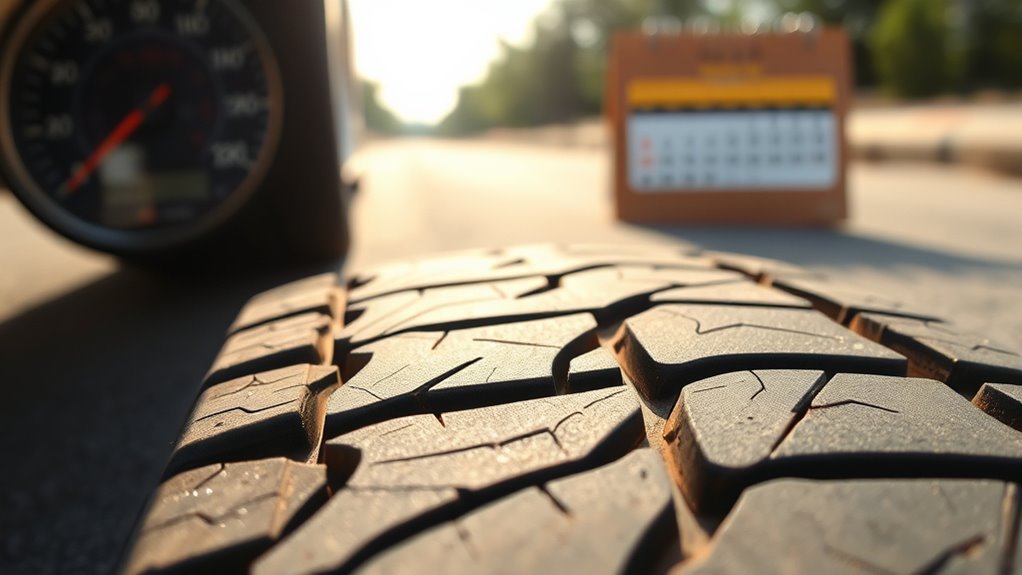
How Often Should You Replace Car Tires? Age, Mileage, Tread Depth, and Damage Rules
Car tires need regular inspection to stay safe on the road. One key factor is tread depth. Tires should be replaced when the tread reaches 2/32 inch or less. This ensures proper traction and reduces the risk of accidents.
Visible damage also signals the need for replacement. Cracks, bulges, or other sidewall issues can lead to tire failure.
Age is another important factor. Most tires should be replaced after six years, even if they look fine.
Mileage affects tire life too. Many tires last between 40,000 and 60,000 miles, but this varies by driving conditions and maintenance.
Proper care and choosing the right tires can extend their lifespan. Knowing these guidelines helps you replace tires safely and on time.
When to Replace Tires: Key Signs and Criteria
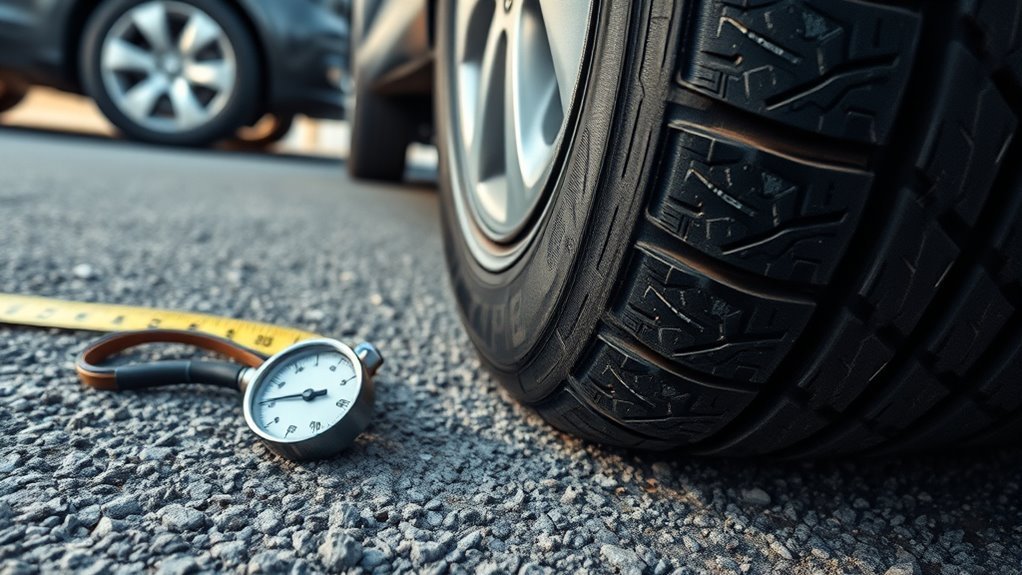
Tire replacement is necessary when damage, wear, or aging affect safety and performance. Key signs include visible sidewall damage, uneven tread wear, frequent air loss, excessive vibration, and tire stiffness. Monitoring these signs helps maintain vehicle safety beyond relying on tread depth or mileage alone.
Visible sidewall damage such as cracks, cuts, or bulges weakens the tire structure. Sidewall issues increase the risk of blowouts and require immediate tire replacement.
Uneven tread wear often points to alignment or suspension problems. Tires with uneven wear lose grip and should be inspected and replaced if necessary.
Frequent punctures or repeated air pressure loss reduce tire reliability. Tires that cannot hold air safely need replacement to avoid breakdowns.
Excessive vibration while driving can indicate internal tire damage or imbalance. Persistent vibration affects vehicle control and signals the need for tire inspection and possible replacement.
Tire stiffness or brittleness occurs with age, even if tread depth is sufficient. Aged tires lose flexibility, reducing traction and increasing safety risks.
Summary of key tire replacement signs:
- Sidewall damage (cracks, cuts, bulges)
- Uneven tread wear
- Frequent punctures or air loss
- Excessive driving vibration
- Tire stiffness or brittleness from aging
Regularly checking these signs ensures timely tire replacement and safer driving conditions.
Checking Tire Tread Depth and Replacement Thresholds
Tire tread depth is measured to determine remaining tire life and safety. Legal tread limits vary by region but generally require a minimum depth to maintain traction. Uneven wear patterns can also indicate the need for tire replacement before reaching these thresholds.
Measuring Tread Depth
Measuring tread depth determines if tires need replacement to maintain vehicle safety. Tread depth directly affects traction and handling, especially on wet roads. Accurate measurement helps assess tire wear and driving risk.
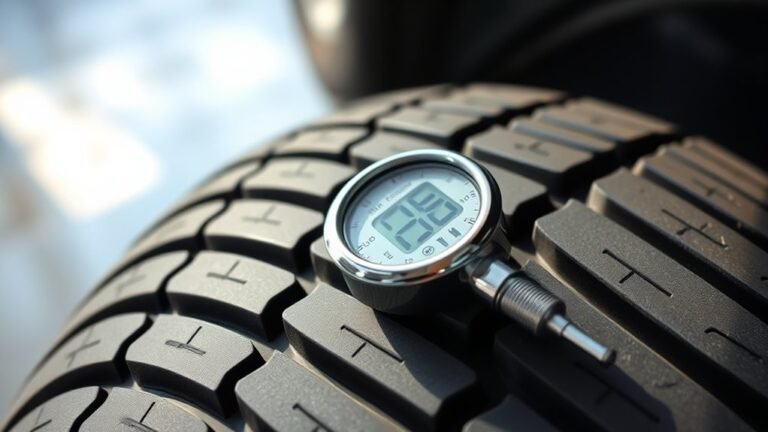
Use a tread depth gauge for precise readings, measured in millimeters or 32nds of an inch. The penny test offers a quick visual check by inserting a coin into the tire grooves. Measure tread depth at several points around the tire to check for uneven wear.
Key tread depth guidelines for replacement:
| Tread Depth (32nds inch) | Road Condition | Replacement Action |
|---|---|---|
| 8-10 | Good | No replacement needed |
| 4-6 | Moderate wear | Monitor tread regularly |
| 3 or less | Unsafe | Replace tire immediately |
Maintaining adequate tread depth improves braking, steering, and overall tire lifespan. Regular checks help prevent accidents caused by worn tires.
Legal Tread Limits
Legal tread limits define the minimum tire tread depth allowed by law to ensure safe driving and vehicle control. Most regions require a minimum tread depth of 2/32 inch (1.6 mm). Tires worn below this limit are unsafe and illegal for road use.
Tread depth affects traction, especially on wet roads. Tires with insufficient tread cannot grip the road properly, increasing the risk of skidding and accidents. Following legal tread limits helps maintain vehicle stability and safety.
Common legal tread requirements:
- Minimum tread depth is 2/32 inch (1.6 mm) in most jurisdictions.
- Tires with tread below this depth must be replaced.
- Tools like tread depth gauges or the penny test measure tread depth.
- Regular inspection prevents driving on unsafe tires.
The penny test involves placing a penny into the tire tread with Lincoln’s head upside down. If the top of Lincoln’s head is visible, the tread is below 2/32 inch and the tire is unsafe.
Adhering to legal tread limits ensures compliance with laws and reduces accident risks caused by worn tires. Regular checks support timely tire replacement and safer driving conditions.
Signs of Uneven Wear
Uneven tire wear shows specific patterns that reveal underlying vehicle issues. It indicates problems like incorrect inflation, alignment faults, or suspension damage. Recognizing these signs early helps maintain tire condition and vehicle safety.
Uneven wear appears as excessive tread loss on the tire’s edges, center, or shoulders. For example:
- Edge wear signals underinflation, causing the tire sides to contact the road more.
- Center wear indicates overinflation, concentrating pressure on the tire’s middle.
- Shoulder wear often points to alignment or suspension problems.
- Feathering or cupping suggests imbalance or misalignment.
These wear patterns reduce tire life and impair vehicle handling. Tires with noticeable uneven wear require professional inspection. Replacement may be necessary even if tread depth meets legal limits.
Regularly checking for uneven wear helps prevent further damage and supports optimal vehicle performance.
Why Tire Age Is Crucial for Safe Driving
Tire age directly impacts safety and performance because rubber degrades over time. Even tires with good tread can lose flexibility and develop cracks, reducing traction and increasing failure risk. Monitoring tire age helps prevent accidents like blowouts and loss of control.
Rubber compounds in tires lose elasticity as they age. This loss reduces grip on roads, especially in wet or slippery conditions.
Aging tire rubber loses elasticity, diminishing road grip and increasing risks in wet or slippery conditions.
The internal structure of tires weakens with time. The belts and plies inside become less durable, which lowers overall tire strength and stability.
Sunlight and ozone exposure speed up tire deterioration. UV rays break down rubber molecules, causing the tire surface to harden and crack.
Older tires often show dry rot and cracks. These defects can lead to sudden tire failure and create safety hazards on the road.
Check the manufacture date on tire sidewalls to track age accurately. Replacing tires before they become too old ensures safer driving conditions.
Recommended Mileage Limits for Tire Replacement
Tire mileage limits indicate when tires should be replaced to maintain safety and performance. Most tires last between 40,000 and 60,000 miles, but this varies by tire type, quality, and maintenance. Tracking mileage and tread wear ensures timely replacement before risks increase.
Most standard tires have a mileage range of 40,000 to 60,000 miles under normal driving conditions. High-performance tires with softer rubber compounds usually wear out faster, often below 40,000 miles. Tires made from harder compounds tend to last longer and can exceed 60,000 miles.
Tread wear indicators are built into tires to show when the tread depth reaches a minimum safe level, signaling the need for replacement. Checking these indicators helps drivers monitor tire wear alongside mileage tracking.
Exceeding recommended mileage limits without replacing tires can reduce traction, handling, and overall vehicle safety. Worn tires increase the risk of blowouts, hydroplaning, and poor braking performance.
Regular tire inspections and keeping a record of mileage provide a reliable method to determine the right time for tire replacement. Following manufacturer mileage guidelines supports safe and efficient vehicle operation.
How Driving Conditions and Damage Affect Tire Wear
Driving conditions and damage directly influence how quickly tires wear out. Harsh surfaces, extreme temperatures, chemical exposure, and impact damage all reduce tire life. Regular inspection helps identify wear caused by these factors to maintain safety and performance.
Frequent driving on rough or unpaved roads increases tire abrasion. Rough terrain grinds down tread faster than smooth pavement. This leads to uneven wear patterns and shortens tire lifespan.
Temperature extremes affect tire rubber. High heat can soften rubber, causing faster tread wear. Cold temperatures harden rubber, reducing flexibility and increasing the chance of cracks.
Chemicals, oils, and road debris degrade tire materials. Exposure can weaken rubber compounds, leading to faster breakdown and potential failure.
Impact damage from potholes, curbs, or debris can cause visible tire damage. Sidewall bulges, cuts, or tread separation may result, compromising tire integrity and requiring replacement.
Summary of key factors affecting tire wear:
- Rough or unpaved roads increase abrasion and wear.
- Extreme heat or cold alters rubber durability.
- Chemical exposure accelerates material breakdown.
- Impact damage causes structural tire issues.
Regular evaluation of these conditions helps determine when tires have worn beyond safe limits due to environmental and mechanical stress.
Choosing and Maintaining Tires for Longevity
Tire longevity depends on choosing the right tires and maintaining them properly. Selecting tires that match the vehicle, climate, and driving style helps ensure better performance and longer tread life. Regular maintenance, including pressure checks and inspections, prevents damage and uneven wear.
Choosing the right tires and regular maintenance are key to improved performance and extended tread life.
Choosing the right tires involves considering the vehicle type, climate, and driving habits. Tires with suitable tread patterns and rubber compounds handle specific conditions better and last longer. High-quality tires typically resist wear more effectively than cheaper alternatives.
Proper tire maintenance extends tire life and improves safety. Key practices include:
- Rotating tires every 5,000 to 8,000 miles to promote even wear
- Checking tire balance and wheel alignment regularly
- Maintaining recommended tire pressure to avoid accelerated wear or damage
- Inspecting tires for cuts, punctures, or sidewall cracks to catch problems early
Under-inflated or over-inflated tires wear unevenly and may fail prematurely. Following the vehicle manufacturer’s tire care and replacement guidelines ensures optimal performance, safety, and cost efficiency.
Frequently Asked Questions
Can Tire Pressure Affect How Quickly Tires Wear Out?
Can tire pressure affect how quickly tires wear out?
Yes, tire pressure directly influences tire wear. Underinflated tires wear out faster on the outer edges, while overinflated tires wear more in the center. Maintaining proper tire pressure ensures even wear and extends tire lifespan.
Why is proper tire pressure important?
Proper tire pressure promotes uniform tread contact with the road, improving safety, fuel efficiency, and tire durability.
How often should tire pressure be checked?
Tire pressure should be checked regularly to prevent uneven wear and optimize vehicle performance.
Are All-Season Tires Better for Year-Round Use?
Are all-season tires better for year-round use?
Yes, all-season tires offer versatility for wet, dry, and mild winter conditions, making them suitable for year-round use in moderate climates.
Why do 60% of U.S. drivers prefer all-season tires?
They provide balanced performance, combining longevity, comfort, and safety across diverse weather conditions.
Do all-season tires perform well in extreme winter weather?
No, all-season tires are less effective in severe winter conditions compared to dedicated winter tires.
How Do Tire Brands Compare in Durability?
How do tire brands compare in durability?
Tire durability varies by brand due to design, rubber compounds, and manufacturing quality. Premium brands like Michelin and Bridgestone offer longer-lasting tires with advanced technology. Mid-tier brands provide decent durability at a lower cost, while budget brands tend to wear out faster and resist damage less effectively. Choosing the right brand is key for long-term tire performance.
What Impact Does Tire Rotation Frequency Have on Lifespan?
How often should tires be rotated?
Tires should be rotated every 5,000 to 8,000 miles for optimal performance and longevity.
Why is tire rotation important?
Regular tire rotation ensures even wear, preventing premature tire damage and extending overall lifespan.
What happens if I don’t rotate my tires?
Neglecting tire rotation can cause uneven wear, reducing tire durability and compromising safety.
How does tire rotation affect tire lifespan?
Frequent rotation balances stress across all tires, which helps maximize their effective lifespan.
Can Mismatched Tires Cause Safety Issues?
Can mismatched tires cause safety issues?
Yes, mismatched tires can cause safety issues by leading to uneven handling, reduced traction, and compromised stability. Differences in size, tread pattern, or wear can strain the drivetrain and braking system, increasing the risk of accidents. Using consistent tire specifications on all wheels is essential for safe vehicle performance.