Can Bad Tires Make Your Car Shake? Speed-Based Symptoms and Other Possible Causes
Bad tires can make your car shake, especially when you drive faster. Problems like imbalanced tires, uneven tread wear, or damage such as bulges and embedded objects often cause vibrations. These issues affect how smoothly your car moves.
You may notice slight shaking at low speeds. As your speed increases, the vibrations can get worse. Sometimes, the shaking reaches a point where it feels much stronger due to resonance.
Other factors can also cause shaking. Wheel misalignment and brake problems create different vibration patterns.
Knowing these symptoms helps you find the exact cause and fix it for a smoother ride.
How Bad Tires Cause Your Car to Shake

Bad tires cause car shaking by creating imbalances that send vibrations through the vehicle. Worn tread, uneven wear, and damage disrupt the tire’s shape and contact with the road. These irregularities produce forces that the driver feels as shaking while driving.
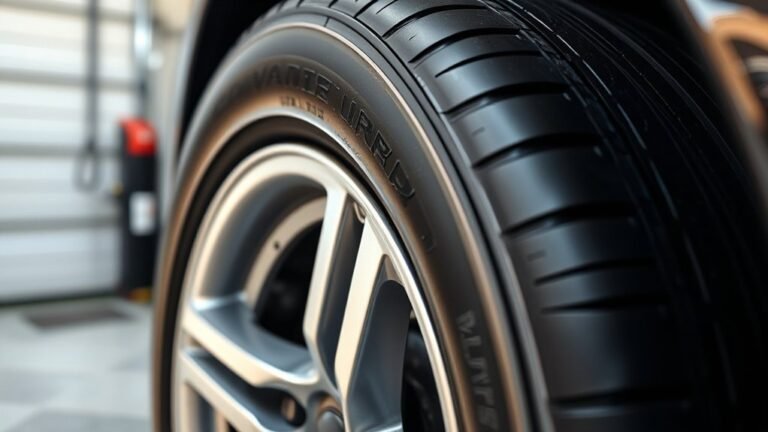
Tire tread loss reduces grip and balance, leading to uneven rotation. Sidewall deformities, such as bulges or bubbles, cause instability by changing the tire’s roundness. Embedded objects like nails or stones affect the tire’s uniform shape and weight distribution.
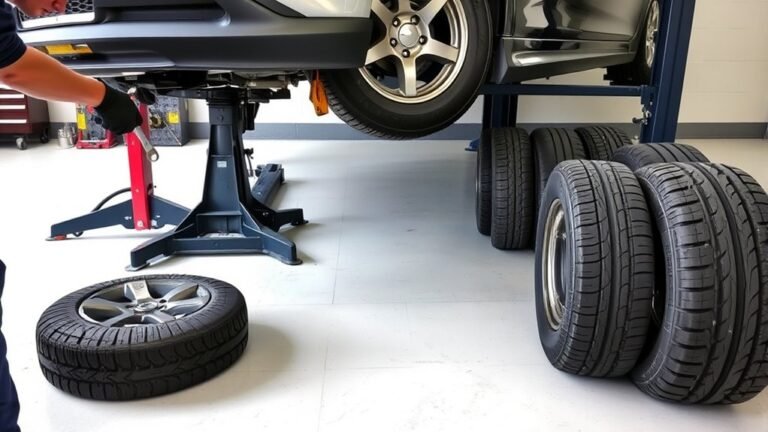
Tire imbalance from improper mounting or missing wheel weights also causes vibration. When tires spin unevenly, they produce cyclical forces that shake the steering wheel or floorboard. Regular tire inspections and balancing can prevent these issues.
Summary of causes of car shaking from tires:
- Worn or uneven tread
- Sidewall bulges or bubbles
- Embedded objects disrupting shape
- Tires out of balance due to improper mounting or missing weights
Maintaining proper tire condition and balance is essential for a smooth ride and to avoid vibration unrelated to other mechanical problems.
How Uneven Tire Wear Causes Car Shaking
Uneven tire wear causes vehicle shaking by disrupting tire balance and rotation. Worn tire areas create irregular contact with the road, causing vibrations that increase with speed. These vibrations transfer through the steering wheel, floor, or seat depending on the affected tire.
Uneven tire wear disrupts balance, causing vibrations that worsen with speed and transfer through the vehicle.
Uneven tire wear often results from wheel misalignment, incorrect tire pressure, or suspension problems. Misaligned wheels cause tires to wear on one edge. Over- or under-inflated tires wear unevenly across the tread. Suspension issues lead to abnormal tire contact patterns.
When a tire wears unevenly, its surface does not roll smoothly. The worn section hits the road harder, causing the tire to wobble or vibrate. This vibration spreads through the vehicle frame and can affect handling and comfort.
Consequences of uneven tire wear include faster tire deterioration, reduced traction, and compromised safety. Uneven wear lowers the tire’s grip on the road, increasing the risk of skidding or loss of control.
To prevent car shaking caused by uneven tire wear:
- Check tire pressure regularly and adjust to manufacturer specifications.
- Inspect wheel alignment and correct if necessary.
- Maintain suspension components and repair worn parts.
- Rotate tires periodically to promote even wear.
Early detection and correction of uneven tire wear help maintain smooth driving and vehicle stability.
Why Tire Balancing Is Key to a Smooth Ride
Tire balancing ensures that the wheel’s weight is evenly distributed around its axis. Balanced tires reduce vibrations and improve ride smoothness by preventing wheel wobble during rotation.
Imbalanced tires cause vibrations felt in the steering wheel or throughout the vehicle at certain speeds. This happens because uneven weight creates wobbling forces as the wheel spins.
Technicians balance tires by attaching small weights to offset heavy spots. These weights allow the wheel to rotate evenly, eliminating vibrations.
Failure to balance tires leads to uneven tire wear and puts extra stress on suspension parts. This can shorten tire life and increase maintenance costs.
Regular tire balancing maintains proper road contact, which improves vehicle handling and driver comfort. It also reduces common causes of vibration, contributing to safer driving.
Summary of tire balancing benefits:
- Eliminates wheel vibration
- Prevents uneven tire wear
- Protects suspension components
- Enhances handling and comfort
- Supports overall vehicle safety
How Wheel Alignment Problems Cause Car Vibrations
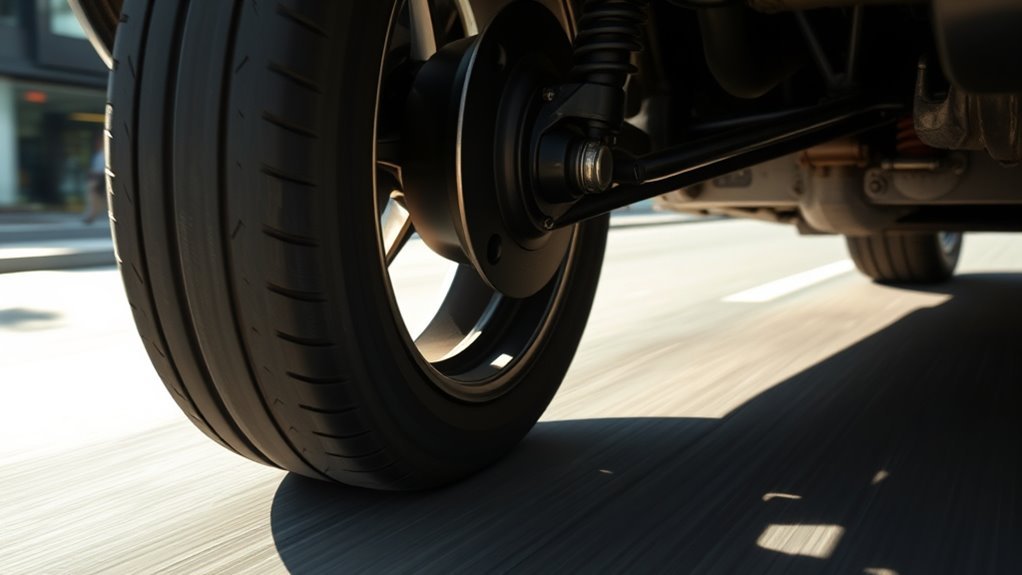
Wheel alignment problems cause car vibrations by disrupting the wheels’ proper angles. Misaligned wheels do not track correctly, producing shaking felt in the steering wheel and chassis. This vibration often accompanies uneven tire wear and instability during driving.
Misaligned wheels create uneven contact between tires and the road. Tires wear unevenly, which reduces traction and causes the vehicle to shake. The shaking is more noticeable at higher speeds or when braking.
Common causes of wheel misalignment include:
- Hitting potholes
- Striking curbs
- Suspension component wear
Misalignment differs from tire imbalance. Misaligned wheels often cause the vehicle to pull to one side, while imbalance mainly causes vibration without directional pull.
Wheel alignment requires adjusting three key angles:
- Camber – the tilt of the wheels inward or outward
- Toe – the direction wheels point relative to the vehicle’s centerline
- Caster – the angle of the steering axis
Technicians align wheels to manufacturer specifications. Proper alignment improves tire life and handling. It also reduces vibrations caused by uneven tire-road contact.
Regular alignment checks prevent ongoing shaking and improve vehicle stability. Addressing alignment issues early avoids excessive tire wear and maintains safer driving conditions.
How Speed Affects Tire Vibration Symptoms
Speed changes how tire vibrations feel in a vehicle. At low speeds, tire imperfections cause slight vibrations. As speed rises, vibrations grow stronger because centrifugal forces increase. Some vibrations happen only at certain speeds when tire rotation matches vehicle component frequencies. High speeds can make issues like imbalance worse.
Tire vibrations often start subtle at slow speeds. Uneven tire wear or minor imbalances create light shaking that is easy to ignore. Drivers may not notice these vibrations during slow city driving or parking maneuvers.
Increasing speed amplifies tire vibrations. Centrifugal force pulls on the tire’s uneven parts harder, making vibrations stronger. This effect becomes clear on highways or faster roads, where shaking may become uncomfortable or unsafe.
Resonance speeds cause unique vibration patterns. When tire rotation frequency matches the natural vibration frequency of vehicle parts, shaking intensifies. This resonance occurs in specific speed ranges and can make otherwise minor tire issues more apparent.
High-speed driving reveals more serious tire problems. Imbalanced tires or tread separation create harsh shaking at fast speeds. These conditions can reduce vehicle control and increase wear on suspension components.
Summary of how speed affects tire vibration symptoms:
- Low speed: slight vibrations from minor tire defects
- Medium speed: increasing vibration intensity due to centrifugal force
- Resonance speed: strong vibration from frequency matching
- High speed: severe shaking from imbalance or tread issues
Understanding these patterns helps diagnose tire-related shaking versus other vehicle problems.
How Brake Issues Can Feel Like Tire Vibrations
Brake problems can cause vibrations similar to those from tire issues. Warped rotors, worn pads, or loose components often create shaking felt mainly when braking. Recognizing these signs helps distinguish brake-related vibrations from tire problems.
Warped brake rotors cause uneven contact with brake pads. This imbalance creates pulsations felt through the brake pedal and steering wheel during braking. The shaking occurs because the rotor surface is no longer flat, leading to inconsistent friction.
Worn brake pads reduce braking efficiency and may cause vibrations. When pads wear unevenly or become thin, they fail to grip the rotor smoothly. This issue can produce noticeable shaking during deceleration or stopping.
Loose brake components, such as calipers or mounting hardware, can also cause vibrations. Movement in these parts affects brake operation and creates shaking sensations during brake application.
Brake-induced vibrations differ from tire-related ones in these ways:
- Brake vibrations increase or appear only when pressing the brake pedal.
- Tire vibrations usually occur at certain speeds regardless of braking.
- Brake vibrations often come with a pulsating pedal or steering feedback.
- Tire vibrations may feel more constant or linked to road surface.
Checking the brake system involves inspecting rotors for warping, measuring pad thickness, and ensuring all components are secure. Proper diagnosis allows targeted repairs, improving vehicle safety and ride comfort.
How to Diagnose and Fix Car Shaking Quickly
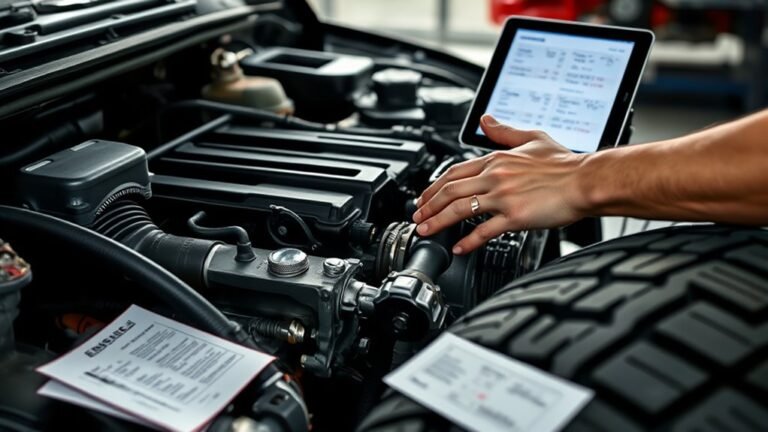
Car shaking often indicates mechanical issues affecting safety and comfort. Diagnosing the cause requires a step-by-step inspection of tires, wheels, suspension, brakes, and driving conditions. Fixing the problem depends on identifying the exact source and addressing it promptly.
Car shaking signals potential mechanical problems; thorough inspection and timely repair ensure safety and comfort on the road.
Step 1: Inspect Tires
Check tires for uneven wear, bulges, cuts, and proper air pressure. Uneven wear can signal alignment or suspension problems. Low tire pressure causes imbalance and vibration.
Step 2: Check Wheel Balance and Alignment
Unbalanced wheels cause shaking at certain speeds. Professional wheel balancing corrects weight distribution. Misaligned wheels wear tires unevenly and cause vibrations. Alignment adjustment realigns wheels to manufacturer specifications.
Step 3: Examine Suspension and Wheel Bearings
Worn suspension parts like shocks, struts, or bushings can cause shaking. Loose or damaged wheel bearings also create vibrations and noise. Inspect these components for wear or damage.
Step 4: Inspect Brakes
If shaking occurs during braking, warped brake rotors or worn pads often cause the issue. Brake rotor resurfacing or replacement and pad replacement restore smooth braking.
Step 5: Conduct a Test Drive
Drive at different speeds to identify when shaking happens. Speed-related vibration often relates to tires or wheel balance. Shaking when braking points to brake issues.
Fixing the Problem
- Replace or balance tires if damaged or uneven.
- Adjust wheel alignment to correct uneven tire wear and vibrations.
- Repair or replace worn suspension components and wheel bearings.
- Service brakes by resurfacing or replacing rotors and pads.
Addressing shaking promptly prevents further damage and ensures vehicle stability. If diagnostics are unclear, consult a professional mechanic to avoid incorrect repairs.
Frequently Asked Questions
Can Tire Pressure Alone Cause My Car to Shake?
Can tire pressure alone cause my car to shake?
Yes, incorrect tire pressure can cause car vibrations. Over- or under-inflated tires change the contact patch, leading to uneven wear or imbalance and causing shaking, especially at low speeds. However, tire pressure is often one of several factors, including wheel alignment and suspension issues.
Do Bad Tires Affect Fuel Efficiency?
Do bad tires affect fuel efficiency?
Yes, bad tires reduce fuel efficiency by increasing rolling resistance, making the engine work harder and consume more fuel.
How do worn or improperly inflated tires impact fuel consumption?
They increase rolling resistance and energy loss, leading to higher fuel consumption.
Can uneven or damaged tires affect fuel economy?
Yes, they reduce traction and increase energy loss, lowering fuel efficiency.
How can proper tire maintenance improve fuel efficiency?
Maintaining correct tire pressure and timely replacement optimize fuel economy by reducing engine strain and saving fuel.
How Often Should I Replace My Tires to Avoid Shaking?
How often should I replace my tires to avoid shaking?
Replace tires every 6 years or when tread depth is below 2/32 inch. Inspect regularly for uneven wear, bulges, or cracks. Maintain proper balancing and alignment to prevent vibrations. Follow manufacturer guidelines for a safer, smoother ride.
Can Weather Conditions Influence Tire-Related Vibrations?
Can weather conditions influence tire-related vibrations?
Yes, weather conditions can affect tire-related vibrations. Cold temperatures harden tires, reducing grip and increasing vibrations. Wet or icy roads cause uneven tire wear, leading to imbalance and shaking. Extreme heat impacts tire pressure, resulting in uneven road contact. These factors can cause or worsen vibrations and affect vehicle stability.
Are Run-Flat Tires More Prone to Causing Car Shake?
Are run-flat tires more prone to causing car shake?
Run-flat tires are not inherently more likely to cause car shake. However, their stiffer sidewalls can transmit road imperfections more, potentially leading to vibrations. Uneven wear, damage, or improper balancing of run-flat tires can also cause shaking. Proper maintenance like regular rotation and alignment helps prevent these issues.