How to Repair a Car Radiator Leak: Temporary Steps vs. Permanent Repair
A car radiator leak often shows up as coolant puddles under the vehicle or a dropping coolant reservoir level. You may also notice the engine overheating. These signs indicate your radiator is losing fluid and needs attention.
Temporary fixes can help in emergencies. Adding sealants or emergency additives to a cold radiator can seal small cracks. These solutions provide short-term relief but are not permanent. They are best used to get you to a repair shop safely.
For lasting results, permanent repairs are necessary. This may involve welding, soldering, or replacing the radiator. Proper maintenance can help prevent leaks before they start.
Understanding when to use temporary fixes and when to opt for permanent repair ensures your cooling system stays reliable.
How to Quickly Identify a Radiator Leak
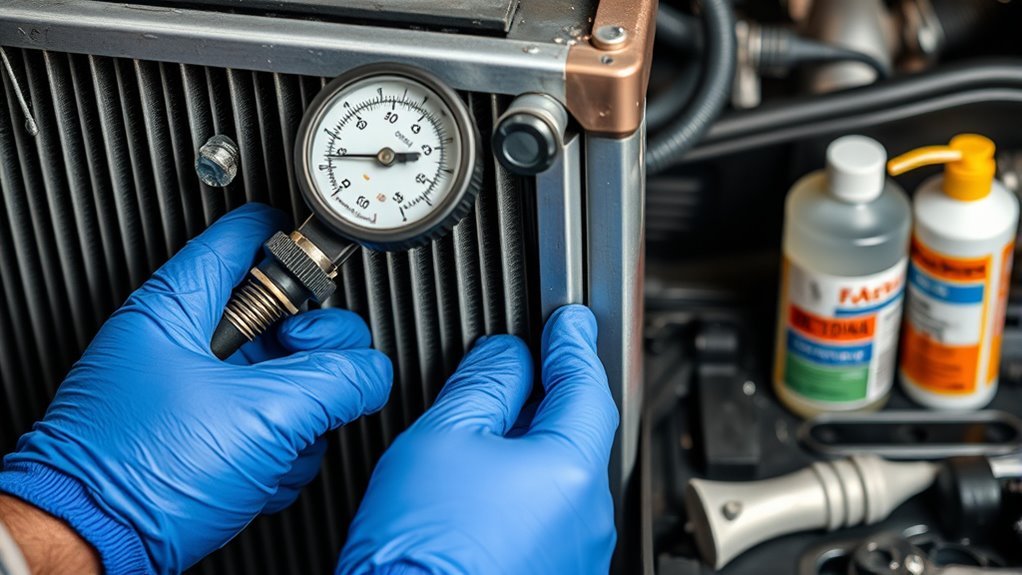
A radiator leak is usually identified by visible coolant puddles under the vehicle and a drop in coolant levels. Coolant often appears bright green, orange, or pink, making leaks easier to detect. Signs include engine overheating, steam, or a sweet smell near the front of the vehicle.
Visible coolant indicates a leak. Look under the vehicle for puddles matching coolant colors. Check the coolant reservoir for low fluid levels, as leaks reduce the system’s capacity.
Engine overheating occurs when coolant leaks reduce circulation. Without enough coolant, the engine cannot dissipate heat effectively. Watch the temperature gauge for unusual rises.
Steam or a sweet smell near the radiator signals escaping coolant. Coolant’s smell helps distinguish leaks from other fluid issues.
Inspect radiator hoses and connections for wet spots or corrosion. These areas often cause leaks due to wear or damage.
Perform a pressure test on the cooling system to detect hidden leaks. This test pressurizes the system to reveal leaks not visible to the naked eye.
Summary of radiator leak signs:
- Coolant puddles under the vehicle
- Low coolant reservoir level
- Engine overheating warning
- Steam or sweet coolant odor near the radiator
- Wet or corroded hoses and connections
- Positive cooling system pressure test
Early identification of radiator leaks prevents engine damage and costly repairs by maintaining proper coolant levels and circulation.
Temporary Fixes to Stop Radiator Leaks on the Road
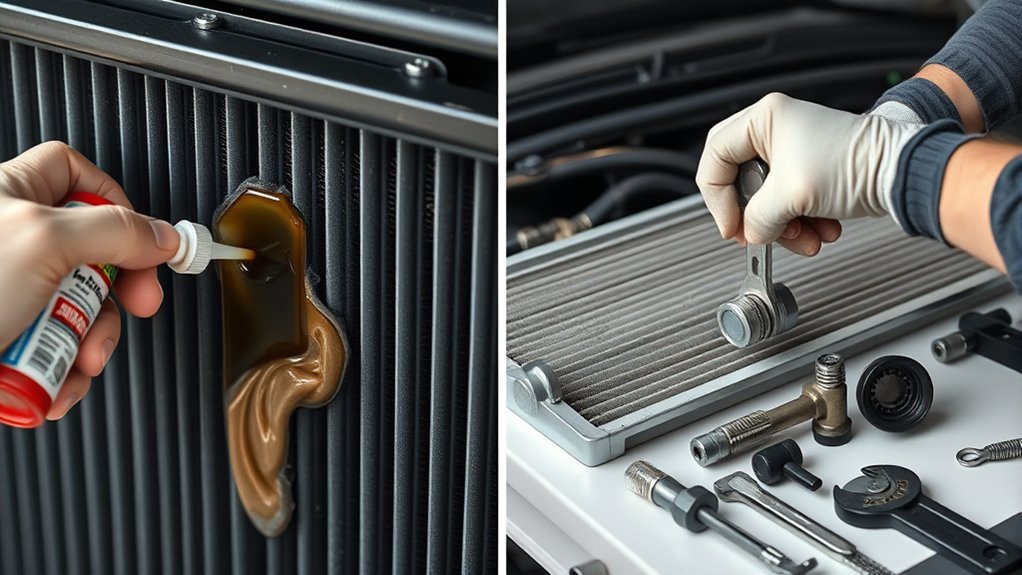
Temporary solutions can provide brief relief for radiator leaks when immediate repairs are unavailable. Quick sealant applications create a barrier to slow or stop fluid loss, while emergency coolant additives help seal minor cracks from within the system. These measures offer a short-term fix to keep the vehicle operational until proper maintenance can be performed.
Quick Sealant Applications
Quick sealant applications temporarily stop radiator leaks by sealing small cracks or holes. These sealants mix with coolant and form a barrier inside the radiator system. They are a temporary fix to enable safe travel until professional repair is possible.
Radiator sealants come in liquid or powder forms. The product is added to the radiator or coolant reservoir when the engine is cold. Once the engine runs, the sealant circulates and adheres to damaged areas, blocking leaks.
Use sealants only for minor leaks. Overuse can clog radiator parts and reduce cooling efficiency. These products do not replace proper diagnosis or permanent repair by a mechanic.
Summary of quick sealant application:
- Add sealant to a cold radiator or coolant reservoir
- Run engine to circulate sealant
- Sealant bonds to cracks and holes
- Stops small leaks temporarily
- Not a permanent fix
- Avoid overuse to prevent clogging
- Seek professional repair promptly
Quick sealants provide a short-term solution for radiator leaks but require follow-up maintenance for long-term engine health.
Emergency Coolant Additives
Emergency coolant additives seal small radiator leaks temporarily and maintain pressure in the cooling system. They allow drivers to reach a repair shop safely but are not permanent fixes. Users must follow instructions and replace damaged components promptly after use.
Emergency coolant additives contain fine particles or fibers that circulate with the coolant. These particles gather at leak points and create a temporary seal. The additives work quickly and are designed for emergency use on the road.
Using emergency coolant additives for a long time can cause clogging in the radiator and heater core. This clogging may lead to further damage or reduced cooling efficiency. Therefore, these products should only be used as a short-term measure.
Follow the manufacturer’s instructions precisely when applying these additives. After reaching a repair facility, flush the cooling system and replace any damaged parts. Emergency coolant additives do not replace professional repairs but provide a practical stopgap.
When and How to Use Radiator Leak Sealants
Radiator leak sealants provide a temporary fix for small leaks in the radiator or hoses. They work best on minor cracks or pinholes and are not suitable for large or structural damage. Sealants help reduce coolant loss until a professional repair can be done.
Radiator leak sealants offer a quick, temporary solution for minor cracks and pinholes in cooling systems.
Radiator leak sealants target leaks in the radiator core or hoses. The engine must be cool before use. Flush the radiator to clear debris. Add the sealant through the filler neck or overflow reservoir, following product instructions.
Once added, run the engine to circulate the sealant. It hardens when exposed to air or moisture at the leak site, sealing the breach. This action creates a temporary blockage that stops coolant from escaping.
Do not use sealants for major radiator damage or leaks in structural components. These products serve as a short-term measure and do not replace professional inspection or repair. Persistent or large leaks require expert service to avoid engine damage.
Signs You Need a Permanent Radiator Leak Repair or Replacement
A permanent radiator leak repair or replacement is necessary when leaks persist despite temporary fixes or when visible damage affects radiator function. Signs include continuous coolant loss, cracks, corrosion, overheating, and coolant puddles under the vehicle. Addressing these issues promptly prevents engine damage and ensures reliable cooling.
Radiator leak sealants provide short-term relief but do not fix underlying problems. If coolant levels drop after using sealants, the leak likely requires professional repair or replacement.
Visible damage such as cracks, corrosion, or holes in the radiator core or tanks indicates structural failure. Such damage compromises the radiator’s ability to cool the engine efficiently.
Overheating or fluctuating temperature gauges signal coolant circulation problems. These symptoms often result from leaks or internal radiator damage that must be permanently fixed.
Coolant puddles under the vehicle or steam from the engine bay confirm active leaks. These signs point to significant radiator failure and risk engine overheating.
Ignoring these symptoms can lead to severe engine damage due to insufficient cooling. Timely inspection and definitive radiator repair or replacement protect engine health and vehicle reliability.
Best Ways to Permanently Fix Radiator Leaks
Permanent radiator leak repairs often involve welding or soldering to restore damaged areas. In some cases, replacing the entire radiator is necessary for a reliable fix. Additionally, professional leak sealants can provide a durable solution when applied correctly.
Welding and Soldering Methods
Welding and soldering seal car radiator leaks by joining metal parts to restore strength. Welding melts metals at high heat, fitting for large or severe leaks on aluminum or steel radiators. Soldering uses lower heat and filler metal, suited for small leaks on copper or brass radiators.
Welding applies intense heat to melt and fuse base metals. It creates strong, permanent joints that withstand pressure and temperature changes. Aluminum and steel radiators often require welding for cracks or holes that affect structural integrity. Welding demands clean, dry surfaces and skilled operators to prevent damage.
Soldering involves heating a filler metal with a melting point below the base metals. It seals small leaks in copper or brass radiators without melting the radiator metal itself. Proper surface cleaning is critical to ensure the solder bonds well. Soldering requires precise temperature control and appropriate flux to avoid weak joints.
Comparison of Welding and Soldering for Radiators:
| Aspect | Welding | Soldering |
|---|---|---|
| Heat Level | High (melts base metals) | Low (melts filler metal only) |
| Suitable Metals | Aluminum, steel | Copper, brass |
| Leak Size | Large, structural damage | Small leaks |
| Joint Strength | Strong, permanent | Moderate, suitable for small repairs |
| Equipment Needed | Welding machine, protective gear | Soldering iron, flux |
| Skill Required | High | Moderate |
Proper surface preparation includes thorough cleaning and drying to remove dirt, oil, and corrosion. Both welding and soldering require experienced technicians and suitable tools to avoid worsening leaks or damaging radiator parts.
When done correctly, welding and soldering restore radiator integrity. They prevent coolant loss and help maintain engine cooling efficiency over time.
Radiator Replacement Process
Radiator replacement is the process of removing a damaged radiator and installing a new one to restore the vehicle’s cooling system. It is necessary when leaks or damage cannot be repaired by welding or soldering. Proper replacement prevents coolant loss and engine overheating.
The radiator replacement process includes these steps:
- Drain the coolant to avoid spills during removal.
- Detach hoses and clamps connected to the radiator.
- Disconnect electrical connectors for cooling fans and sensors.
- Remove mounting bolts securing the radiator.
- Lift out the old radiator carefully.
- Install a new radiator that matches the vehicle’s specifications.
- Reattach mounting bolts, hoses, clamps, and electrical connectors in reverse order.
- Refill the cooling system with the correct coolant type.
- Check the system for leaks and proper operation.
Matching the new radiator to the vehicle’s model and engine type ensures correct fit and function. After installation, testing confirms the cooling system works efficiently without leaks. Radiator replacement offers a permanent fix when damage is extensive or recurring.
Professional Leak Sealants
Professional leak sealants are chemical compounds used to repair radiator leaks when replacement is not an option. They seal cracks and small holes inside the cooling system, restoring function without major disassembly.
These sealants work by circulating with the coolant and bonding to damaged areas. They form a durable barrier that withstands heat and pressure, preventing further leakage.
Key benefits of professional leak sealants:
- Compatibility: Suitable for different radiator materials such as aluminum, plastic, and copper. They do not corrode or degrade radiator components.
- Durability: Designed to resist high temperatures and system pressure, maintaining a strong seal during normal engine operation.
- Ease of Use: Applied directly into the coolant reservoir. This process requires no special tools and minimal vehicle preparation.
Professional leak sealants provide a practical and cost-effective way to fix radiator leaks when immediate replacement or repair is not feasible. They extend radiator life and reduce downtime.
How to Prevent Radiator Leaks With Proper Maintenance
Proper radiator maintenance prevents leaks by keeping the cooling system in good condition. Regular checks and cleaning stop corrosion and buildup. Replacing worn hoses and parts avoids pressure damage. Flushing removes debris and maintains heat transfer efficiency.
Radiator maintenance includes these key tasks, their frequency, and purpose:
| Maintenance Task | Frequency | Purpose |
|---|---|---|
| Coolant Level Check | Monthly | Prevent overheating and corrosion |
| Radiator Flush | Every 2 years | Remove debris and buildup |
| Hose Inspection | Every 6 months | Detect cracks and weak spots |
| Radiator Cap Check | Annually | Maintain proper system pressure |
| External Cleaning | Monthly | Improve cooling efficiency |
Regularly checking coolant levels helps maintain the right temperature and reduces corrosion risk. Flushing the radiator every two years removes rust, scale, and dirt that block coolant flow. Inspecting hoses twice a year identifies cracks or leaks before they cause failure. Testing the radiator cap yearly ensures it holds the correct pressure to prevent leaks. Cleaning the radiator surface monthly clears dirt for better airflow and cooling.
Frequently Asked Questions
Can a Radiator Leak Cause Engine Overheating Instantly?
A radiator leak can cause engine overheating, but not always instantly. Small leaks lead to gradual overheating, while large leaks can cause rapid coolant loss and quicker temperature rise. Instant overheating is rare and usually due to major leaks.
Are All Radiator Leak Sealants Safe for All Car Models?
Are all radiator leak sealants safe for all car models?
No, radiator leak sealants vary in chemical composition and are not universally safe for all vehicles. Different car models have varying radiator materials and designs, so using the wrong sealant can cause clogs or damage. Always consult your vehicle’s manufacturer guidelines or a professional mechanic to ensure compatibility and protect your engine.
How Much Does a Professional Radiator Repair Typically Cost?
A professional radiator repair usually costs between $300 and $900. Minor repairs like patching small holes are less expensive, while full replacements or major damage cost more. Prices vary based on vehicle make, model, and labor rates. Always get a detailed estimate from a certified mechanic before proceeding.
Can Using the Wrong Coolant Worsen a Radiator Leak?
Can using the wrong coolant worsen a radiator leak?
Yes, using the wrong coolant can worsen a radiator leak by causing corrosion and damaging seals and metal parts. It can also reduce cooling efficiency, leading to overheating and further damage. Always use the coolant recommended by the vehicle manufacturer to protect the radiator and prevent leaks from getting worse.
Is It Safe to Drive Long Distances With a Temporary Radiator Fix?
Is it safe to drive long distances with a temporary radiator fix?
No, driving long distances with a temporary radiator fix is not safe. Temporary repairs only provide short-term relief and can lead to coolant loss, engine overheating, and severe engine damage. It’s best to get a permanent repair before taking extended trips.