How Often Should You Take Your Car in for Maintenance? Mileage, Time, and Driving Conditions
Car maintenance is essential to keep your vehicle running smoothly. Most experts recommend service every 5,000 to 10,000 miles or every 6 to 12 months. However, the exact schedule depends on your car’s make and model.
Mileage plays a key role because parts wear down with use. At the same time, time affects fluids and rubber parts, which can degrade even without much driving. Both factors matter when planning maintenance.
Your driving conditions also influence how often you need service. Harsh environments, like extreme heat or heavy traffic, increase wear and tear. Adjusting maintenance to your habits helps ensure safety and extend your car’s life.
How Often Should You Service Your Car?
The frequency of car servicing depends on the vehicle’s make, model, driving conditions, and manufacturer guidelines. Most cars require routine service every 5,000 to 10,000 miles or every 6 to 12 months to maintain performance and safety.
Car manufacturers set specific service intervals based on engine type and design. These intervals usually appear in the owner’s manual. Following the manufacturer’s schedule helps avoid premature wear and costly repairs.
Driving conditions affect service frequency. Harsh environments like extreme heat, dusty roads, or frequent short trips increase the need for more frequent maintenance. These conditions accelerate wear on fluids and components.
Routine servicing includes:
- Oil and filter changes
- Fluid level checks (coolant, brake, transmission)
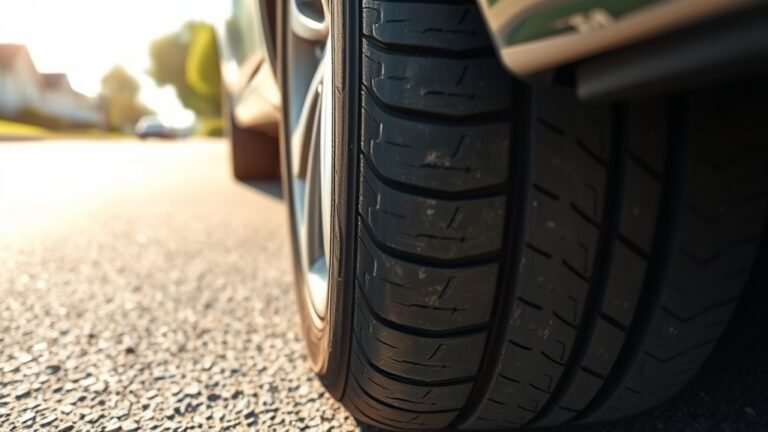
- Brake and tire inspections
- Engine and safety system diagnostics
Regular service supports warranty compliance. Ignoring maintenance can void warranty coverage and lead to expensive repairs.
Summary:
| Factor | Recommended Service Frequency | Notes |
|---|---|---|
| Normal driving | Every 5,000 to 10,000 miles or 6-12 months | Follow owner’s manual guidelines |
| Harsh conditions | More frequent than normal schedule | Includes dusty, hot, or stop-and-go driving |
| Manufacturer specs | As outlined in the owner’s manual | Critical for warranty and vehicle health |
Adhering to these guidelines ensures your car stays reliable, efficient, and safe, without unnecessary expenses or neglect.
How Mileage Influences Your Car Maintenance Schedule
Mileage measures how much a vehicle has been driven and directly impacts its maintenance schedule. Higher mileage usually means parts wear faster and require more frequent checks and replacements. Tracking mileage helps ensure timely servicing for safety and performance.
Mileage reflects vehicle use and guides necessary maintenance to keep parts in optimal condition and ensure safety.
Mileage guides when to perform key maintenance tasks. Common services like oil changes, tire rotations, and brake inspections are often scheduled based on mileage intervals. For example, many manufacturers recommend oil changes every 5,000 to 10,000 miles.
Vehicle manufacturers publish maintenance schedules tied to specific mileage milestones. Following these guidelines helps prevent premature wear and costly repairs. Ignoring mileage-based recommendations can reduce a car’s lifespan and increase breakdown risk.
Low-mileage cars generally need less frequent servicing, but mileage remains a primary factor in maintenance decisions. Regularly recording mileage aligns service timing with actual vehicle use, supporting reliability and longevity.
Summary of maintenance tasks by mileage:
- Every 3,000–5,000 miles: Oil and oil filter change
- Every 5,000–7,500 miles: Tire rotation and brake check
- Every 15,000–30,000 miles: Air filter replacement and fluid checks
- Every 30,000–60,000 miles: Transmission service and spark plug replacement
Tracking mileage accurately ensures maintenance matches wear and use patterns, protecting your vehicle’s condition and value.
Why Time Since Last Service Matters for Car Maintenance
The time elapsed since the last service is critical for car maintenance because vehicle components and fluids degrade over time, regardless of mileage. Regular service intervals based on time help prevent issues caused by aging parts and fluids, ensuring safety and performance.
Rubber parts like belts and hoses can dry out and crack with age. Engine oil breaks down and loses its lubricating properties. Brake fluid can absorb moisture, reducing braking efficiency. Corrosion and buildup may develop in systems that sit unused for extended periods.
Scheduled maintenance based on time intervals complements mileage-based service. It addresses wear and tear that mileage alone does not reveal. Ignoring time-based service can cause unexpected failures and increase repair costs.
Key reasons to follow time-based maintenance:
- Rubber components deteriorate over months or years.
- Fluids degrade and lose effectiveness over time.
- Corrosion and deposits accumulate in unused systems.
- Safety and performance depend on fresh fluids and intact parts.
- Timely service prevents costly repairs and breakdowns.
Combining time and mileage guidelines helps maintain vehicle reliability and efficiency. This approach protects the car’s longevity, even when usage is low or irregular.
How Driving Conditions Affect Your Maintenance Timing
Maintenance schedules based on time and mileage offer a baseline for vehicle care. However, actual driving conditions directly affect when maintenance is necessary. Harsh environments cause faster wear on parts, requiring more frequent service to avoid breakdowns and expensive repairs.
Harsh driving conditions increase stress on vehicle systems. Extreme temperatures, dusty roads, and heavy stop-and-go traffic accelerate wear on filters, brakes, fluids, and tires. Drivers in such conditions should monitor these components more closely than those driving in mild, steady environments.
Effects of Common Driving Conditions on Maintenance
| Driving Condition | Maintenance Impact | Emotional Response |
|---|---|---|
| City Stop-and-Go | Brakes wear faster | Frustration from delays |
| Rough, Dusty Roads | Filters clog sooner | Anxiety over vehicle damage |
| Extreme Temperatures | Fluids degrade more quickly | Concern about reliability |
| Long Highway Drives | Slower wear on components | Confidence in performance |
City driving with frequent stops causes brake pads and rotors to wear faster. Drivers should schedule brake inspections more often to maintain safety.
Dusty or rough roads lead to faster dirt buildup in air and cabin filters. Regular filter replacement is necessary to protect the engine and ensure clean air inside the vehicle.
Extreme heat or cold accelerates the breakdown of engine oil, coolant, and other fluids. Checking and replacing fluids more frequently helps maintain engine health.
Long highway drives generate steady, moderate wear. Vehicles used mostly on highways often require less frequent maintenance on brakes and tires but should still follow basic schedules.
Understanding your driving conditions helps tailor maintenance intervals. Adjusting service timing based on environment and habits prevents unexpected failures and extends vehicle life.
Maintenance Tasks and Tips to Tailor Your Schedule
Maintenance schedules should adapt to driving habits and conditions to keep vehicles safe and efficient. Standard intervals guide basic tasks like oil changes and brake checks. Adjust frequency based on factors such as climate, terrain, and driving style for optimal care and reduced repair costs.
Standard maintenance tasks include oil changes, tire rotations, and brake inspections. Harsh environments like extreme heat, cold, or dusty roads require more frequent service. Monitoring belts, filters, and fluid levels depends on how intensively the vehicle is used.
City drivers experience frequent stops and starts. This increases brake wear, so brakes should be inspected more often. Highway drivers cover longer distances at steady speeds. They should focus on tire condition and suspension health to maintain stability and safety.
Vehicle owners should use the manufacturer’s manual as a baseline. Tracking mileage and noting any performance changes help customize the maintenance schedule. Proactive adjustments prevent breakdowns and extend vehicle life.
Summary of maintenance adjustments by driving conditions:
| Driving Condition | Recommended Focus | Maintenance Frequency |
|---|---|---|
| City driving | Brake inspections | Increase frequency |
| Highway driving | Tires and suspension | Regular assessments |
| Harsh environments | Oil, filters, belts, fluids | More frequent checks |
Customizing maintenance schedules improves vehicle reliability and safety. Regular monitoring and adapting to unique driving patterns ensure the vehicle performs as intended.
Frequently Asked Questions
Can I Perform Car Maintenance Myself or Should I Always Hire a Mechanic?
Can I perform car maintenance myself?
Yes, simple tasks like oil changes and air filter replacements can be done yourself, offering savings and satisfaction.
Should I always hire a mechanic for car maintenance?
For complex repairs and modern vehicle systems, hiring a professional mechanic ensures safety and proper handling.
What factors determine whether I should DIY or hire a mechanic?
Your confidence, skill level, and the complexity of the maintenance required should guide your decision.
How Does Climate Impact My Car’s Maintenance Needs?
How does climate affect my car’s maintenance needs?
Climate impacts car maintenance by influencing which components need more attention. In cold areas, check the battery, antifreeze, and tires often. Hot climates require frequent coolant and air conditioning maintenance. Humid or coastal regions increase rust risk, so regular inspections and protective treatments are essential. Adapting maintenance to your climate ensures better reliability and longer vehicle life.
What Are the Signs My Car Needs Immediate Maintenance?
Signs your car needs immediate maintenance include the check engine light turning on, unusual noises, spongy or unresponsive brakes, and the vehicle pulling to one side. Other urgent indicators are smoke from the exhaust, fluid leaks, or a sudden drop in performance. Ignoring these signs can compromise safety and lead to costly repairs.
Does Car Age Affect How Often I Should Service It?
Car age impacts service frequency. Older cars need more frequent maintenance due to wear, aging parts, and fluid degradation. Even with low mileage, regular inspections and upkeep help maintain reliability and avoid costly repairs.
Are There Maintenance Differences Between Electric and Gasoline Cars?
Do electric cars require less maintenance than gasoline cars?
Yes, electric cars need less frequent maintenance since they don’t require oil changes, spark plug replacements, or exhaust system repairs.
What maintenance do electric car batteries need?
Electric car batteries require periodic checks and coolant system upkeep to ensure optimal performance.
Is brake wear different between electric and gasoline cars?
Electric cars experience less brake wear due to regenerative braking, which reduces the need for frequent brake service.
How do maintenance needs differ for gasoline cars?
Gasoline cars require more regular engine tune-ups and fluid replacements because of their complex internal combustion engines.
Why do maintenance schedules differ between electric and gasoline vehicles?
The simpler design of electric cars leads to fewer routine maintenance tasks, while gasoline cars need more frequent servicing due to their mechanical complexity.