How Can You Tell the Age of a Car Tire? Read the DOT Date Code and Check Condition
Knowing the age of a car tire is important for safety. Tires degrade over time, even if the tread looks good. Old tires can fail unexpectedly, causing accidents.
You can find the tire’s age by reading the DOT date code on the sidewall. Look for the last four digits. These numbers show the week and year the tire was made. For example, “2519” means the tire was manufactured in the 25th week of 2019.
Besides the date code, check the tire’s condition. Look for cracks, bulges, or uneven wear. These signs indicate the tire may need replacing.
Understanding tire age and condition helps you keep your vehicle safe on the road.
How to Find the DOT Date Code on Your Tire
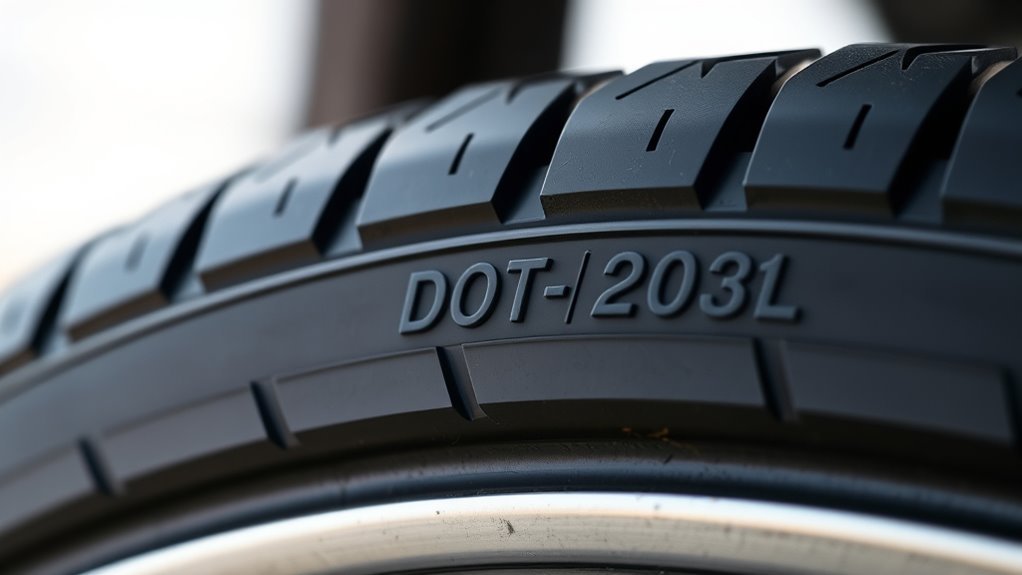
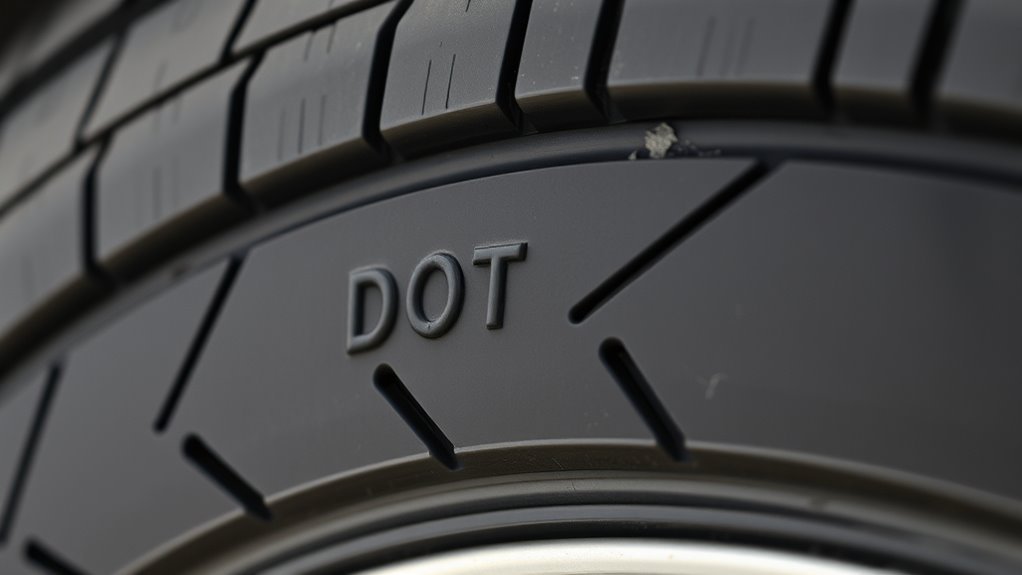
The DOT date code on a tire shows when the tire was made. It is part of a longer code starting with “DOT” on the tire’s sidewall. The last four digits of this code indicate the week and year of manufacture.
The DOT date code reveals the tire’s manufacture week and year, found in the last four digits on the sidewall.
The DOT code appears on the tire’s outer sidewall in most cases. Some tires place the code on the inner sidewall, which may require rotating or removing the tire to see. The full DOT sequence begins with “DOT” and includes letters and numbers that identify the tire plant and size.
The date code uses four digits:
- The first two digits show the week of manufacture (01 to 52).
- The last two digits show the year (e.g., “19” for 2019).
For example, “2519” means the tire was made in the 25th week of 2019.
To read the DOT code clearly:
- Inspect the tire under good lighting.
- Look for embossed characters on the sidewall.
- Clean the tire surface if dirt or wear obscures the code.
Decoding What the DOT Date Code Tells You About Tire Age
The DOT date code shows the exact week and year a tire was made. It is a four-digit number at the end of the DOT code on the tire’s sidewall. This code helps determine the tire’s age, which is important because tires degrade over time regardless of use.
The DOT code consists of letters and numbers molded into the tire’s sidewall. The last four digits indicate the week and year of manufacture:
- The first two digits show the week (01 to 52).
- The last two digits show the year (e.g., 19 for 2019).
Example: A DOT code ending in “2319” means the tire was made in the 23rd week of 2019.
Tires made before 2000 may have a three-digit code with a different format:
- The first two digits indicate the week.
- The last digit indicates the year within the decade.
Reading the DOT date code reveals the tire’s production date. Knowing this date helps assess tire safety and decide when to replace tires.
Why Tire Age Matters Even If the Tread Looks Fine
Tire age indicates a tire’s safety and performance potential beyond tread condition. Rubber compounds in tires degrade over time due to heat, oxygen, and UV light exposure. This degradation reduces elasticity and strength, increasing the risk of tire failure and affecting vehicle control.
Rubber deterioration can cause blowouts or tread separation even if tread depth looks sufficient. Older tires lose traction, especially on wet or icy roads, which lowers driving safety. Tread depth alone does not reflect the tire’s internal condition or structural integrity.
Checking tire age helps drivers replace tires before safety issues arise. The manufacturing date is usually found on the tire sidewall as a four-digit DOT code representing the week and year of production (e.g., 2519 means the 25th week of 2019).
Key points about tire age and safety:
- Rubber compounds degrade with time, regardless of tread use
- Older tires risk blowouts and tread separation
- Traction performance declines on slippery surfaces
- Tread depth does not guarantee tire integrity
- Tire manufacture date guides timely replacement decisions
Regularly inspecting tire age ensures safer driving by preventing unexpected tire failures linked to material aging.
Key Signs Your Tires Are Aging or Damaged
Tire age and visible damage both affect tire safety. Signs like cracks, uneven wear, bulges, and low tread depth reveal when tires need inspection or replacement. These indicators help drivers take timely action to maintain safe driving conditions.
Key signs of aging or damaged tires include:
1. Cracks in the Sidewall
Cracks or splits in the tire sidewall occur from rubber breakdown due to age or exposure to heat and sunlight. These fissures weaken the tire’s structure and increase the risk of failure.
Cracks in the tire sidewall result from aging and heat exposure, compromising tire strength and safety.
2. Uneven Tread Wear
Uneven tread wear means the tire surface wears down irregularly. This pattern points to alignment problems, suspension faults, or improper inflation, all of which reduce tire life and performance.
3. Bulges or Blisters
Bulges or blisters appear as raised spots on the tire surface. These form when internal cords or layers break, causing weak points that can lead to sudden tire failure.
4. Tread Depth Below Minimum
Tread depth below the legal or manufacturer-recommended limit lowers traction, especially on wet roads. Insufficient tread increases hydroplaning risk and requires tire replacement for safe handling.
Regularly checking these signs helps identify aging or damaged tires early. Timely replacement or repair improves vehicle safety and prevents accidents caused by tire failure.
When and How to Replace Tires Based on Age and Condition
Tire replacement depends on age and condition to ensure safety and performance. Tires older than six years need regular inspections for rubber degradation. Replace tires at ten years regardless of appearance. Replace immediately if tires show cracks, bulges, uneven wear, or tread below 2/32 inch.
Tire age affects safety. Rubber compounds degrade over time, reducing grip and increasing failure risk. Inspect tires annually after six years even if tread depth looks sufficient. Manufacturers and safety experts recommend replacing all tires once they reach ten years.
Tread depth is critical for traction and control. Tires with tread below 2/32 inch (1.6 mm) no longer provide safe grip on wet or slippery roads. Use a tread depth gauge or the built-in wear bars to measure depth. Replace tires immediately if tread is too low.
Physical tire damage requires prompt replacement. Look for:
- Cracks or cuts in sidewalls or tread
- Bulges or blisters indicating internal damage
- Uneven wear patterns caused by misalignment or suspension issues
Failure to replace damaged tires can lead to blowouts or loss of control.
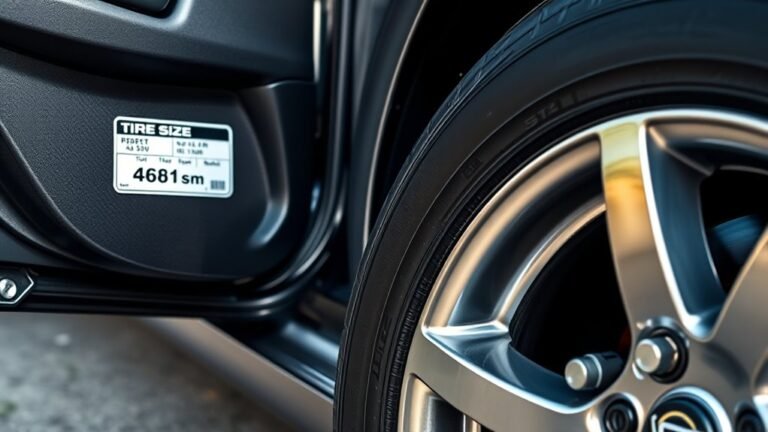
Proper tire replacement involves matching vehicle specifications. Check the owner’s manual or tire placard for:
- Tire size (e.g., 225/65R17)
- Load index rating
- Speed rating
Professional installation ensures correct balancing and alignment. Improper installation can cause uneven wear and vibration.
Regular maintenance extends tire life but does not eliminate replacement needs. Rotate tires every 5,000 to 8,000 miles. Check tire pressure monthly to maintain optimal contact with the road. Even with care, tires degrade and require replacement based on age and condition.
Frequently Asked Questions
Can Tire Age Affect Fuel Efficiency?
Can tire age affect fuel efficiency?
Yes, older tires can harden and lose flexibility, increasing rolling resistance and reducing fuel efficiency.
How does tire wear impact fuel consumption?
Worn or improperly maintained tires can cause uneven wear or improper inflation, leading to higher fuel consumption.
Why is tire maintenance important for fuel economy?
Maintaining tires in good condition and replacing aged tires helps optimize fuel efficiency and vehicle performance.
How Do Temperature Changes Impact Tire Aging?
How Do Temperature Changes Impact Tire Aging?
Temperature changes accelerate tire aging by causing rubber to expand and contract. Extreme heat softens rubber, increasing oxidation and tread wear. Cold temperatures make rubber brittle and prone to cracking. These effects weaken tire structure, reduce lifespan, and compromise safety. Monitoring temperature impacts is essential for tire health.
Are Older Tires Less Safe in Wet Conditions?
Are older tires less safe in wet conditions?
Yes, older tires become less safe in wet conditions because rubber hardens and tread effectiveness decreases over time, reducing traction and increasing the risk of hydroplaning. Even with adequate tread depth, chemical degradation impairs grip, leading to longer stopping distances and higher slip risk on wet roads.
Do Tire Brands Differ in Aging Rates?
Do tire brands differ in aging rates?
Yes, tire brands age differently due to variations in rubber compounds and manufacturing. Premium brands typically use materials that better resist ozone, UV damage, and heat, which slows aging.
Does environment affect tire aging?
Yes, environmental exposure and storage conditions significantly impact tire aging regardless of brand.
Do budget tires age faster?
Independent tests show some budget tires degrade faster, but proper maintenance and usage are crucial factors.
Is brand the only factor in tire aging?
No, while brand influences aging, environmental factors and maintenance also play key roles.
Can Storing Tires Indoors Extend Their Lifespan?
Does storing tires indoors extend their lifespan?
Yes, storing tires indoors protects them from UV rays, ozone, moisture, and temperature extremes, which helps prevent rubber degradation and extends their lifespan.
What is the best way to store tires indoors?
Store tires in a cool, dry, and dark place to maintain their integrity and prevent premature aging.
Do tires last forever if stored properly?
No, tires naturally age over time and should be regularly inspected regardless of storage conditions.