How to Repair a Vacuum Leak in a Car: Symptoms, Testing, and Common Leak Points
A vacuum leak in a car can cause several engine problems. You might notice rough idling, sluggish acceleration, or poor fuel efficiency. These symptoms often indicate that unmetered air is entering the engine, disrupting its normal operation.
Common leak points include vacuum hoses near the intake manifold, throttle body gaskets, and brake booster lines. These areas are prone to cracks, loose fittings, or worn gaskets. Identifying the exact location of the leak is crucial for proper repair.
To diagnose a vacuum leak, start with a visual inspection. Listen for hissing sounds coming from the engine bay. You can also use spray tests or vacuum gauges to pinpoint the leak.
Fixing the issue usually involves replacing damaged hoses, tightening fittings, or swapping out faulty gaskets. Following these steps helps restore engine performance and fuel efficiency.
Recognizing Symptoms of a Vacuum Leak
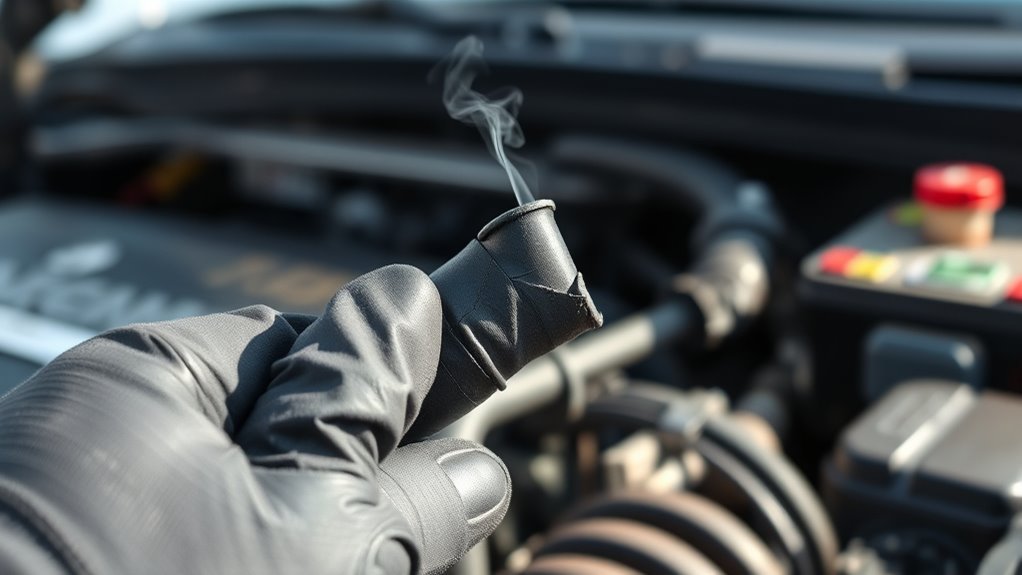
Vacuum leaks in vehicles cause specific symptoms that affect engine performance and fuel efficiency. These signs help identify the presence of leaks early for prompt repair.
Vacuum leaks trigger noticeable symptoms that impact engine performance and fuel efficiency, enabling early detection and repair.
Common symptoms of vacuum leaks include:
- Rough idling: The engine runs unevenly or stalls at low speeds.
- Decreased fuel efficiency: The engine uses more fuel to compensate for unmetered air.
- Sluggish acceleration: Improper air-fuel mixture causes hesitation or slow response.
- Check engine light: Diagnostic trouble codes may indicate vacuum-related issues.
- Hissing sounds: Escaping air from the engine bay produces audible noises.
These symptoms indicate a disruption in the engine’s air intake system. Early detection prevents worsening engine problems and potential damage.
Top Areas to Check for Vacuum Leaks Under the Hood
Vacuum leaks often occur in specific areas under the hood. Common leak points include vacuum hoses, the intake manifold gasket, throttle body gasket, brake booster vacuum line, and the PCV valve hose. Inspecting these parts helps locate leaks efficiently.
Vacuum hoses can crack, split, or disconnect, especially near the intake manifold. Check hoses for visible damage or loose connections. The intake manifold gasket often deteriorates due to heat and age, causing leaks at the manifold seal. Inspect the gasket for cracks or wear.
The throttle body and its gasket also require inspection. Damage or poor sealing here can cause vacuum loss. Examine the throttle body for signs of leaks or gasket failure. The brake booster vacuum line is another critical area. Leaks here affect brake performance and vacuum pressure.
The PCV valve hose controls crankcase ventilation and relies on proper vacuum. Check this hose for cracks or disconnections. Systematic inspection of these components increases the chance of finding the vacuum leak quickly and accurately.
Quick Tests to Identify Vacuum Leaks in Your Engine
A vacuum leak in an engine allows air to enter the intake system where it should not, disrupting fuel-air mixture and engine performance. Quick tests can detect leaks without special tools by identifying abnormal air flow or sound around vacuum lines and gaskets.
1. Visual Inspection
Check all vacuum hoses, intake manifold gaskets, and connections for cracks, splits, or loose clamps. Damaged or disconnected hoses commonly cause leaks.
2. Listening for Hissing Sounds
Run the engine and listen near vacuum hoses and intake areas. A steady hissing noise often signals escaping air from a leak.
3. Spray Test
Spray carburetor cleaner, starter fluid, or soapy water around vacuum lines and intake manifold gaskets. If the engine idle speed changes or bubbles form in soapy water, a leak is present.
4. Vacuum Gauge Test
Connect a vacuum gauge to the intake manifold. Normal vacuum readings vary by engine but low or fluctuating vacuum often indicates a leak.
Use these tests to locate vacuum leaks before repair. They provide fast feedback on leak presence and approximate location.
How to Fix Vacuum Leaks Yourself
Vacuum leaks occur when air enters the engine intake system through unintended gaps. Fixing these leaks depends on their location and size. Small leaks often require hose replacements, while larger leaks may need gasket changes or sealant use. Testing after repair confirms the leak is sealed and engine function is restored.
For minor leaks, replace cracked or brittle vacuum hoses. Follow these steps:
- Disconnect the faulty hose.
- Measure its length and diameter.
- Install a new hose matching those specifications.
Leaks at hose connectors or fittings often result from loose clamps or damaged connectors. Check and tighten clamps or replace connectors as needed to restore a secure seal.
Leaks originating from the intake manifold gasket require more work. Remove the intake manifold carefully, clean the mating surfaces thoroughly, and install a new gasket. This process needs mechanical skills and proper tools to ensure a tight seal.
Small cracks in plastic components can be sealed with vacuum-safe sealant. Apply the sealant according to manufacturer instructions and allow it to cure fully before testing.
After any repair, retest the vacuum system. Use a vacuum gauge or listen for hissing sounds to confirm the leak is fixed and engine performance is back to normal.
Tips to Prevent Future Vacuum Leaks and Engine Issues
A vacuum leak occurs when air enters the engine’s intake system outside the intended path, disrupting fuel combustion and engine performance. Preventing vacuum leaks protects engine efficiency, reduces repair costs, and maintains smooth operation.
Maintaining the vacuum system requires regular inspection and timely replacement of worn parts. Follow these key steps:
- Inspect vacuum hoses regularly for cracks, brittleness, or looseness. Replace any damaged hoses immediately to stop leaks.
- Use replacement parts that match the vehicle’s make and model. Proper fit ensures durability and prevents future leaks.
- Clean the engine bay frequently. Removing dirt and debris prevents hose abrasion and disconnections.
- Schedule routine engine tune-ups and diagnostic tests. Early detection of vacuum leaks helps avoid engine issues and costly repairs.
Consistent maintenance of vacuum components improves engine reliability and extends the system’s service life.
Frequently Asked Questions
Can a Vacuum Leak Affect My Car’s Fuel Efficiency?
A vacuum leak allows unmetered air into the engine, disrupting the air-fuel mixture and causing the engine to run lean. This makes the engine use more fuel to compensate, reducing fuel efficiency. Therefore, a vacuum leak negatively affects your car’s fuel economy by increasing fuel consumption.
Is It Safe to Drive With a Vacuum Leak?
Is it safe to drive with a vacuum leak?
No, driving with a vacuum leak is unsafe. It can cause rough idling, stalling, reduced power, and increase the risk of accidents.
What are the risks of a vacuum leak?
A vacuum leak can lead to poor engine performance, higher emissions, and potential damage to engine components over time.
Should I repair a vacuum leak immediately?
Yes, prompt diagnosis and repair are recommended to ensure vehicle safety, efficiency, and reliability.
How Much Does Professional Vacuum Leak Repair Typically Cost?
How much does professional vacuum leak repair typically cost?
Professional vacuum leak repair usually costs between $150 and $400. The price depends on the leak’s size, location, and the labor required. This cost covers diagnosis, parts, and repair to restore engine performance.
What Tools Are Best for Detecting Vacuum Leaks?
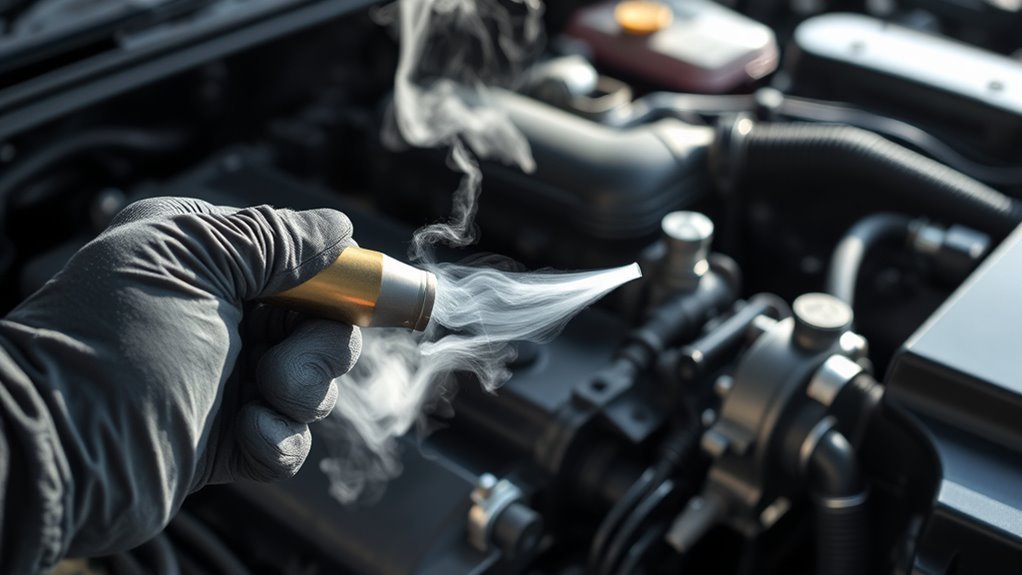
The best tools for detecting vacuum leaks are a smoke machine, which visually reveals leaks by introducing smoke into the intake system, and a vacuum gauge that measures system pressure. Propane torches or carburetor cleaner sprays help identify leaks by causing engine RPM changes when applied near suspected areas. Flashlights and mirrors assist in inspecting hard-to-see spots.
Can Vacuum Leaks Cause Damage to the Catalytic Converter?
Can vacuum leaks damage the catalytic converter?
Yes, vacuum leaks cause a lean air-fuel mixture, increasing exhaust temperatures and overheating the catalytic converter. This heat can damage its ceramic core, reducing efficiency. Promptly fixing vacuum leaks helps protect the catalytic converter and avoid costly repairs.