Can You Inflate a Car Tire With a Bike Pump? Safe Method, Time, and Limitations
A bike pump can inflate a car tire in an emergency. However, it takes a lot of effort and time. Usually, it can take 15 to 30 minutes to reach the proper pressure.
You must ensure the pump fits the tire valve correctly. Pump steadily and check the pressure often. This helps avoid over or under-inflation and keeps the process safe.
There are limitations to using a bike pump. It can cause physical strain and delivers air slowly. It may also damage the pump if used frequently.
For regular tire maintenance, a proper car tire inflator is better.
Can a Bike Pump Reach Car Tire Pressure?
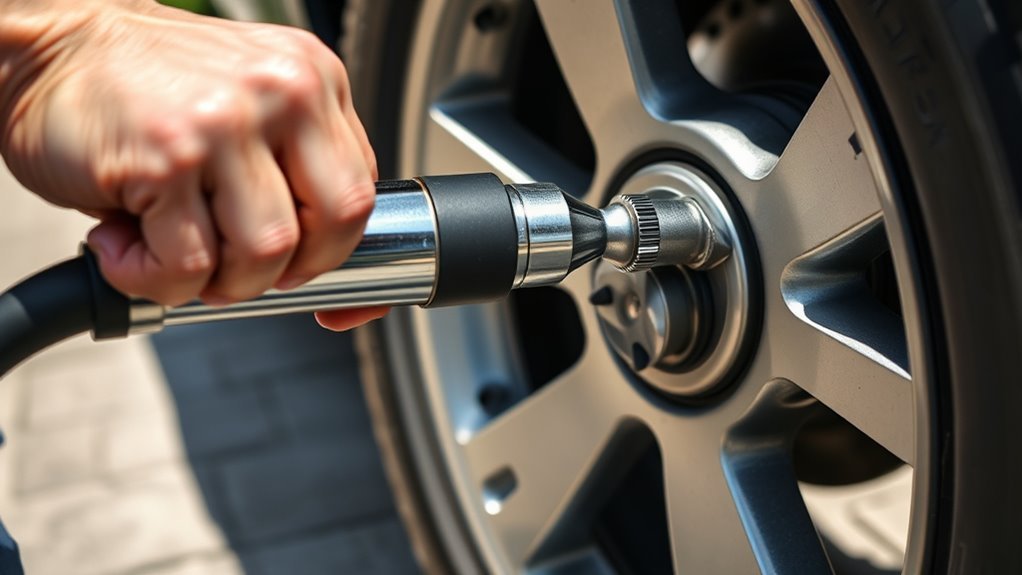
A bike pump can reach the pressure required for car tires, but it may not be efficient for inflating them. Car tires typically need 30 to 35 PSI. Many bike pumps generate 80 to 120 PSI, exceeding this requirement.
Bike pumps deliver less air volume per stroke compared to car tire inflators. This means pumping a car tire with a bike pump takes longer but can achieve the needed pressure. High-pressure hand pumps for road bikes often include gauges calibrated for pressures above car tire levels.
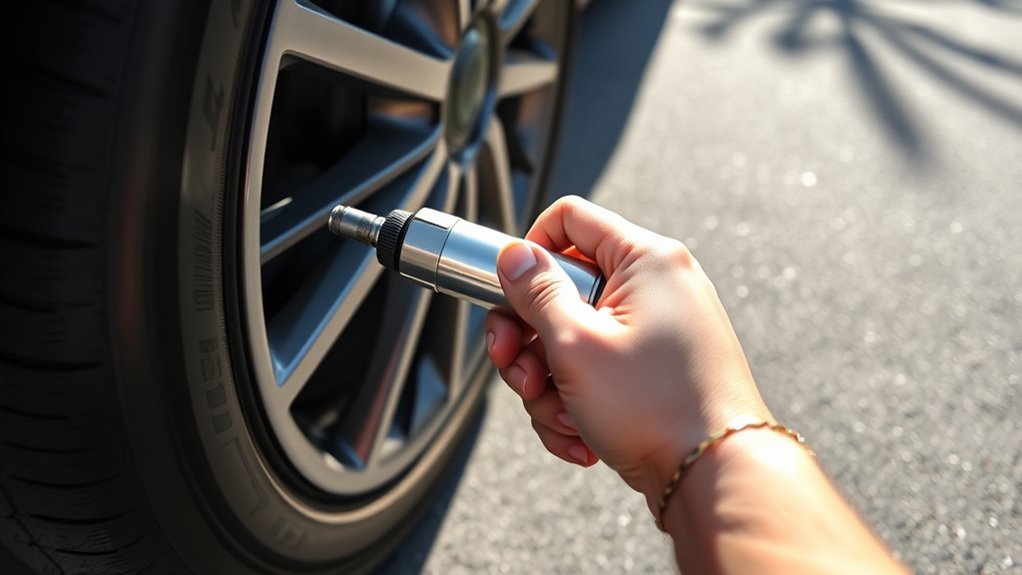
Valve compatibility is important. Most car tires use Schrader valves. The bike pump must have a compatible valve head or an adapter to avoid air leaks and ensure proper inflation. Without the right connection, the pump cannot inflate a car tire effectively.
How Long Does It Take to Inflate a Car Tire With a Bike Pump?
Inflating a car tire with a bike pump typically requires a significant amount of time, often ranging from 10 to 30 minutes. The duration depends on factors such as the pump’s design, tire size, and the user’s technique. Efficient pumping methods can noticeably reduce the time needed to reach the desired pressure.
Average Inflation Duration
Inflating a car tire with a manual bike pump usually takes between 15 and 30 minutes. The exact time depends on the pump’s efficiency, tire size, and starting air pressure. Continuous pumping speeds up the process, while breaks extend it.
Factors affecting inflation time include:
- Pump efficiency: Higher-quality pumps deliver more air per stroke.
- Tire size: Larger tires require more air volume and take longer.
- Initial pressure: Tires starting near flat take longer to inflate than those with partial pressure.
Typical scenarios:
- Inflating a standard car tire from flat to recommended pressure takes 15 to 30 minutes.
- Small tires or tires with minor pressure loss may inflate in under 10 minutes.
- Continuous pumping without breaks reduces total inflation time.
Comparison with other pumps:
| Pump Type | Time to Inflate Standard Car Tire | Effort Required | Notes |
|---|---|---|---|
| Manual Bike Pump | 15–30 minutes | High | Suitable for emergencies only |
| Electric Tire Pump | 3–7 minutes | Low | Best for regular use |
| Dedicated Car Pump | 5–10 minutes | Moderate | Designed for car tires |
Manual bike pumps are less practical for rapid inflation but can work in emergencies. Electric or dedicated pumps save time and effort.
Factors Affecting Time
Several factors determine how long it takes to inflate a car tire with a bike pump. Tire size, initial pressure, pump capacity, ambient temperature, and valve condition all influence inflation time. Larger tires and lower starting pressures increase pumping effort and duration.
Tire size affects inflation duration. Larger tires hold more air, requiring more pump strokes to reach the desired pressure.
Initial tire pressure impacts time. Tires with very low pressure need more pumping to reach optimal inflation.
Bike pump capacity determines airflow per stroke. Pumps with larger cylinders deliver more air each pump, reducing the number of strokes needed.
Ambient temperature influences air density. Colder air is denser, which can affect pressure readings and the effort needed to pump air into the tire.
Valve type and condition affect airflow. Worn or obstructed valves may slow air entry, increasing inflation time.
Summary of factors affecting car tire inflation time using a bike pump:
| Factor | Effect on Inflation Time |
|---|---|
| Tire Size | Larger tires require more air, increasing pump strokes |
| Initial Pressure | Lower pressure requires more pumping |
| Pump Capacity | Larger pump cylinders reduce strokes needed |
| Ambient Temperature | Cold air density can slightly alter pumping effort |
| Valve Condition | Valve issues may restrict airflow, slowing inflation |
Understanding these variables helps set realistic expectations when inflating car tires with a bike pump.
Pumping Technique Efficiency
Pumping technique directly affects the time and effort needed to inflate a car tire with a bike pump. Using proper posture and consistent, full strokes delivers more air per pump. In contrast, partial strokes or irregular rhythm increase inflation time and physical effort.
Proper pumping technique includes:
- Maintaining consistent full strokes
- Keeping a steady pace
- Using correct posture to reduce fatigue
Inefficient techniques cause longer inflation times and higher effort levels. The table below compares common pumping methods:
| Pumping Technique | Estimated Time (minutes) | Effort Level (1-10) |
|---|---|---|
| Consistent Full Strokes | 30–40 | 7 |
| Partial Strokes | 50–60 | 9 |
| Irregular Rhythm | 60+ | 10 |
| Rest Intervals Included | 45–55 | 8 |
Optimizing pumping technique reduces inflation time and conserves energy during the process.
What Effort Is Required to Pump a Car Tire by Hand?
Inflating a car tire with a bike pump demands considerable physical strength due to the high pressure required. The repetitive motion can be tiring, especially over an extended period. On average, the process may take several minutes to achieve adequate inflation.
Physical Strength Needed
Inflating a car tire with a bike pump requires considerable physical strength because car tires need higher air pressure than bicycle tires. Each pump stroke demands more force to compress the air to the necessary level. The small volume per stroke makes the task labor-intensive and tiring.
Car tires usually require 30 to 35 psi, which is significantly higher than the 30 to 40 psi common in many bicycle tires but more difficult to reach using a bike pump. The pump must compress air against this higher pressure, increasing resistance with each stroke.
A bike pump’s small chamber means many strokes are needed to fill a car tire. This increases the total effort and time required. Users must also have good muscular endurance to maintain the required force during repeated pumping.
Key factors affecting physical effort when using a bike pump for car tires:
- Higher pressure requirements (30-35 psi for cars)
- Increased resistance on each stroke
- Small air volume per pump stroke
- Need for repeated pumping cycles
- User’s muscular strength and endurance
Without sufficient strength and stamina, pumping a car tire with a bike pump becomes physically demanding and often impractical.
Pumping Duration Estimate
Inflating a car tire with a bike pump typically takes 20 to 45 minutes. This is because each pump stroke moves a small amount of air, and the higher tire pressure requires many repeated strokes, often between 200 and 400. Pumping becomes harder as pressure builds, extending the time needed.
A bike pump’s small air volume per stroke slows inflation. Car tires have large air capacity and high pressure, so the pump must work against increasing resistance. Physical strength is necessary to maintain steady pumping over time.
Key factors affecting pumping duration:
- Tire size and initial pressure
- Number of pump strokes (200–400 typical)
- Air volume displaced per stroke
- Increasing effort as tire pressure rises
Using a bike pump to inflate a car tire is possible but inefficient. It is best reserved for emergencies or when no other inflation tools are available.
How to Safely Use a Bike Pump on a Car Tire
A bike pump can inflate a car tire safely if used with proper care and precautions. It requires checking the tire pressure, inspecting the tire, and ensuring the pump fits the valve. Controlled pumping and frequent pressure checks prevent damage and injury.
Before using a bike pump, find the recommended tire pressure in the vehicle’s manual or on the tire sidewall. Inspect the tire for cuts, punctures, or worn areas. Do not inflate a damaged tire, as it risks failure.
Check the recommended tire pressure and inspect the tire for damage before using a bike pump to inflate it.
Confirm the bike pump matches the car valve type: Schrader valves are common on cars, while bike pumps often fit Presta valves. Use an adapter if needed. Attach the pump head firmly to avoid air leaks during inflation.
Pump air slowly with steady strokes. Avoid rapid or forceful pumping to reduce strain on the pump and prevent overheating or damage. Pause regularly to check the pressure with a reliable gauge.
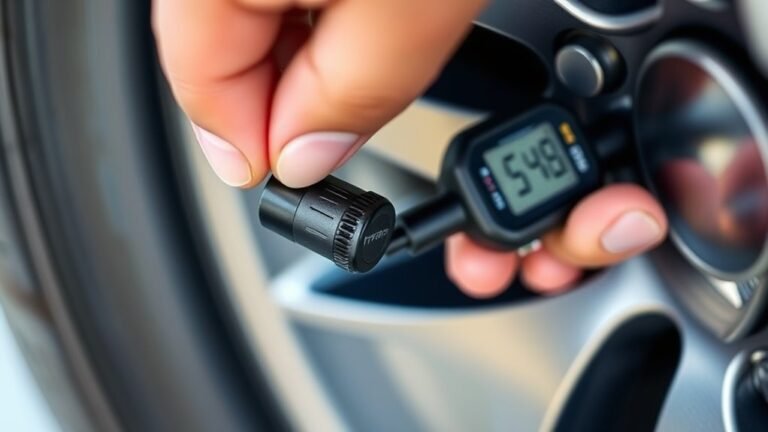
Use a pressure gauge to monitor inflation. Stop pumping once the tire reaches the recommended pressure. Overinflating can cause tire failure or uneven tire wear.
Inflate the tire in a safe, well-lit area away from traffic. Avoid inflating on busy roads or uneven ground to reduce the risk of accidents.
Key safety tips for using a bike pump on a car tire:
- Verify pump compatibility with the car’s valve type.
- Inspect tire condition before inflation.
- Check recommended tire pressure.
- Pump with controlled, steady strokes.
- Frequently monitor tire pressure using a gauge.
- Inflate in a safe location away from traffic.
- Take breaks to prevent fatigue during pumping.
Following these steps helps prevent equipment damage and ensures safe tire inflation with a bike pump.
What Problems Might You Run Into When Using a Bike Pump?
Using a bike pump to inflate car tires presents several practical problems. The process is slow and physically tiring because bike pumps move a small volume of air per stroke. Valve incompatibility and pressure requirements also create challenges.
Bike pumps deliver small air volumes with each stroke. Car tires need large volumes of air, making inflation slow. Pumping can tire the user before reaching the needed pressure.
Bike pumps are designed for bicycle valves, such as Presta or Schrader. Car tires typically use Schrader valves. Adapters may be necessary to connect the pump and valve properly.
Pressure gauges on bike pumps often measure higher pressures suitable for bike tires but may lack the accuracy needed for car tires. Without a reliable gauge, users risk under- or over-inflation.
Durability is another concern. Some bike pumps are not built to handle the sustained pressure required for car tires. Prolonged use can cause pump failure or damage.
Summary of issues when using a bike pump for car tires:
- Low air volume per stroke slows inflation
- Physical fatigue from repetitive pumping
- Valve compatibility problems requiring adapters
- Lack of precise pressure measurement
- Pump durability limits under high pressure
These factors make bike pumps inefficient and potentially unreliable for inflating car tires.
When Should You Avoid Using a Bike Pump for Your Car Tires?
Using a bike pump for car tires is not advisable when high tire pressure is required, as most bike pumps cannot safely reach these levels. It is also important to limit bike pump use to emergency situations due to the time and effort involved. For regular maintenance or full inflation, dedicated car tire pumps are more appropriate.
High-Pressure Tire Risks
High-pressure tire inflation requires tools designed for automotive use. Bike pumps are intended for lower-pressure bicycle tires and are unsuitable for inflating car tires to high pressures. Using a bike pump for car tires can lead to safety hazards and equipment damage.
Bike pumps often cannot reach or maintain the higher pressures needed for car tires. Forcing a bike pump beyond its range may cause sudden failure, risking injury to the user. The pump’s gauge may also give inaccurate readings, leading to overinflation or underinflation.
Risks of using a bike pump on high-pressure car tires include:
- Sudden pump failure causing physical injury
- Overinflated tires that may blow out during operation
- Damage to the pump mechanism or the tire’s valve stem
- Failure to achieve safe, recommended tire pressure
- Misleading pressure readings that create a false sense of safety
Automotive tire inflation requires a pump or compressor designed for higher pressures and compatible fittings. Using the correct equipment ensures accurate inflation, protects tire integrity, and prevents accidents. Avoid using bicycle pumps for car tires to maintain safety and proper tire performance.
Emergency Use Only
A bike pump can add air to a car tire during emergencies but is not suitable for regular tire inflation. It provides limited pressure and volume, making it inefficient for maintaining proper car tire pressure.
Bike pumps are designed for low-pressure tires, such as bicycles. Car tires require higher pressure and larger air volume. Using a bike pump regularly may cause underinflation, increasing the risk of tire damage, poor fuel efficiency, and unsafe driving conditions.
Repeated use of a bike pump to inflate car tires can cause physical strain and damage the pump. It is best to use a bike pump only for short-term, urgent fixes when no other tools are available.
For regular tire maintenance, a car tire inflator or professional service provides accurate pressure control. These options ensure tires remain at safe pressure levels, improving vehicle safety and tire lifespan.
Summary:
- Bike pumps suited for low-pressure bike tires, not car tires
- Limited air volume and pressure output
- Risk of underinflation affects safety and efficiency
- Physical strain and pump wear from prolonged use
- Recommended only for emergency, temporary inflation
- Use car tire inflators or service for routine maintenance
Which Bike Pumps Work Best for Inflating Car Tires?
Bike pumps that work best for inflating car tires have a high pressure capacity and compatible valve heads. Not all bike pumps reach the PSI needed for car tires. Pumps designed for durability and versatility provide reliable inflation by matching car tire requirements.
Bike pumps suitable for car tires have these key features:
- Maximum pressure above 100 PSI to meet car tire standards
- Valve heads compatible with Presta and Schrader valves
- Stable base to maintain balance during pumping
- Large handle for a firm grip and effective force
- Pressure gauge for monitoring accurate inflation
These features ensure the pump can inflate car tires safely and efficiently. Choosing a pump with a high PSI rating and a Schrader valve head is essential since most car tires use Schrader valves. Pumps without these features may not fully inflate car tires or may require excessive effort.
What Are Fast Alternatives to Inflate Car Tires?
Fast alternatives to manual bike pumps for inflating car tires include electric air compressors, CO2 inflators, and gas station air pumps. These options reduce inflation time and effort, making them practical for quick tire pressure adjustments.
Electric air compressors use a car’s 12V power outlet to provide rapid inflation. They are portable and convenient for roadside use. These compressors can fill tires quickly without requiring physical effort, making them a popular choice among drivers.
CO2 inflators use compressed gas cartridges to inflate tires rapidly. They are compact and lightweight, ideal for emergency situations. However, their limited gas supply and higher cost make them less suitable for regular use.
Gas station air pumps offer a fast and accessible way to inflate tires. These machines can deliver precise tire pressure and are often available at most fuel stations. Using these pumps requires minimal time and no equipment purchase.
| Method | Power Source | Speed | Suitability | Cost |
|---|---|---|---|---|
| Electric Air Compressor | Car 12V outlet | Fast | Roadside and regular use | Moderate |
| CO2 Inflator | Gas cartridges | Very fast | Emergencies | Higher |
| Gas Station Air Pump | Station electricity | Fast | Convenient, public use | Free/Low |
Choosing the right alternative depends on availability, frequency of use, and convenience needs.
How to Maintain Tire Pressure Without a Car Inflator
Maintaining tire pressure without a car inflator requires regular checks and manual methods. Drivers can use portable hand pumps, visit service stations, and perform visual inspections to keep tires properly inflated and safe. Consistent tire care reduces the risk of flats and improves vehicle handling.
Regularly check tire pressure using a reliable gauge. Monthly checks help detect underinflation early and prevent uneven wear or poor fuel efficiency. Visual inspections identify cracks, bulges, or objects lodged in the tire that cause leaks.
Portable manual pumps designed for car tires provide a practical inflation method when electric inflators are unavailable. These pumps operate by hand and can restore pressure in emergencies or routine maintenance.
Rotating tires at recommended intervals promotes even wear and helps maintain balanced pressure across all tires. Uneven wear can lead to pressure loss and reduced tire life.
Seek professional assistance promptly if tires lose pressure frequently or show visible damage. A mechanic can diagnose leaks, repair punctures, or recommend tire replacement.
Summary of key steps to maintain tire pressure without a car inflator:
- Check tire pressure monthly with a reliable gauge.
- Visually inspect tires for damage or foreign objects.
- Use portable manual pumps for inflation.
- Rotate tires regularly to ensure even wear.
- Consult professionals for persistent pressure issues.
These steps ensure proper tire maintenance without relying solely on car inflators.
How Does a Bike Pump Differ From a Car Tire Inflator?
A bike pump and a car tire inflator both increase tire air pressure but differ in design, capacity, and operation. A bike pump is manual and suited for smaller tires, while a car tire inflator is usually electric or air-powered, designed for larger tires and faster inflation.
Bike pumps have a small barrel and piston. They deliver limited air volume per stroke. The manual operation requires physical effort. Bike pumps work well for low-pressure, small-volume tires like those on bicycles. They are less efficient for car tires due to their size and pressure limits.
Car tire inflators use electric motors or compressed air. They provide rapid inflation at higher pressures. Car inflators handle the larger volume and pressure demands of car tires. Most include built-in pressure gauges for precise inflation control. This feature allows users to avoid over- or under-inflation.
Comparison table:
| Feature | Bike Pump | Car Tire Inflator |
|---|---|---|
| Operation | Manual | Electric or compressed air |
| Air volume per stroke | Small | Large |
| Pressure capability | Low to moderate | High |
| Tire size suitability | Small (bikes) | Large (cars, trucks) |
| Inflation speed | Slow | Fast |
| Pressure gauge | Basic or none | Usually included |
Bike pumps can serve as emergency inflators for car tires but require more time and effort. Car tire inflators offer convenience and precision for regular vehicle tire maintenance.
Frequently Asked Questions
Can Using a Bike Pump Damage My Car Tire Valve?
Using a bike pump carefully does not inherently damage a car tire valve. Most valve damage (about 90%) results from improper handling, not the inflation device. To avoid damage, use proper technique and ensure the pump head matches the valve type. Excessive force or incorrect attachment can cause valve stem bending or seal damage.
Is It Safe to Use a Bike Pump in Cold Weather?
Is it safe to use a bike pump in cold weather?
Yes, it is generally safe but requires caution. Cold temperatures can make rubber parts brittle and the pump stiffer.
How can I protect my bike pump and tires in cold weather?
Warm the pump and tire slightly before use and check tire pressure frequently, as cold weather lowers pressure naturally.
Does cold weather affect tire pressure?
Yes, cold weather causes tire pressure to drop, so regular checks are important.
How Often Should I Check My Car Tire Pressure?
Check your car tire pressure at least once a month. Regular checks prevent slow leaks, ensure fuel efficiency, and extend tire life. Always check before long trips or when carrying heavy loads to avoid uneven wear and blowouts, ensuring safety and optimal performance.
Can a Bike Pump Inflate Other Vehicle Tires?
Can a bike pump inflate other vehicle tires?
Yes, a bike pump can inflate smaller tires like those on motorcycles or scooters. However, it is inefficient for larger tires such as car or truck tires, which require more air volume and higher pressure. For larger tires, specialized pumps or compressors are recommended to ensure proper inflation and safety.
What Is the Ideal Tire Pressure for Different Car Models?
What is the ideal tire pressure for different car models?
Ideal tire pressure varies by car type: compact cars typically need around 30 PSI, midsize sedans require 32 to 35 PSI, and SUVs or trucks usually need 35 to 40 PSI. Always check the vehicle’s owner manual or the sticker inside the driver’s door frame for exact specifications. Maintaining correct tire pressure ensures optimal performance, safety, and fuel efficiency.