How Much Do Car Tires Cost? Prices by Tire Type, Vehicle, Installation, and Fees
Car tire prices depend on several factors. These include the type of tire, the vehicle you drive, installation charges, and extra fees. Knowing these costs helps you budget better for tire replacement.
All-season tires usually cost between $70 and $120 each. Specialty tires, designed for specific conditions or vehicles, tend to be more expensive.
For example, sedan tires generally range from $70 to $150 per tire. Truck tires can cost between $150 and over $300. Sports car tires often exceed $200 per tire.
Installation fees typically add $15 to $50 per tire. Additional costs may include taxes, disposal fees, and environmental charges.
Understanding these expenses gives you a clearer picture of the total price when buying new tires.
Average Costs for Different Types of Car Tires
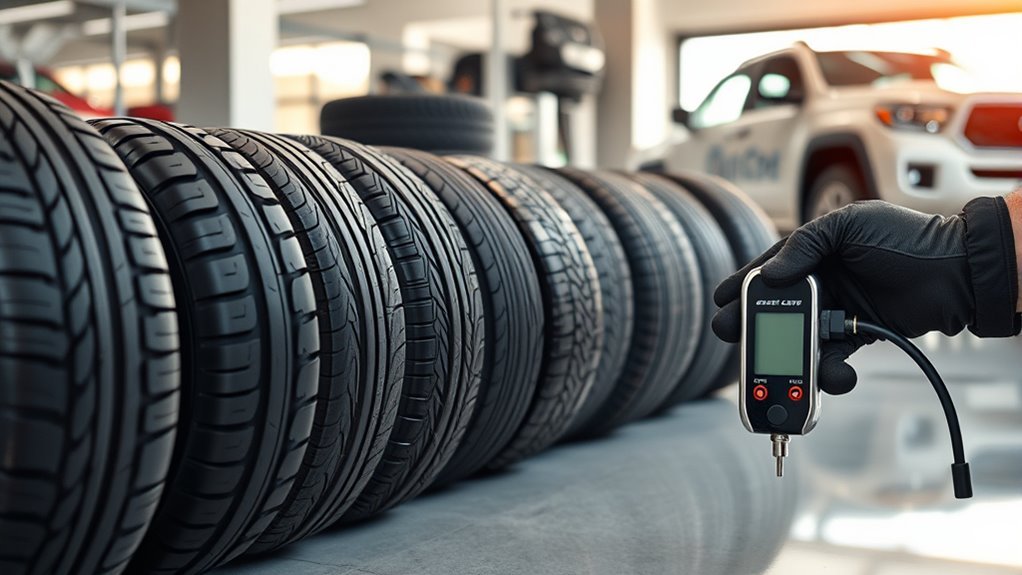
Car tire prices vary by type, with each category reflecting different uses and features. Understanding these cost ranges helps buyers choose tires that fit their needs and budgets.
Tire prices differ by type, matching various driving needs and budgets for optimal choice.
- All-season tires cost between $70 and $120 per tire. They suit year-round driving on dry, wet, and light snow conditions.
- Performance tires range from $100 to $200 each. These tires improve handling and speed for sporty driving.
- Winter tires fall in the $90 to $150 range. They offer better traction on snow and ice.
- Off-road tires typically cost $150 to $300 per tire. Designed for rough terrain, they use tougher materials and aggressive tread patterns.
- Specialty tires, such as run-flat or eco-friendly models, often carry higher prices due to unique construction or materials.
Price differences reflect tire materials, tread design, and intended use. These factors affect tire durability and driving performance. Buyers should consider these aspects alongside cost for the best value.
Tire Prices by Vehicle Category: Sedans, Trucks, and Sports Cars
Tire prices vary by vehicle category due to differences in size, design, and performance needs. Sedan tires cost between $70 and $150 each. Truck tires range from $150 to $300 or more. Sports car tires are priced from $200 to $400 per tire.
Sedan tires suit standard vehicles and all-season driving. Their moderate size and tread design keep prices lower. Most sedan tires fall within the $70 to $150 range, reflecting their common use and manufacturing scale.
Truck tires require durability and off-road capability. They often carry higher load ratings and aggressive tread patterns. Prices start around $150 and can exceed $300 depending on specifications.
Sports car tires prioritize handling and grip. They use advanced materials and specialized construction for performance. These factors push prices into the $200 to $400 range per tire.
| Vehicle Category | Price Range per Tire | Key Features |
|---|---|---|
| Sedan | $70 – $150 | Standard size, all-season tread |
| Truck | $150 – $300+ | High durability, off-road tread |
| Sports Car | $200 – $400 | Performance materials, specialized design |
Installation Fees and Tire Prices: What to Expect
Installation fees cover the labor required to mount and balance tires. These fees vary by tire size, vehicle type, and service provider. Typical costs range from $15 to $50 per tire.
Tire installation includes several tasks:
- Mounting the tire on the wheel
- Balancing the tire to prevent vibration
- Replacing the valve stem if needed
Additional charges may apply for:
- Disposal of old tires, sometimes included in installation fees
- Alignment checks
- Resetting the tire pressure monitoring system (TPMS)
Understanding installation fees helps buyers budget for costs beyond the tire price.
Extra Fees and Taxes on Tire Purchases
Extra fees and taxes can increase the total cost of buying new tires. Sales tax, environmental fees, disposal fees, and documentation fees are common additional charges. These fees vary by location and purpose but often add several dollars to the final price.
Sales tax applies to tire purchases and typically ranges from 5% to 10%, depending on state and local rates. This tax goes to government funds and is calculated based on the tire price.
Environmental fees may be charged in some states to support tire recycling programs. These fees usually range from $1 to $5 per tire and help cover eco-friendly initiatives.
Disposal fees cover the cost of properly handling and discarding old tires. These fees generally fall between $2 and $6 per tire and ensure safe disposal.
Documentation fees cover administrative costs related to processing the tire sale. These fees usually range from $5 to $15 total and support paperwork and record-keeping.
| Fee Type | Typical Range | Purpose |
|---|---|---|
| Sales Tax | 5% – 10% | State and local government tax |
| Environmental Fee | $1 – $5 per tire | Recycling and eco initiatives |
| Disposal Fee | $2 – $6 per tire | Proper disposal of old tires |
| Documentation Fee | $5 – $15 total | Processing and paperwork |
Budgeting Tips for Your Next Tire Purchase
A clear budget helps control the total cost of buying new tires while maintaining safety and performance. Planning your budget involves researching brands, understanding all fees, and timing your purchase to take advantage of discounts.
Setting a clear budget ensures safe, cost-effective tire purchases by researching brands, fees, and discount timing.
Researching tire prices online helps identify the best deals and compare brands. Many websites list prices from multiple retailers, allowing you to find competitive offers without visiting stores.
Installation and disposal fees add to the tire cost. Charging for mounting, balancing, valve stems, and old tire disposal is common. Check these fees in advance to avoid unexpected expenses at the shop.
Buying tires during sales or seasonal promotions can reduce costs. Retailers often offer discounts during holidays or when switching to summer or winter tires. Watching for manufacturer rebates also increases savings.
Key budgeting tips include:
- Compare tire prices at several stores and online platforms.
- Include extra charges like mounting, balancing, and taxes.
- Track manufacturer rebates and retailer promotions before buying.
Frequently Asked Questions
How Often Should I Rotate My Car Tires?
Tire rotation should be done every 5,000 to 7,500 miles to ensure even wear and extend tire life. This schedule often matches oil change intervals. Check your vehicle’s owner manual or consult a mechanic for specific recommendations. Regular rotation maintains balanced handling, improves performance, and helps prevent premature tire replacement.
What Are the Signs of Tire Wear Needing Replacement?
What are the signs that tires need replacement?
Tires need replacement when tread depth falls below 2/32 inch, tread wear indicators are visible, or there are cracks or bulges in the sidewall. Uneven tread wear, frequent loss of pressure, vibrations while driving, and thumping noises also signal internal tire damage. Regular inspections help catch these issues early to maintain safety and performance.
Can I Mix Different Tire Brands on One Vehicle?
Mixing different tire brands on one vehicle is possible but not recommended. Different brands have unique tread patterns and compounds, which can cause uneven wear, reduced traction, and compromised handling. For optimal safety and performance, all tires should match in brand, model, and tread depth. Mixing tires may be acceptable temporarily in emergencies or budget constraints.
How Do Tire Warranties Typically Work?
Tire warranties cover defects in workmanship and materials for a set time or mileage, whichever comes first. They often include treadwear guarantees for minimum tread life under normal use. If tires wear out early or have defects, manufacturers may offer prorated replacement or repair. Warranties exclude damage from road hazards, improper maintenance, or accidents. Claims require proof of purchase and maintenance records.
What Is the Impact of Tire Pressure on Fuel Efficiency?
How does tire pressure affect fuel efficiency?
Proper tire pressure reduces rolling resistance, helping the vehicle use less fuel.
What happens if tires are underinflated?
Underinflated tires increase resistance, making the engine work harder and consume more fuel.
Why should I regularly check tire pressure?
Maintaining ideal tire pressure improves fuel efficiency, saves money, and reduces environmental impact.