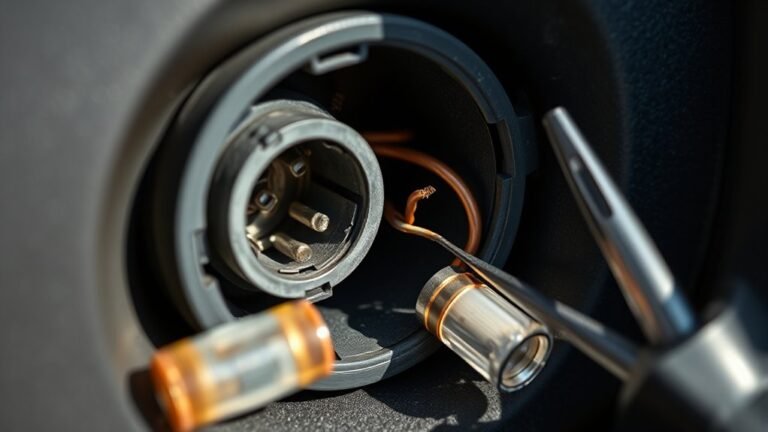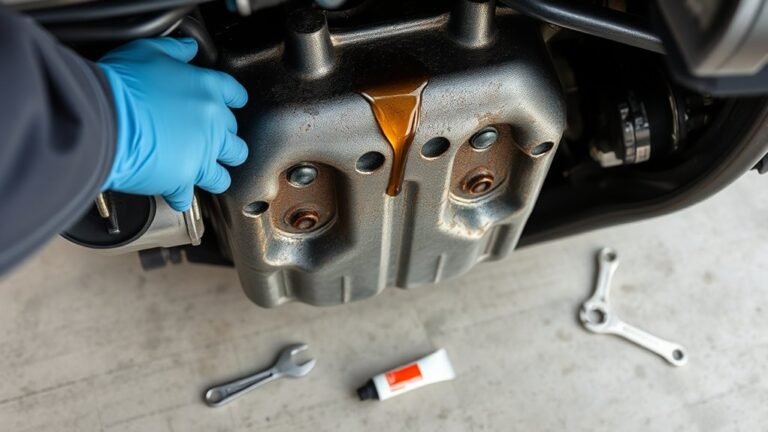
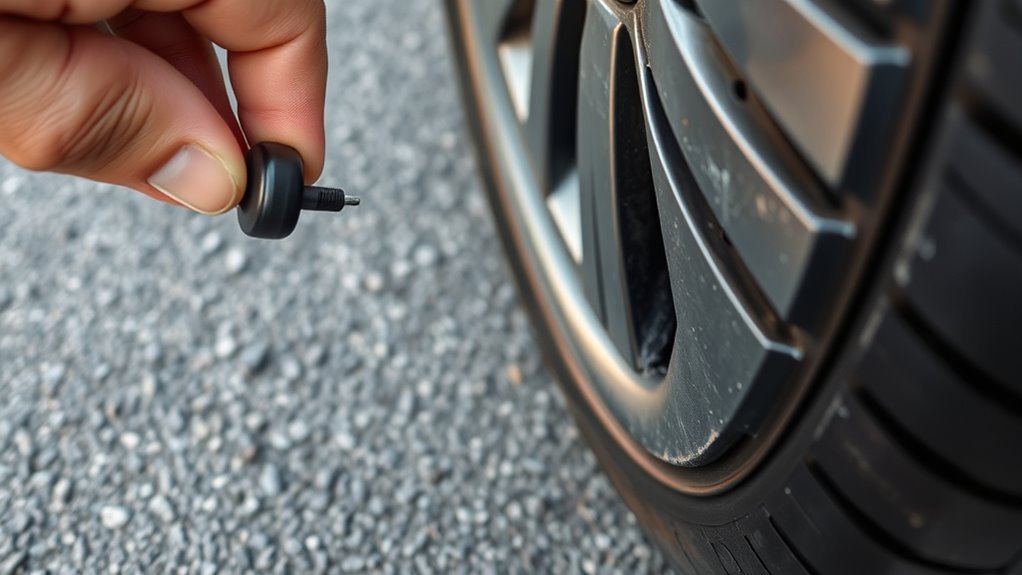
How to Plug a Car Tire: When a Puncture Is Repairable and When It Is Not
A car tire puncture can often be fixed if the damage is minor. Small holes no larger than 1/4 inch in the tread area are usually repairable. The tire must not have any sidewall cuts or internal damage.
Some punctures should not be repaired. These include cuts on the sidewall, bulges, large holes, and multiple close punctures. Also, tires with tread worn below 2/32 inch are unsafe to fix.
Using the right tools and proper techniques is crucial for a safe tire plug. After repairing, it is important to care for the tire to keep it in good condition.
This guide will explain how to repair a tire, common mistakes to avoid, and when you should seek professional help.
How to Tell If Your Tire Puncture Can Be Plugged
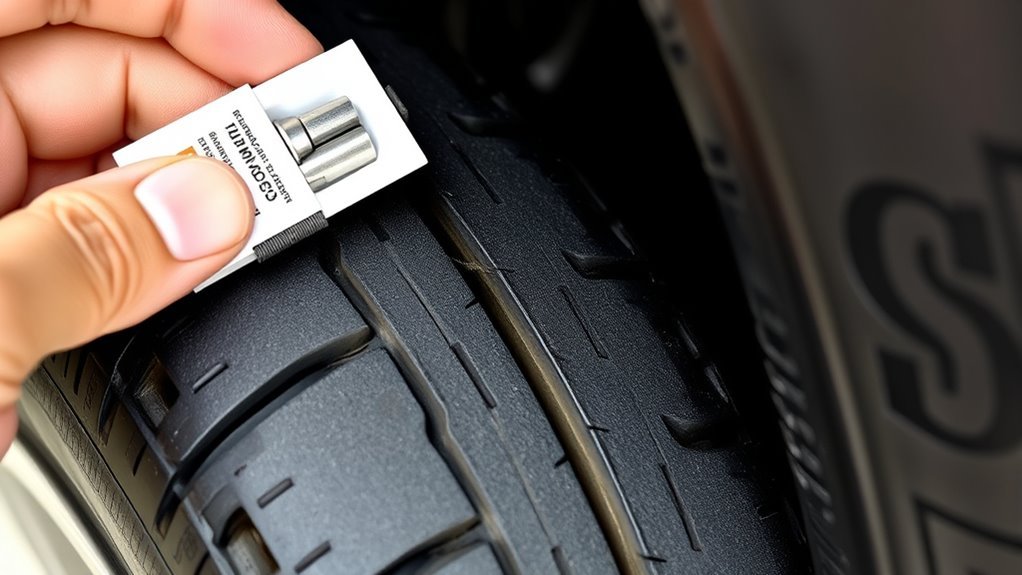
A tire puncture can be plugged if it is small, located in the tread area, and does not affect the tire’s structural integrity. Punctures larger than 1/4 inch, on the sidewall or shoulder, or multiple close holes usually cannot be repaired safely.
Nails or screws causing punctures in the tread area are often suitable for plugging. The tread is the tire’s thick, treaded surface that contacts the road. The hole should not exceed 1/4 inch (6 mm) in diameter because larger holes weaken the tire.
Punctures on the sidewall or shoulder are unsafe to plug. These areas flex during driving, so repairs here risk tire failure. Multiple punctures close together reduce the tire’s strength and usually disqualify it from repair.
Visual inspection is critical to check for internal damage, such as separation of layers or sidewall bubbles. Damage inside the tire can prevent a safe repair. A tire must hold air pressure after plugging to ensure safe use.
Thorough visual inspection ensures no internal damage, critical for a safe and lasting tire repair.
Summary of tire puncture plug criteria:
- Location: Tread area only
- Size: Hole ≤ 1/4 inch (6 mm) diameter
- Number: Single puncture, not clustered
- Damage: No internal damage or separation
- Function: Must maintain proper air pressure after repair
If punctures do not meet these conditions, consider replacing the tire instead of plugging.
Signs You Should Replace, Not Plug, Your Tire
You should replace a tire instead of plugging it when the damage affects safety or structural integrity. Certain types of damage make plug repairs unsafe or ineffective, requiring a full tire replacement to ensure safe driving.
Sidewall damage, including cuts, bulges, or deep cracks, weakens the tire’s structure. Tires with sidewall damage must be replaced because plugs cannot restore strength. Punctures larger than 1/4 inch (6 mm) or those located on the tire’s shoulder area are not suitable for plugging. These areas endure high stress and cannot be reliably repaired.
Multiple punctures close together reduce the tire’s durability and safety. Such tires need replacement rather than patching. Excessive tread wear, indicated by exposed wear bars or tread depth below 2/32 inch, means the tire no longer provides safe traction and requires replacement.
Internal tire damage, such as separated belts or large internal cuts, cannot be fixed by plugging. These issues compromise the tire’s internal structure and pose a serious safety risk if not replaced.
Summary of when to replace a tire instead of plugging:
- Sidewall damage (cuts, bulges, deep cracks)
- Punctures larger than 1/4 inch (6 mm)
- Punctures on shoulder areas
- Multiple punctures close together
- Tread wear below 2/32 inch or exposed wear bars
- Internal damage (separated belts, internal cuts)
Replacing a damaged tire ensures safety and performance, while plugging is only suitable for small, isolated tread punctures in repairable locations.
Tools You Need to Plug a Tire Safely
Proper tools ensure a tire plug seals a puncture safely and prevents air leaks. Using equipment designed for tire repair helps maintain tire integrity and road safety.
Essential tools for plugging a tire include:
- Tire plug kit: Contains rubber plugs (strings) that seal the puncture.
- Reamer tool: Cleans and widens the puncture hole for better plug adhesion.
- Insertion tool: Pushes the plug deep into the tire hole.
- Utility knife or scissors: Trims excess plug material flush with the tire surface.
- Tire pressure gauge: Checks tire inflation after the repair.
Each tool supports a specific step in the repair process to ensure a secure and lasting plug.
How to Plug a Car Tire Step-by-Step
Plugging a car tire involves locating the puncture, preparing the hole, inserting a plug, and reinflating the tire to restore its seal. This process repairs small punctures in the tread area and can be done with basic tools.
Follow these steps to plug a tire:
- Locate the puncture and deflate the tire completely.
- Insert the reaming tool into the hole. Twist it to clean and widen the puncture for better plug adhesion.
- Thread the plug through the insertion tool. Apply rubber cement to the plug if available.
- Push the plug firmly into the hole using the insertion tool until only a small part remains outside.
- Remove the insertion tool carefully, leaving the plug inside the tire.
- Trim any excess plug material so it is flush with the tread surface.
- Reinflate the tire to the recommended pressure.
- Check for leaks by applying soapy water on the repair site or listening for escaping air.
Performing these steps correctly restores the tire’s ability to hold air and extends its usable life after a puncture.
Common Tire Plugging Mistakes to Avoid
Common errors when plugging a car tire include incorrect plug placement and using improper tools. These mistakes can lead to ineffective repairs or further damage. Recognizing and avoiding such pitfalls is essential for a reliable tire fix.
Incorrect Plug Placement
Incorrect plug placement directly affects tire repair success. Placing a plug improperly causes air leaks, additional tire damage, and unsafe driving conditions. Correct plug placement ensures a tight seal and maintains tire safety.
Common mistakes in plug placement include:
- Plugging too close to the tire’s sidewall, where pressure and movement reduce plug effectiveness.
- Inserting the plug at an angle instead of perpendicular to the puncture.
- Not centering the plug within the hole, which leads to gaps and incomplete sealing.
- Using plugs on punctures that exceed the recommended size.
- Ignoring damage types that make plugging unsafe or ineffective.
Proper plug placement requires aligning the plug straight through the puncture and centering it to fill the hole completely. Assess the puncture size and location before repair to ensure a secure seal and tire integrity.
Using Improper Tools
Using proper tools is essential for a successful tire plug repair. Incorrect tools can cause incomplete sealing, tire damage, or unsafe fixes. Choosing the right equipment ensures the plug fits correctly, seals well, and keeps the tire safe for use.
Proper hole preparation requires a sharp reamer of the correct size. A dull or wrong-sized reamer can leave the hole uneven or too small, preventing the plug from sealing the puncture effectively.
Insertion tools must be sturdy and designed for the plug type. Using makeshift or damaged tools can result in incomplete plug insertion, leading to air leaks or plug failure.
Plug material quality affects durability and sealing. Low-quality or unsuitable plugs can break down or fail to adhere, causing air loss and unsafe tire conditions.
Sealants should be compatible with the tire and plug material. Using the wrong sealant can cause chemical damage or reduce the seal’s effectiveness, risking tire integrity.
| Tool Type | Common Mistake | Consequence |
|---|---|---|
| Reamer | Dull or wrong size | Poor hole preparation |
| Insertion Tool | Makeshift or damaged | Incomplete plug insertion |
| Plug Material | Low quality or wrong type | Plug failure or air leaks |
| Sealant | Incompatible types | Chemical damage or poor sealing |
Using the right tools prevents repair failures and maintains tire safety after plugging.
How to Maintain Your Tire After a Plug Repair
After a tire is repaired with a plug, regular maintenance ensures the repair remains secure and the tire stays safe to use. Proper care helps detect issues early and extends the tire’s life. Key steps include inspecting the plug area, monitoring pressure, and managing tire use.
Regular visual inspections focus on the plug site. Look for cracks, damage, or air bubbles that indicate leaks. Early detection prevents further tire damage or failure.
Check tire pressure at least once a week. Consistent pressure helps identify slow leaks and confirms the plug holds air properly. Use a reliable gauge for accuracy.
Avoid driving at high speeds or carrying heavy loads immediately after a plug repair. Excessive stress can weaken the repair and cause it to fail.
Clean the tire surface around the plug gently. Remove dirt and debris without harsh chemicals or scrubbing to avoid damaging the repair area.
Rotate tires every 5,000 to 8,000 miles. Rotation promotes even tread wear and allows you to monitor the repaired tire’s condition during routine maintenance.
Summary of key maintenance steps after plug repair:
- Inspect plug area for damage or leaks visually.
- Monitor tire pressure weekly to catch slow leaks.
- Avoid heavy loads and high speeds that strain the repair.
- Clean the plug area gently to remove dirt.
- Rotate tires regularly to ensure even wear and check repair.
Following these steps supports the repair’s durability and helps maintain tire safety over time.
When to Call a Professional for Tire Plugging or Repairs
Tire plug repairs require professional help when safety or tire integrity is at risk. Professionals handle complex or severe punctures to ensure reliable, long-lasting repairs. Some punctures can be fixed by vehicle owners, but certain conditions demand expert assessment and tools.
Professional tire repair is necessary in these cases:
- Puncture near the sidewall: Sidewall damage is hard to repair safely due to the tire’s flexible structure. Professionals avoid tire failure by using proper techniques.
- Large puncture (over 1/4 inch): Bigger holes need specialized patching methods that exceed simple plug repairs.
- Multiple punctures: Multiple damages weaken the tire. Professionals assess whether the tire remains safe or needs replacement.
- Rapid air loss: Quick deflation often signals internal damage. Experts diagnose and fix hidden problems to prevent blowouts.
- Visible structural damage: Cracks, bulges, or tears require thorough inspection to avoid safety hazards.
| Condition | Why Professional Help Is Needed | Risk of Ignoring |
|---|---|---|
| Puncture near sidewall | Complex repair on weak tire area | Tire failure |
| Large puncture (>1/4 inch) | Requires specialized patching techniques | Air leakage |
| Multiple punctures | Difficult repair without weakening tire | Reduced tire durability |
| Rapid air loss | Possible internal damage needing diagnosis | Sudden tire blowout |
| Visible structural damage | Needs detailed inspection and repair | Safety hazard |
Always choose professional tire repair when these conditions appear. Proper tools and expertise ensure tire strength and driver safety.
Frequently Asked Questions
Can Tire Plugs Be Used on All Types of Tires?
Tire plugs are suitable for tubeless tires and small punctures in passenger cars and light trucks. They are not recommended for sidewall damage, large holes, tires with inner tubes, or heavy-duty tires like those on commercial trucks and off-road vehicles. Professional repair or replacement is advised for these cases. Proper assessment ensures safety.
How Long Does a Tire Plug Typically Last?
A tire plug can last from a few months to several years, depending on the plug quality, puncture size and location, and driving conditions. While some plugs offer a reliable temporary fix, others may last longer. Regular monitoring is recommended, as plugs are not always permanent solutions.
Are Tire Plugs Safe for High-Speed Driving?
Are tire plugs safe for high-speed driving?
Tire plugs can be safe for high-speed driving if properly installed and the puncture is in the tread area, not the sidewall.
Are tire plugs a permanent fix?
No, tire plugs are generally a temporary solution and not recommended for long-term use.
What is recommended for sustained high-speed driving after a puncture?
A professional inspection, patch, or tire replacement is recommended for sustained high-speed performance.
How should plugged tires be maintained?
Plugged tires should be monitored regularly to ensure they maintain air pressure and structural integrity.
Can Tire Plugs Cause Air Pressure Loss Over Time?
Tire plugs can cause gradual air pressure loss if improperly installed or used on unsuitable punctures. The sealant may degrade or shift, causing slow leaks. Properly applied plugs usually maintain air pressure well. Regularly check the plug and tire pressure to ensure safe driving.
What Is the Cost Difference Between Plugging and Replacing a Tire?
The cost difference between plugging and replacing a tire is significant. Plugging usually costs $10 to $30, while replacing a tire ranges from $100 to over $300. Plugging is an affordable temporary fix, whereas replacement is a costly permanent solution.